


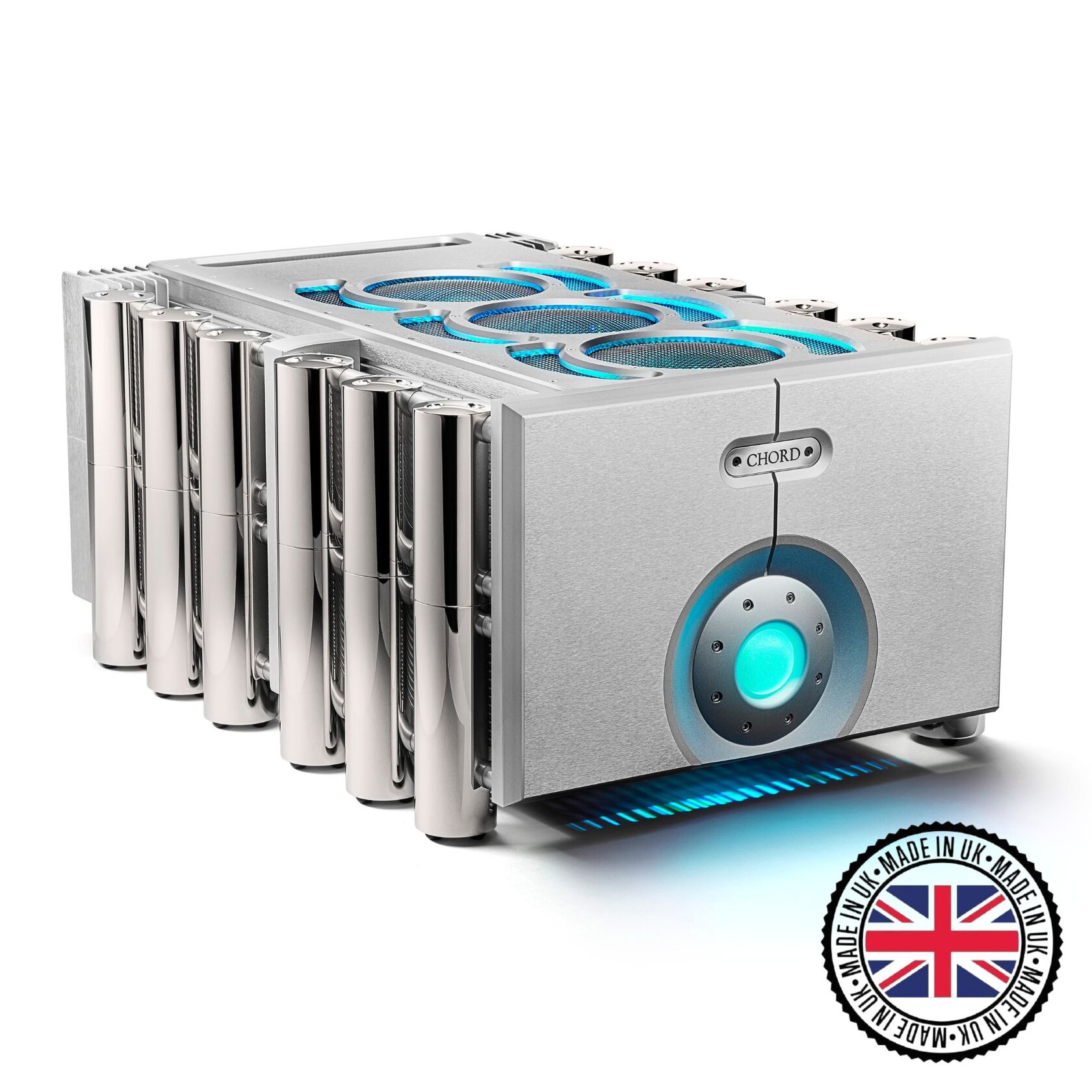
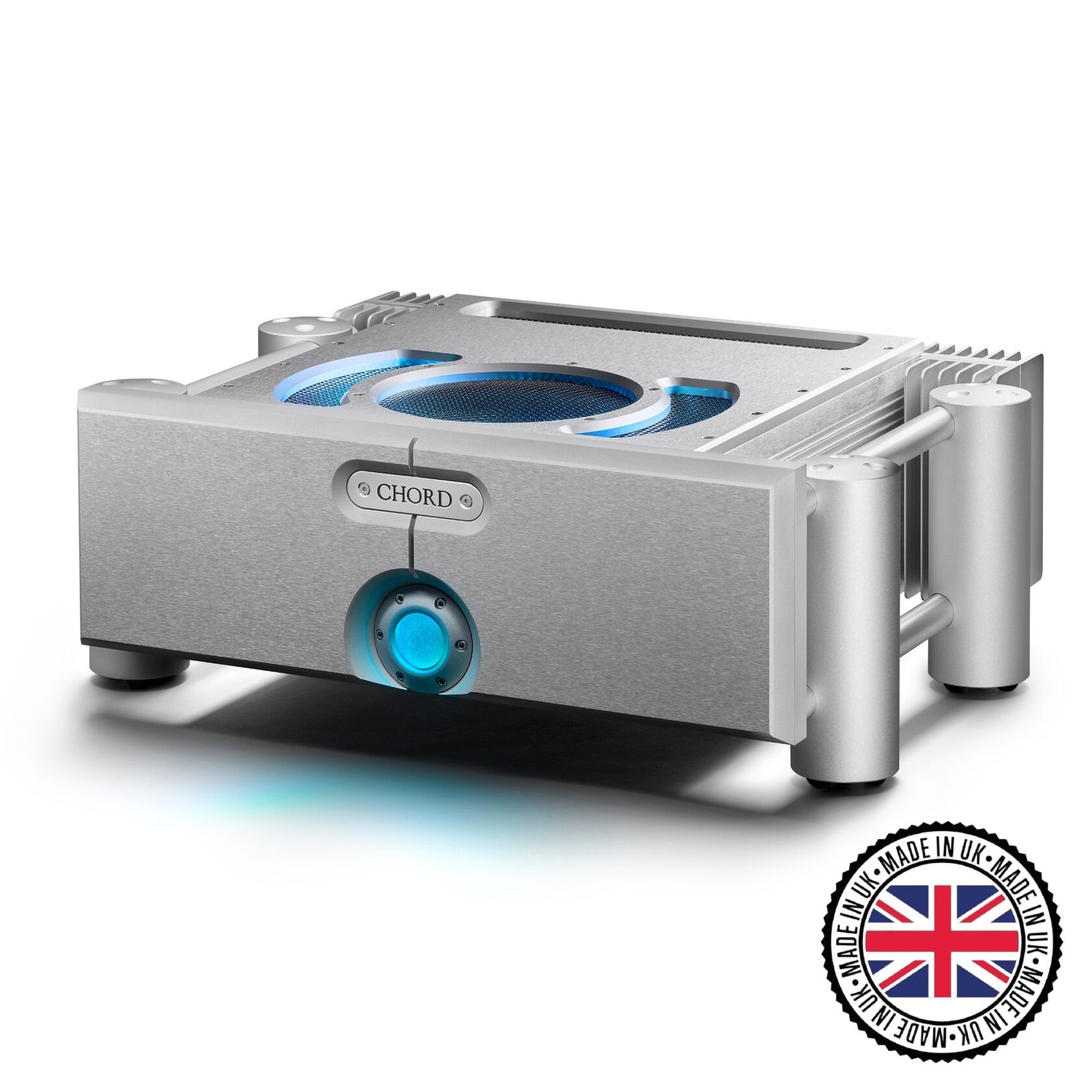
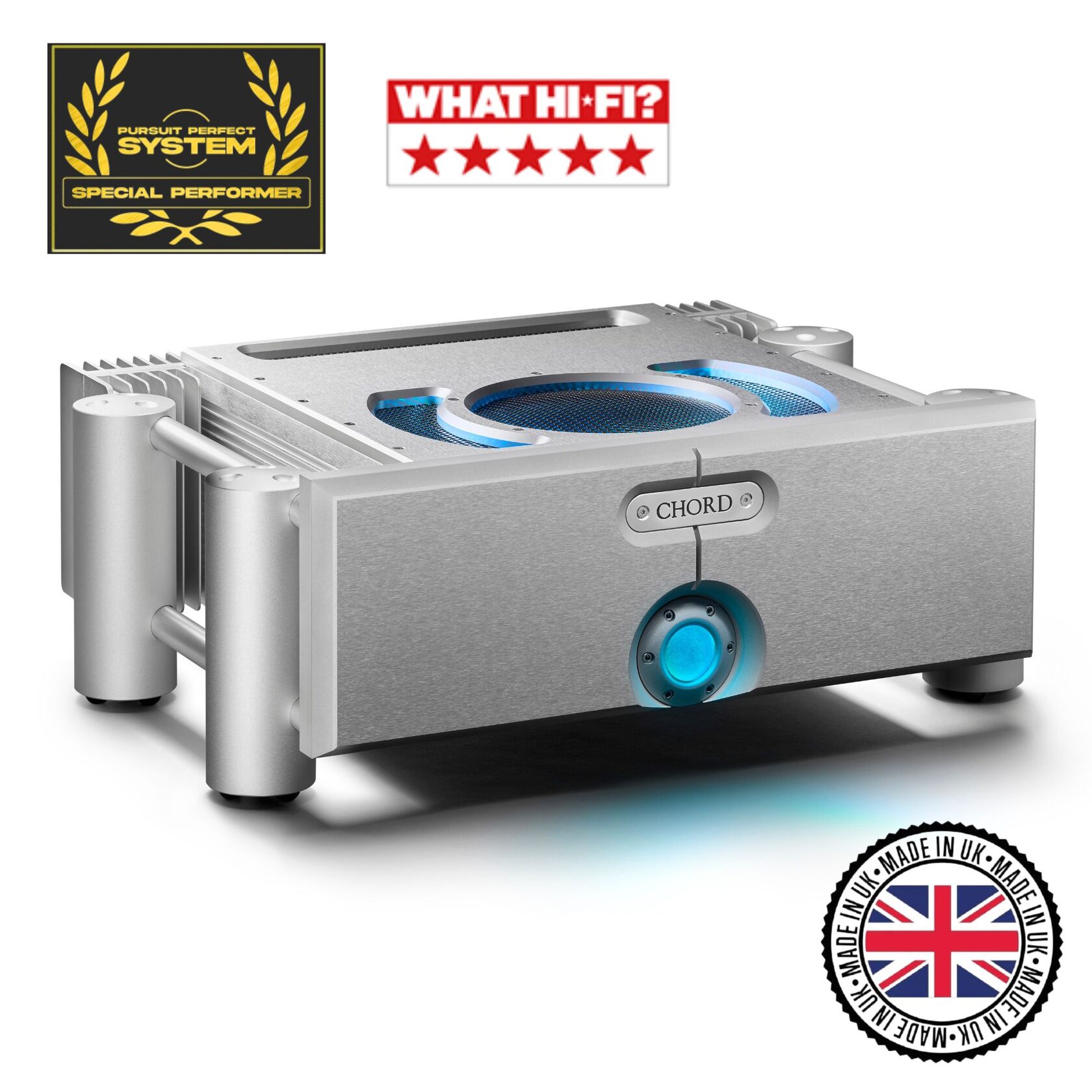
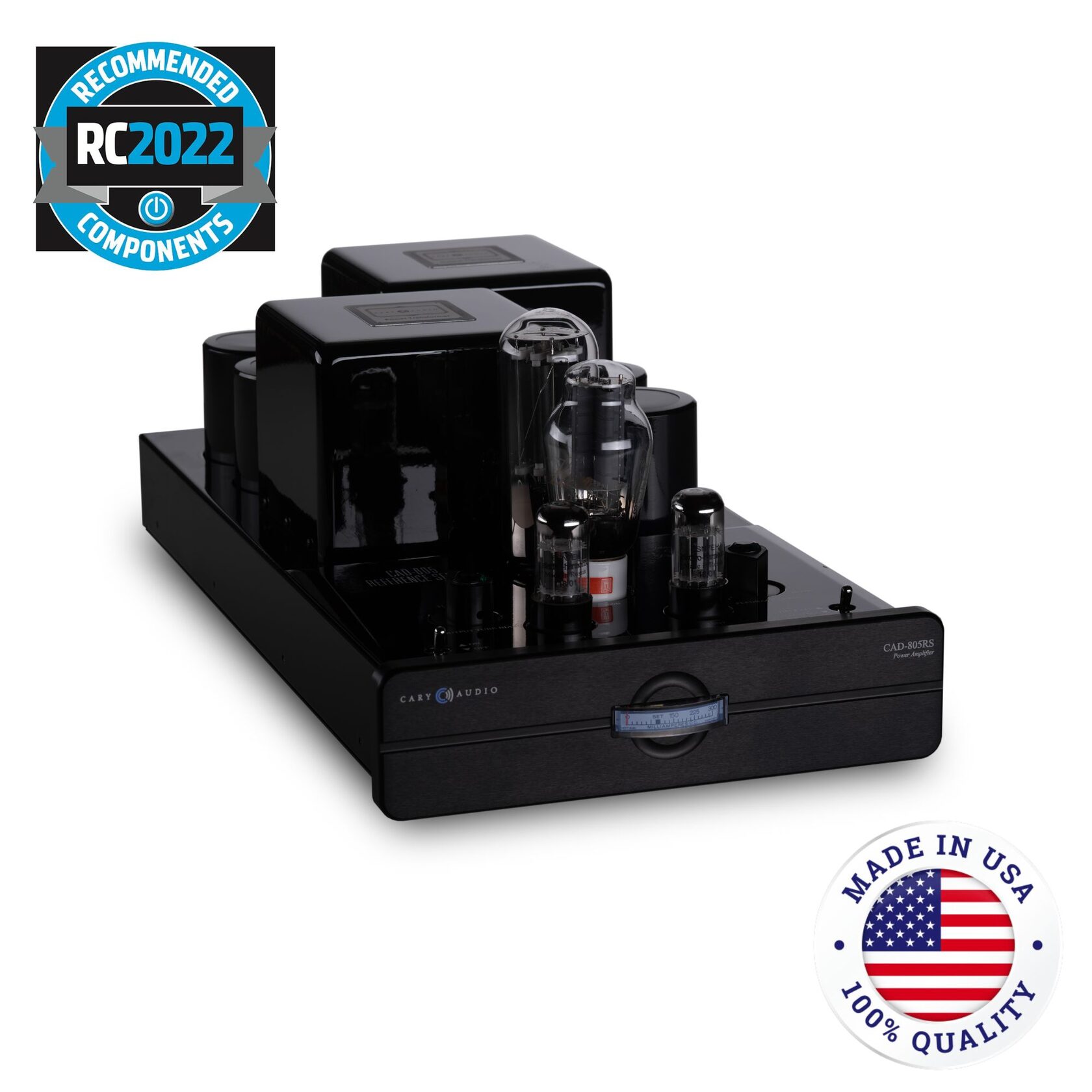
A Cary Audio CAD-805RS makes its 50 watts with a single 845 or 211 output tube glowing per channel and no global negative feedback loop to speak of. A Chord Electronics Ultima 2 makes 750 watts with 16 matched MOSFET devices, a dual-feed-forward correction circuit three decades in development, and not a vacuum tube in sight. Both are flagship power amplifiers built to do the same job — turn a preamplifier’s signal into something a pair of speakers can move air with — and neither company would swap its approach for the other’s.
A power amplifier’s job is narrower than people expect: unlike an integrated amplifier, it doesn’t select sources or control volume — a preamplifier upstream handles that — it simply takes a line-level signal and supplies the voltage and current a pair of speakers needs to reproduce it at real-world volume. How an amplifier does that defines its character. Class A designs keep every output device conducting for the entire signal cycle, which is inefficient and generates real heat but keeps distortion low; Class AB designs split the work between output devices for higher efficiency and more available power; single-ended triode (SET) designs use just one output device per channel with little or no feedback, trading raw power for a distinctive harmonic signature. A related figure, damping factor, describes how tightly an amplifier controls a speaker’s woofer once the signal stops — high damping keeps bass tight and controlled, low damping lets a speaker’s own character show through more.
Cary Audio has built its reputation on the first two of those approaches, unusually offering a choice between them in the same amplifier. The CAD-805RS is a pure single-ended Class-A monoblock — recognised by The Absolute Sound as one of the ten most important amplifier designs ever made — that lets an owner swap between 845 and 211 output tubes for a warmer or a more linear balance. The flagship CAD-211FE monoblock pairs 300B driver tubes with 845 output tubes and a front-panel switch between 70 watts of pure Class A and up to 150 watts in Class AB. The stereo CAD-120S MkII does something similar in a single chassis, switching eight KT88 output tubes between Ultralinear (120 watts per channel) and Triode (60 watts per channel) operation at the press of a button.
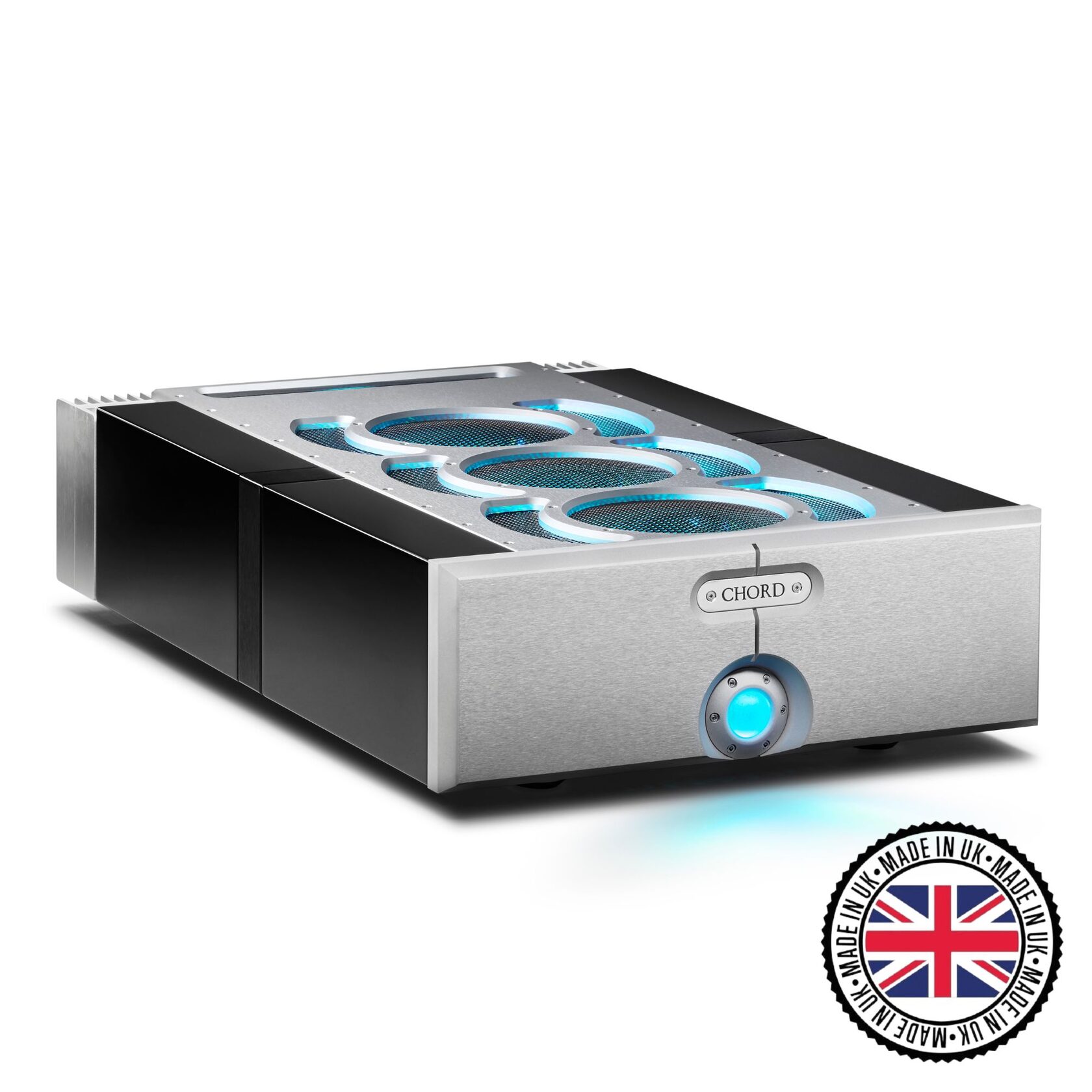
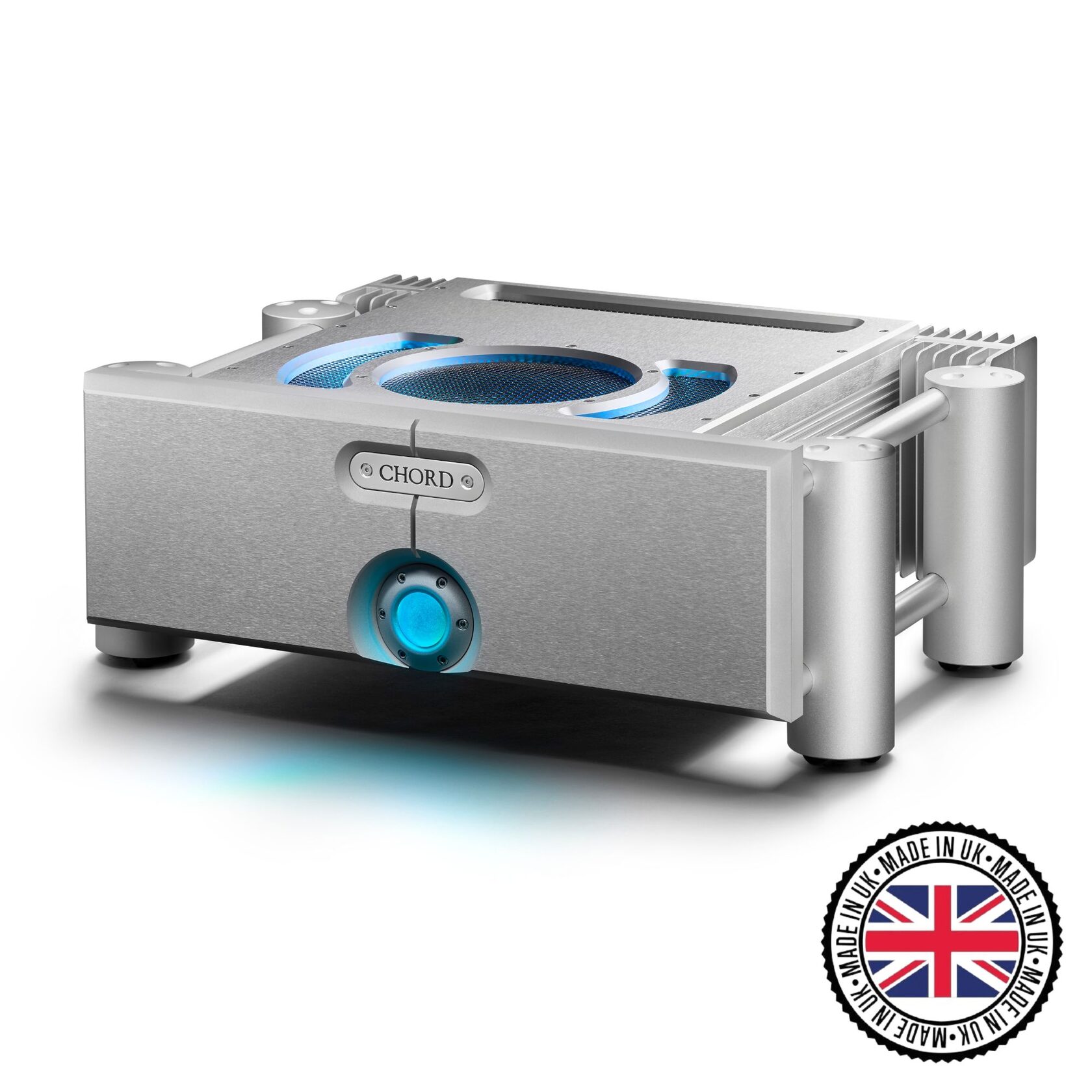
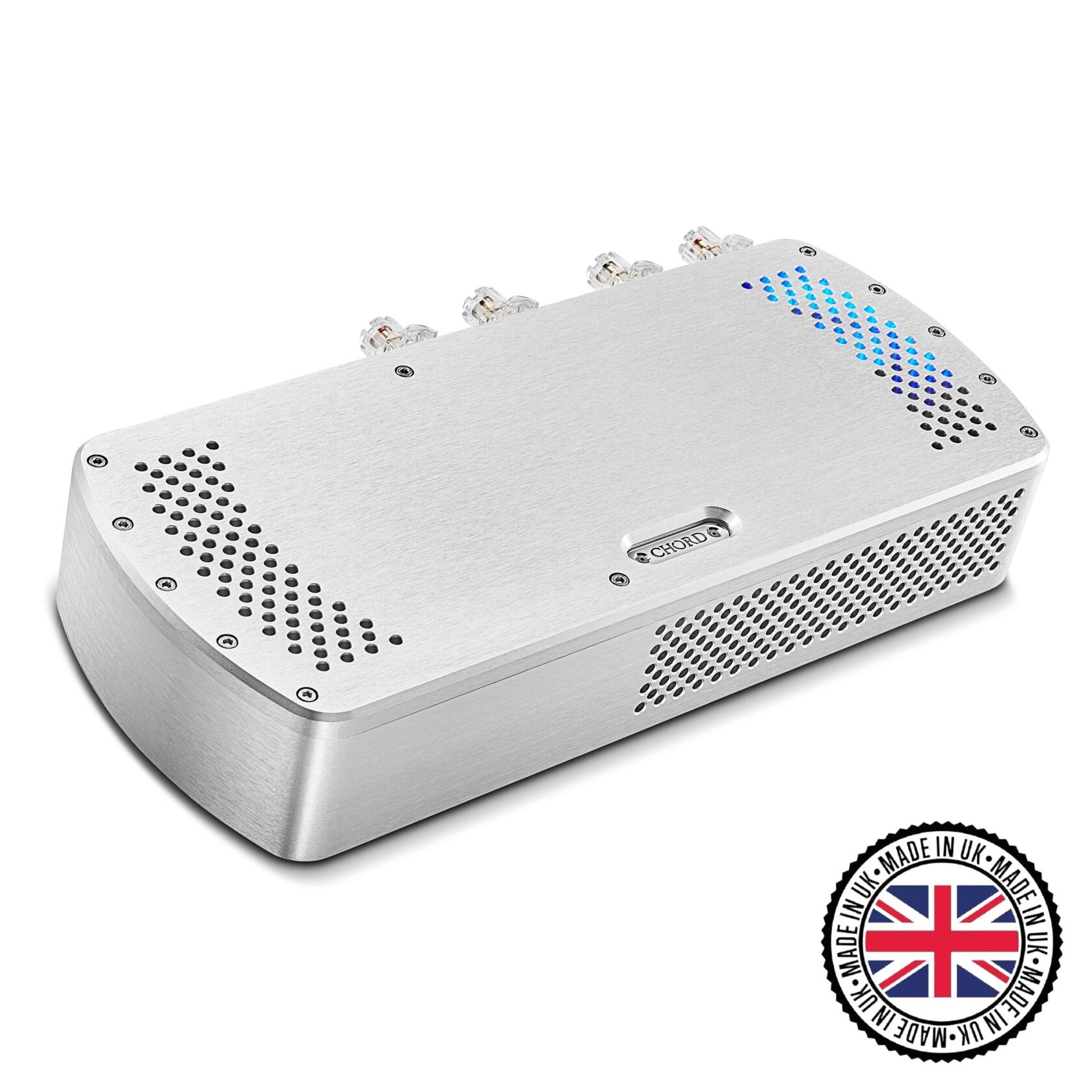
Chord Electronics approaches the same problem from a solid-state, aerospace-engineering background. Its ULTIMA range is built around a dual-feed-forward output topology designed by founder John Franks — the company’s first all-new amplifier circuit in three decades — running through 16 proprietary lateral MOSFET power devices with continuous output-stage error correction, DC-tracking servos and full temperature compensation. The range runs from the 180-watt stereo Ultima 6 and 300-watt Ultima 5 up to the 480-watt Ultima 3 and 750-watt Ultima 2 monoblocks, all built into Chord’s non-resonant, aircraft-grade aluminium casework.
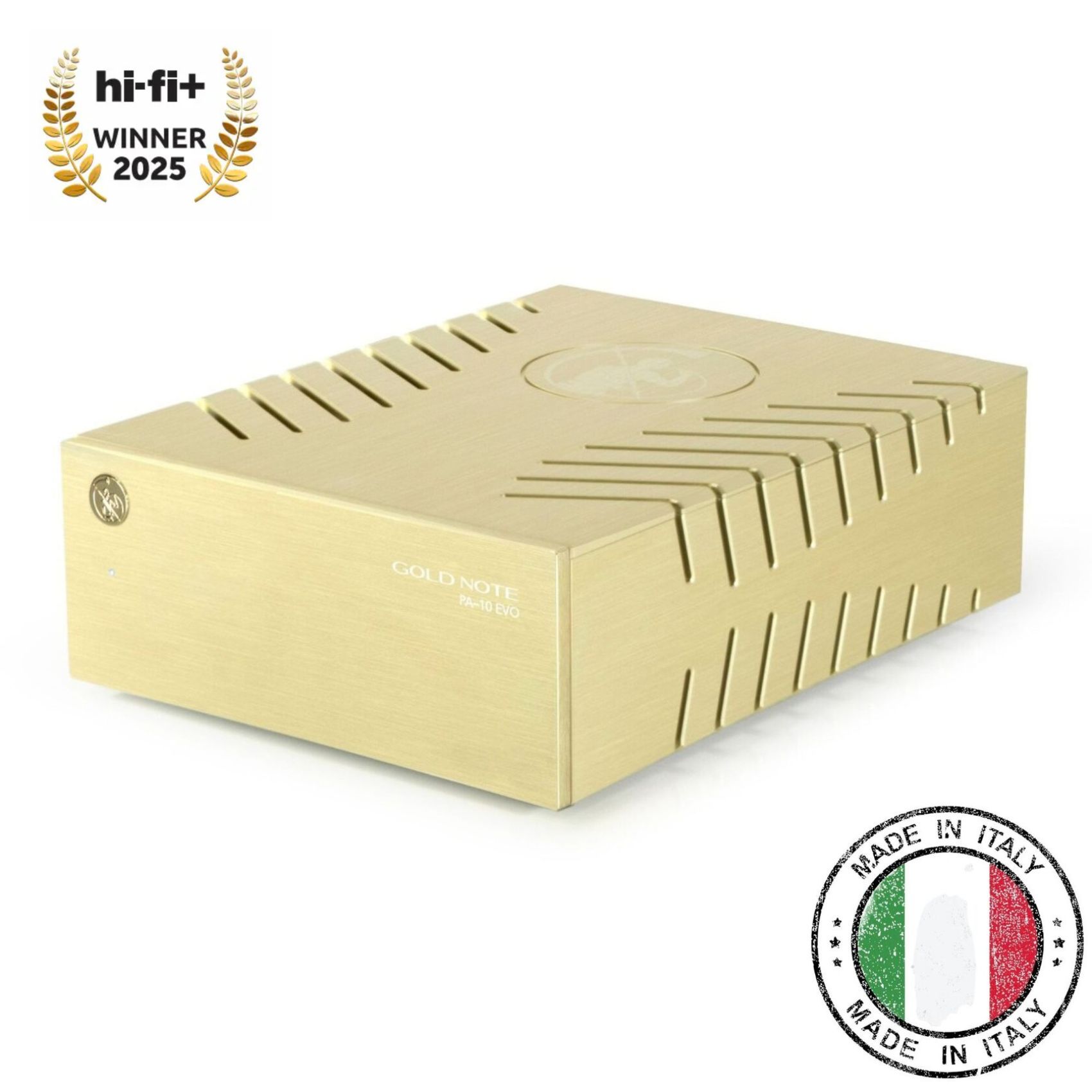
Gold Note takes a more flexible middle path. Its compact PA-10 EVO can run as a conventional stereo amplifier at 140 watts per channel or be switched into a bridged mono configuration for 250 watts into a single speaker, and its damping factor can be switched between a high (250) setting for tight, controlled bass and a low (25) setting that lets more of a speaker’s own tonal character through — a rare case of an amplifier’s fundamental behaviour being left as a listener’s choice rather than a fixed design decision.
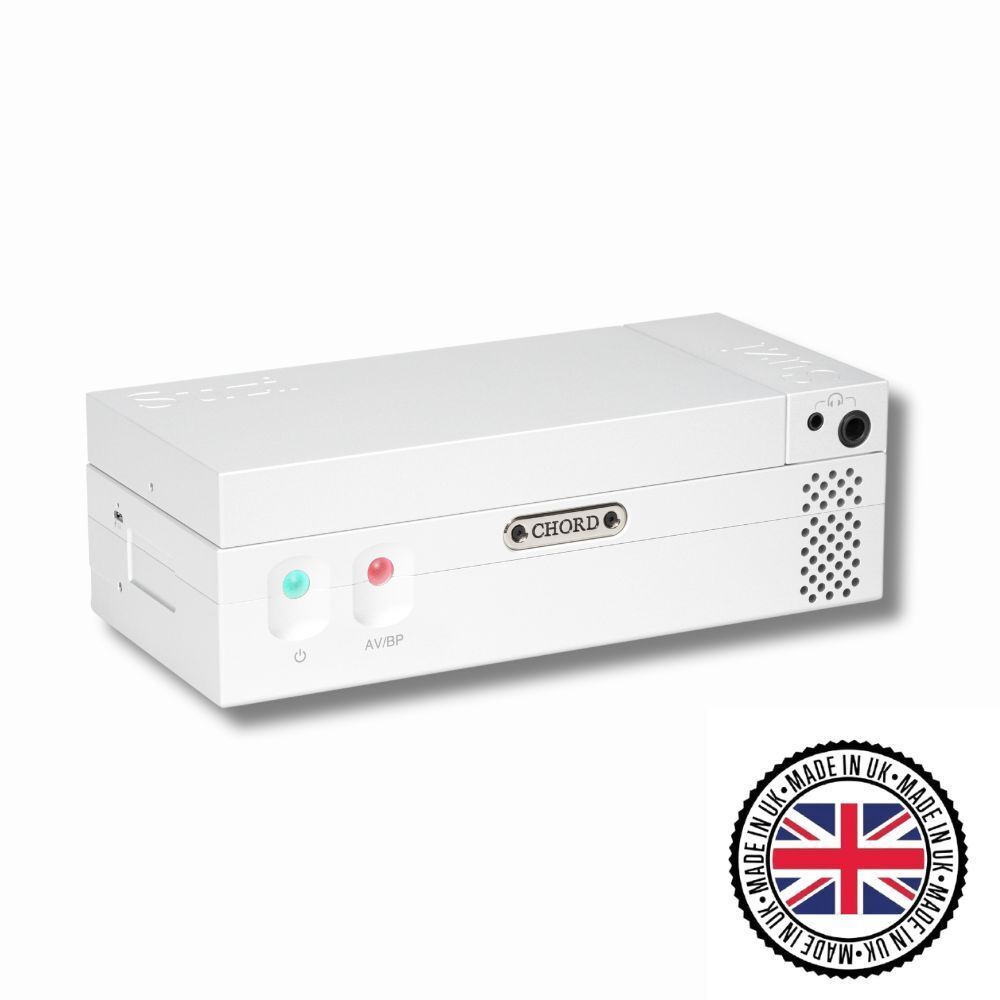
Lehmannaudio takes the opposite view on scale entirely. Its Stamp and Stamp SE are compact stereo power amplifiers delivering around 20 watts per channel into 4 ohms, designed as a desktop companion to the same company’s Linear D preamplifier rather than as a standalone statement of raw power — a reminder that a system built around efficient standmount speakers in a small room rarely needs anywhere near the output the flagship monoblocks above it are built to deliver.
Decide the actual power a system needs before comparing spec sheets, then decide which philosophy matters more: tube warmth with the flexibility to roll output tubes, solid-state precision engineering, switchable behaviour that adapts to the room, or a compact amplifier sized to match modest speakers rather than exceed them.
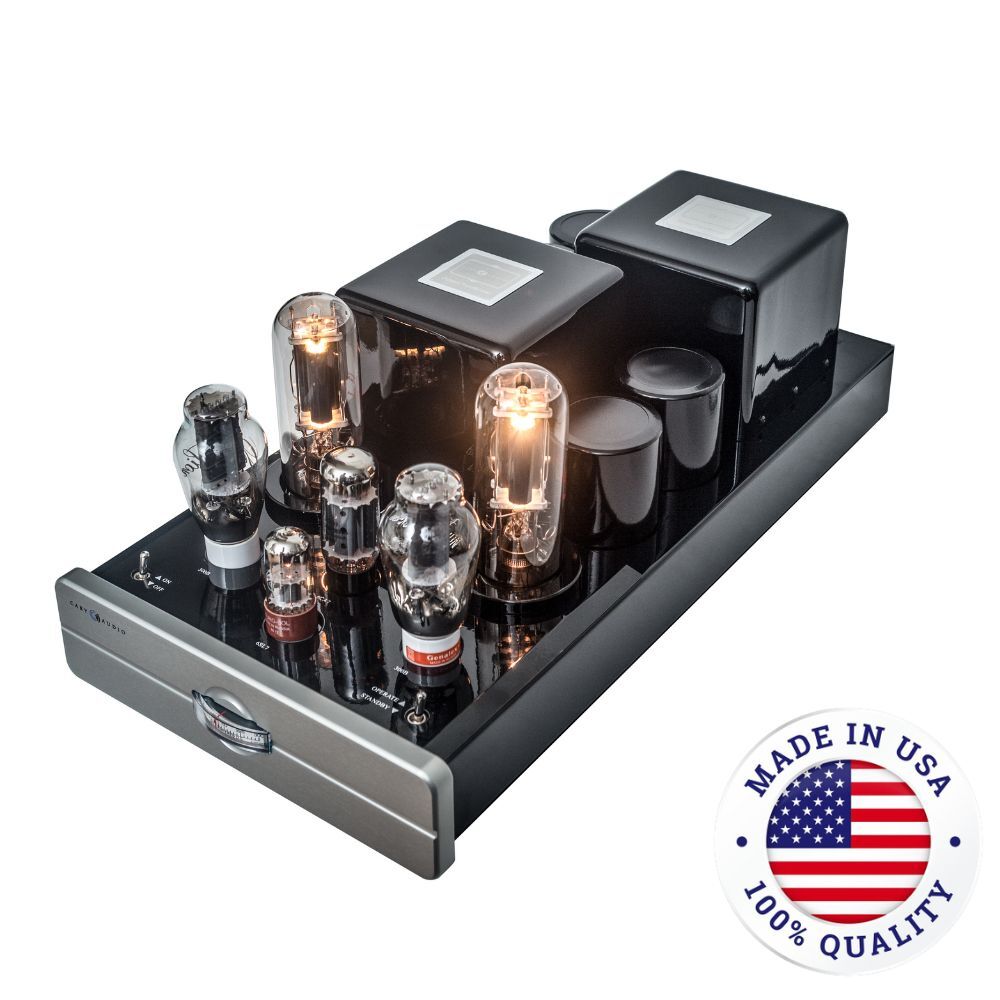
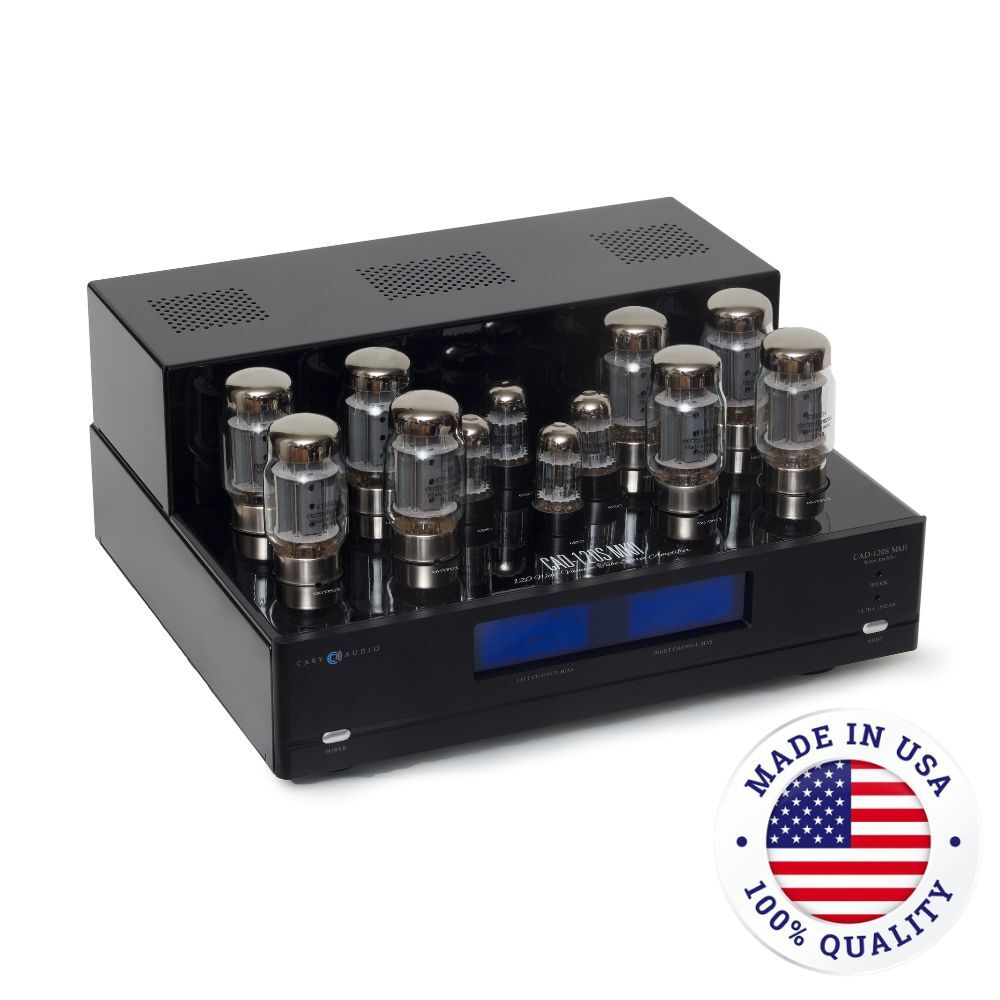
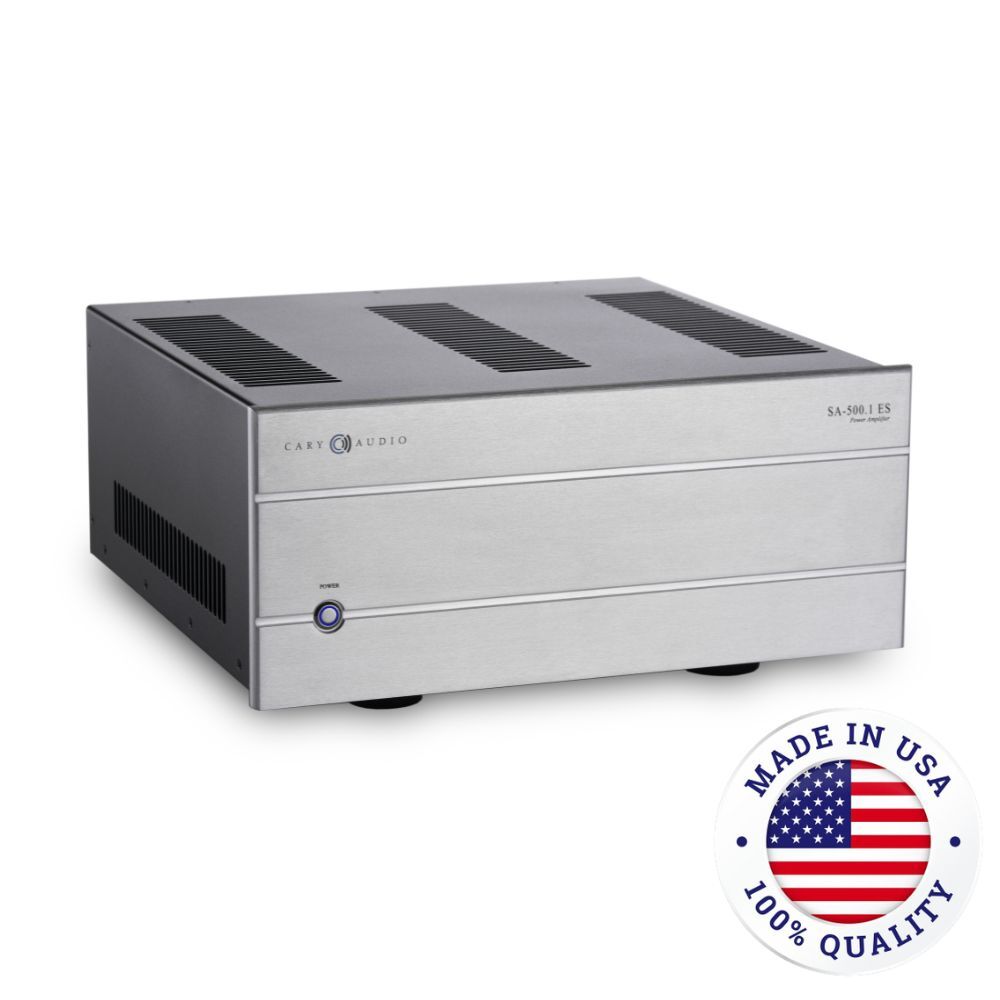
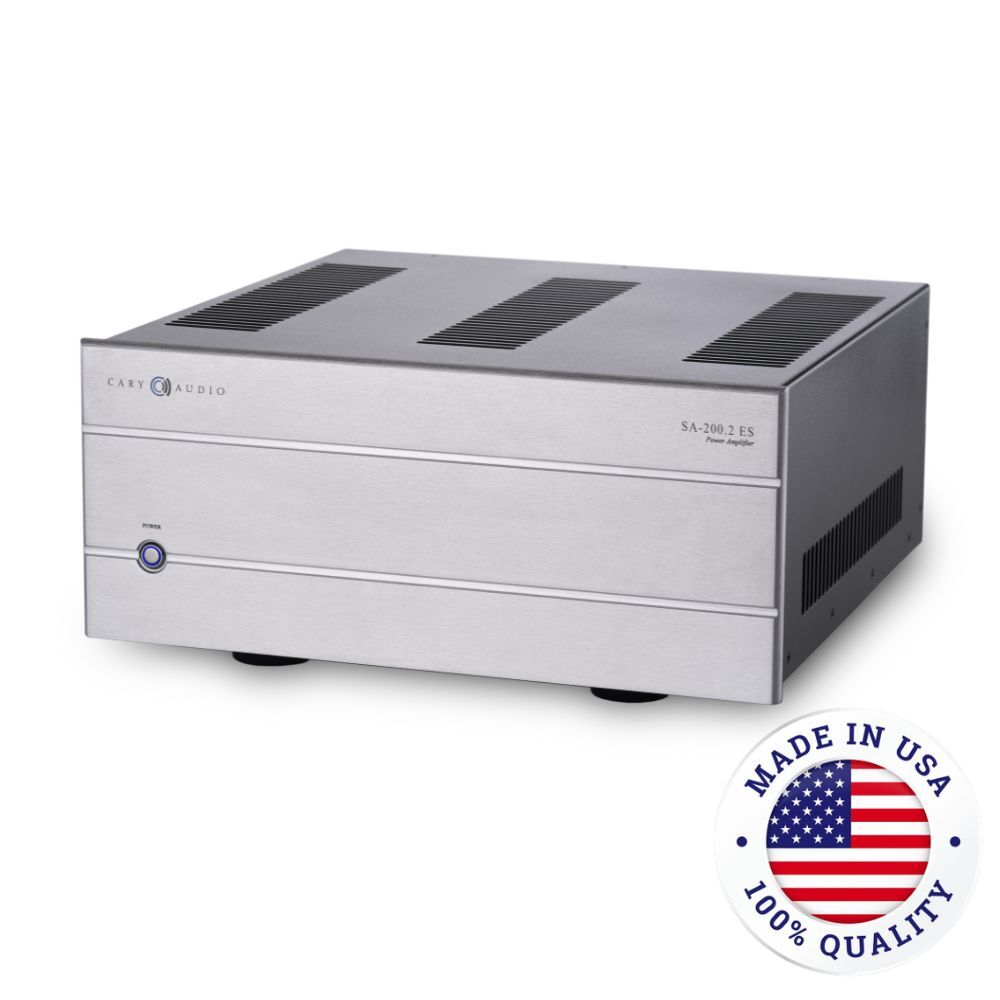


A power amplifier is a component that takes a line-level signal from a preamplifier and supplies the voltage and current needed to drive a pair of loudspeakers, without selecting sources or controlling volume itself. Amplifier designs differ mainly by output stage topology — Class A, Class AB, and single-ended triode (SET) tube circuits each trade off efficiency, power output and distortion characteristics differently — and by damping factor, which determines how tightly an amplifier controls a speaker’s driver once a signal stops.
Class A keeps every output device conducting through the full signal cycle for low distortion at the cost of efficiency and heat. Class AB splits the work between devices for higher efficiency and more available power. Single-ended triode (SET) designs use one output device per channel with little or no feedback, trading power for a distinctive tonal character.
Damping factor describes how tightly an amplifier controls a speaker’s woofer once a signal stops. A higher damping factor keeps bass tight and controlled; a lower one lets more of the speaker’s own character come through. Only a handful of amplifiers, such as Gold Note’s PA-10 EVO, let you switch between the two.
Some can, through a process called bridging, which combines both channels to drive a single speaker at higher output. Gold Note’s PA-10 EVO supports this directly, switching between 140 watts per channel in stereo and 250 watts in bridged mono.
Not necessarily. An integrated amplifier combines a preamplifier and power amplifier in one chassis. A separate power amplifier becomes relevant when a system needs more output than an integrated can supply, or when a preamplifier and power amplifier from different design philosophies are deliberately paired.
© 2026 MGY Europe. All rights reserved.


