The answer sits inside a small, unglamorous chip: the digital-to-analog converter.
Every digital recording — a streamed track, a CD, a hi-res file — exists as a string of numbers. Before that data can move a speaker cone or a headphone driver, it has to become a continuous, fluctuating voltage. That conversion isn’t a formality. It’s where timing errors (jitter), rounding artefacts, and noise are either suppressed or permanently baked into the sound.
This is a decades-old engineering problem. Early 1980s CD players used simple resistor-ladder conversion, prone to measurable distortion. Delta-sigma and oversampling designs improved accuracy through the 1990s and 2000s, and today’s most respected converters push further still.
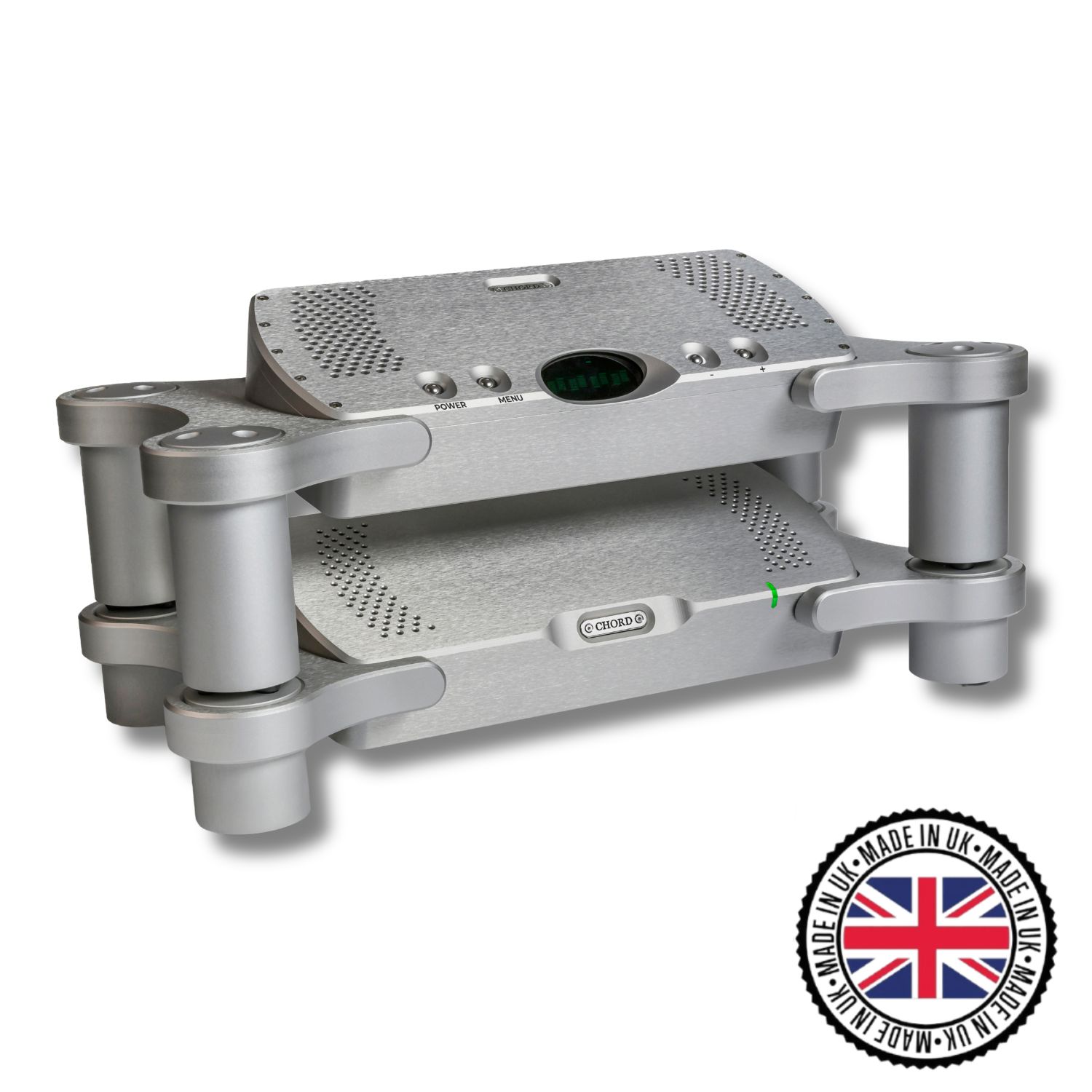
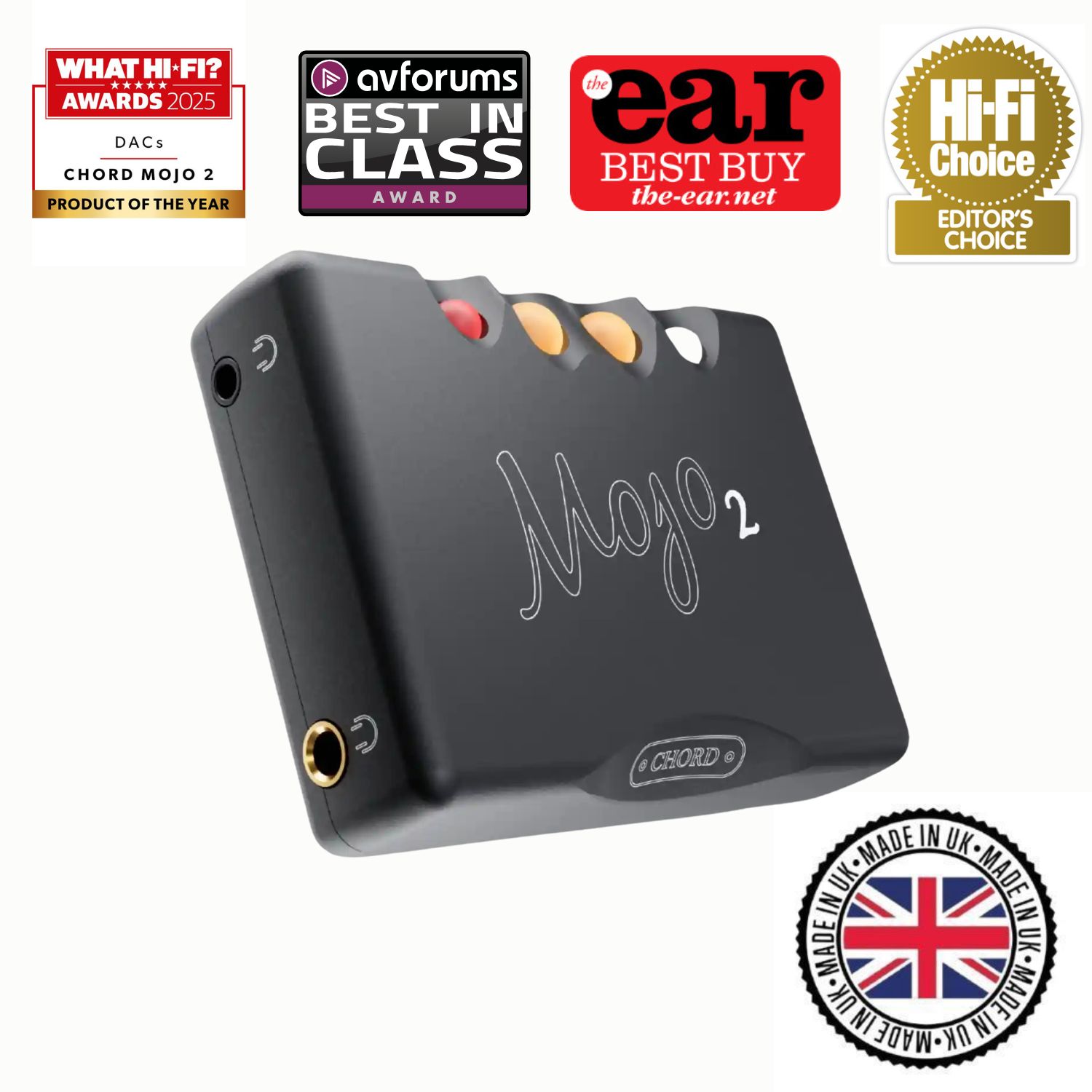
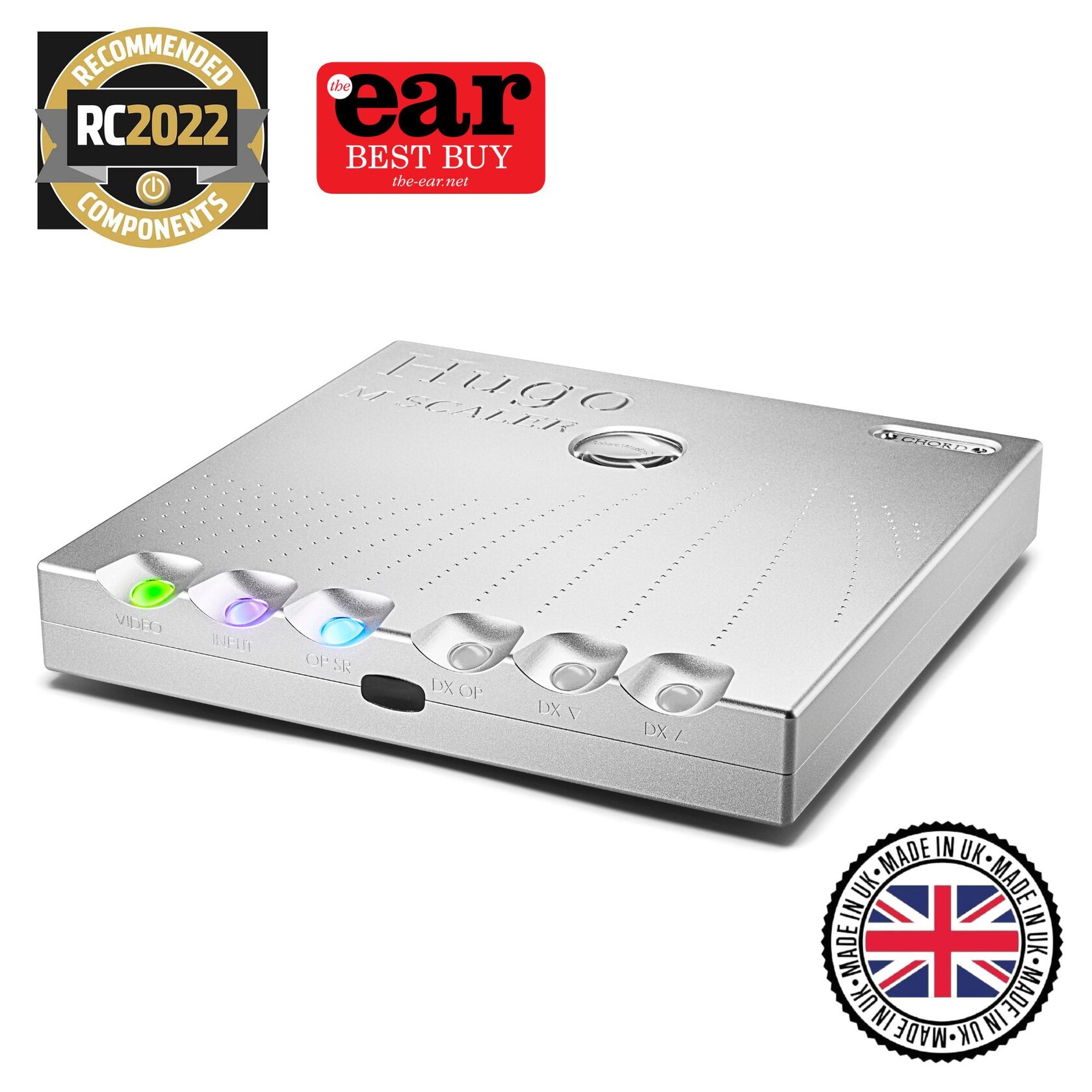
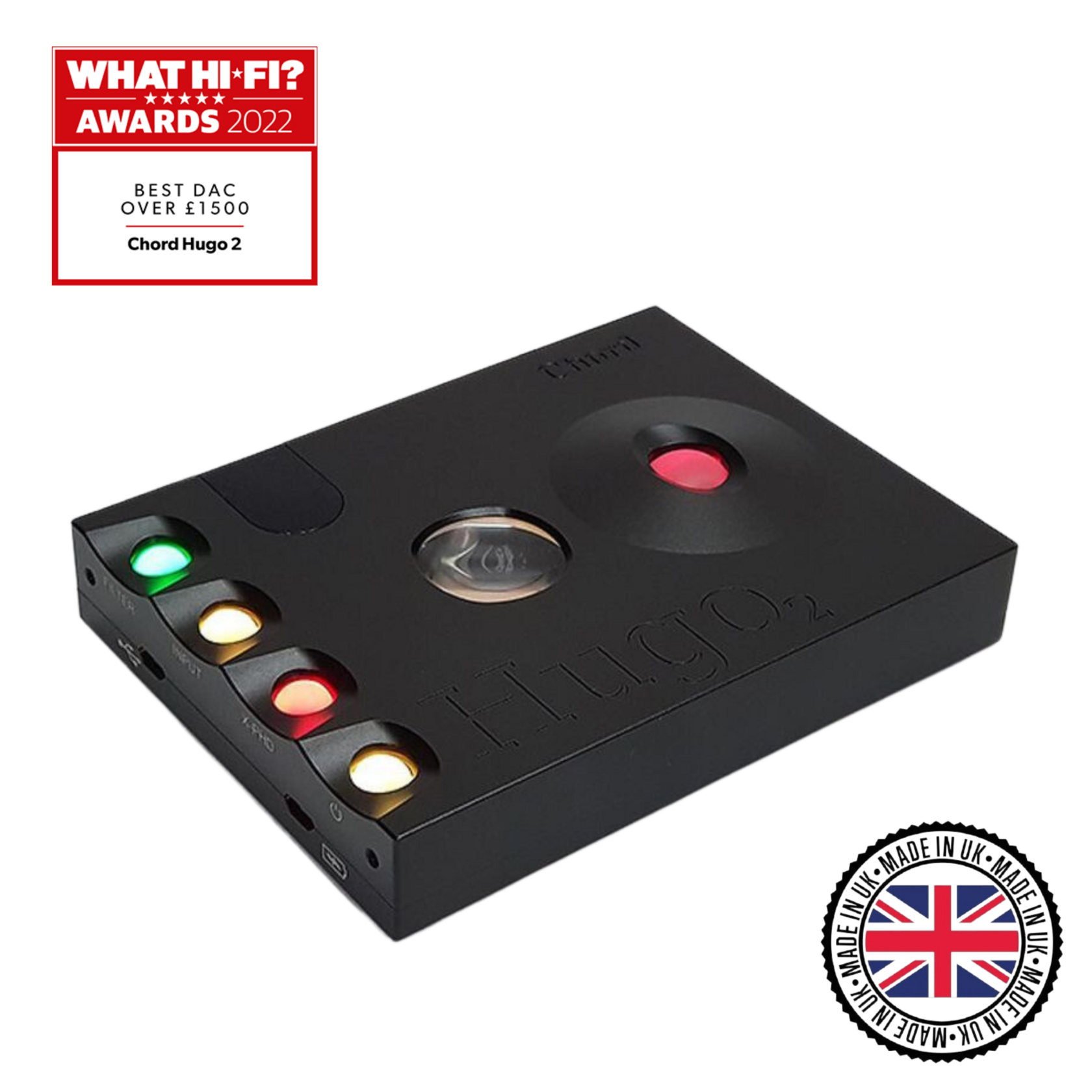
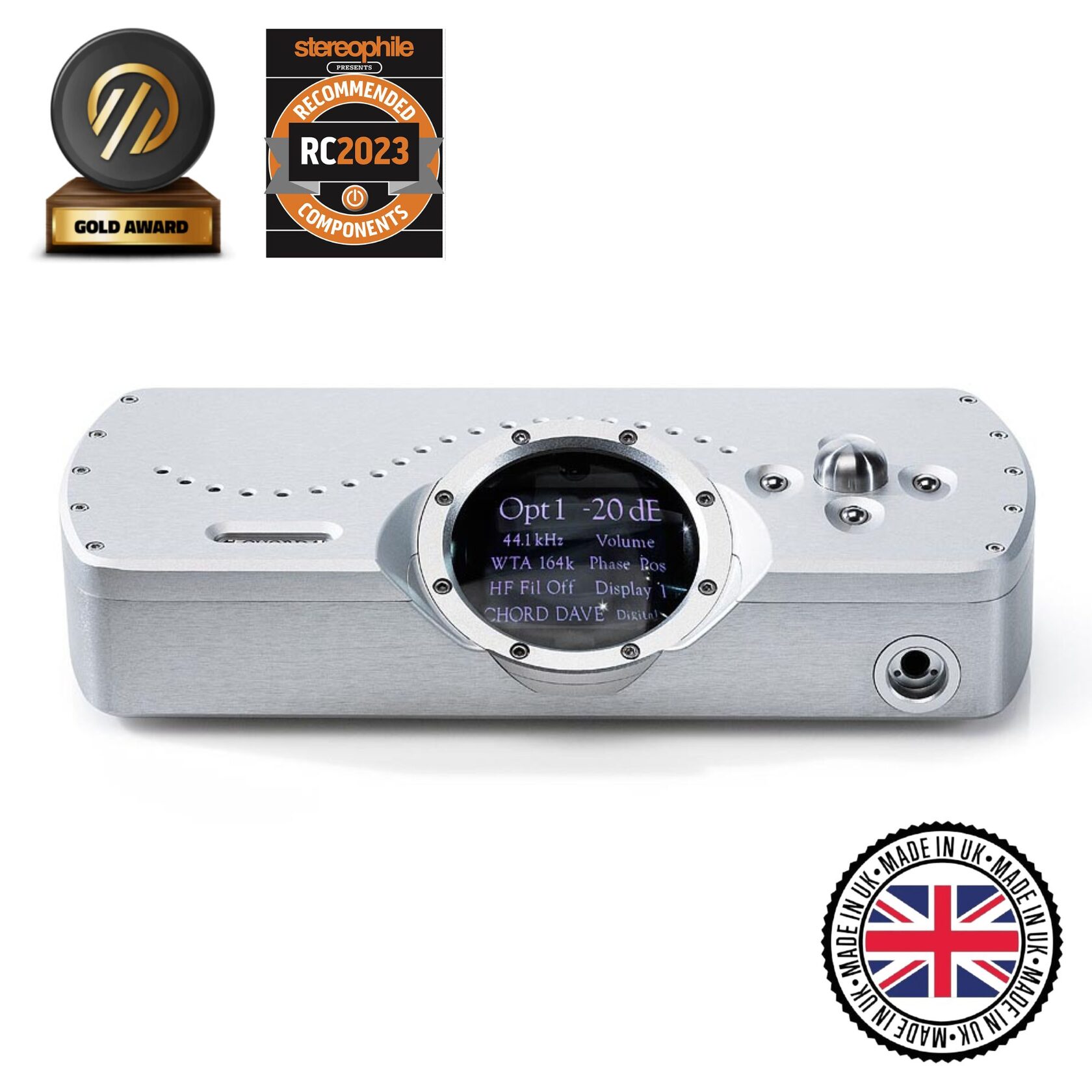
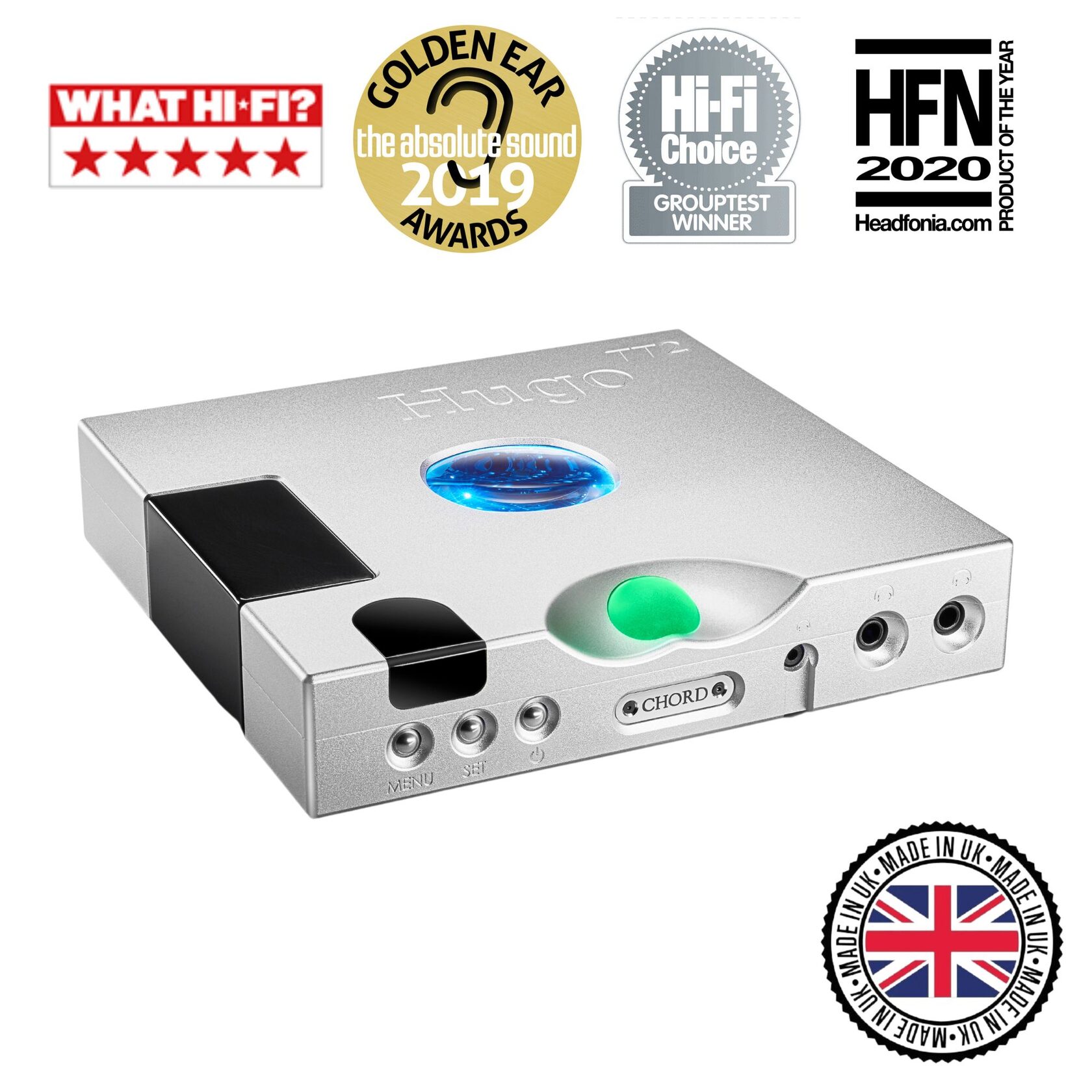
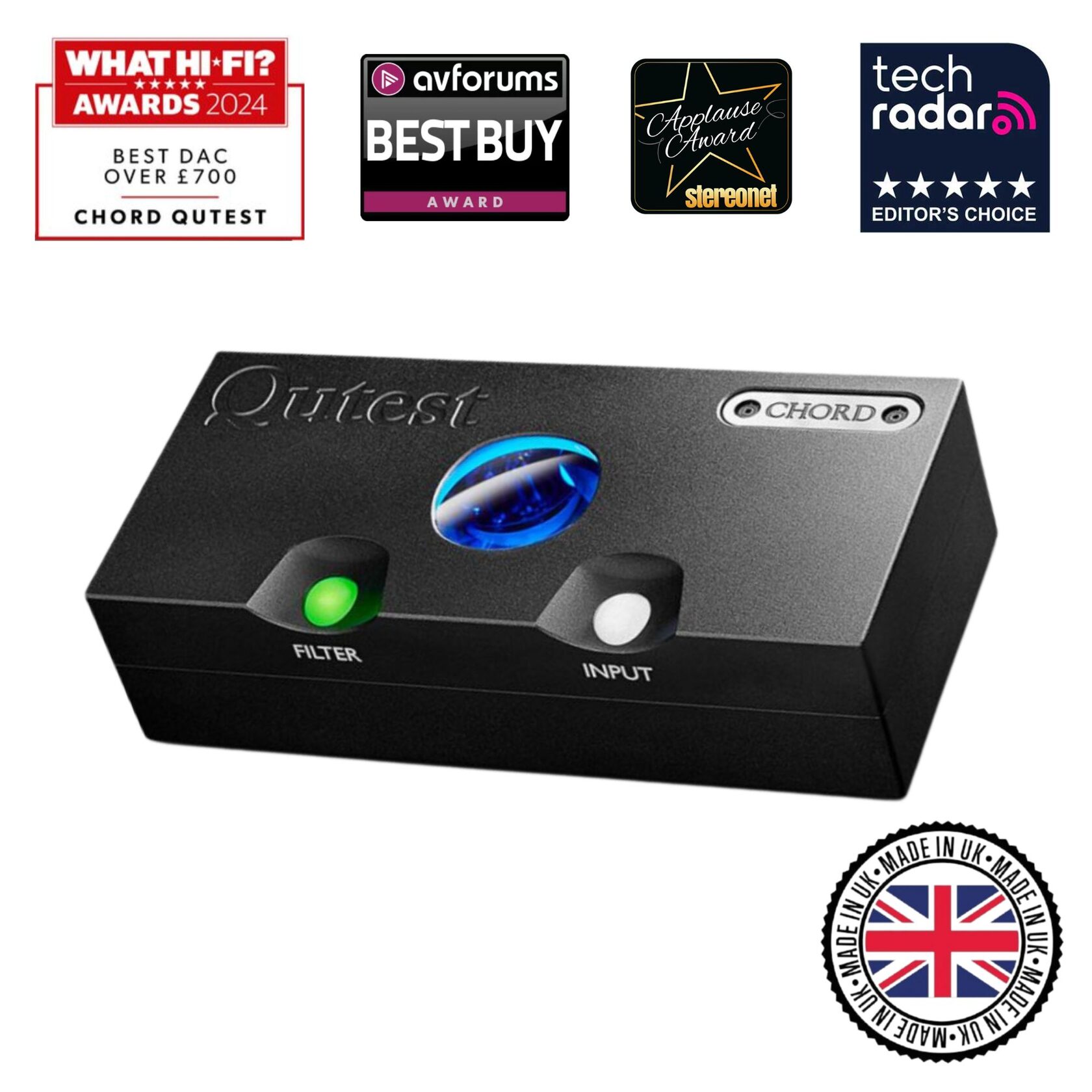
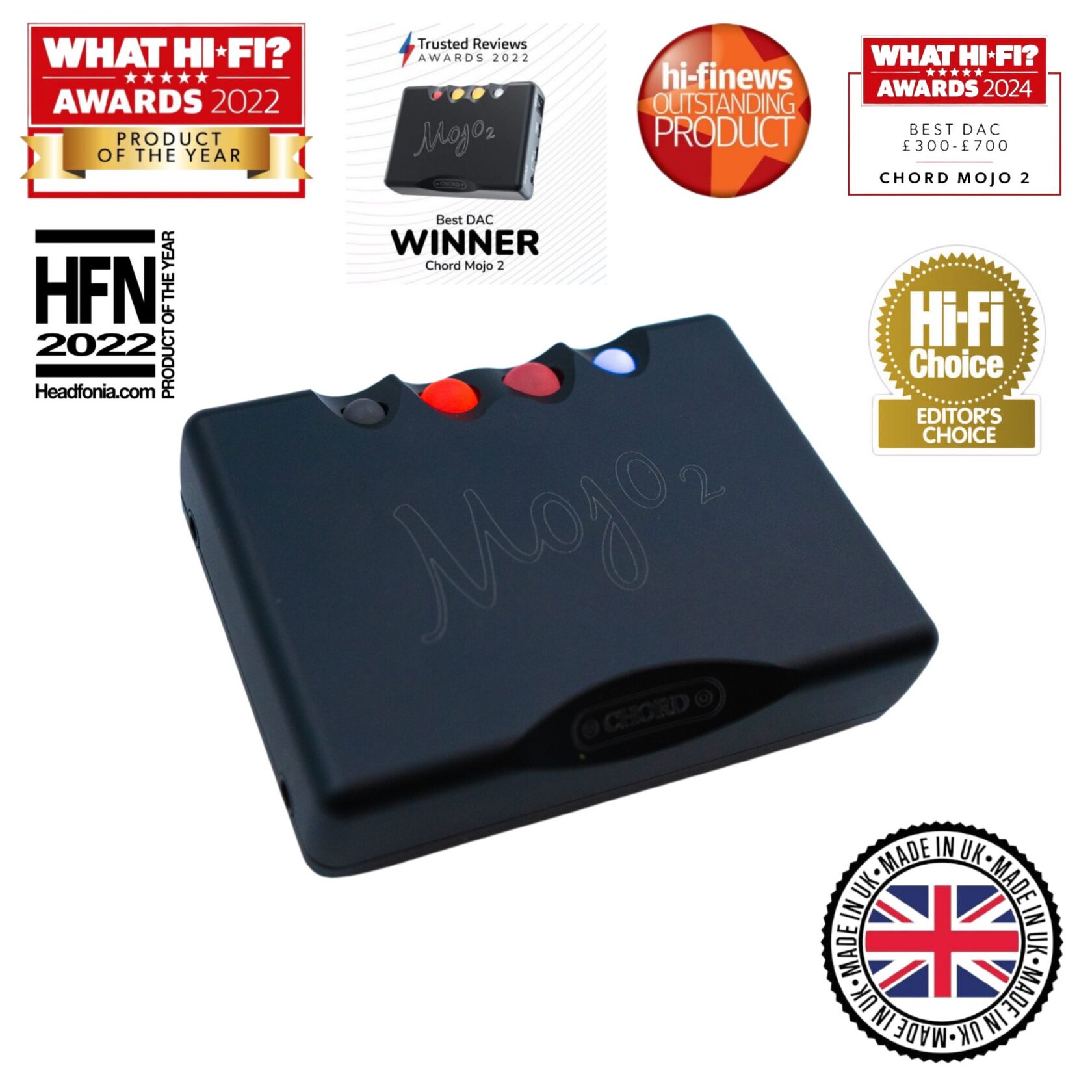
Chord Electronics builds its own FPGA-based digital filters in-house rather than using off-the-shelf conversion chips — an approach that runs from the pocket-sized Mojo 2 up to the reference-grade DAVE.
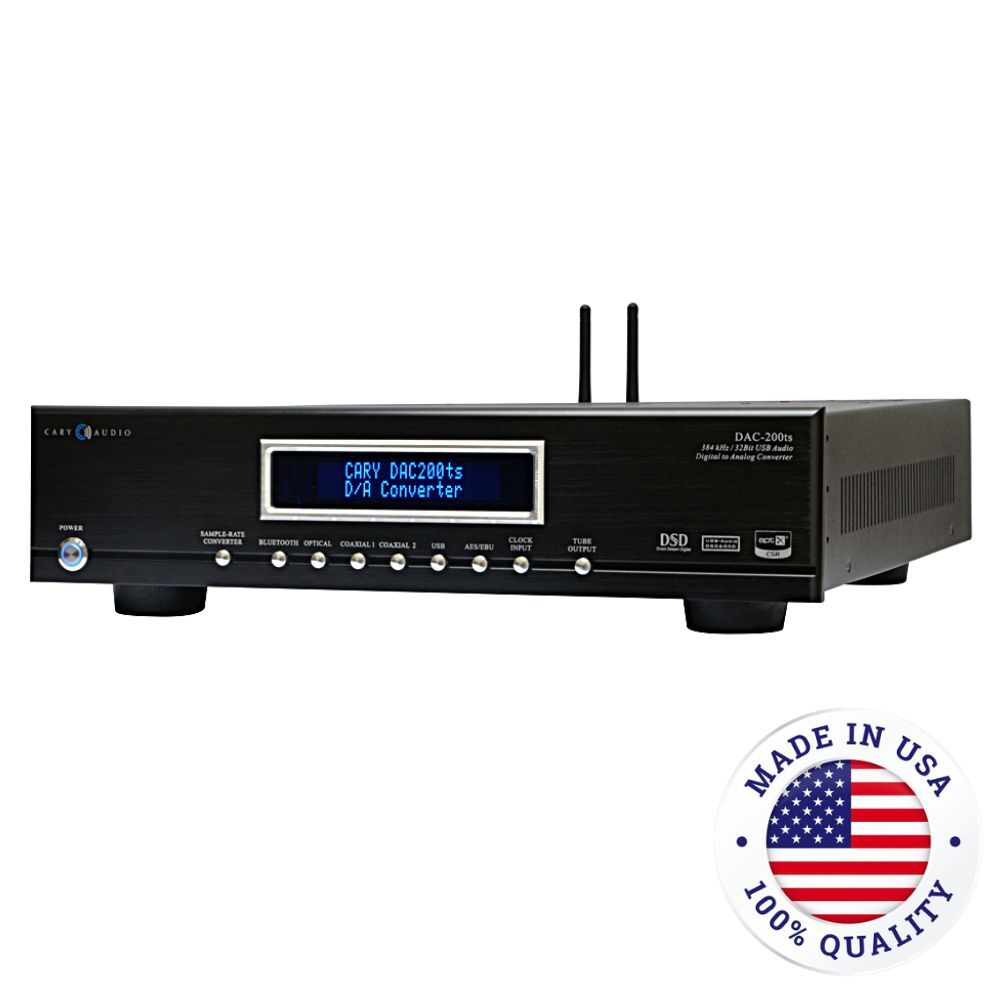
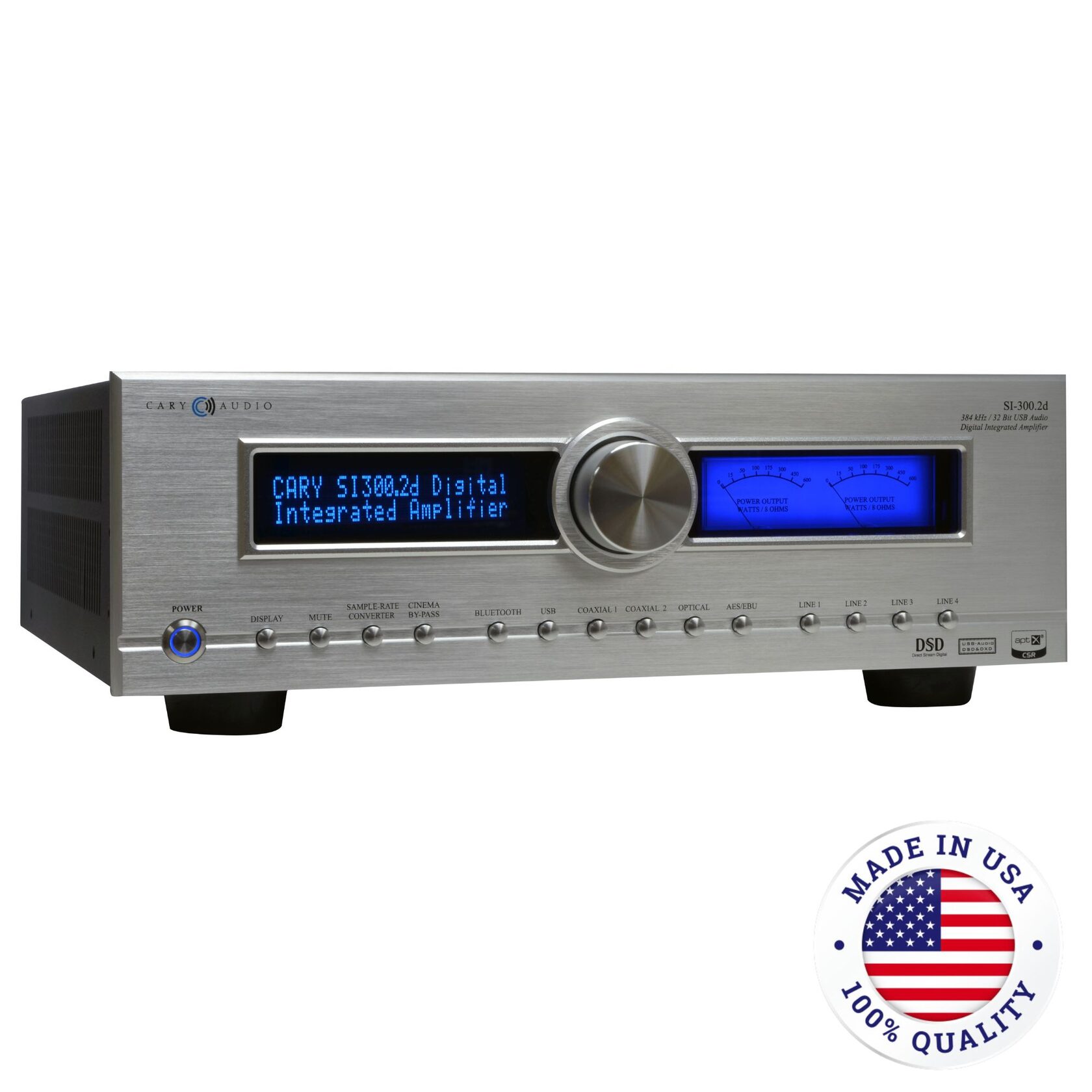
Cary Audio takes a different route, pairing conversion stages with tube or hybrid output circuits for a warmer analogue character.
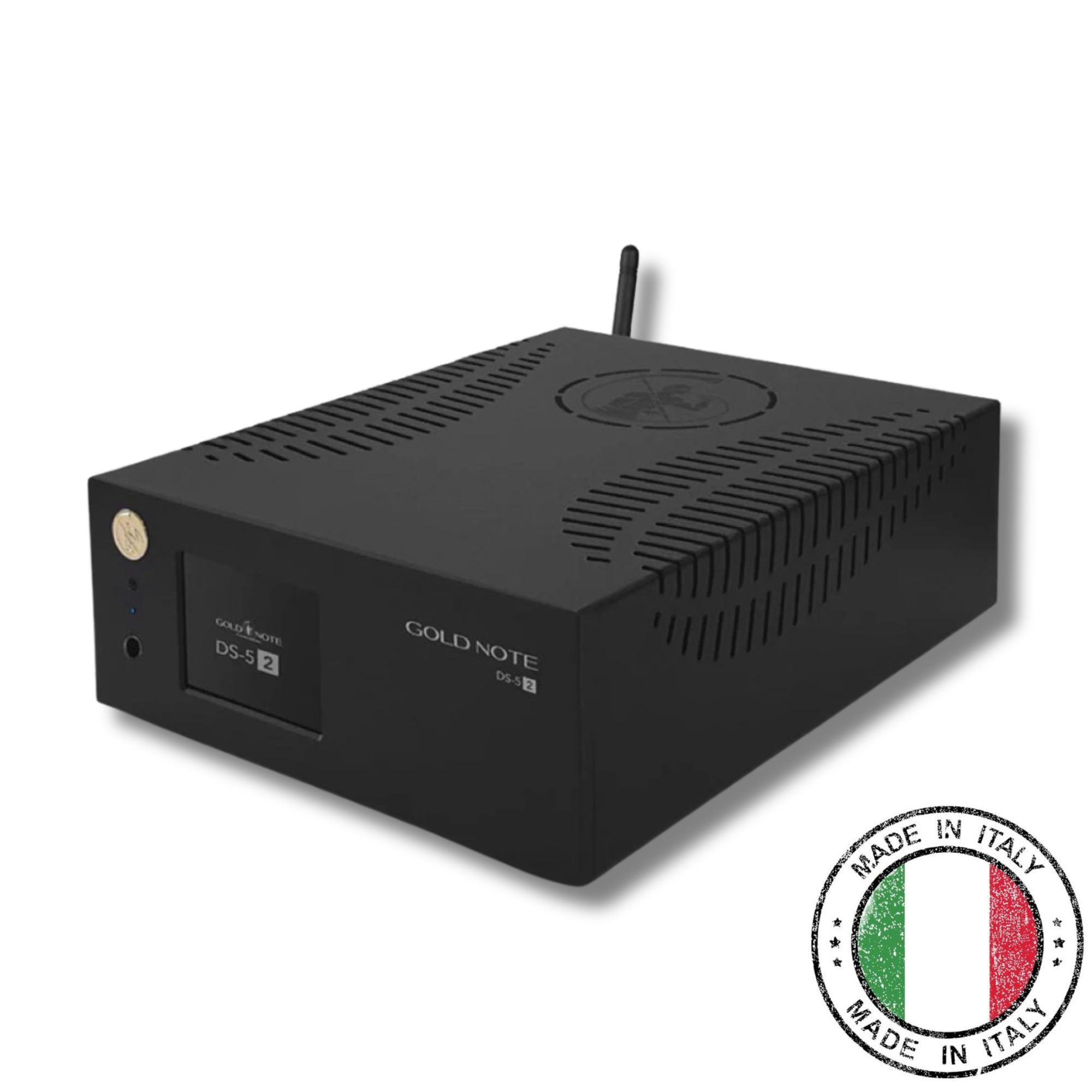
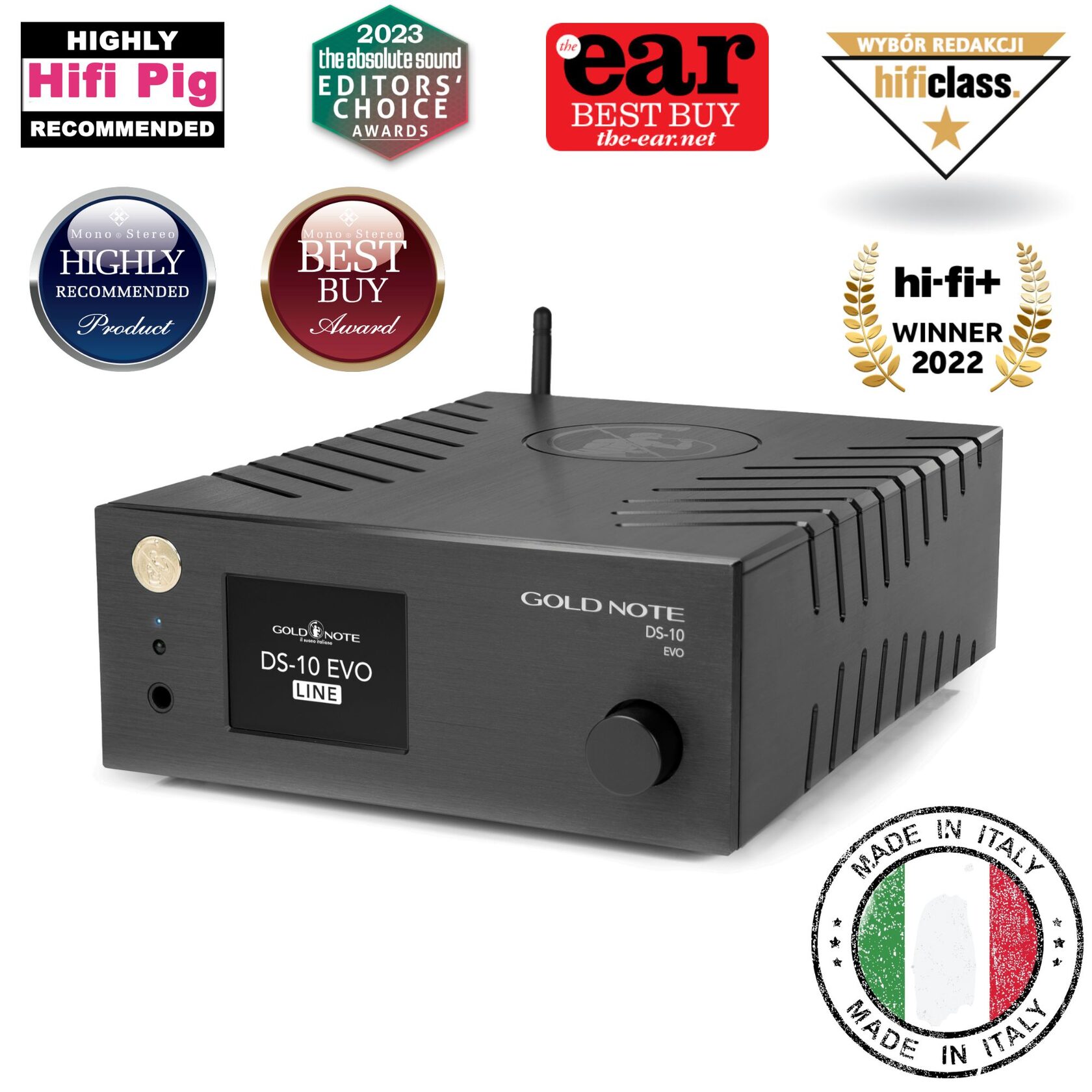
Increasingly, conversion and network streaming are merging into one box: Gold Note’s DS series (DS-10 EVO, DS-1000 EVO, DS-5.2) builds a network streamer directly around its DAC stage, so a single Italian-made unit replaces both a separate transport and converter. If that’s the direction you’re heading, our Streaming DAC range covers it in depth.
A good DAC doesn’t add anything to a recording — its job is to remove as little as possible. Below, you’ll find portable headphone DACs, desktop converters, and reference-level upscalers, so you can match the converter to your system rather than the other way around.