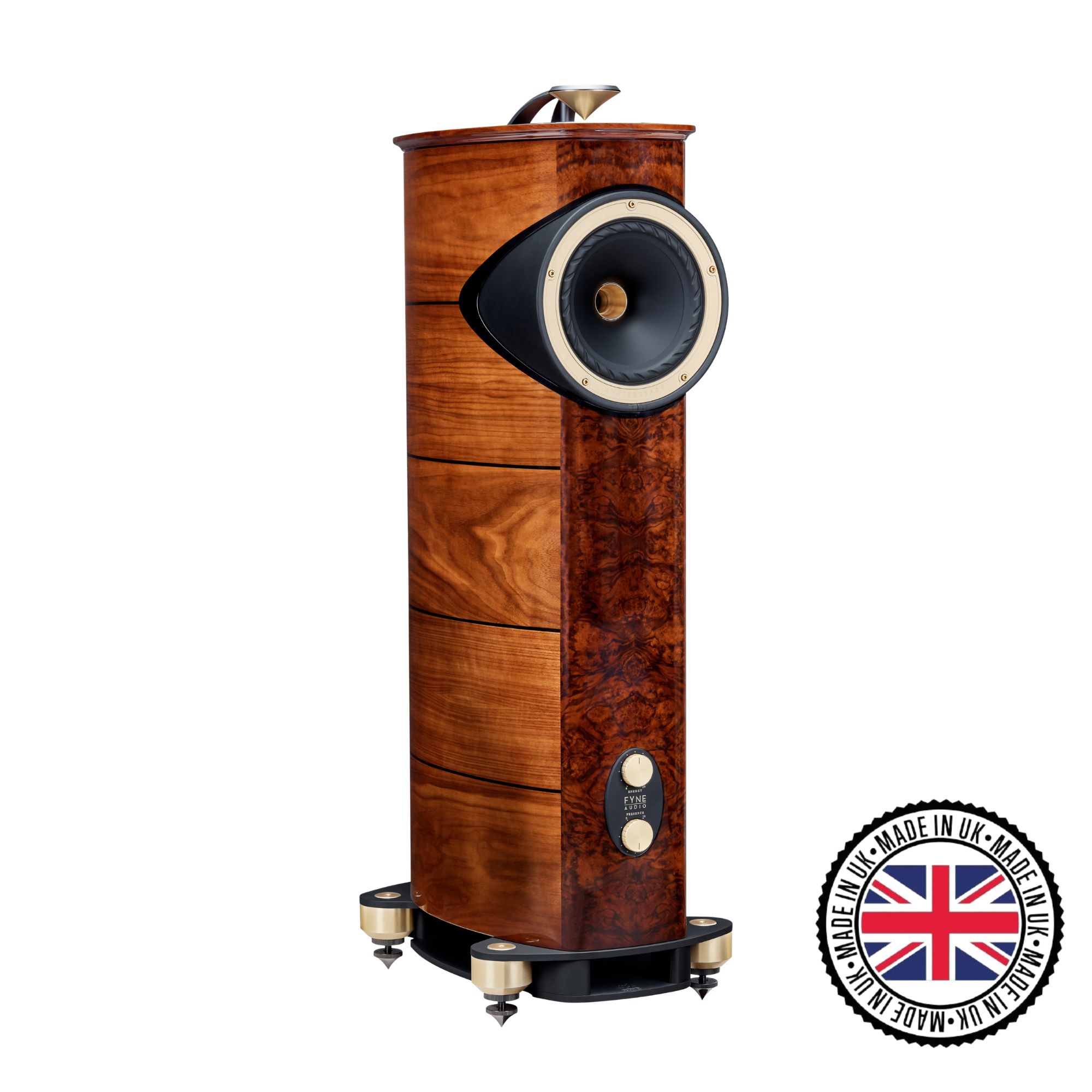
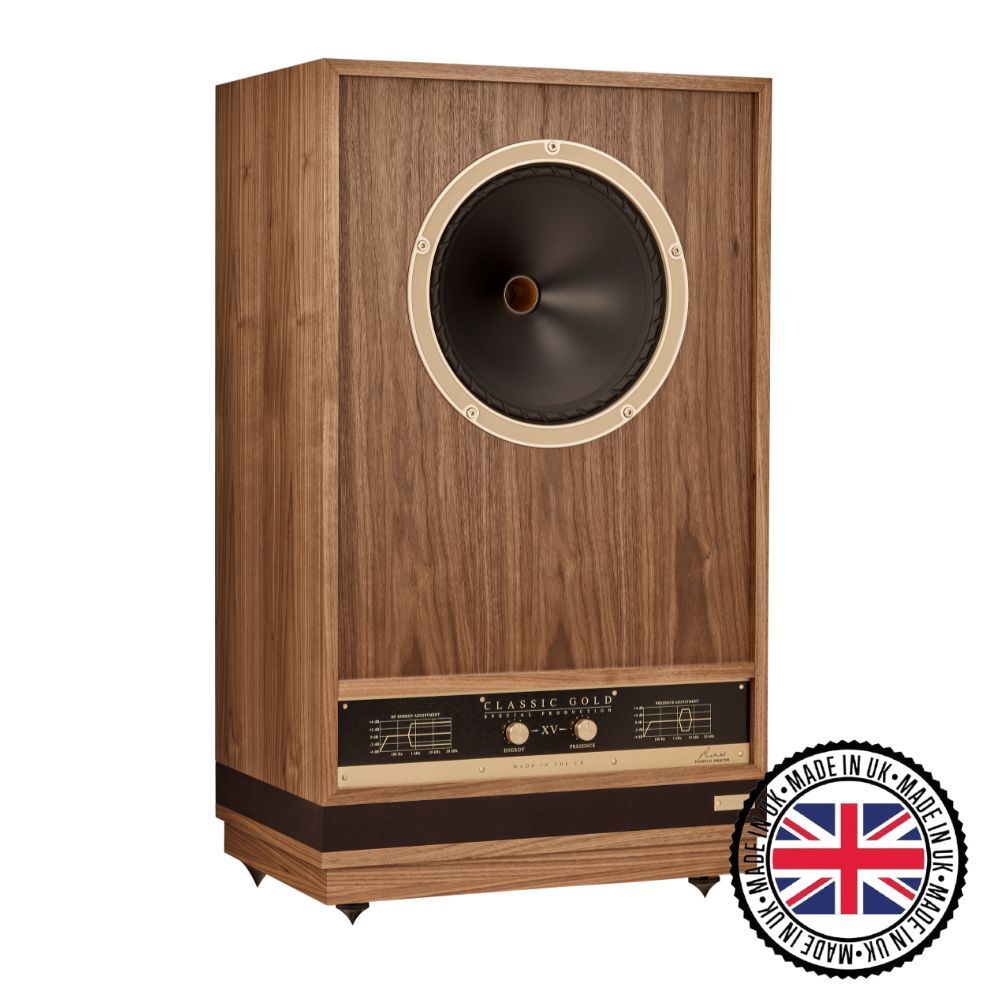
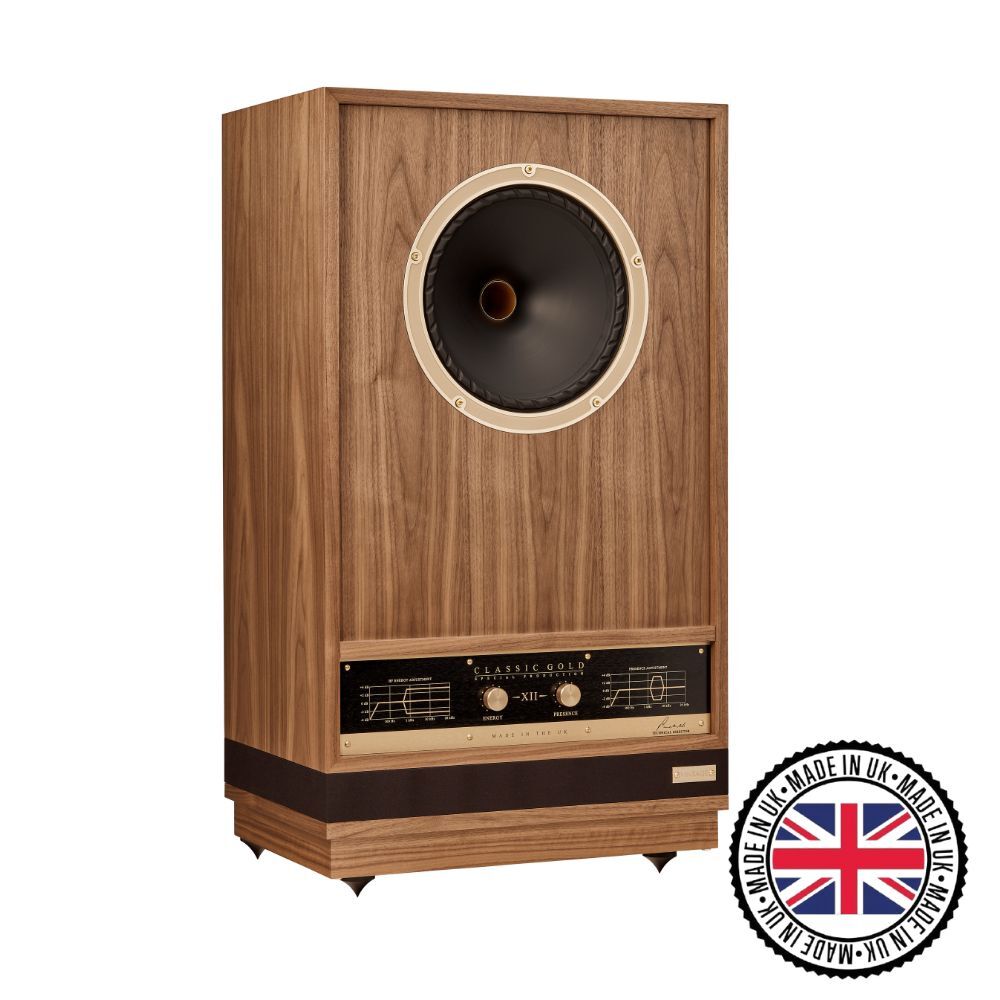
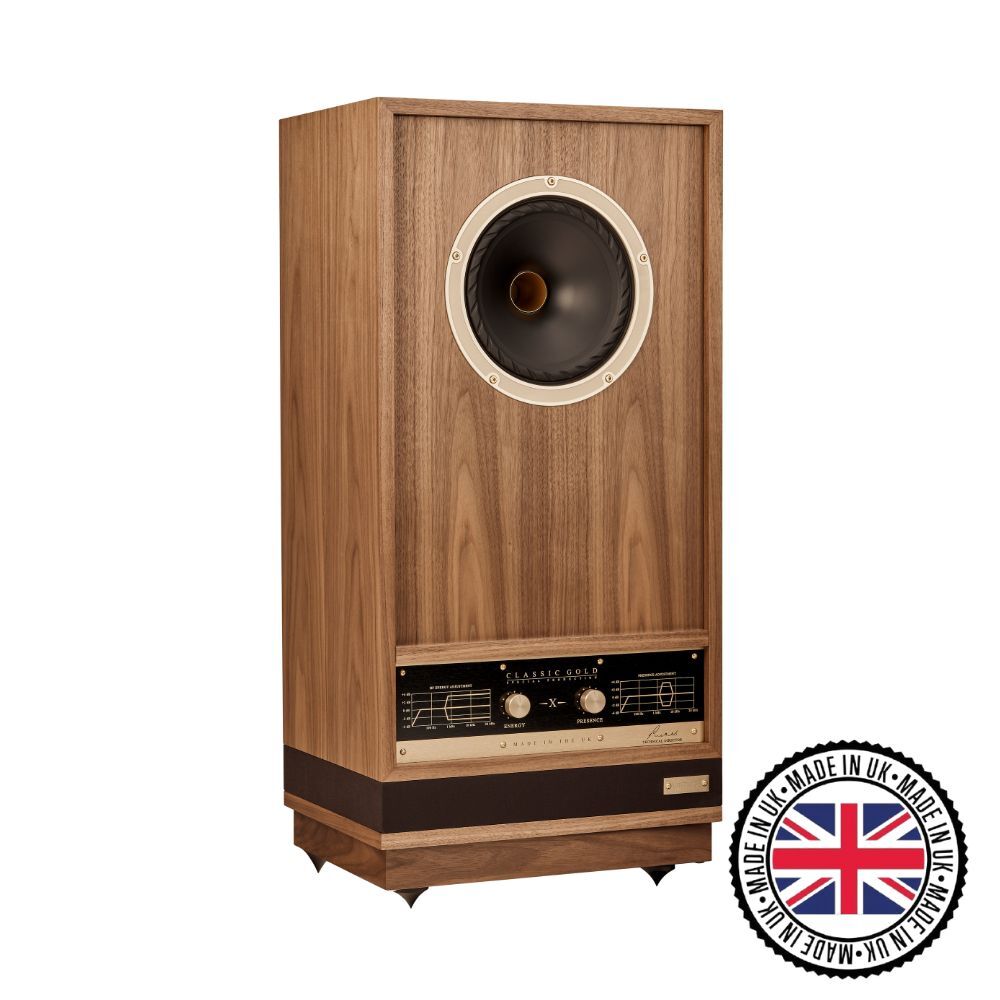
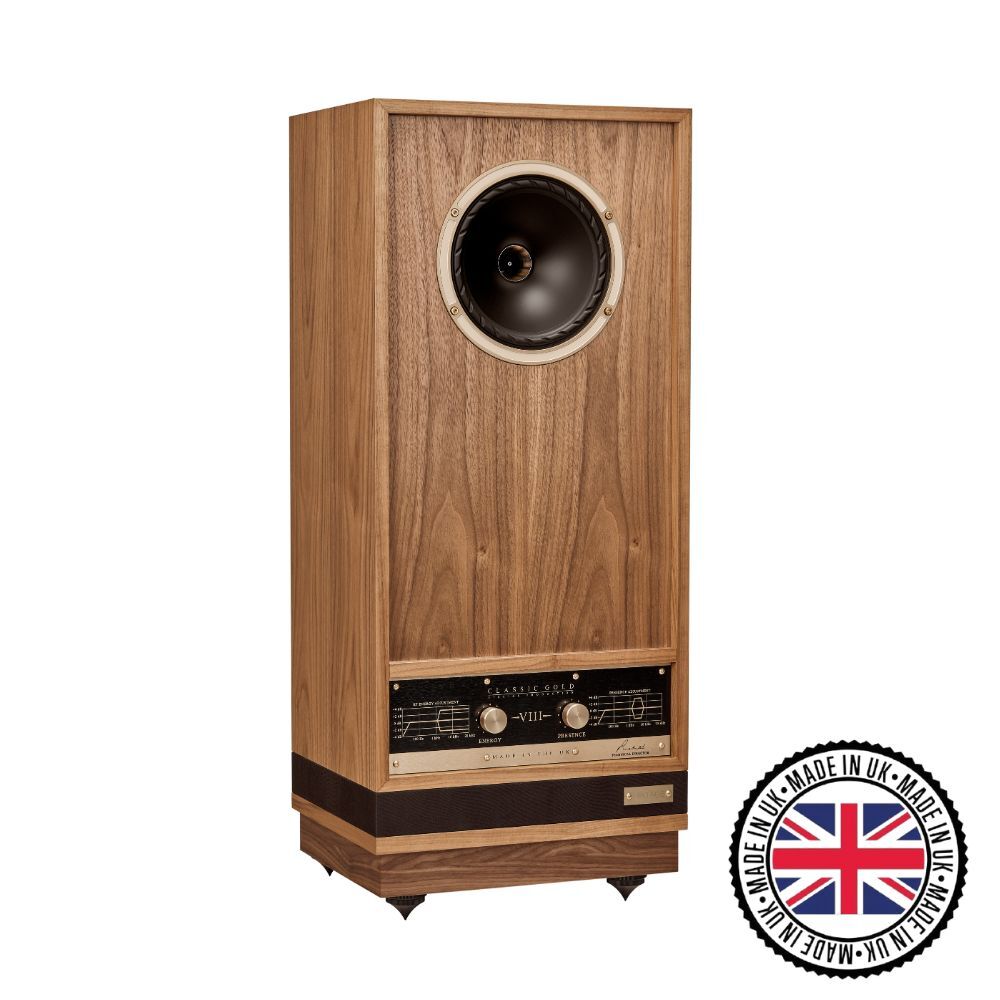
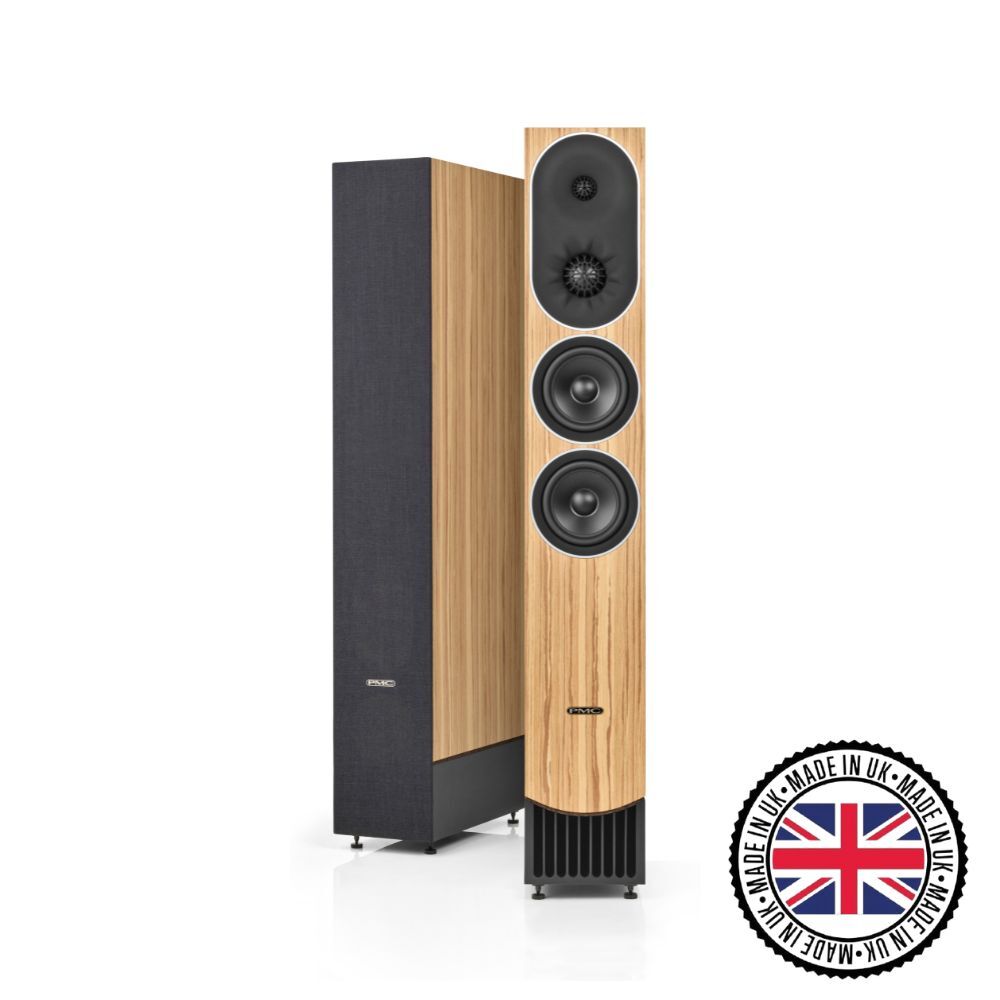
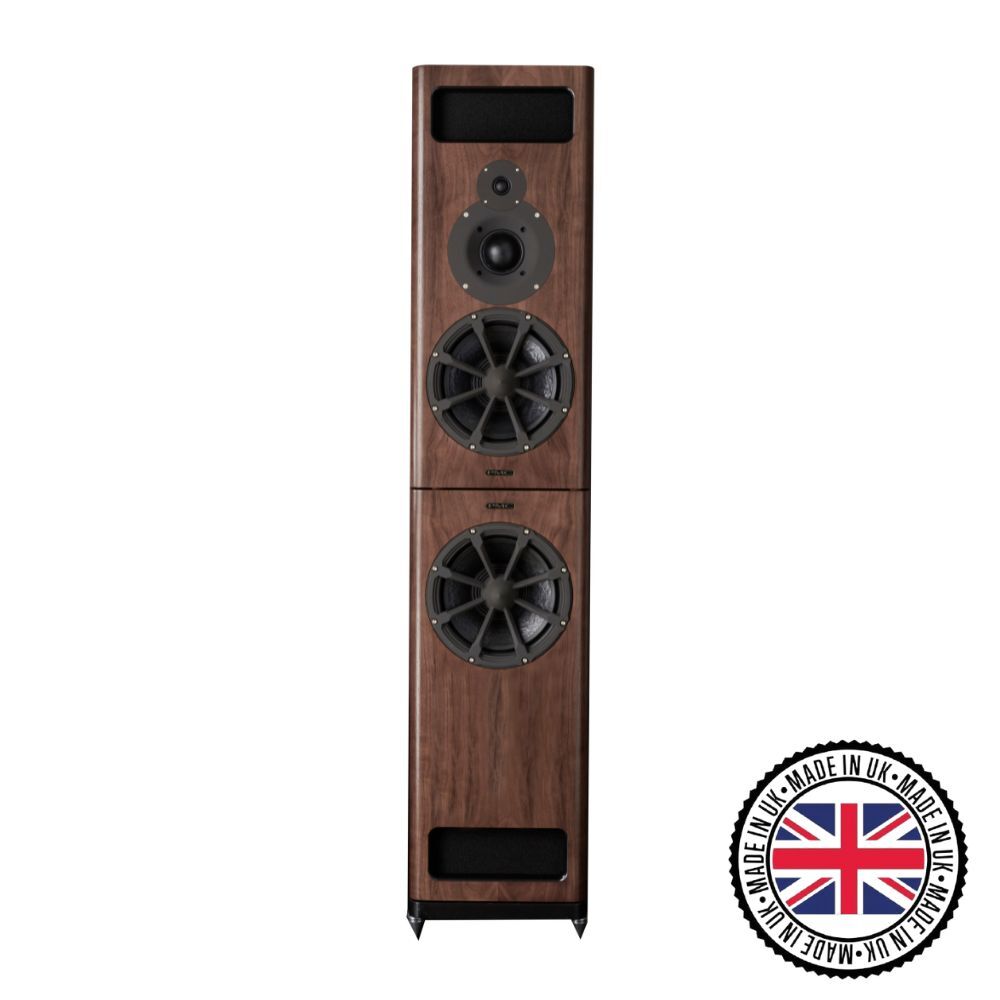
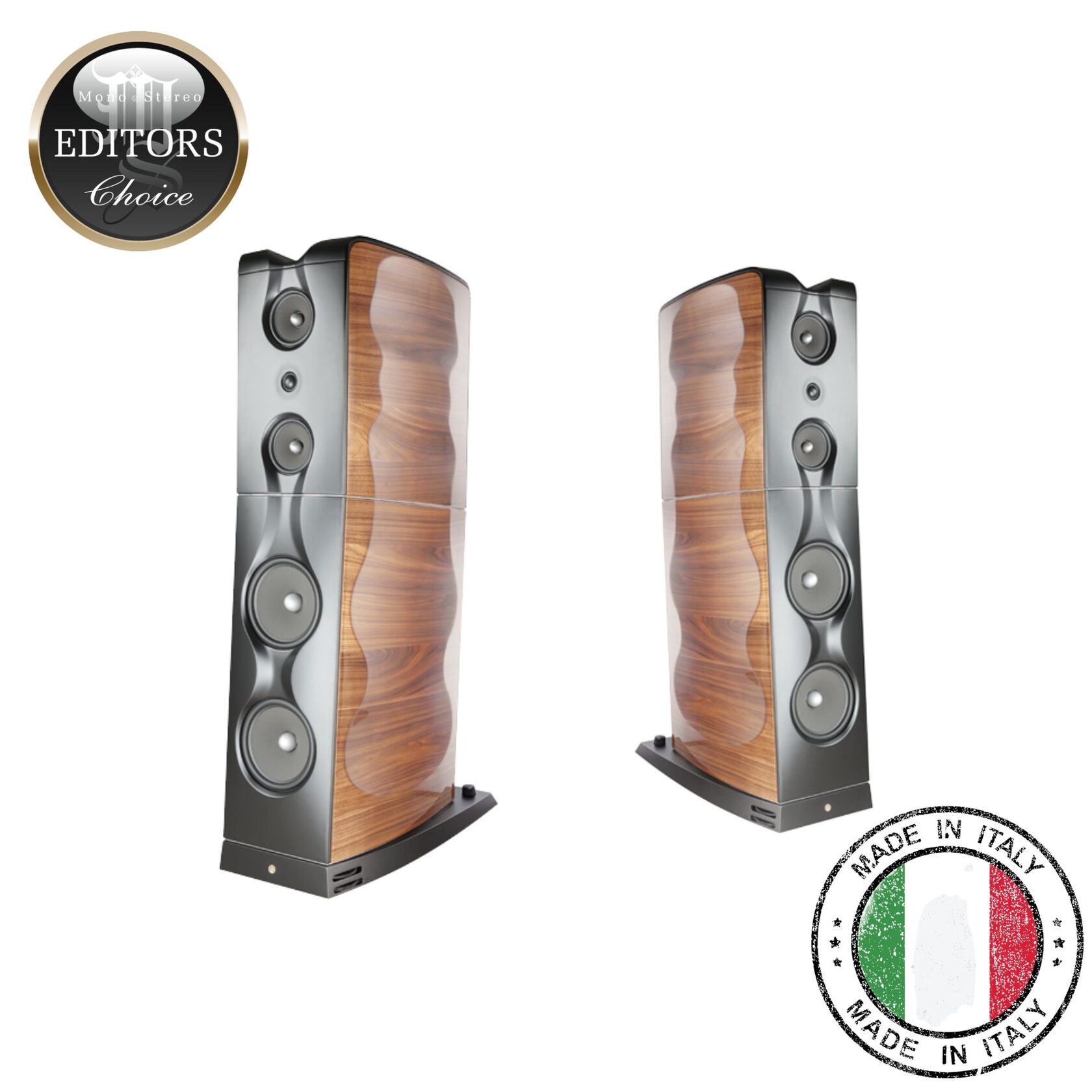
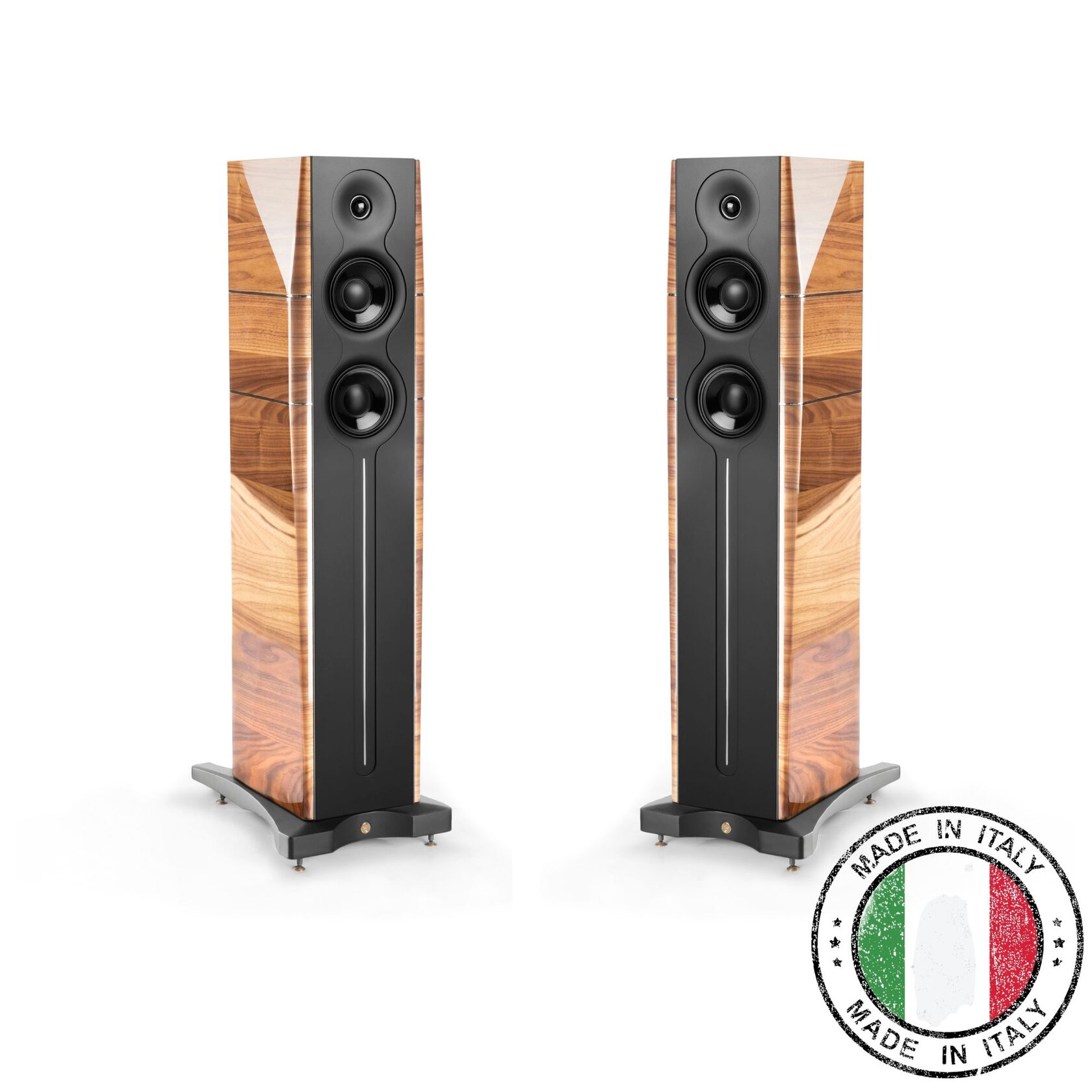
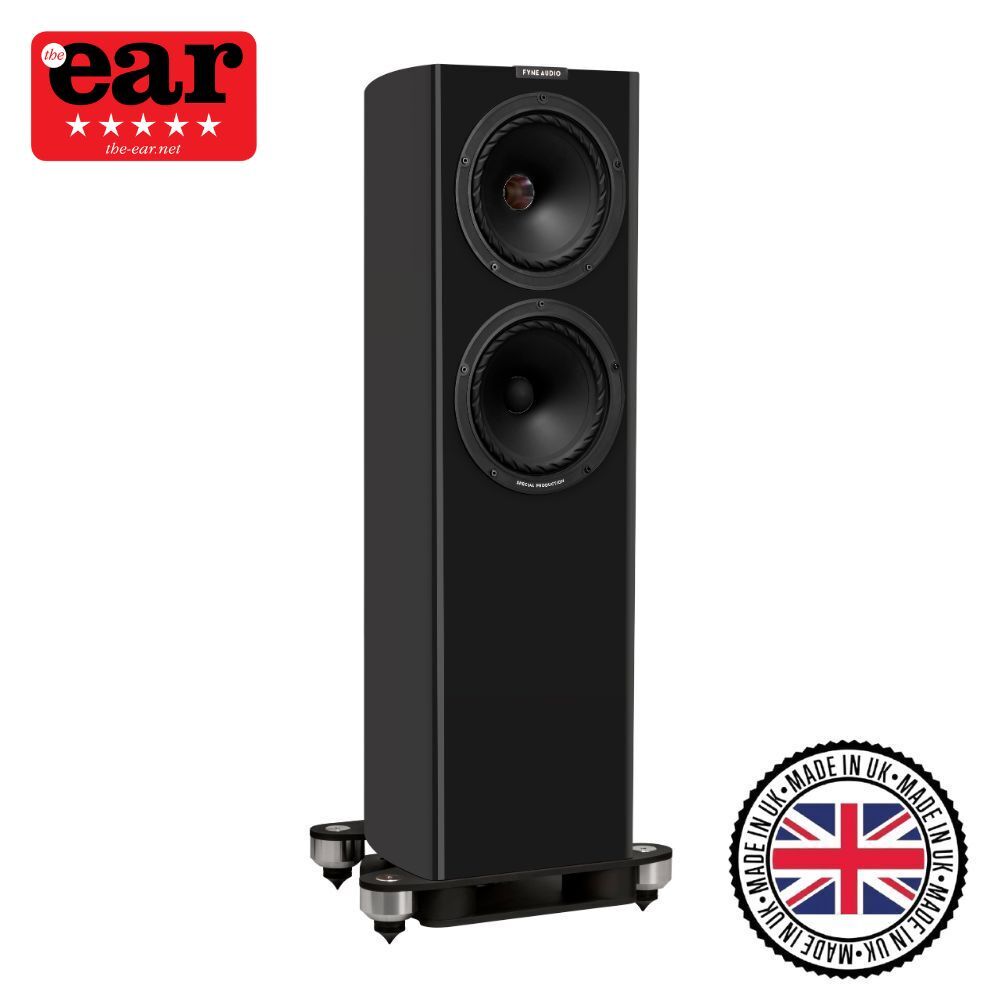
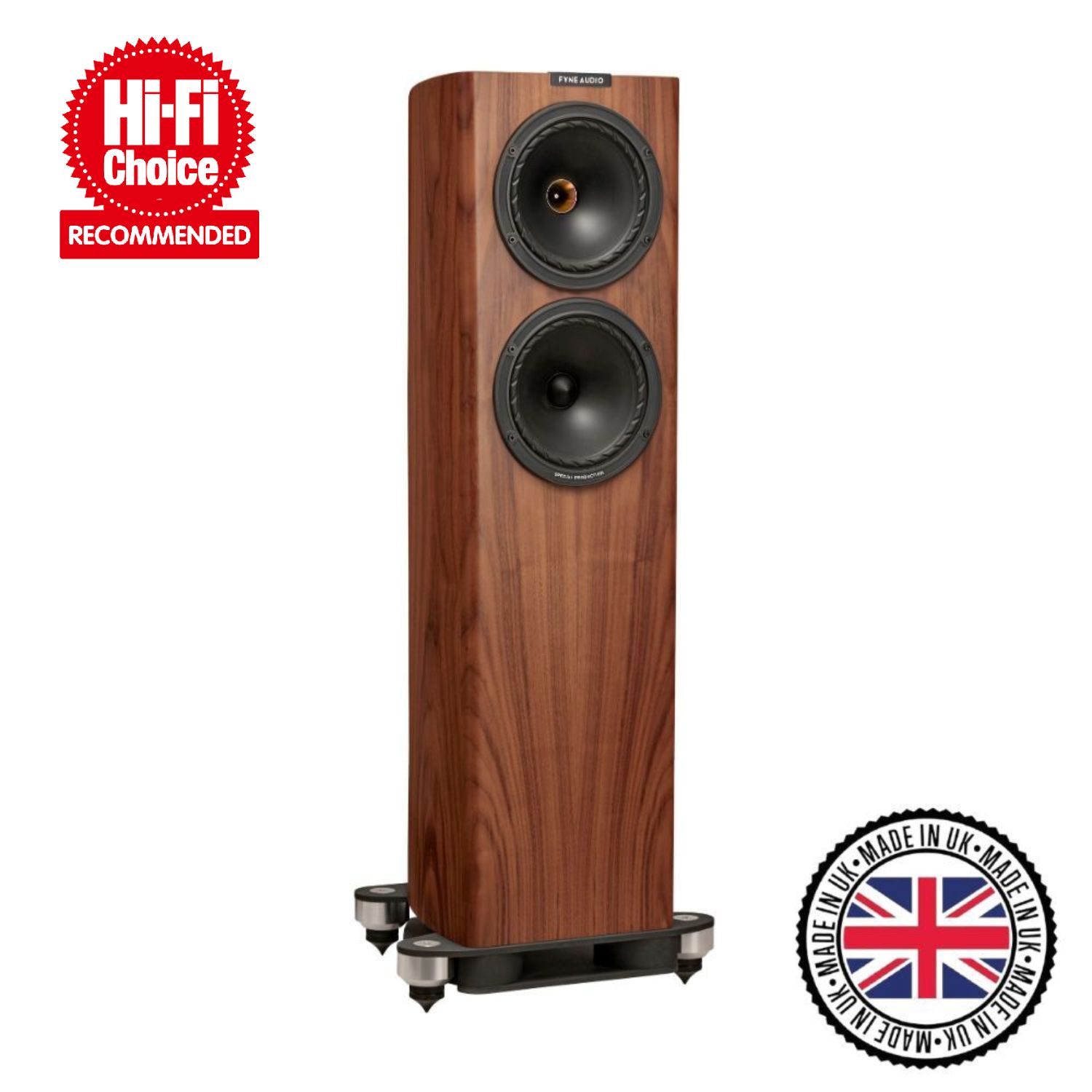
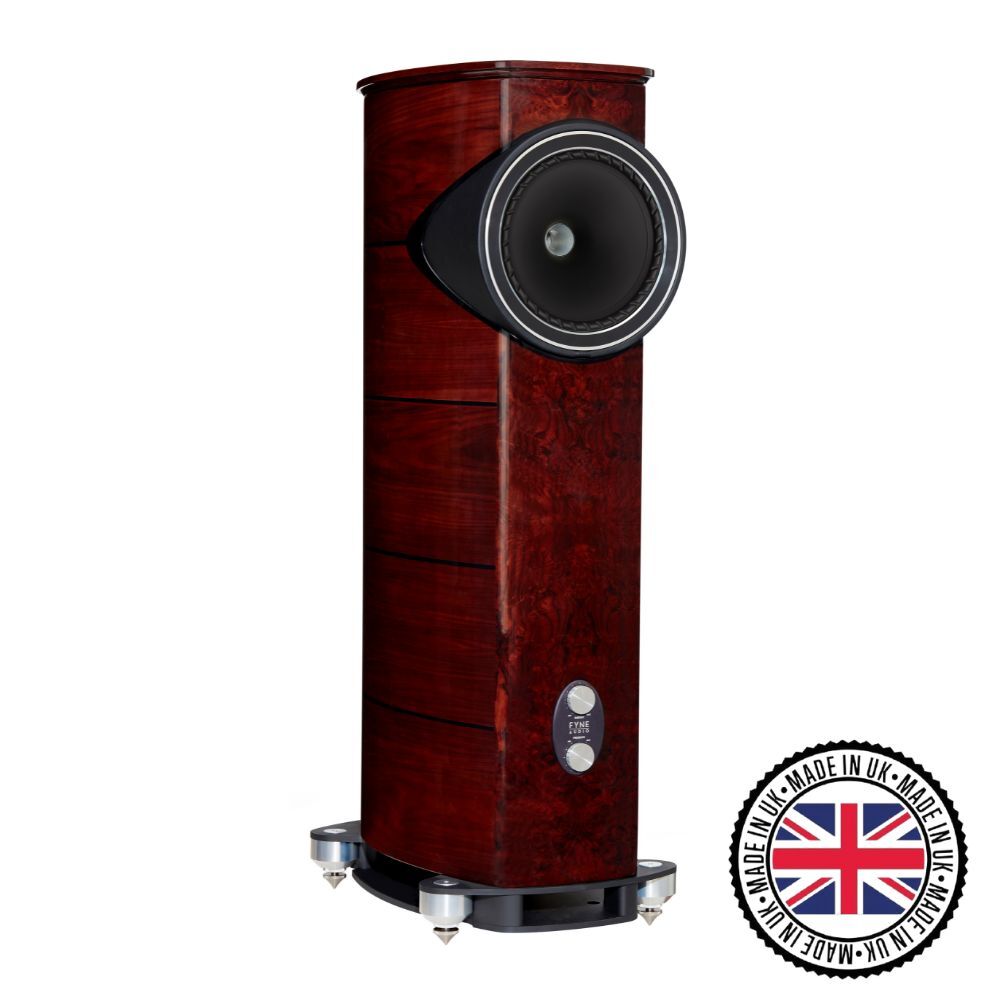
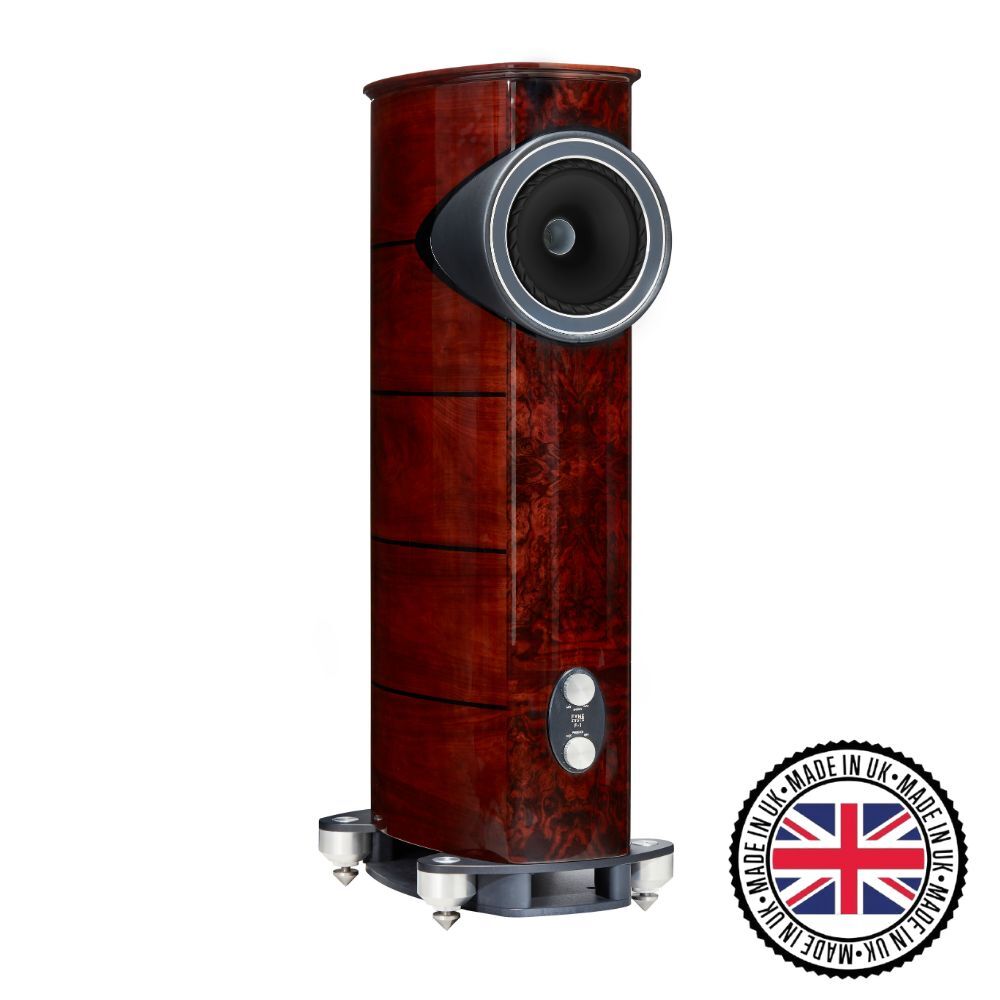
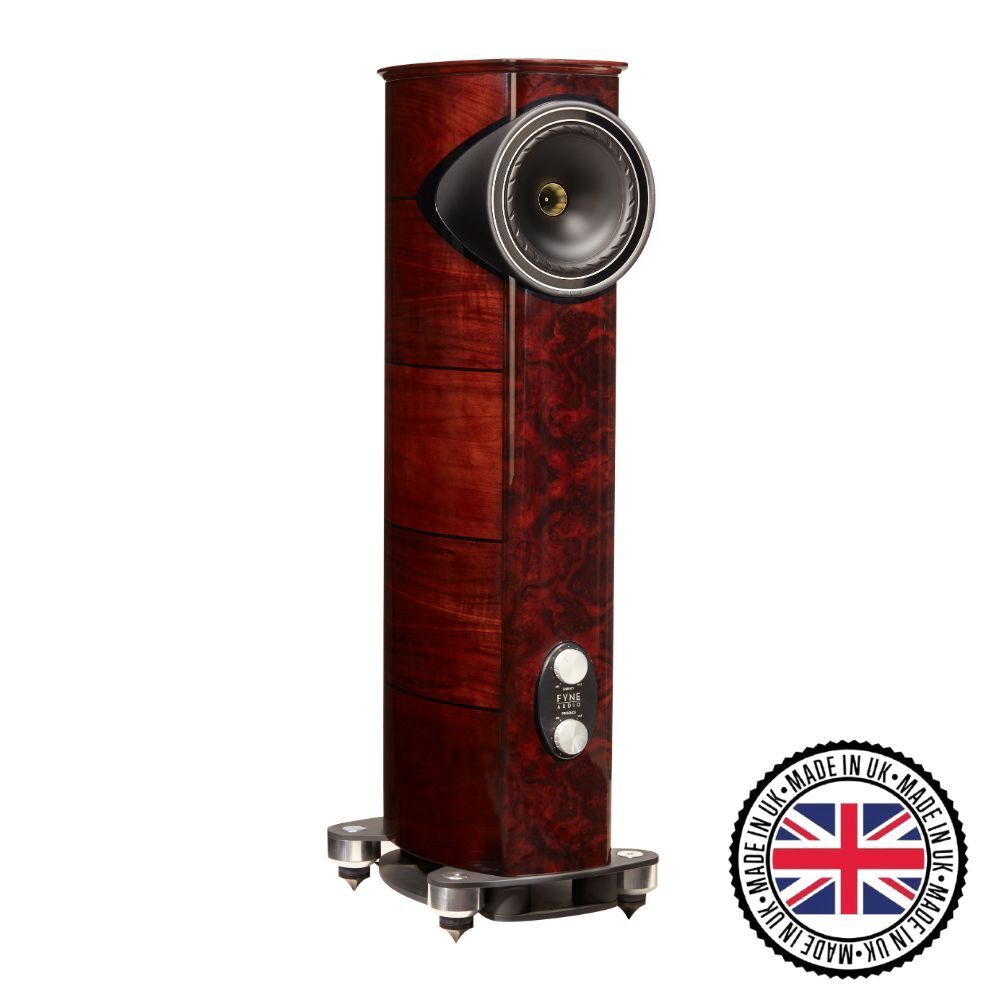
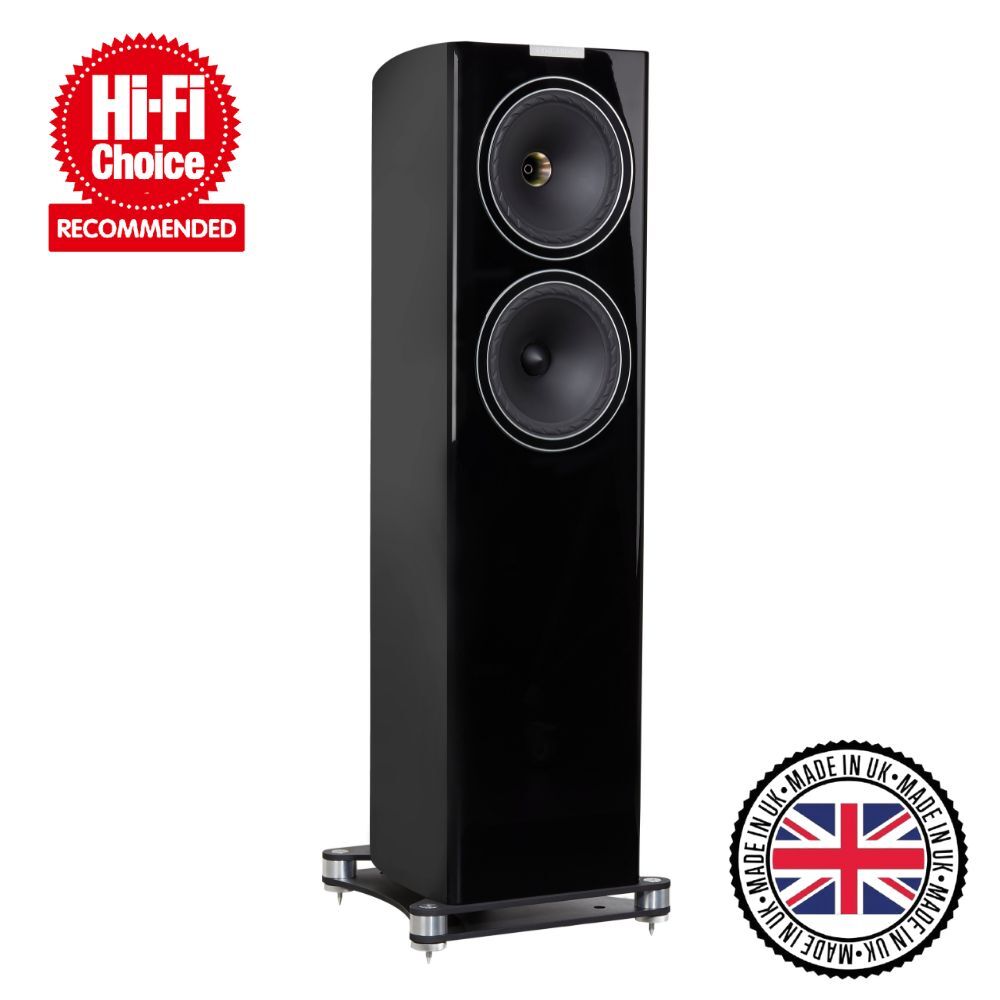
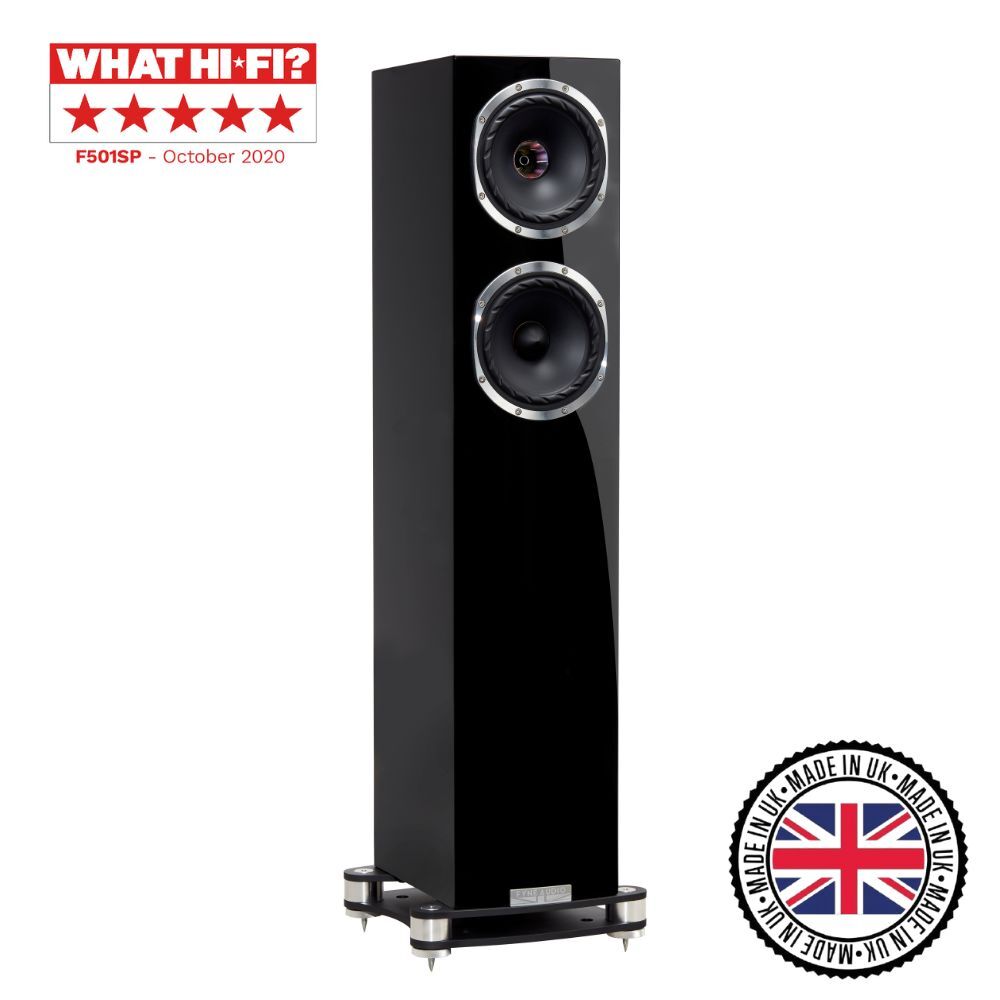
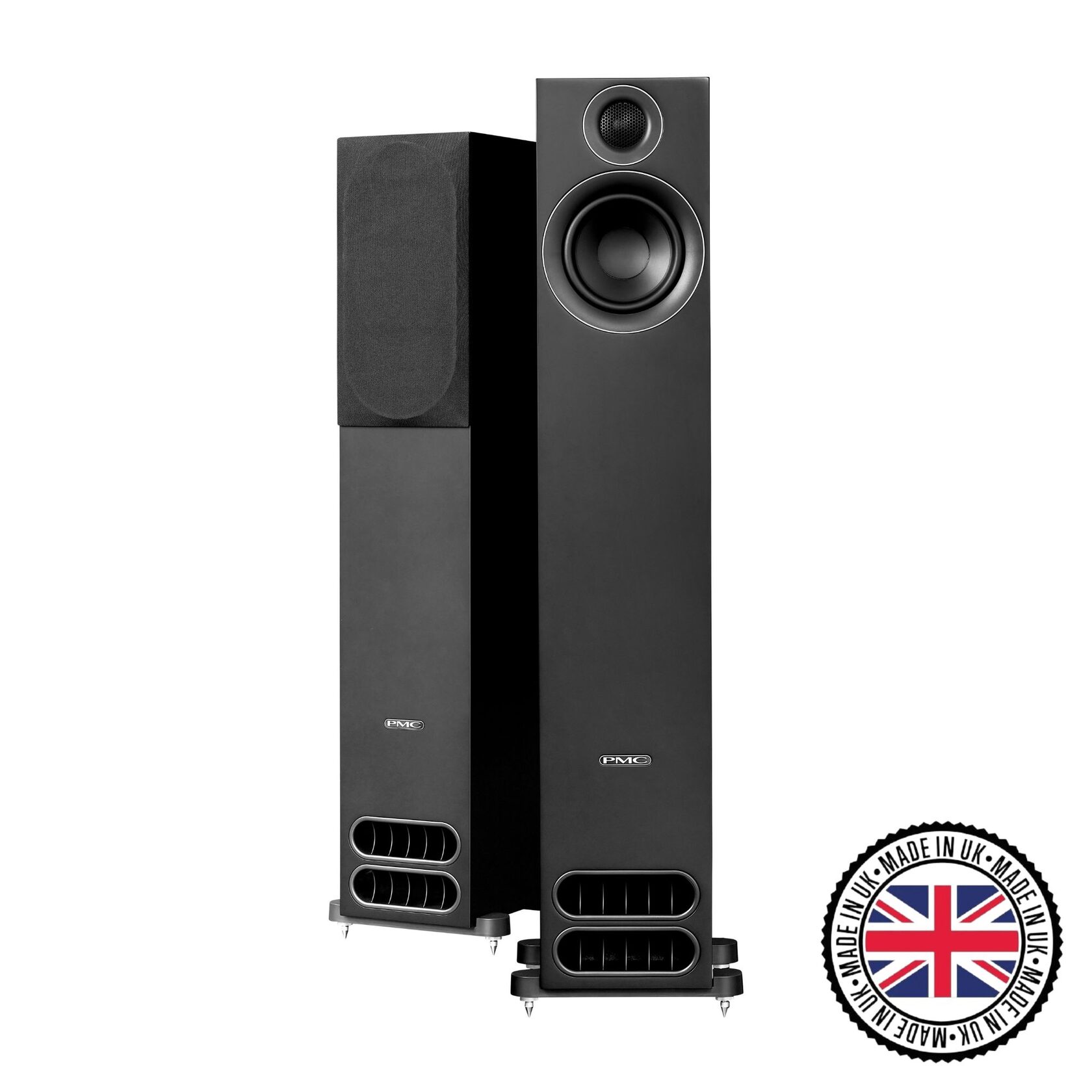
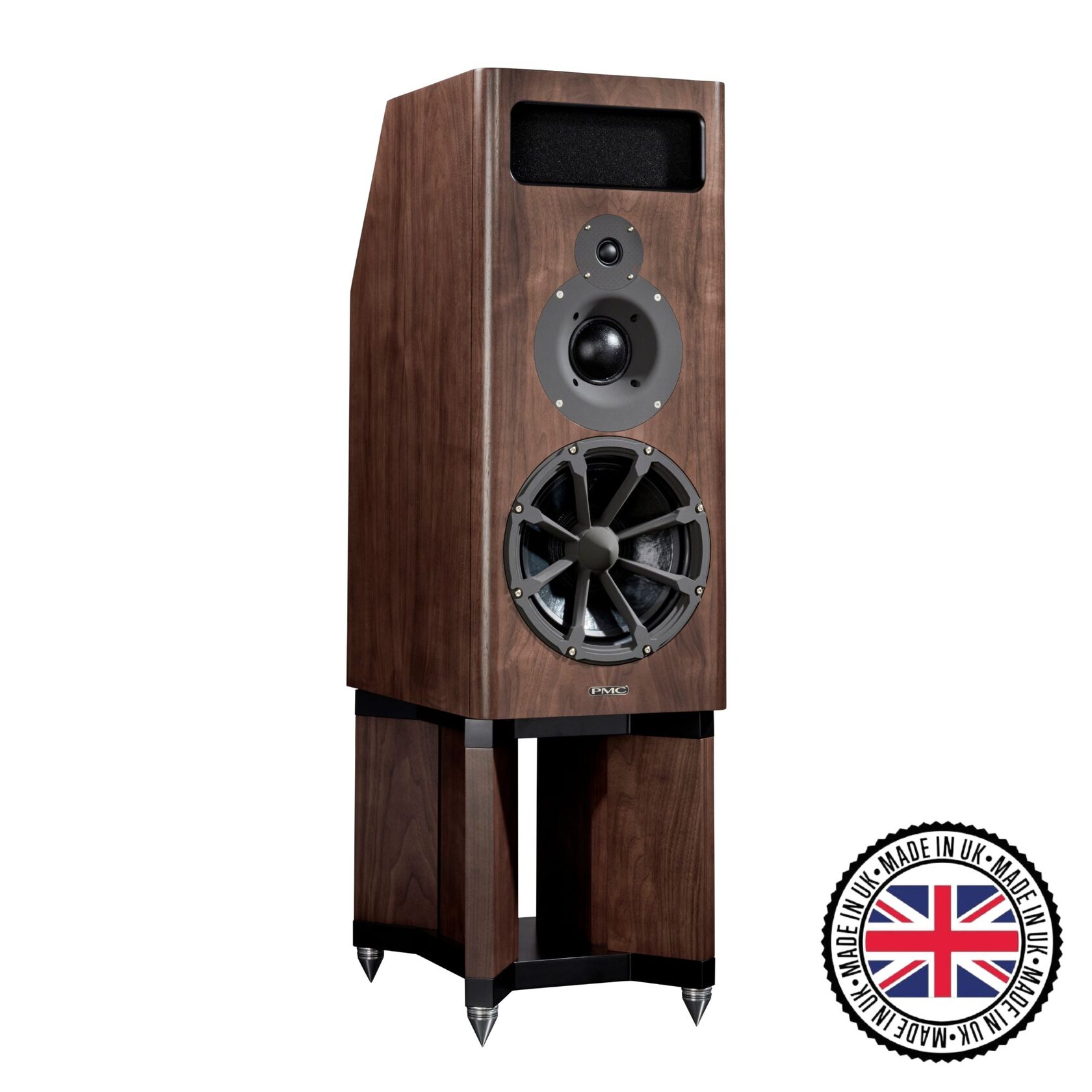
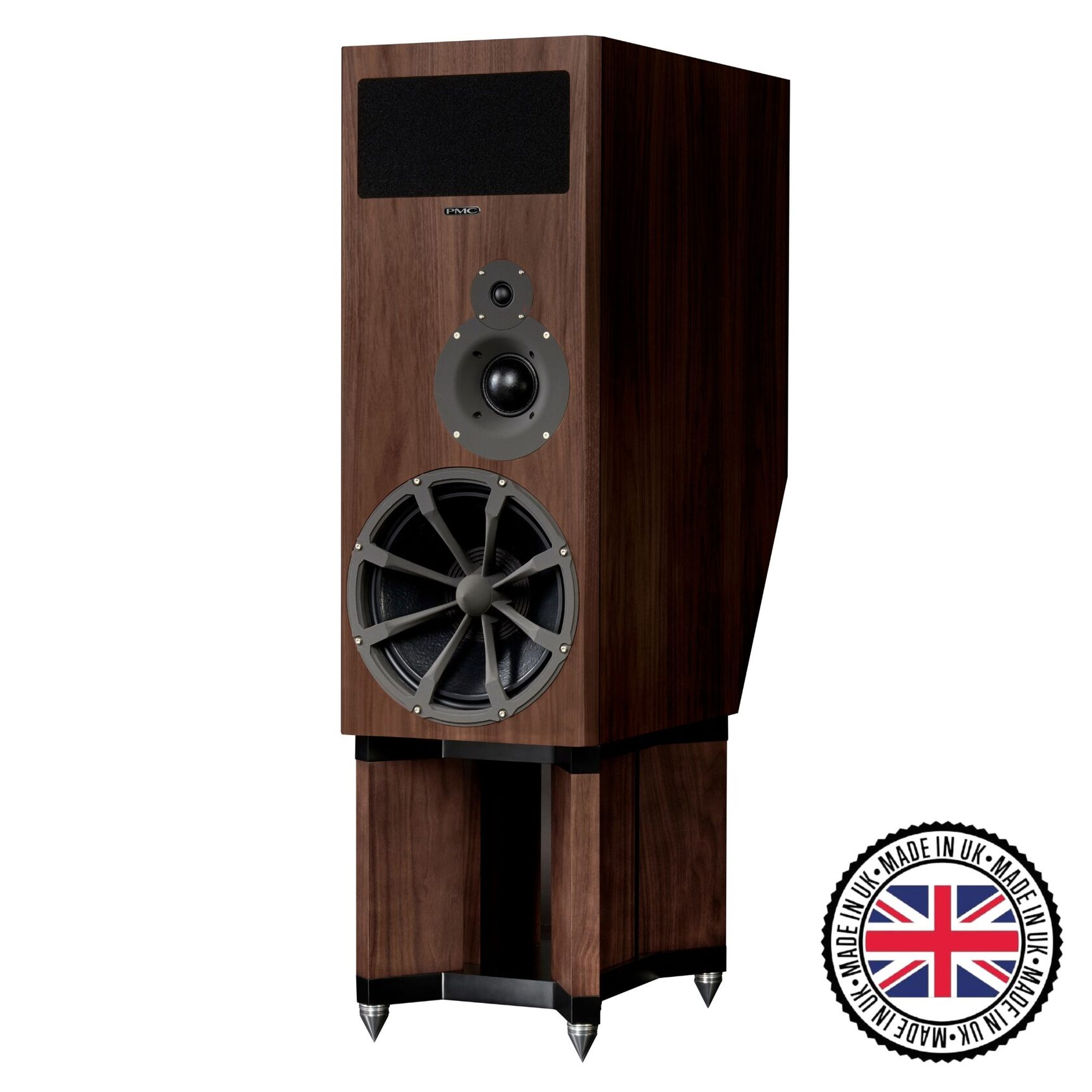
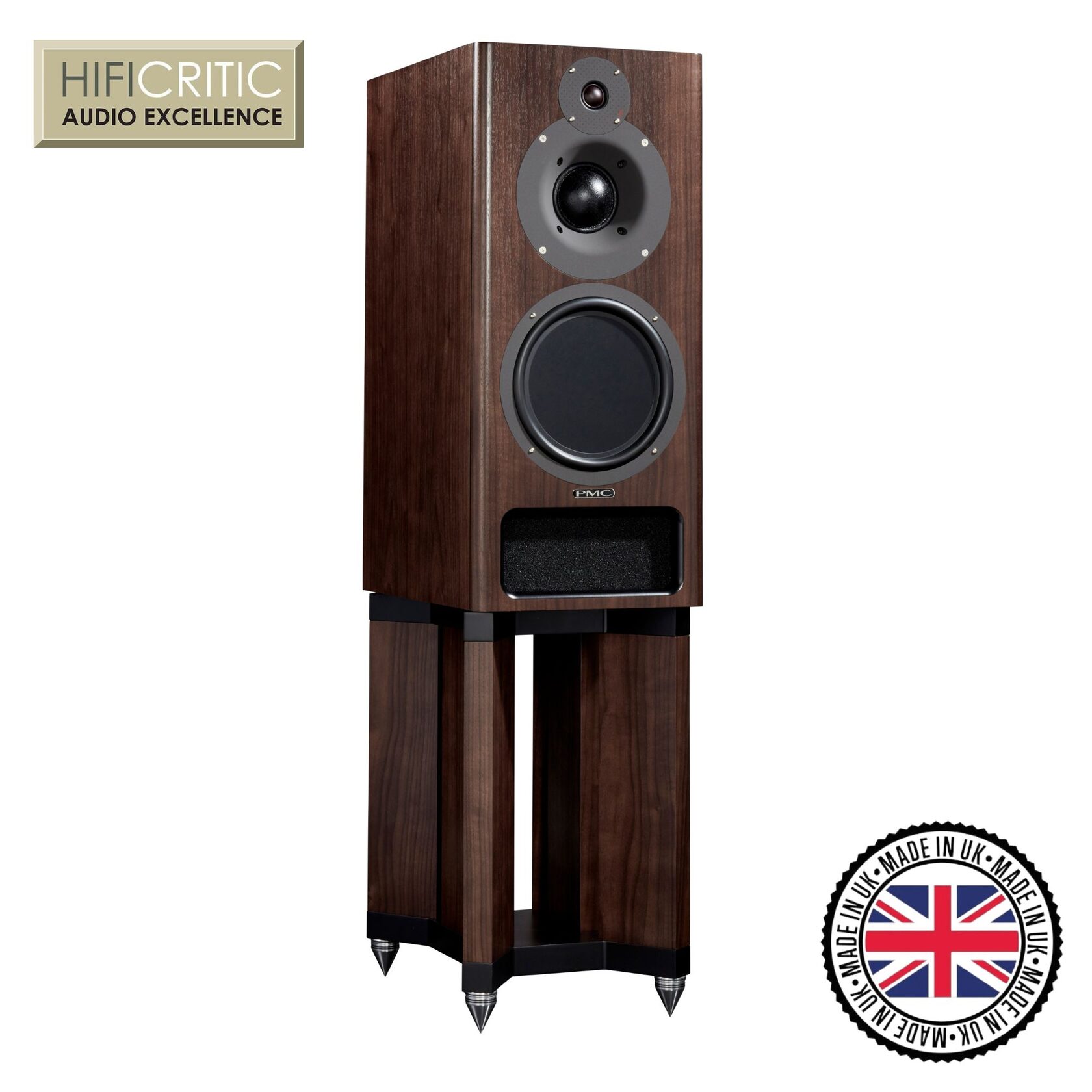
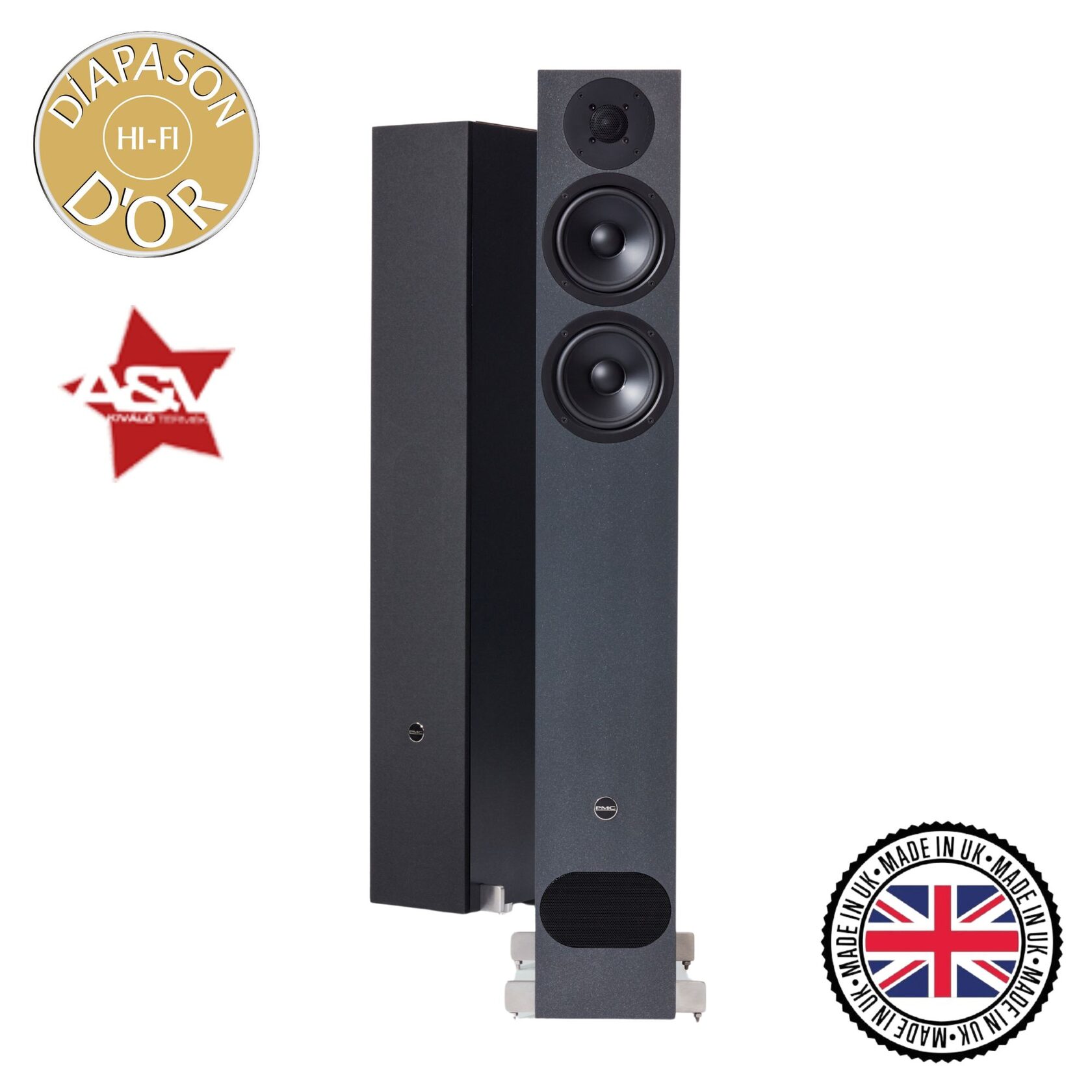
Put PMC’s three-way fact.12 Signature next to Fyne Audio’s coaxial F1-12S and the shared design brief becomes obvious: get a full-range signal out of a cabinet a metre or more tall without the different heights it spans becoming audible. A tweeter, a midrange driver and a bass driver stacked one above another dont have to sound like three separate sources – but stack them without solving for it, and a listener’s ear can tell the difference depending on whether they’re sitting or standing.
A floorstanding speaker, or tower speaker, stands on the floor unaided, using its own height to house a larger cabinet volume and, in most designs, more than one bass driver. That extra internal air volume is the main reason floorstanders reach deeper and louder than standmounts of the same brand without a subwoofer’s help. The trade-off is that a taller cabinet spaces its drivers further apart, and sound leaving a tweeter near the top and a bass driver near the base arrives at a listener’s ear at very slightly different times – an effect called lobing, which can dull the transition where one driver’s output hands over to the next unless the crossover and cabinet are designed around it from the start.
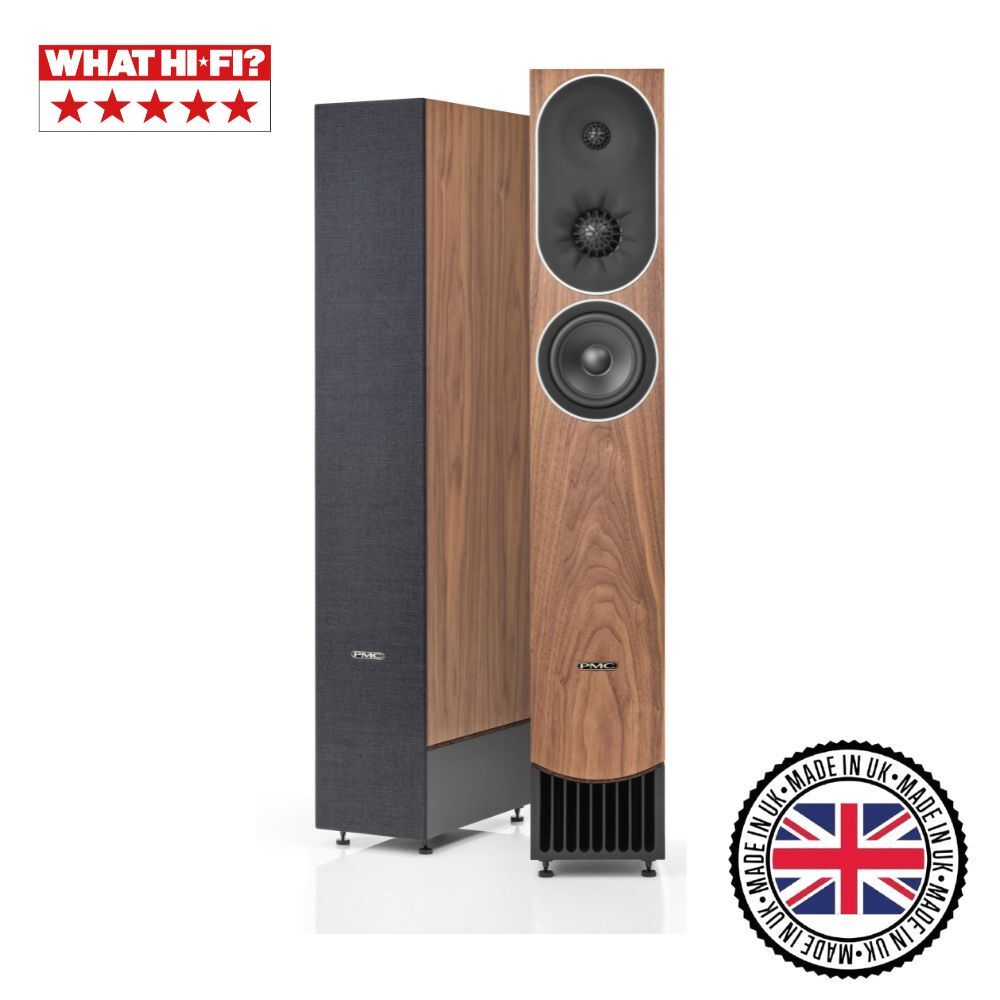
PMC‘s answer keeps that transition under control with careful driver placement and crossover design: on the three-way fact.12, prophecy7 and prophecy9, the midrange driver sits close to typical seated ear height so most of a recording’s vocal and instrumental detail arrives from nearly one point, while the bass driver’s output is loaded by a folded Advanced Transmission Line (ATL) running the height of the cabinet – a design that stays coherent regardless of where the tweeter and midrange sit above it.
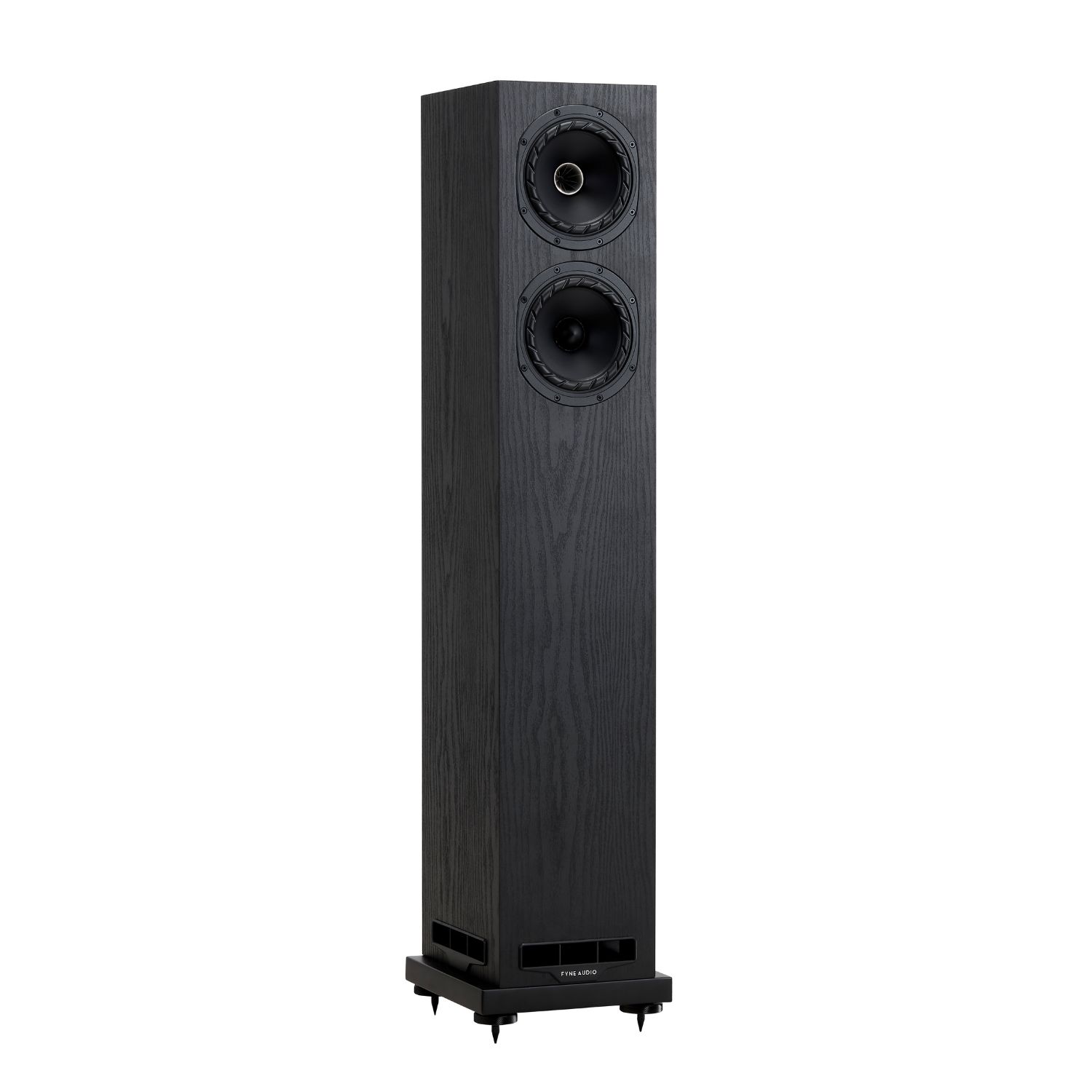
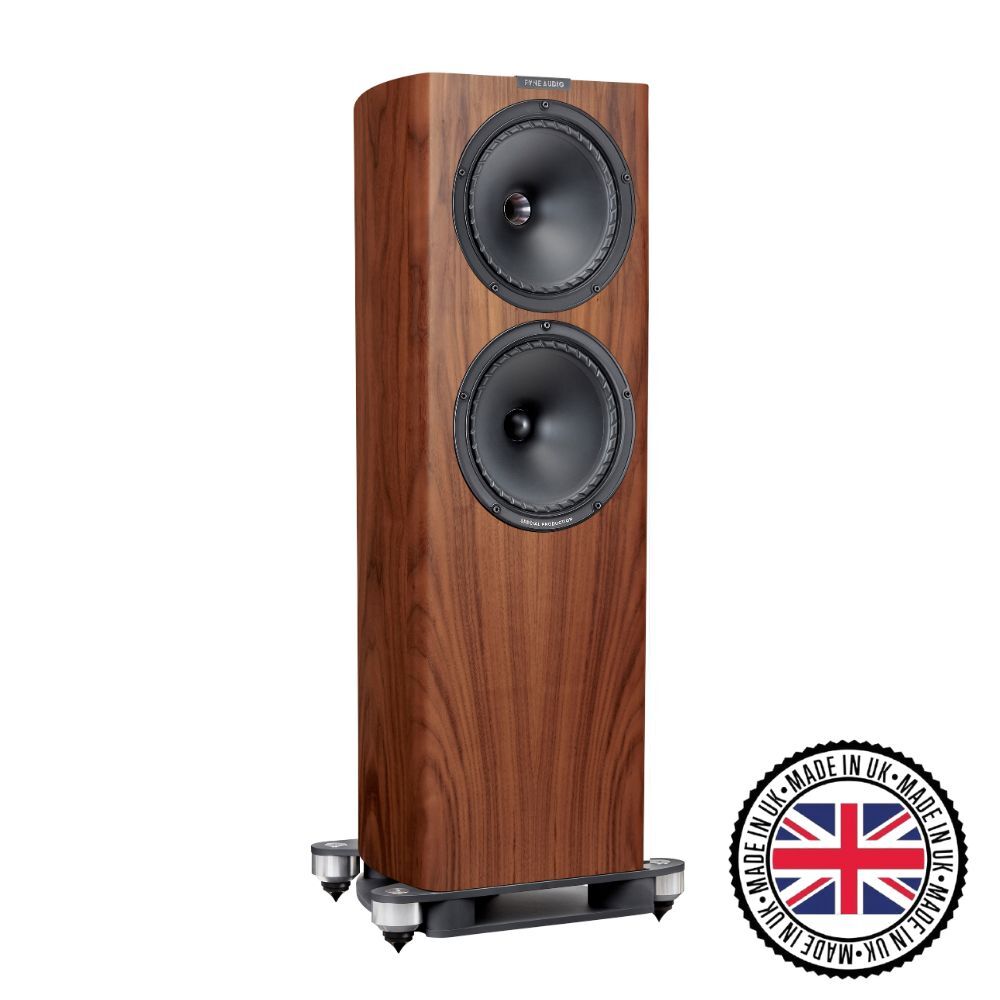
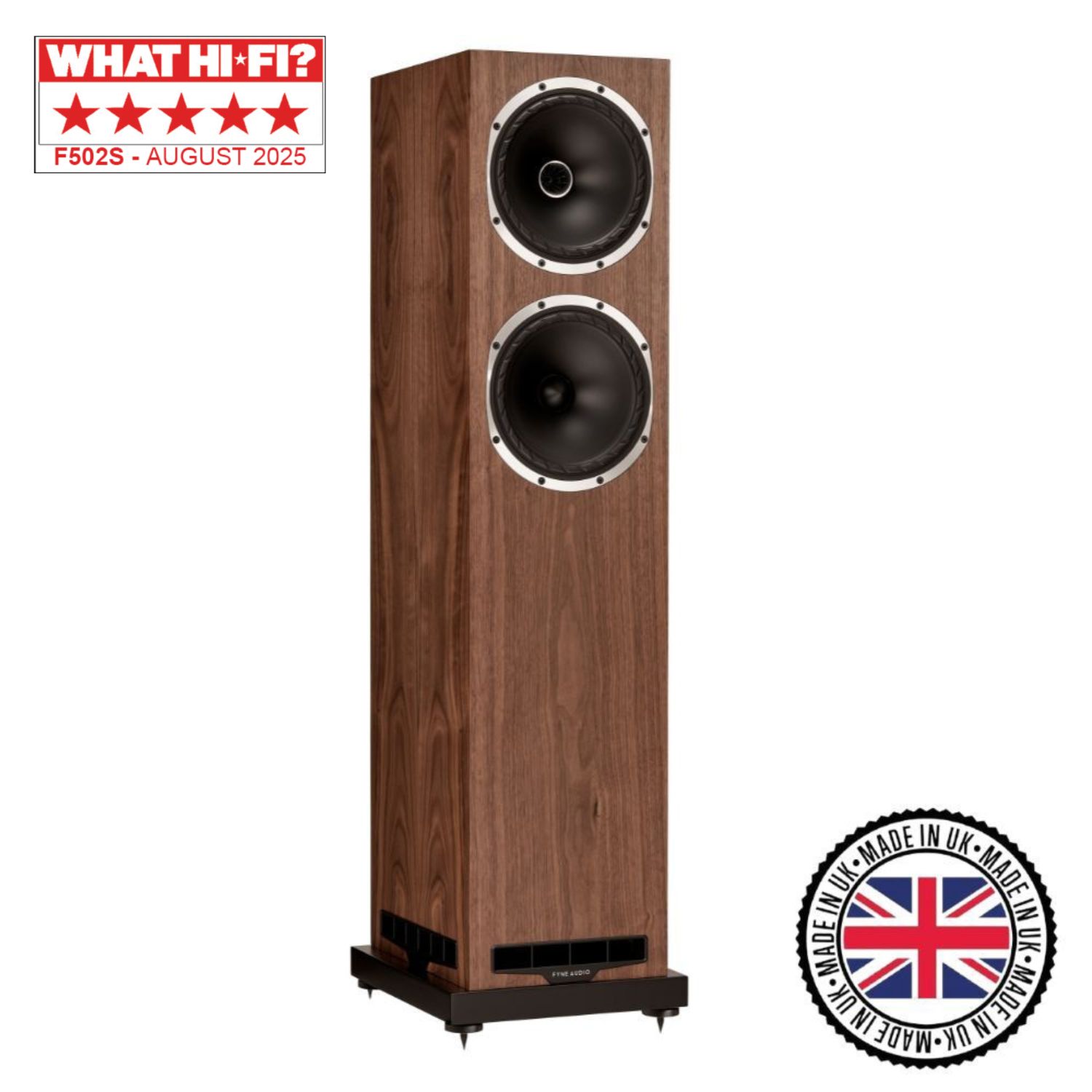
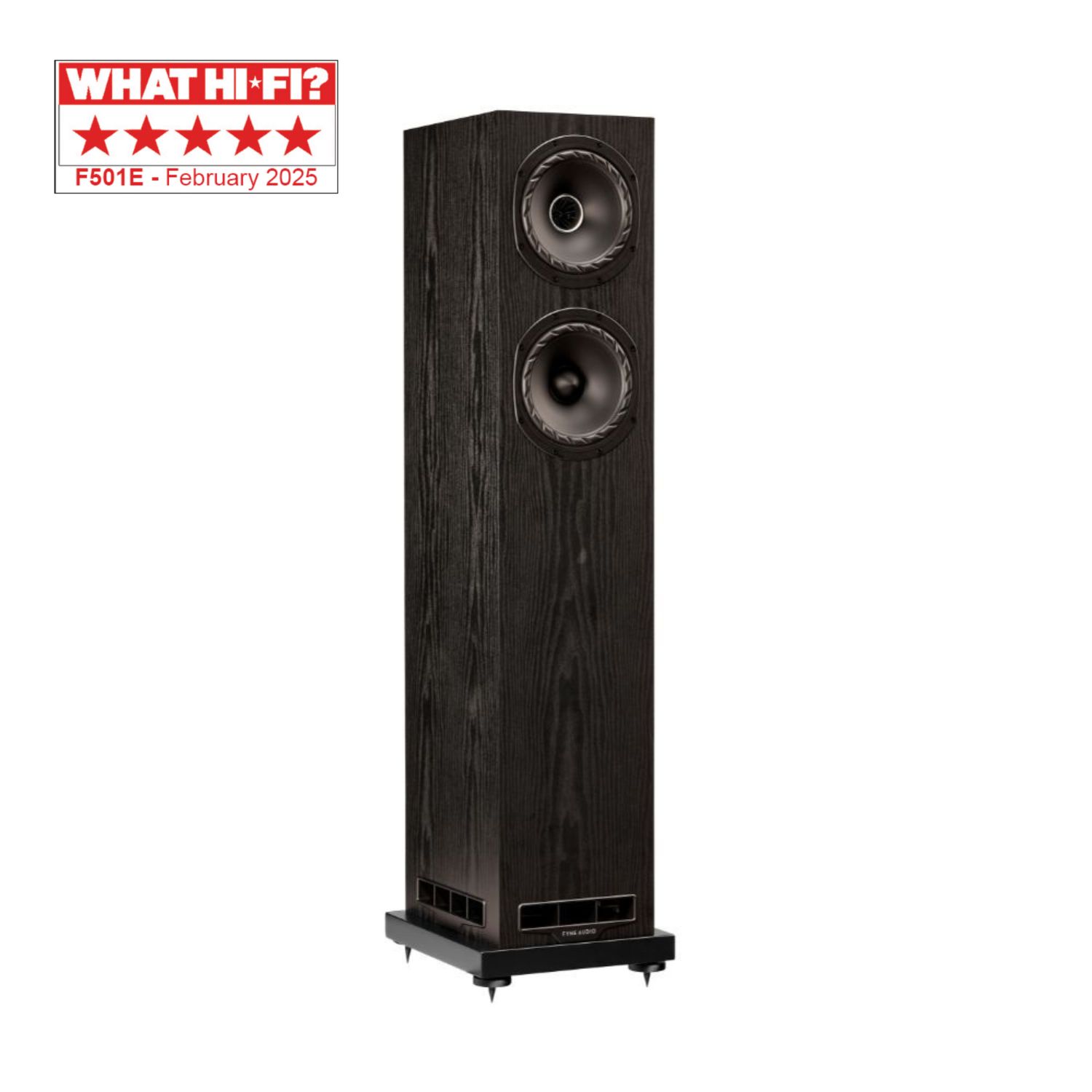
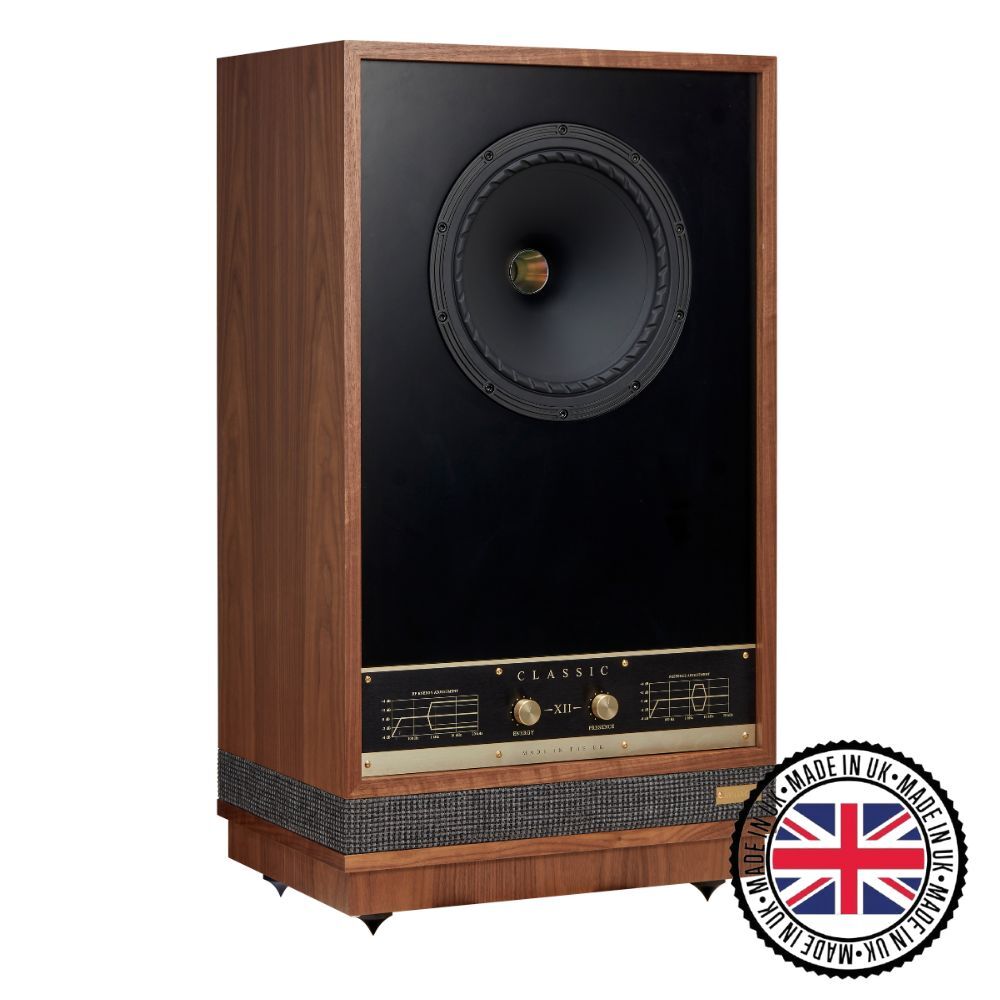
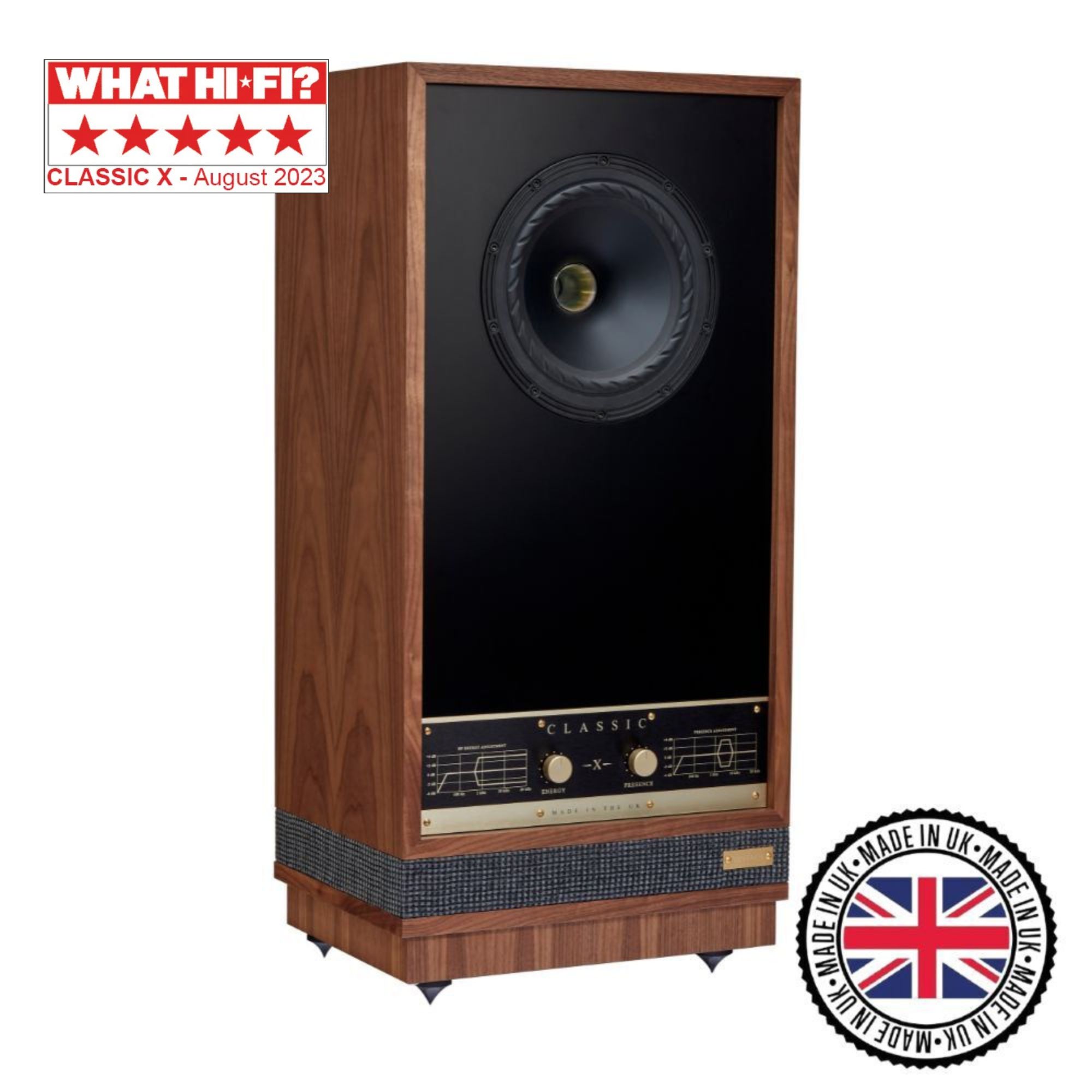
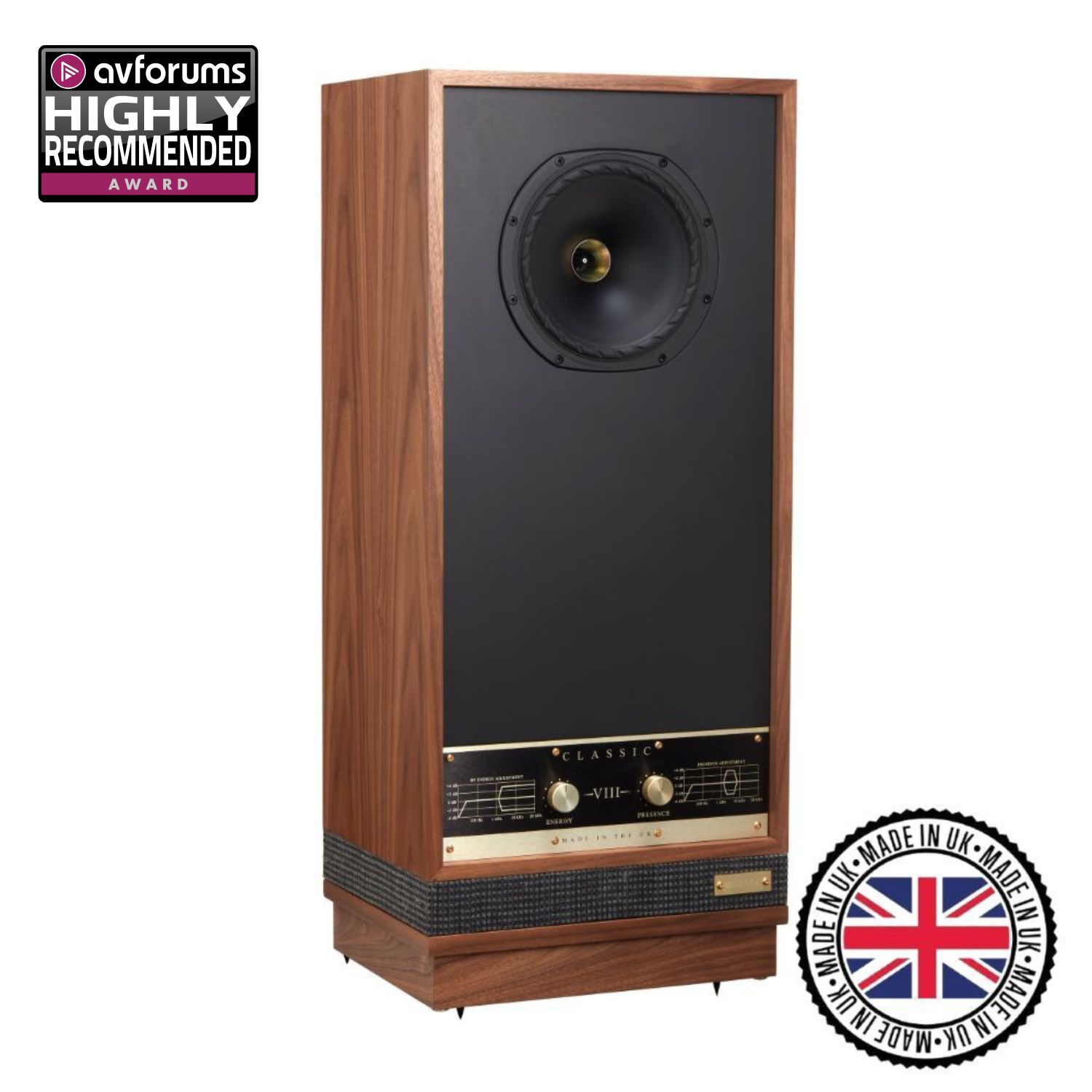
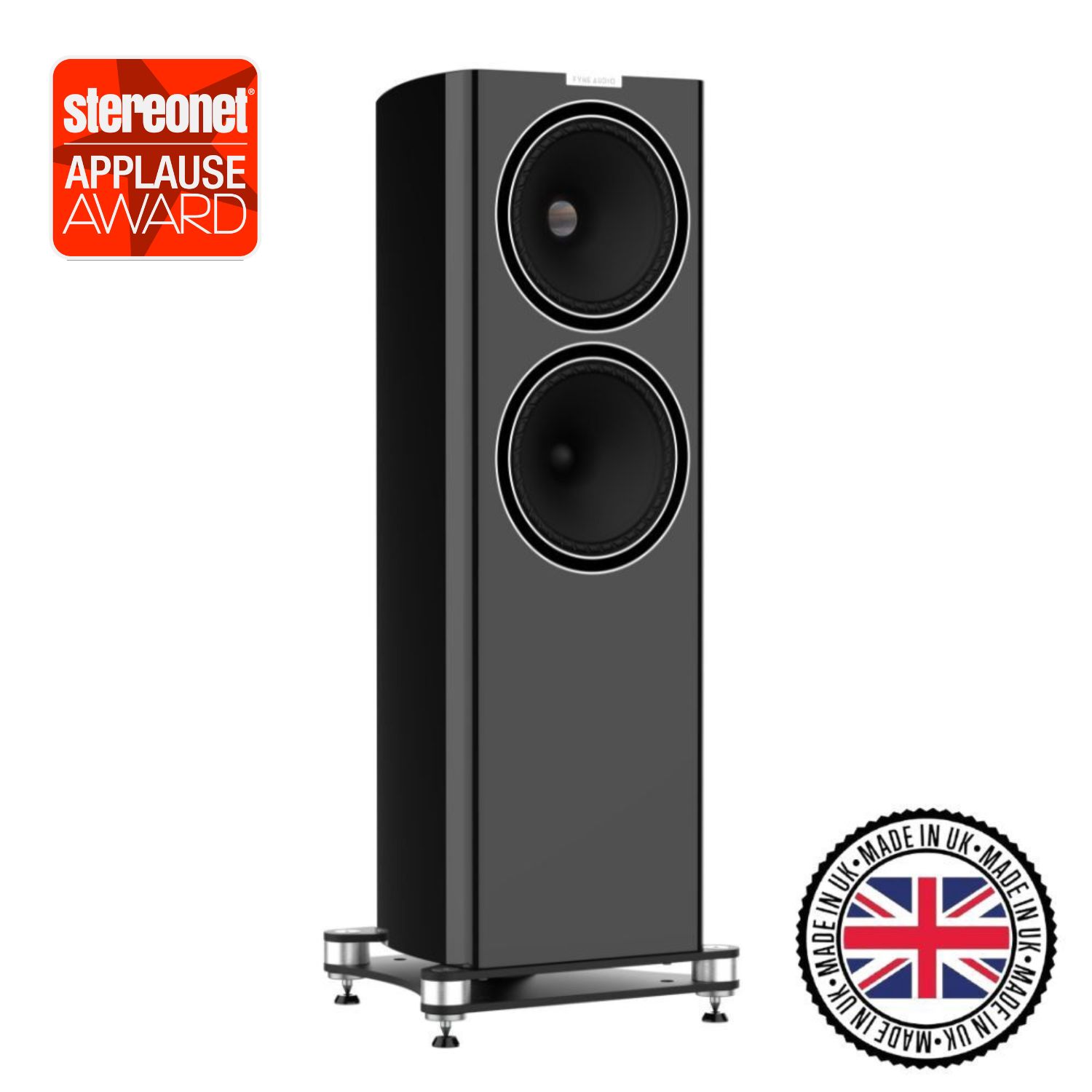
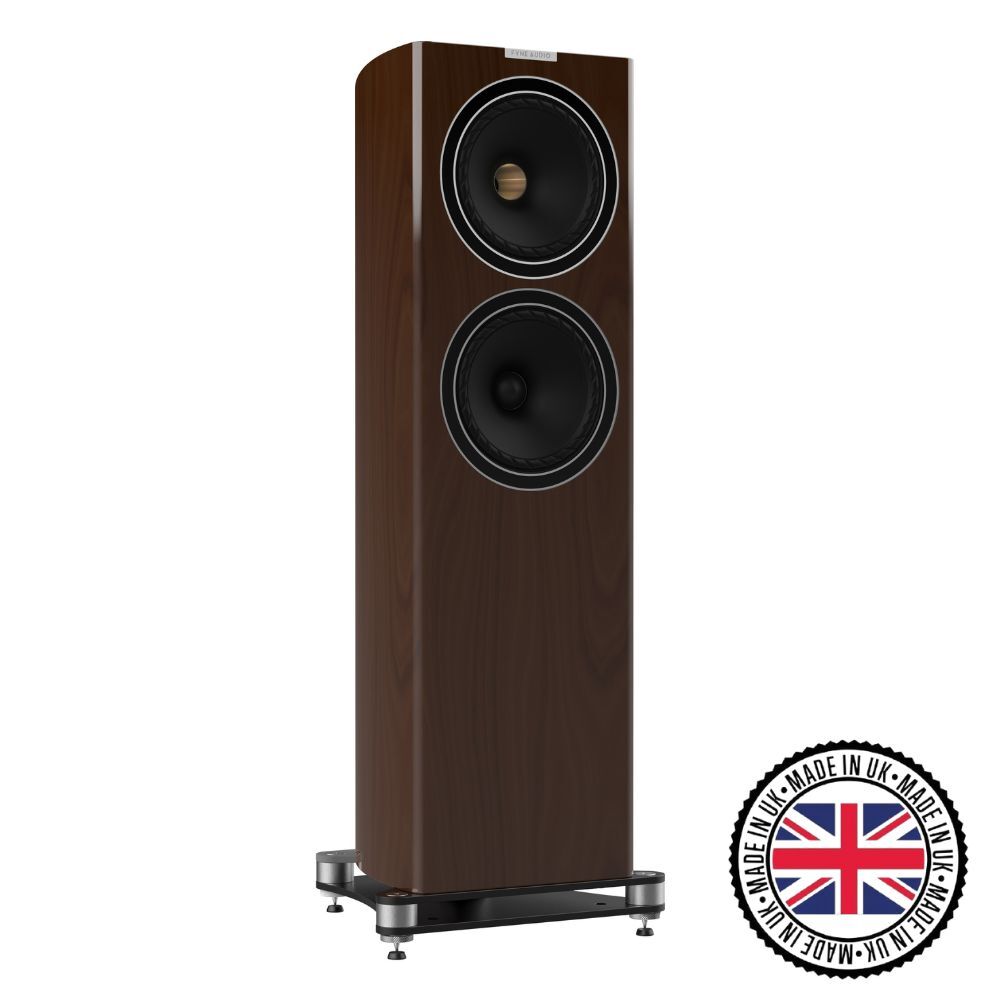
Fyne Audio‘s answer is to remove the top of that problem rather than manage it. Its Isolare driver mounts tweeter and midrange concentrically, so those two elements behave as a single point source no matter how tall the cabinet around them grows – evident from the compact F501E up to the flagship F1-12S. A separate bass driver still sits lower in the cabinet, but timing differences matter far less at bass frequencies, where wavelengths run into metres rather than centimetres.
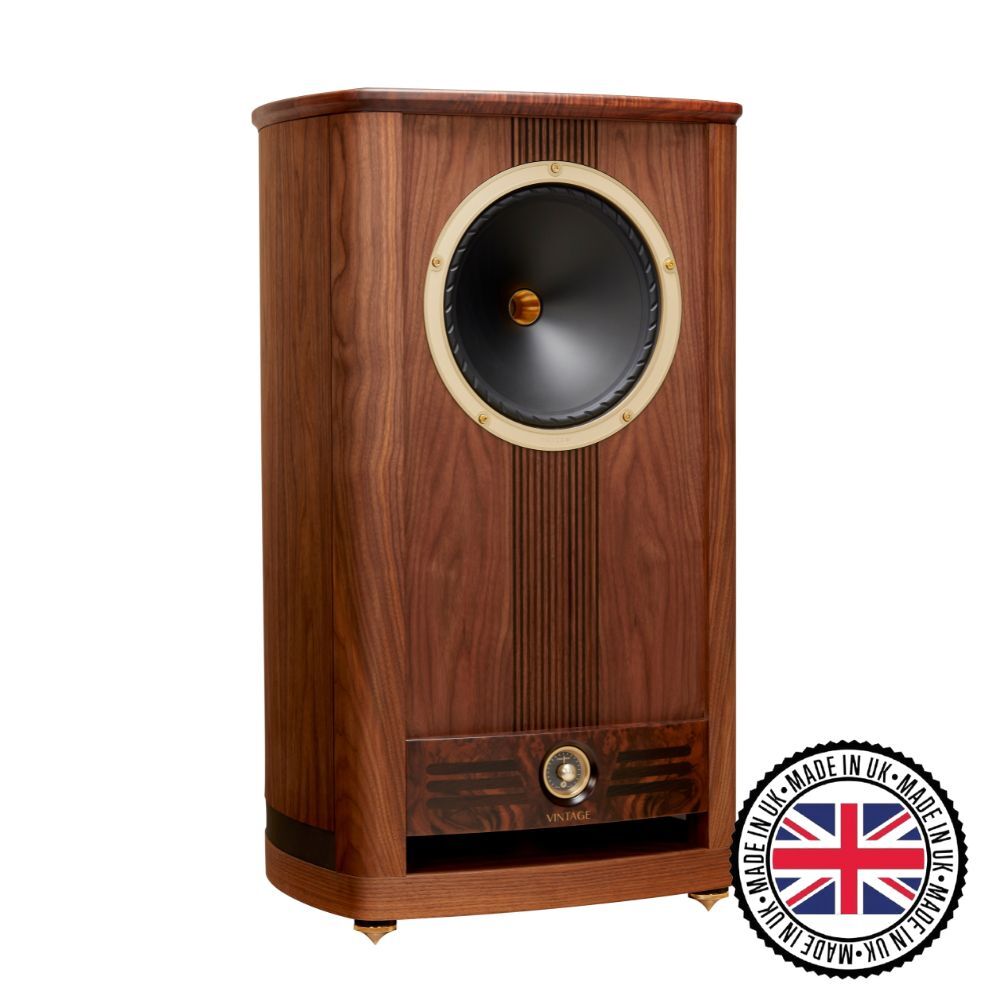
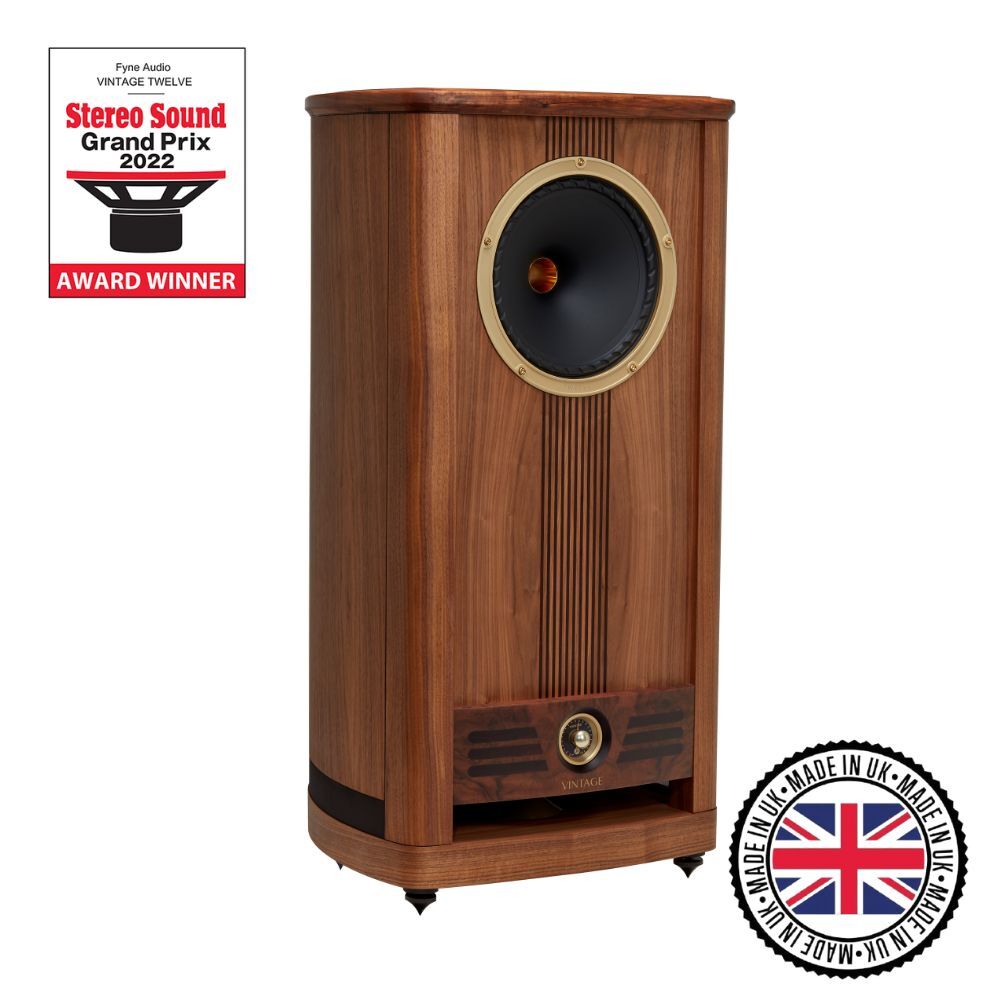
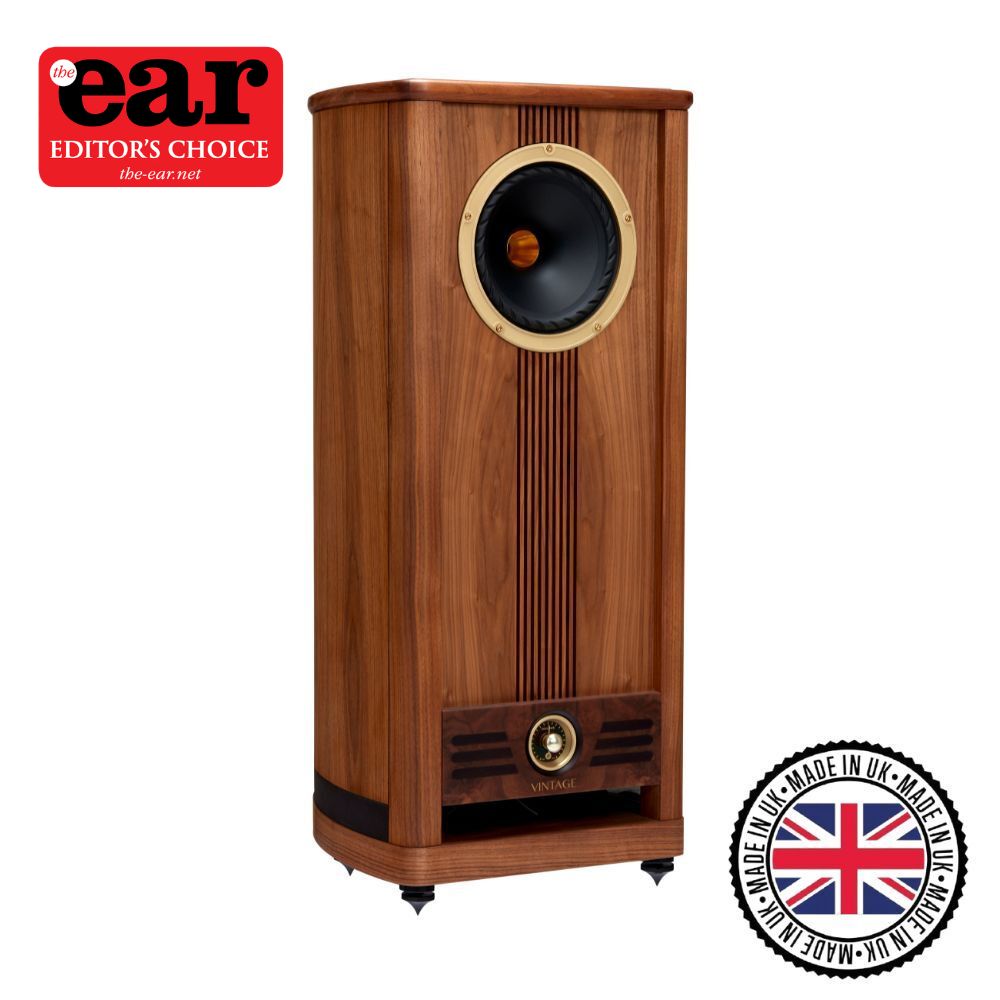
The format’s roots run back to the large floorstanding monitors both brands’ engineers came from. PMC’s own three-way studio monitors – the IB2, MB2 and BB5 – established the transmission-line, tall-cabinet approach in professional control rooms from the early 1990s onward. Fyne Audio’s coaxial floorstanders descend from an older lineage still: Tannoy’s Autograph and Westminster cabinets of the 1950s, built around the same company’s dual-concentric driver to fill large rooms and cinemas from a single point source. Fyne Audio’s retro-styled Vintage floorstanders are a direct, acknowledged homage to that era.
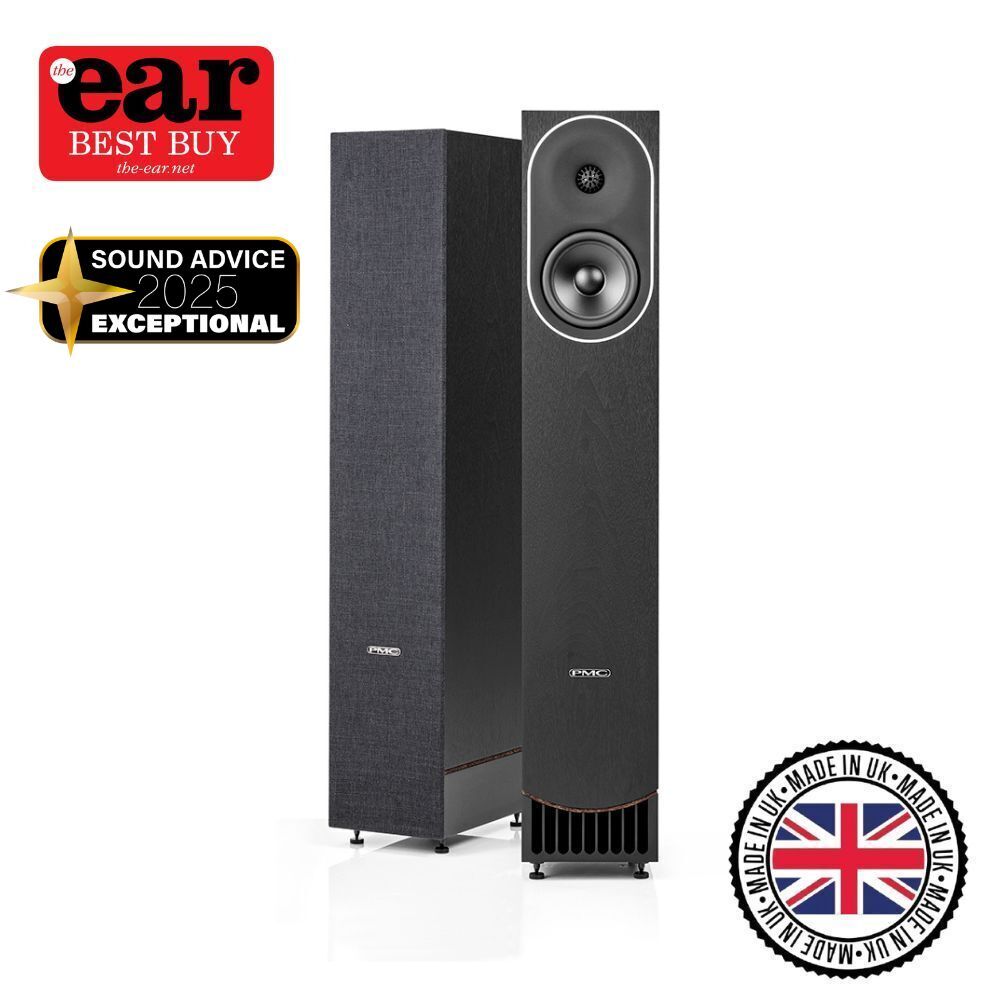
Both brands scale the format across very different budgets. PMC’s floorstanders run from the compact, small-footprint Prodigy through the prophecy5 to the three-way fact.12 Signature, with the professional SE range above them. Fyne Audio spans the entry-level F55E and F501E, the F501S and F502S, the UK-built F501SP and F502SP, the F702, F703 and F704 with their SP variants, the flagship F1 series, and three distinct retro Vintage ranges. A larger cabinet is not automatically a better one – check how a design handles the height it’s added before assuming size alone buys better sound.