


A Cary Audio SLP-05 is built across two chassis, with eight vacuum tubes doing the actual signal work and a whole separate box devoted only to power supply. A Chord Electronics Ultima Pre 2 is built to do the opposite: strip out anything that might colour the signal at all, down to a measured noise floor of -130dB. Both are flagship preamplifiers built for exactly the same task — decide which source plays and how loud — and each treats the other’s idea of a ‘transparent’ preamplifier as a starting assumption to argue with.
A preamplifier’s job is easy to underestimate because it looks like the simplest box in a system: pick one of several connected sources, set its level to whatever a power amplifier downstream expects, and pass the signal on. Doing that cleanly is harder than it sounds. Every source has to be switched without adding noise, every input has to be gain-matched so nothing jumps in volume when you change sources, and the preamp’s own power supply — which handles far more current than the delicate low-level audio signal passing through the same chassis — has to be kept from leaking hum or interference into it. That last problem is exactly why some manufacturers build a preamplifier’s power supply in a separate box altogether, while others solve it by engineering a single-chassis power supply clean enough that separation isn’t necessary.
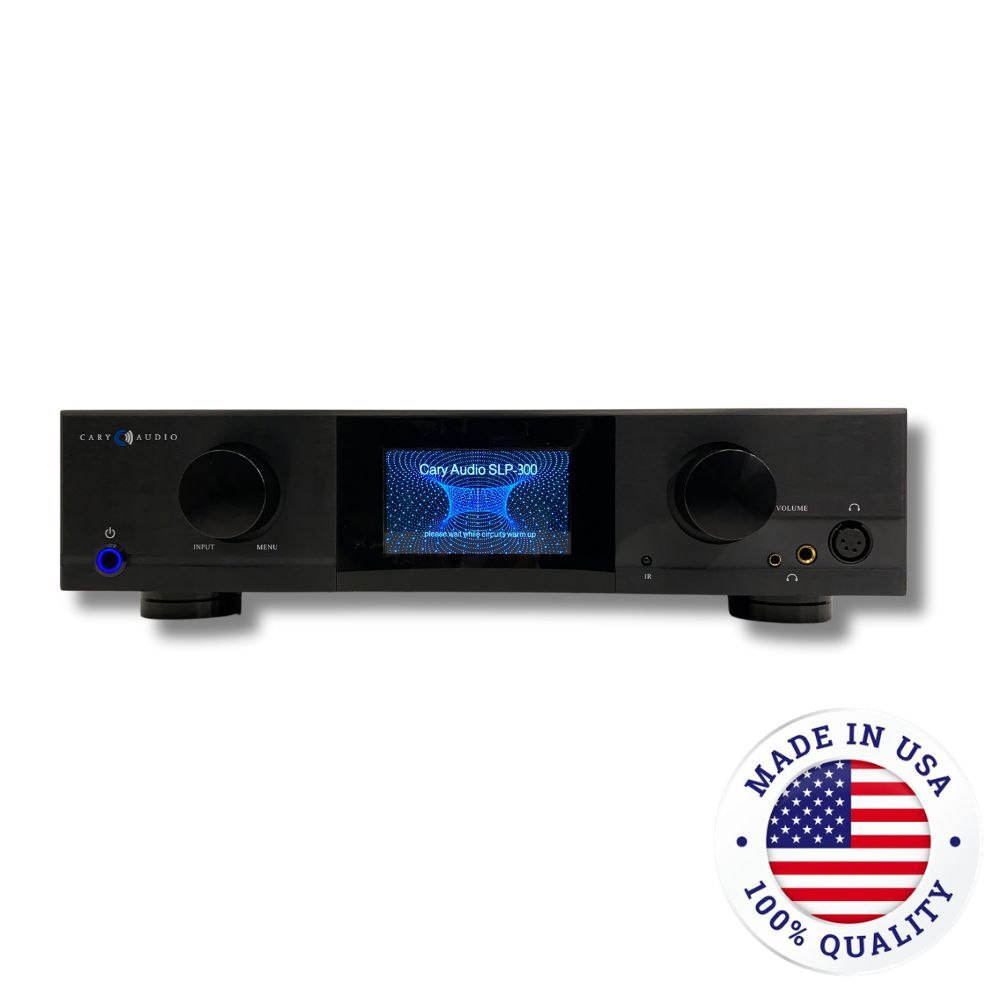
Cary Audio takes the first route, and does so deliberately rather than as a compromise. The SLP-05 pairs eight 6SN7 tubes with a 5AR4 rectifier across its two chassis, running in Class A triode operation that shapes the signal with real harmonic character rather than aiming for none at all; it adds a dedicated headphone stage, a cinema bypass input for integrating into a home theatre system, and remote volume control. Cary’s VT-500 takes a different tack again, folding a full tube phono stage and a line preamplifier into one chassis for systems built around a single hub rather than a stack of separate boxes.
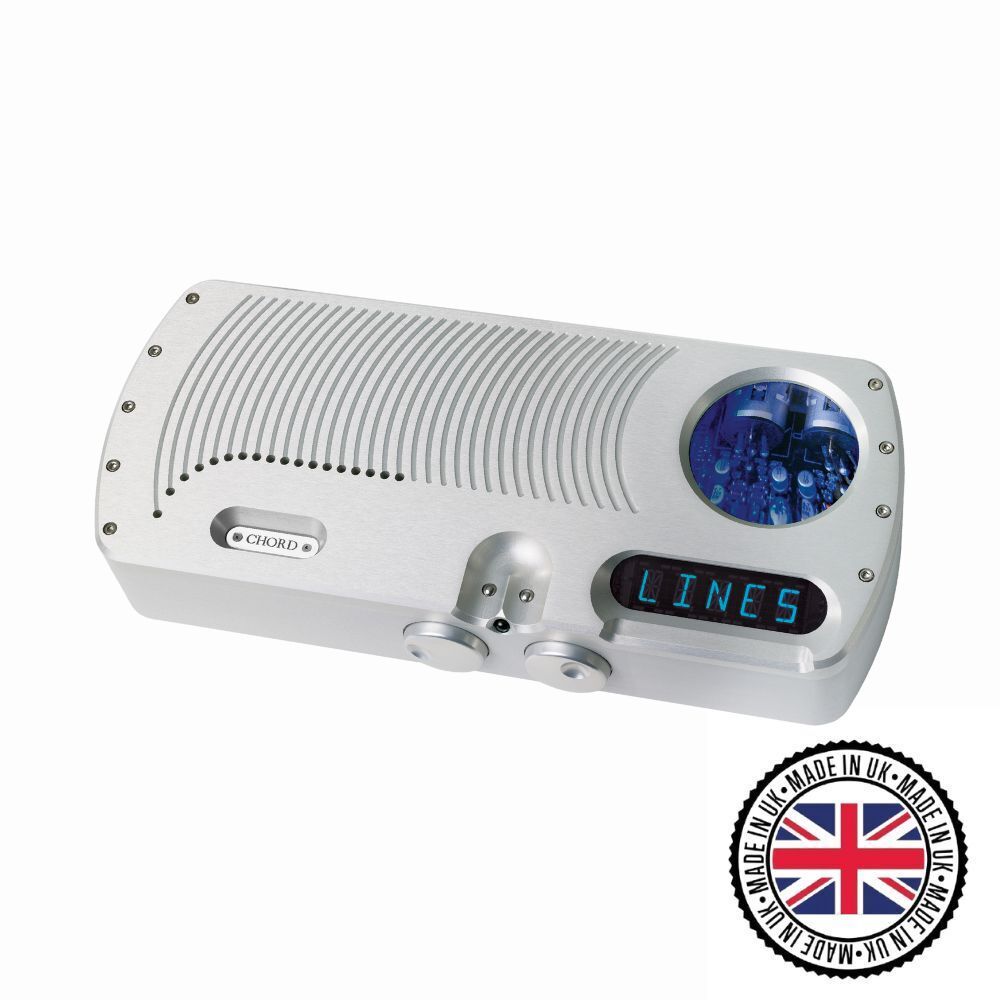
Chord Electronics‘ Ultima Pre 2 is engineered around the opposite philosophy: add nothing to the original waveform. Its switch-mode power supply, developed from aerospace technology, and shielded solid-state circuitry are built specifically to push the noise floor down to -130dB, so a source sounds like the source and nothing else. Connectivity runs to eight inputs — four balanced XLR and four unbalanced RCA, each individually gain-matched and selectable — with a single stereo output pair able to drive either a stereo power amplifier such as the Ultima 6 or a pair of monoblocks such as the Ultima 3, plus a front-panel headphone output and three trigger outputs for starting an entire system with one button. The smaller Ultima Pre 3 offers five inputs within the same design philosophy at a more accessible price.
Lehmannaudio takes a third route entirely: fold more into a smaller footprint rather than choosing a side in the tube-versus-solid-state debate. Its Linear D packs an ESS Sabre K2M digital-to-analogue converter, TOSLINK and coaxial digital inputs, and DIP-switch-selectable gain into a chassis barely bigger than a paperback, automatically switching to its analogue input whenever no digital signal is present. The flagship Phonolith goes further still, combining a phono stage, a line preamplifier and a headphone amplifier in one design powered by a separate PWX II LZ supply — built for listeners who want vinyl, digital and headphone listening handled by a single unit rather than three.
Decide first whether a preamplifier should get out of the way entirely, add deliberate harmonic character, or fold in a DAC and phono stage as well — that decision shapes a system’s sound more than any input count or noise-floor figure on a spec sheet.
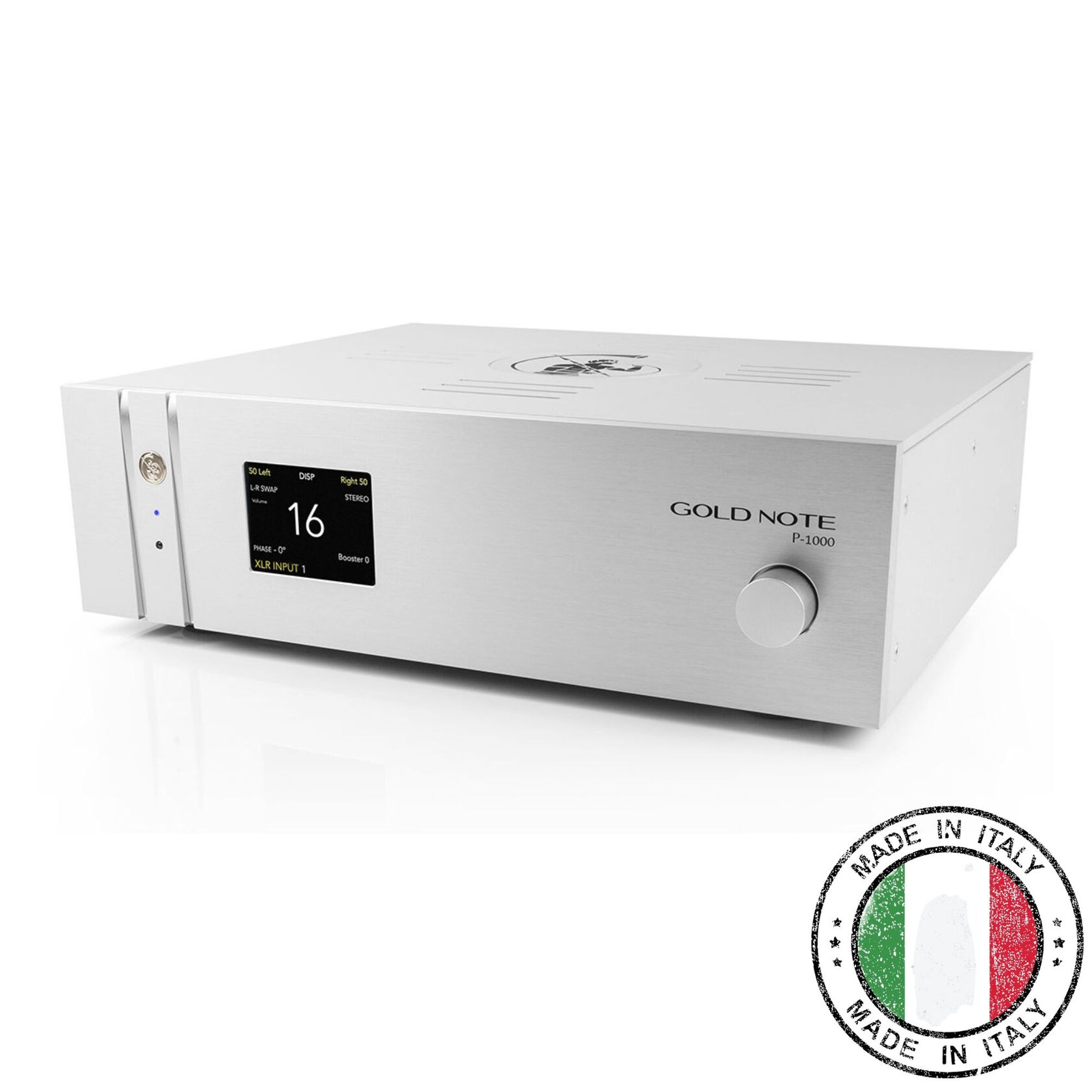
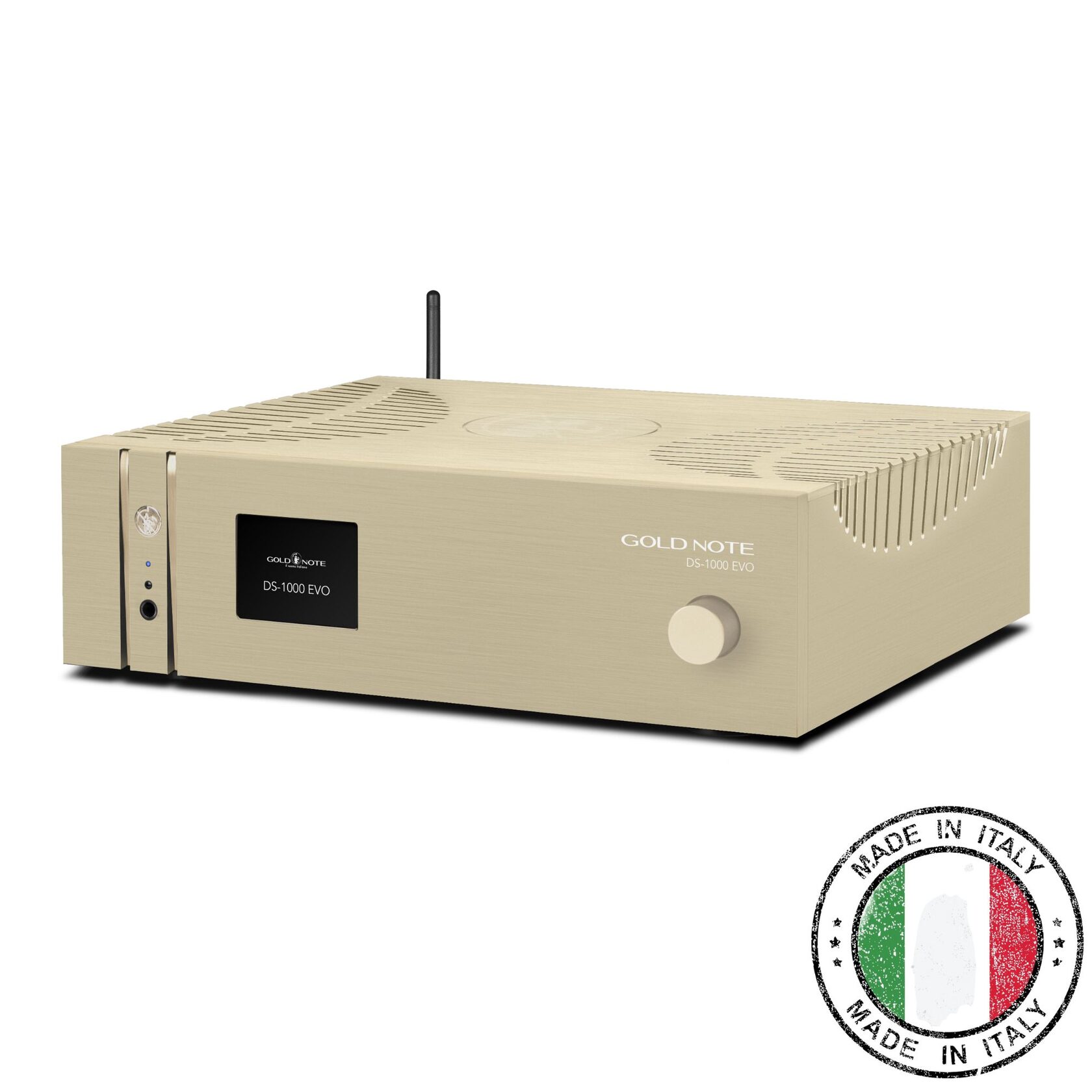
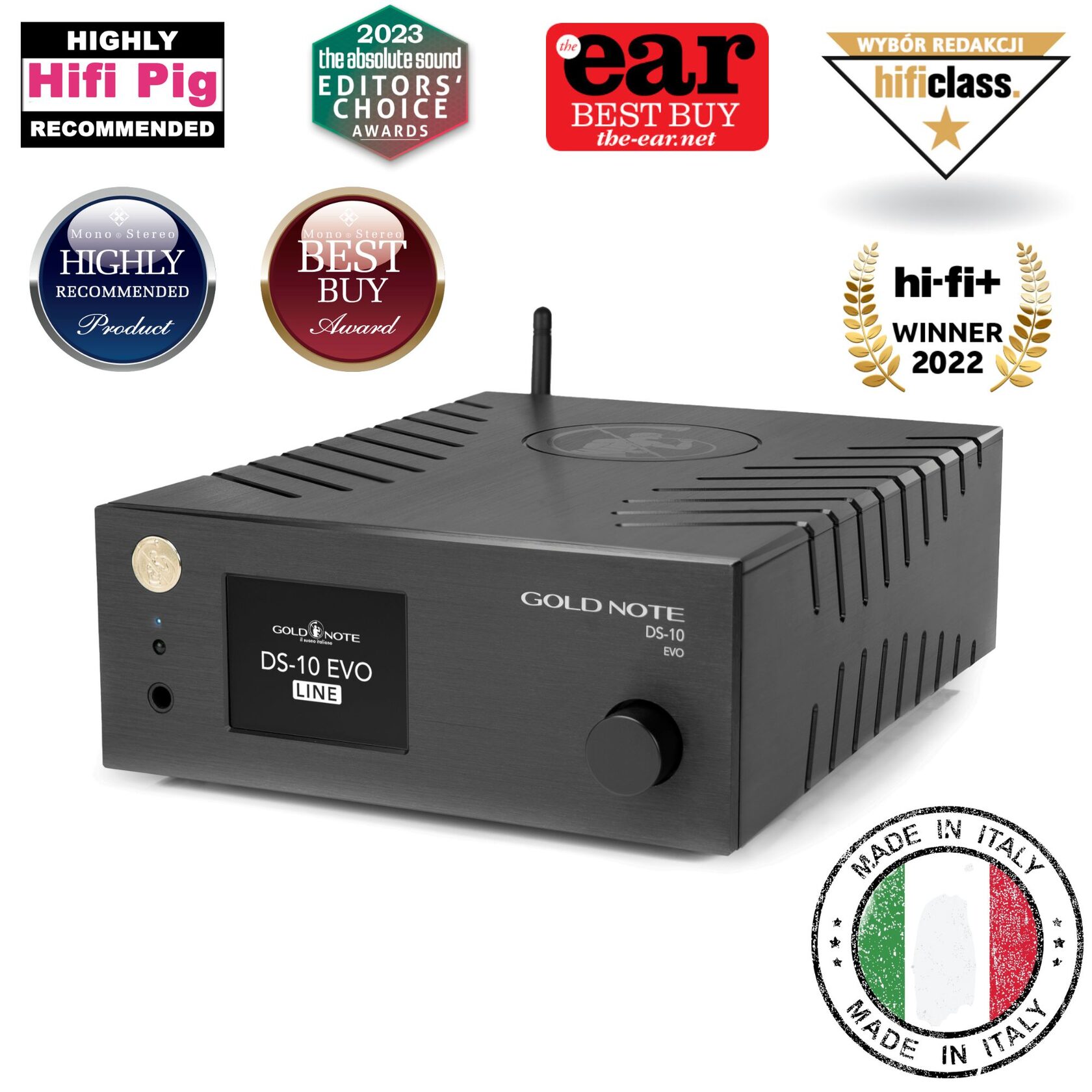

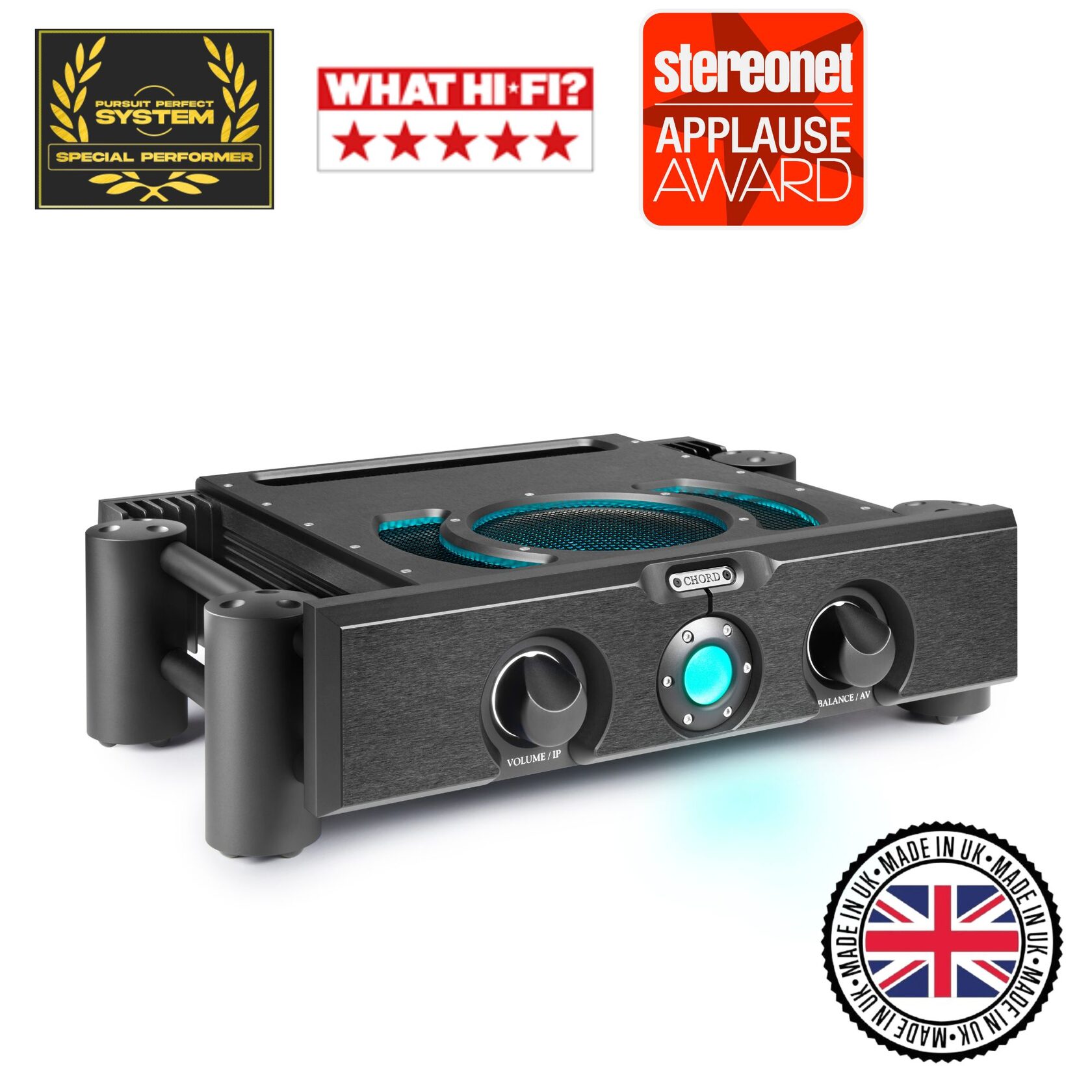
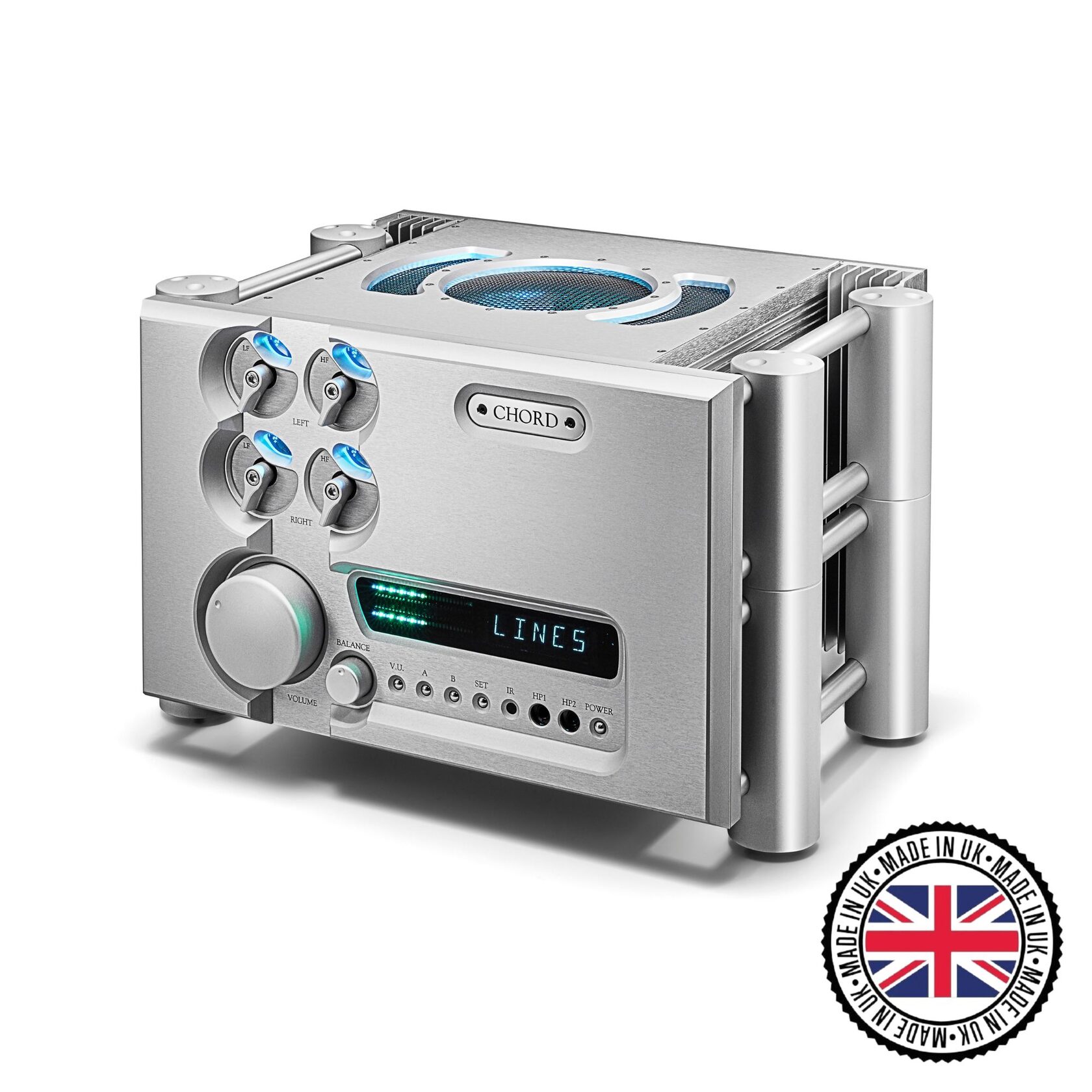
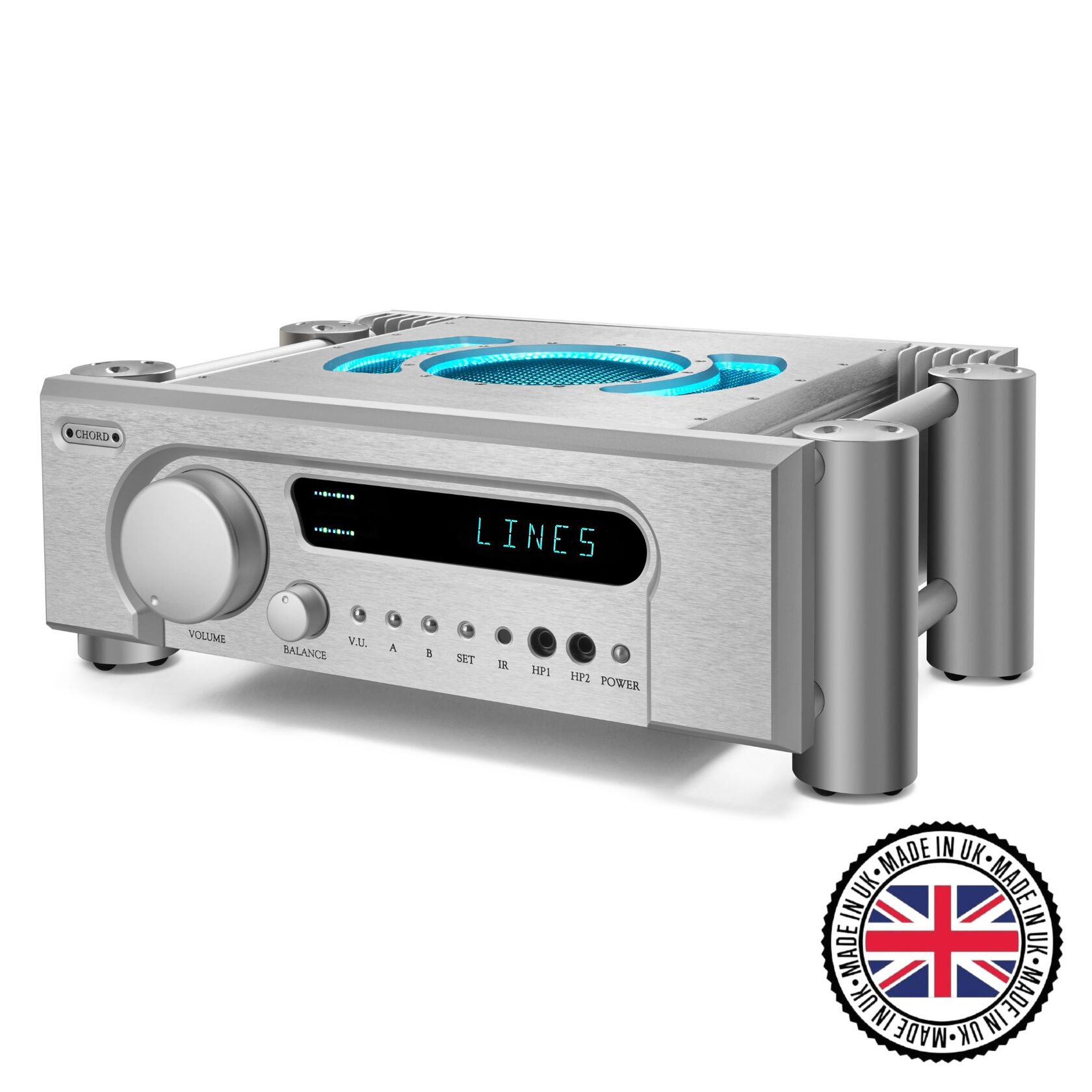
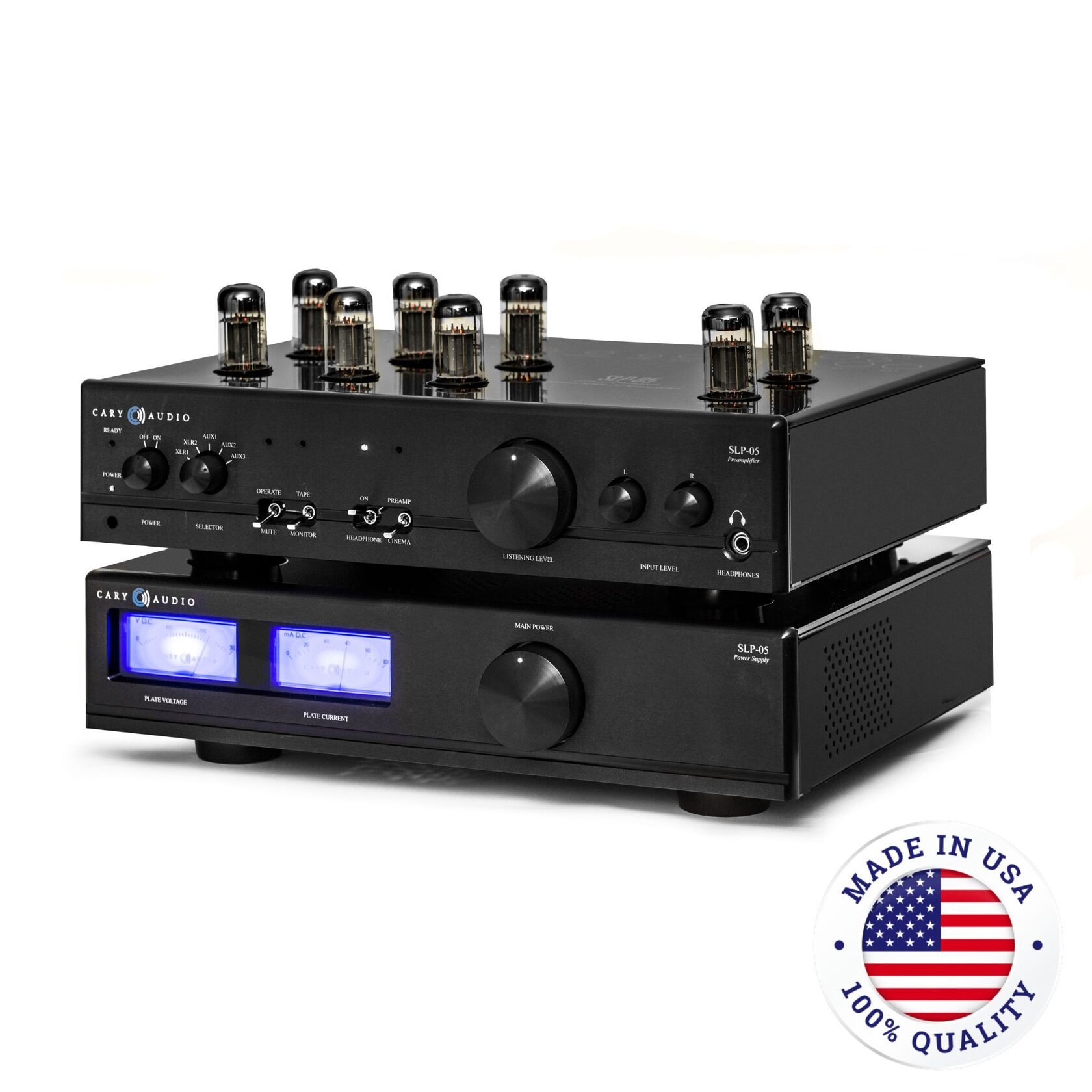

A preamplifier is the component in a hi-fi system responsible for selecting between connected sources, setting their output level to what a power amplifier expects, and passing the signal on without adding noise or coloration. Preamplifier designs differ mainly in how they manage the power supply that delicate low-level audio circuitry sits alongside — some use a separate chassis dedicated purely to power supply, others engineer a single low-noise chassis instead — and in whether they add deliberate harmonic character, as with vacuum tube designs, or aim to add none at all, as with many solid-state designs.
A preamplifier selects between sources and sets their output level before passing the signal to a power amplifier. An integrated amplifier already includes this stage, so a separate preamplifier only becomes relevant when pairing it with a standalone power amplifier or when a specific preamp’s sound or connectivity is wanted on its own.
A power supply handles far more current than the delicate audio signal running through the same circuitry, and keeping the two physically apart reduces the risk of hum or interference reaching the signal path. Not every design needs this; some achieve the same result with a single, carefully engineered low-noise chassis instead.
The noise floor is the level of background noise a preamplifier adds to a signal on its own. A lower noise floor, measured in decibels below the output signal, means a source is passed through with less added hiss or hum — Chord Electronics’ Ultima Pre 2, for example, is engineered for a -130dB noise floor.
Some can. All-in-one designs such as Cary Audio’s VT-500 and Lehmannaudio’s Phonolith combine a preamplifier with a phono stage and, in Phonolith’s case, a headphone amplifier as well, for systems built around a single hub rather than several separate boxes.
© 2026 MGY Europe. All rights reserved.


