


Can one pair of headphones really cover a quiet evening at home, a few hours at a desk, and a noisy commute equally well? Usually not, and that’s not a flaw in any particular model — open-back and closed-back designs are built to solve different problems. An open earcup lets air move freely for a wider, more natural soundstage; a sealed one isolates the listener and keeps sound from leaking out. This category brings together Meze Audio’s headphone range, hand-assembled in Baia Mare, Romania, spanning planar magnetic and dynamic-driver designs, wood, magnesium and vegan-leather builds, from the entry-level 99 NEO and 105 AER up to the 225-ohm ARTA flagship. Below, we look at what actually separates these designs, and how to match a pair to a room, a music collection and the electronics driving it.
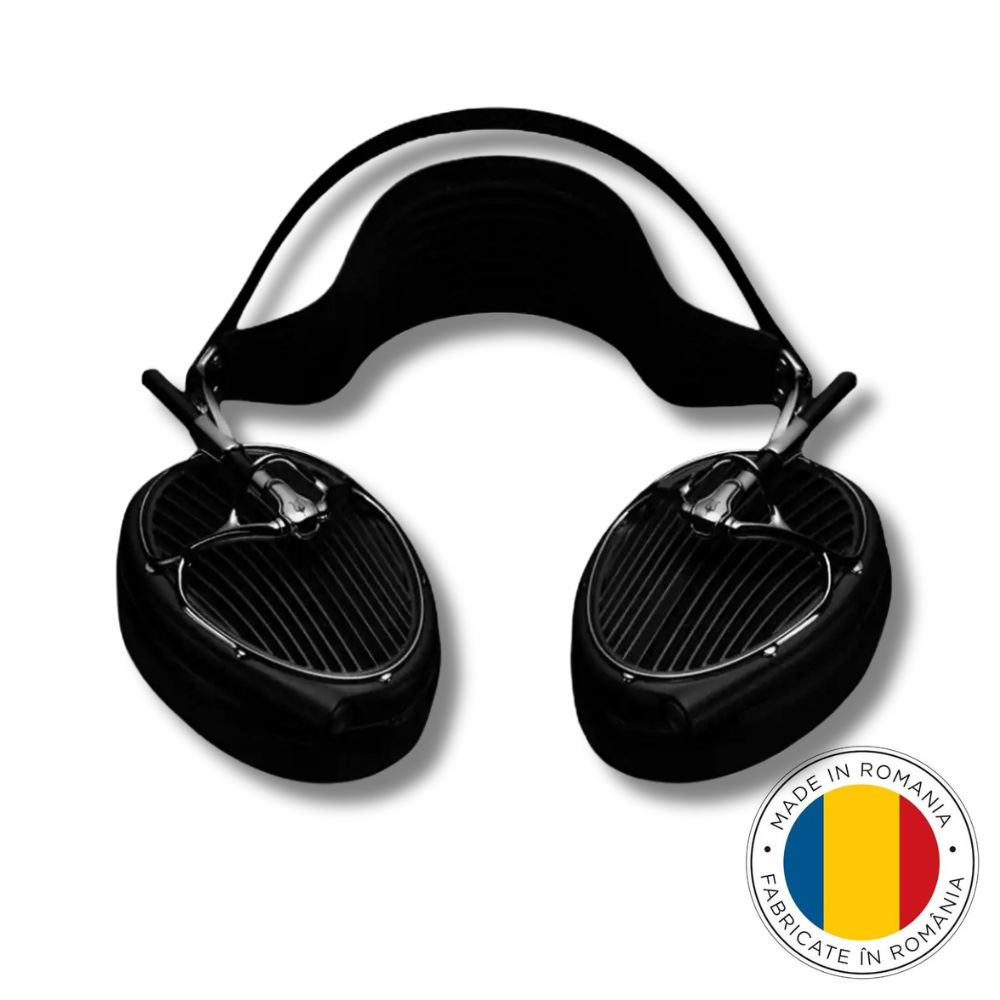

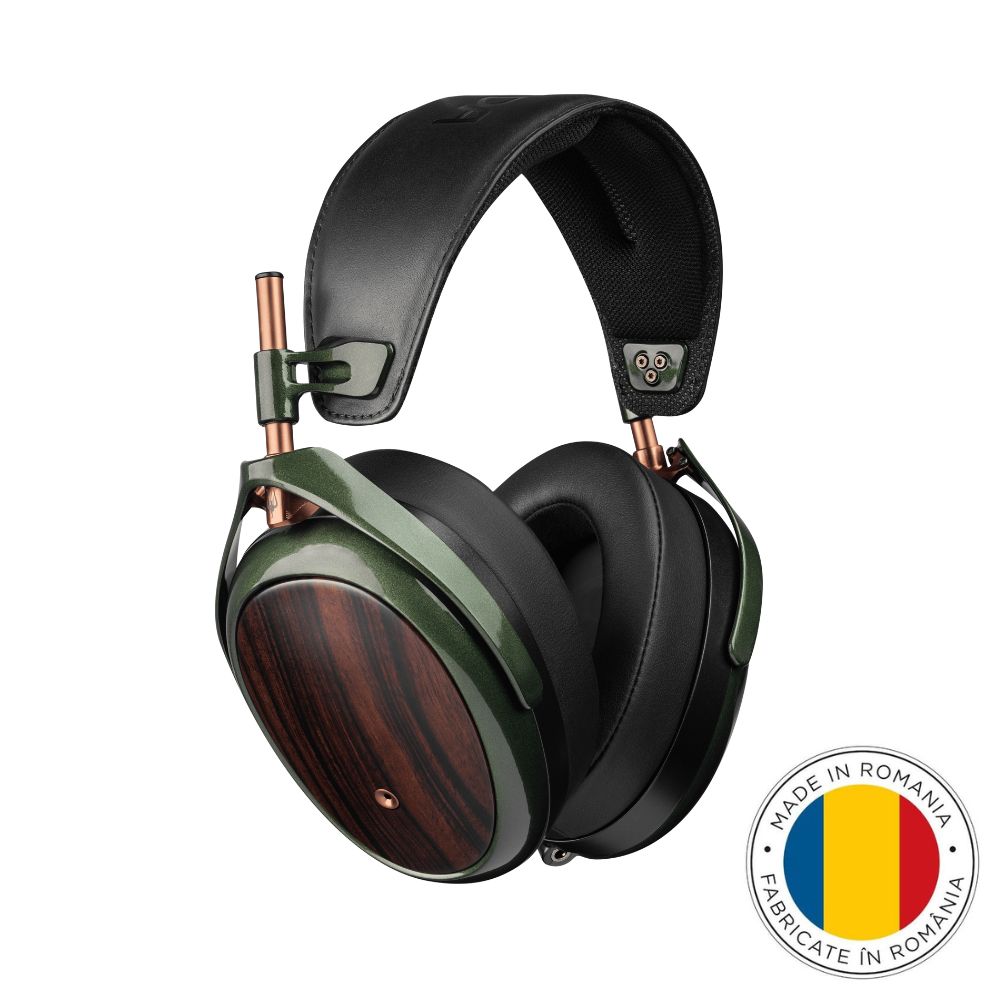
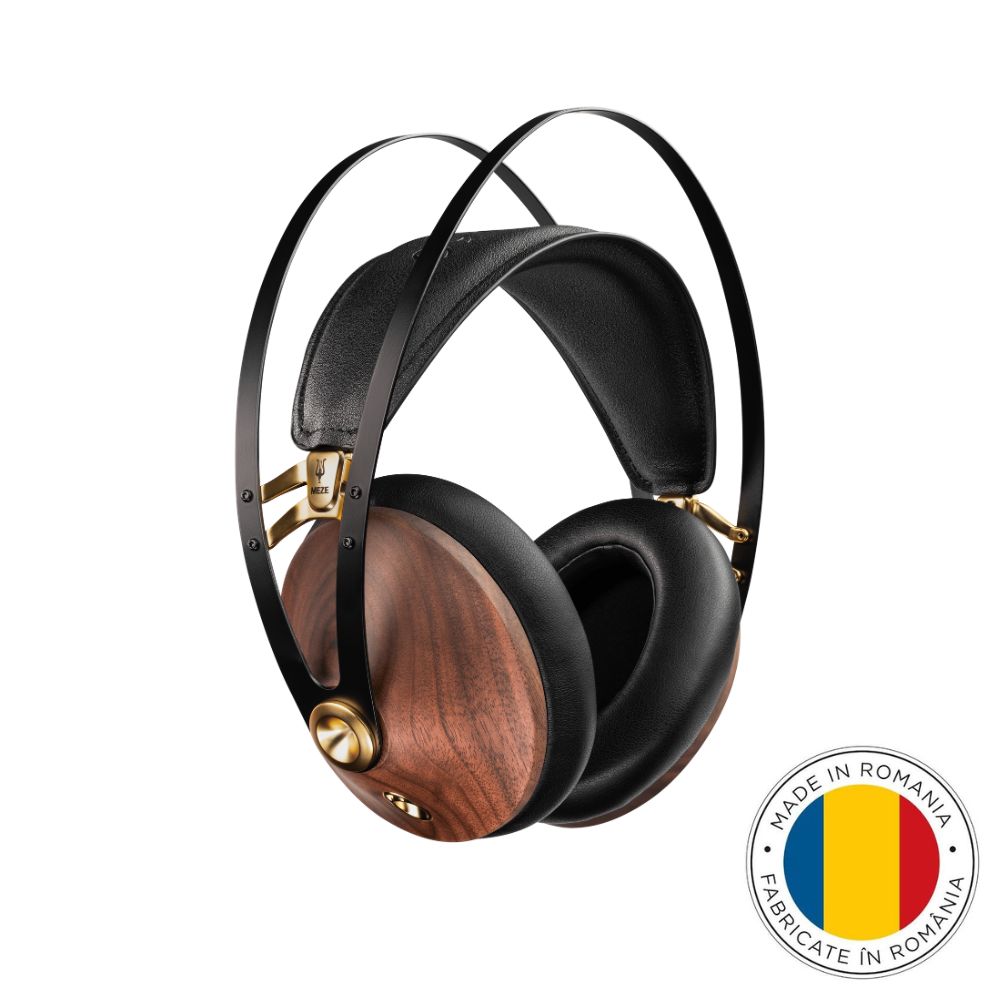
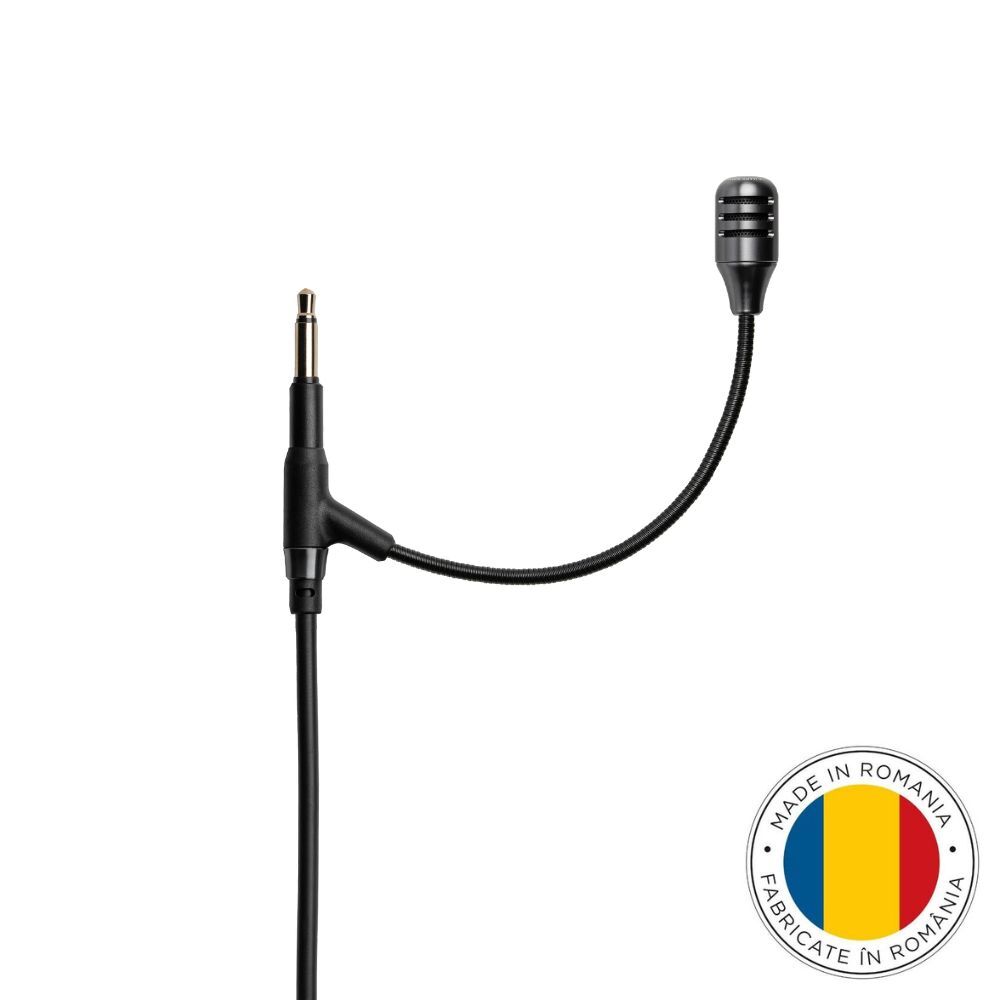









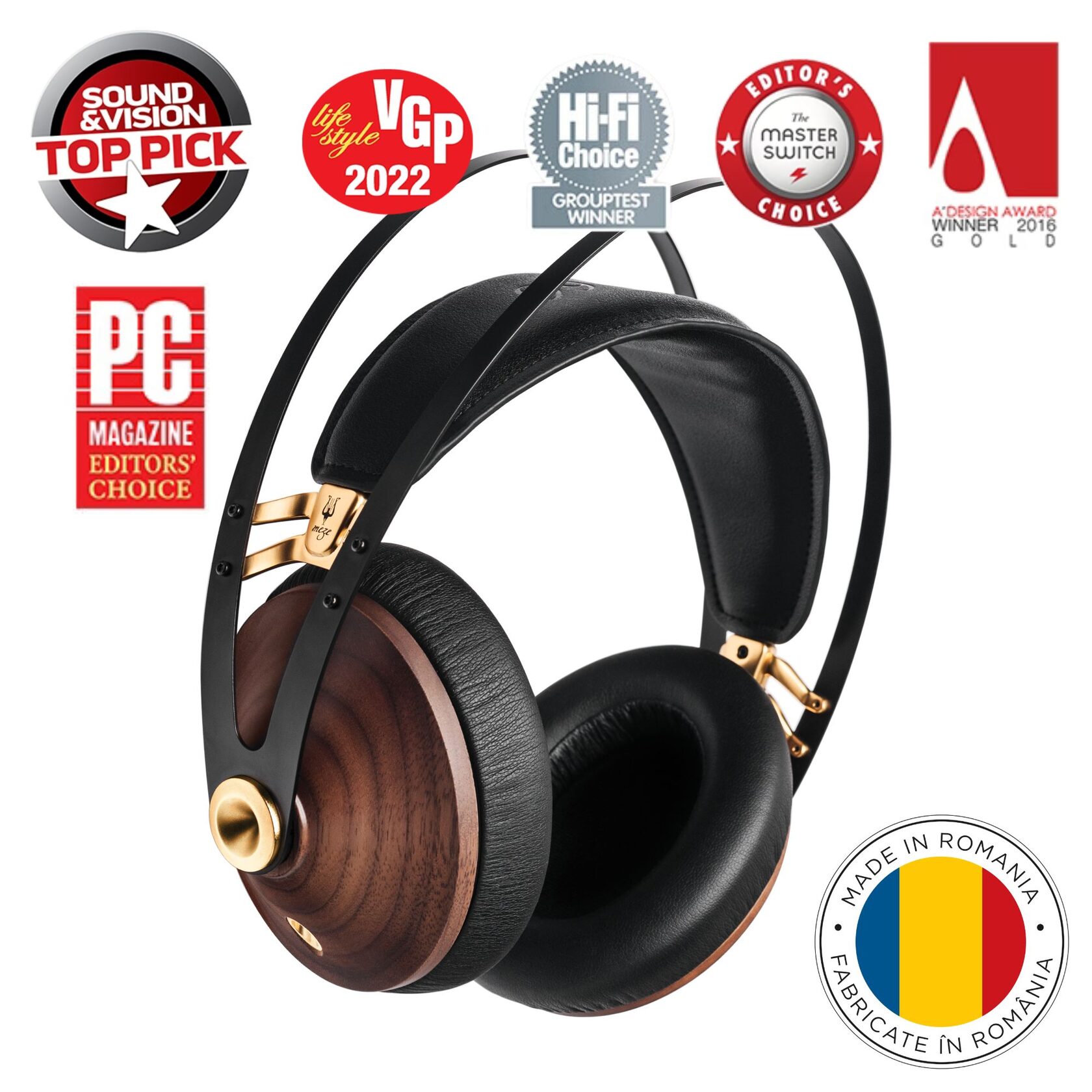

Headphones split into open-back and closed-back designs for a practical reason that predates hi-fi listening altogether: recording studios needed a way to monitor a mix through headphones without any of that sound leaking into a microphone, so sealed, closed-back designs became the professional standard. Open-back designs developed alongside them for critical home listening, where nothing needs to be isolated and a more natural sense of air matters more than containment. Meze Audio, founded in 2011 in Baia Mare, Romania, by industrial designer Antonio Meze, built its early reputation on the closed-back side of that split — the walnut-wood-cupped 99 Classics, launched in 2015, remains one of the headphones most closely associated with the brand — before expanding into open-back and planar magnetic designs over the following decade.
Meze’s current range keeps both philosophies alive rather than picking one. On the open-back side, the ARTA, Elite, Empyrean II and Poet use planar magnetic drivers for a wide, airy presentation, while the 109 PRO, 105 AER and 105 Silva bring the same open-back principle to dynamic-driver designs at a more accessible price. On the closed-back side, the Liric applies Meze’s planar magnetic engineering inside a sealed earcup, while the Strada and the wood-cupped 99 Classics and 99 NEO use dynamic drivers built for portability and everyday isolation. Neither side is the ‘better’ one — an open-back pair leaks sound in both directions and needs a quiet room, while a closed-back pair trades some of that airiness for the isolation a shared space or a train commute requires.
A dynamic driver moves a diaphragm using a voice coil and a single magnet, the same basic principle used in most loudspeakers and the more affordable end of most headphone ranges; Meze’s own 50mm dynamic driver, developed in-house, powers the 109 PRO, 105 AER, 105 Silva and Strada. A planar magnetic driver instead spreads a flat diaphragm across an array of magnets, driving it evenly across its whole surface rather than from one point — a design that generally trades some efficiency for lower distortion and a more precise sense of space. Meze develops its planar drivers together with Rinaro Isodynamics, most recently in the ARTA’s MZ5 HΩ driver, a 225-ohm design Meze describes as the highest-impedance planar magnetic driver built to date.
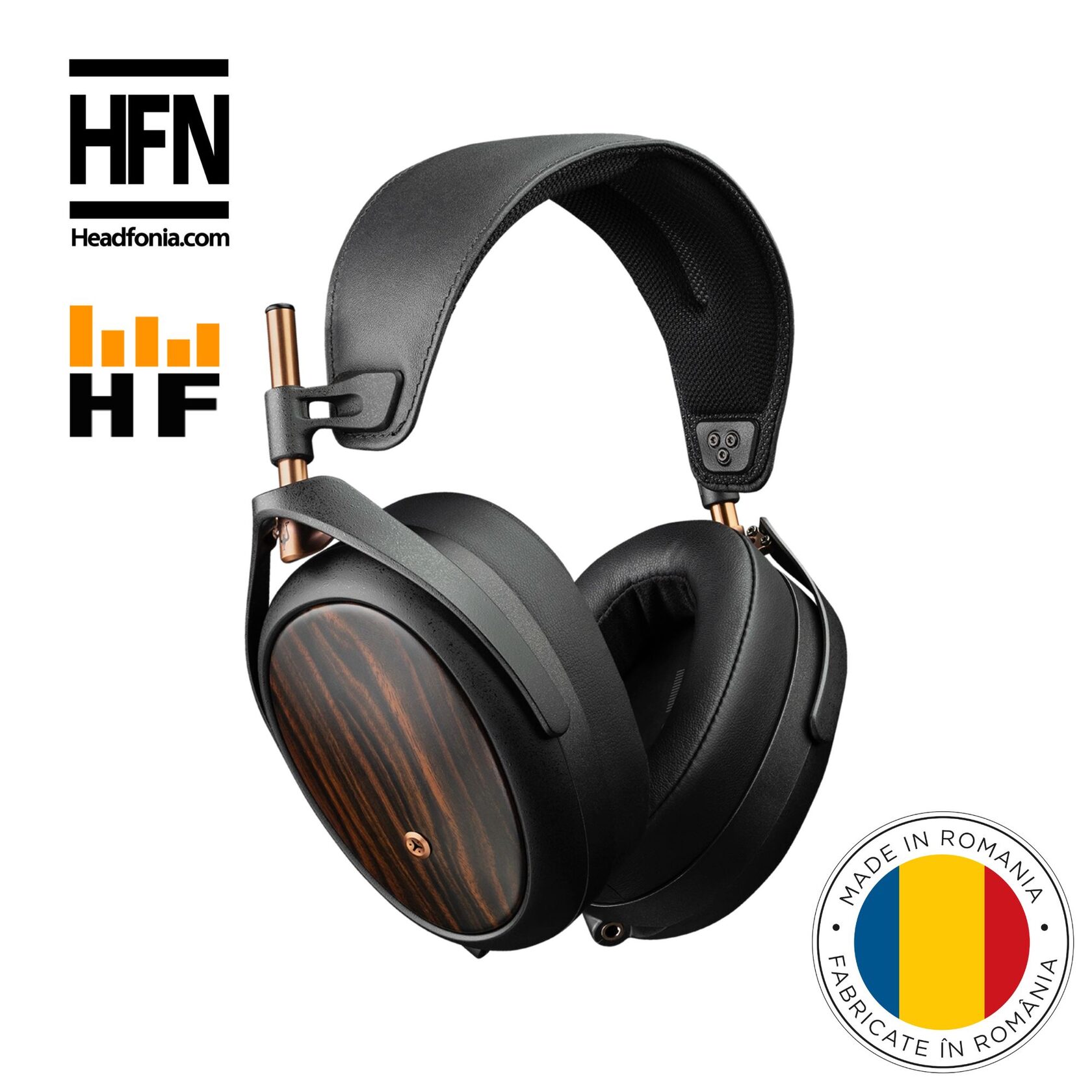
Because headphones sit directly against the head for hours at a time, the materials matter as much as the driver inside them. Meze’s wood-cupped models — the 99 Classics, 99 NEO and the Macassar-ebony-clad Strada — pair that wood with vegan leather and, in the Strada’s case, a 332-gram magnesium frame that keeps a wooden design from feeling heavy. The planar magnetic flagships take a different approach to the same problem: the Elite ships with two differently shaped earpads so a listener can adjust the fit and tonal balance, while the ARTA, despite its 225-ohm driver, weighs 495 grams and uses a fully modular build that lets every part, including the driver itself, be serviced rather than replaced outright.
Impedance and sensitivity determine how much power a headphone needs, and Meze’s own range shows just how wide that spread can be. The 99 Classics and 99 NEO sit at a low enough impedance to run comfortably from a phone or laptop headphone jack. The ARTA sits at the opposite extreme: its 225-ohm MZ5 HΩ driver is built specifically for high-voltage desktop amplifiers, and is unlikely to reach its intended output from a portable source alone. Between those two points, models like the Empyrean II, Elite, Liric and Poet benefit from, without strictly requiring, a dedicated headphone amplifier or DAC to reach their full dynamic range.
Every headphone in Meze’s current range is wired rather than wireless, a deliberate choice rather than an oversight. A wired connection avoids the compression and battery dependency of Bluetooth audio entirely, which matters more as a headphone’s driver and amplification requirements grow more demanding — there would be little point pairing a 225-ohm planar driver with a wireless signal chain built around a phone’s Bluetooth chipset. For listeners who want wireless convenience alongside a wired pair for serious listening, that usually means treating the two as separate tools for separate situations, rather than looking for one headphone to do both jobs.
Start with where the listening happens: a closed-back pair — the 99 NEO, 99 Classics, Strada or Liric — makes sense for a shared home, an office or travel, while an open-back pair — the 105 AER, 105 Silva, 109 PRO, Empyrean II, Elite, Poet or ARTA — suits a dedicated, quiet listening space. From there, decide between a dynamic driver’s more affordable, familiar character and a planar magnetic driver’s typically wider, more resolved presentation, keeping in mind that Meze’s planar range sits at a higher price point across the board. Finally, check what’s driving the headphones: entry and mid-range models run comfortably from a phone or laptop, while the higher-impedance flagships, and especially the 225-ohm ARTA, are built around a dedicated headphone amplifier or DAC rather than a portable source.
Not sure whether an open-back or closed-back Meze model suits your room, or which headphone amplifier a higher-impedance pair like the ARTA or Empyrean II actually needs? Get in touch with the MGY Europe team, official distributor of Meze Audio for Estonia, Latvia and Lithuania, for guidance on matching headphones to your space and system.

Headphones are personal listening devices worn over or on the ear, built in two main acoustic designs: open-back, which vents the earcup for a wider, more natural soundstage at the cost of sound isolation, and closed-back, which seals the earcup to isolate the listener and contain sound. Within each design, a dynamic driver moves a diaphragm with a voice coil and single magnet, while a planar magnetic driver spreads a flat diaphragm across an array of magnets for typically lower distortion and a more precise soundstage. MGY Europe’s headphones category features Meze Audio’s range across both designs and both driver types, from entry-level dynamic models to planar magnetic flagships built around dedicated headphone amplifiers.
Open-back models, such as the ARTA, Elite, Empyrean II, Poet, 109 PRO and 105 series, use a vented earcup for a wider, airier soundstage but leak sound both ways, making them best suited to a quiet room. Closed-back models, including the Liric, Strada, 99 Classics and 99 NEO, seal the earcup for isolation, making them the practical choice for shared spaces and travel.
A dynamic driver uses a voice coil and a single magnet to move a diaphragm, the same basic principle used in most loudspeakers; Meze builds its own 50mm dynamic driver for models like the 109 PRO and Strada. A planar magnetic driver spreads a flat diaphragm across an array of magnets instead, typically trading some efficiency for lower distortion and a more precise sense of space; Meze develops these drivers with Rinaro Isodynamics for models such as the Empyrean II, Elite, Poet, Liric and ARTA.
It depends on the model. Lower-impedance designs like the 99 Classics and 99 NEO run comfortably from a phone or laptop. Higher-impedance models, and particularly the ARTA’s 225-ohm driver, are built around a dedicated headphone amplifier or DAC and are unlikely to reach their intended output from a portable source alone.
No — every headphone in Meze’s current range is wired. It’s a deliberate design choice to avoid the compression and battery dependency of Bluetooth audio, particularly relevant for the brand’s higher-impedance planar magnetic models.
© 2026 MGY Europe. All rights reserved.


