Streaming offers near-perfect digital reproduction, instant access to nearly every recording ever made, and none of the inconvenience of vinyl. So why did turntable sales keep climbing for seventeen consecutive years?
A turntable’s job looks simple: spin a disc at a constant speed and drag a needle through its groove. In practice, every part of that chain – motor, platter, bearing, tonearm, cartridge – introduces its own errors, and removing them is where decades of engineering effort have gone. Speed stability (wow and flutter) alone separates a mediocre deck from a precise one; a platter that isn’t perfectly damped will resonate and colour the sound before the cartridge even reads a groove.
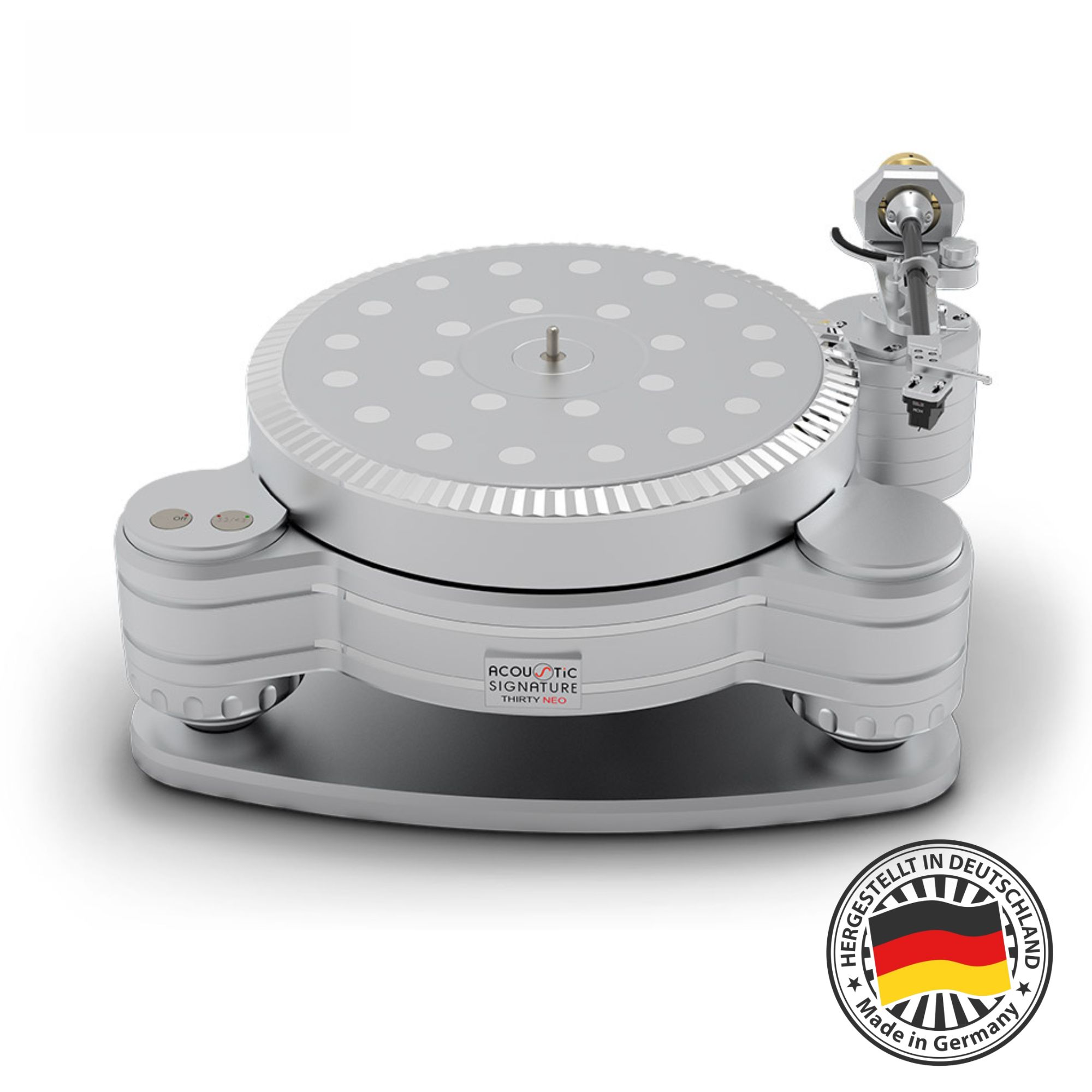
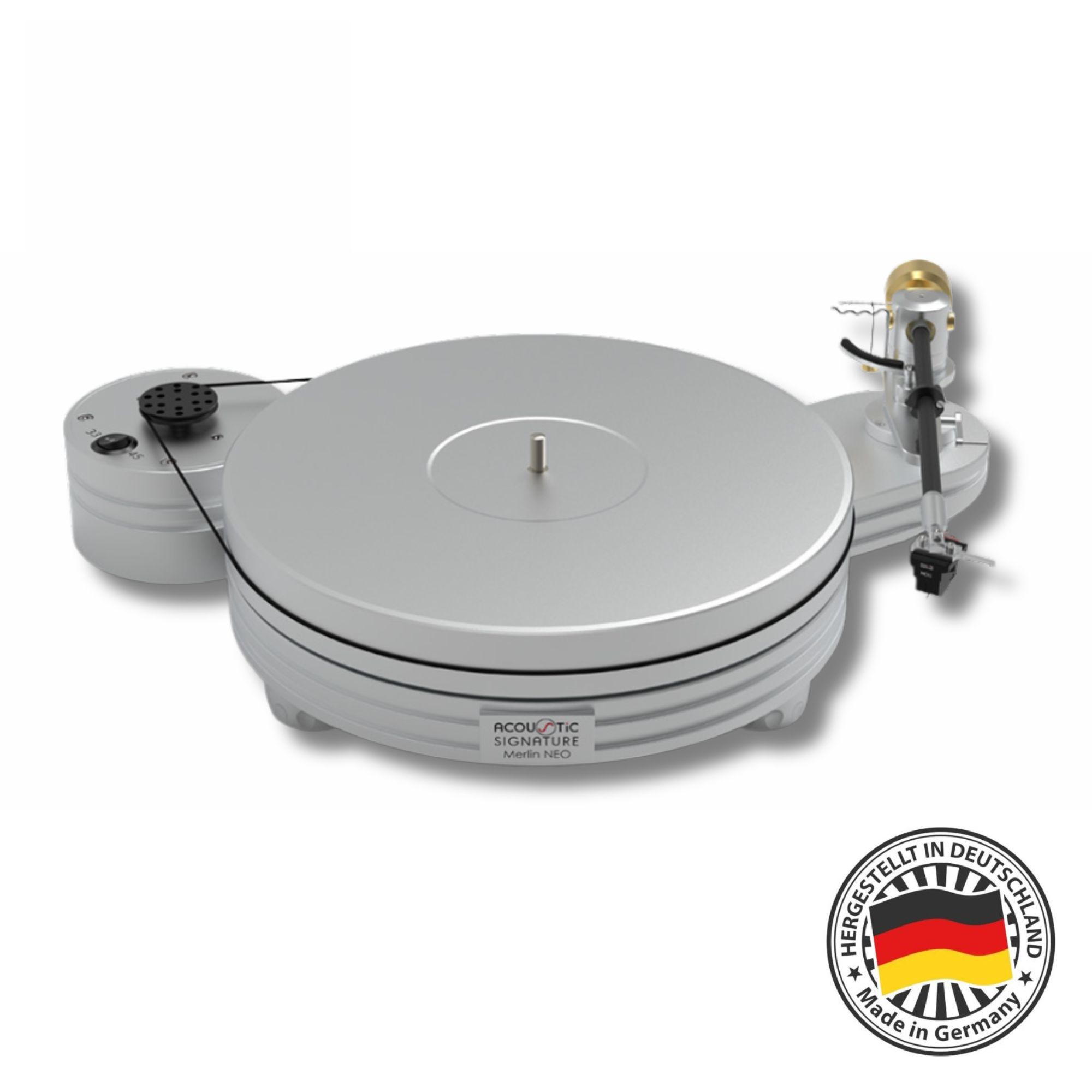
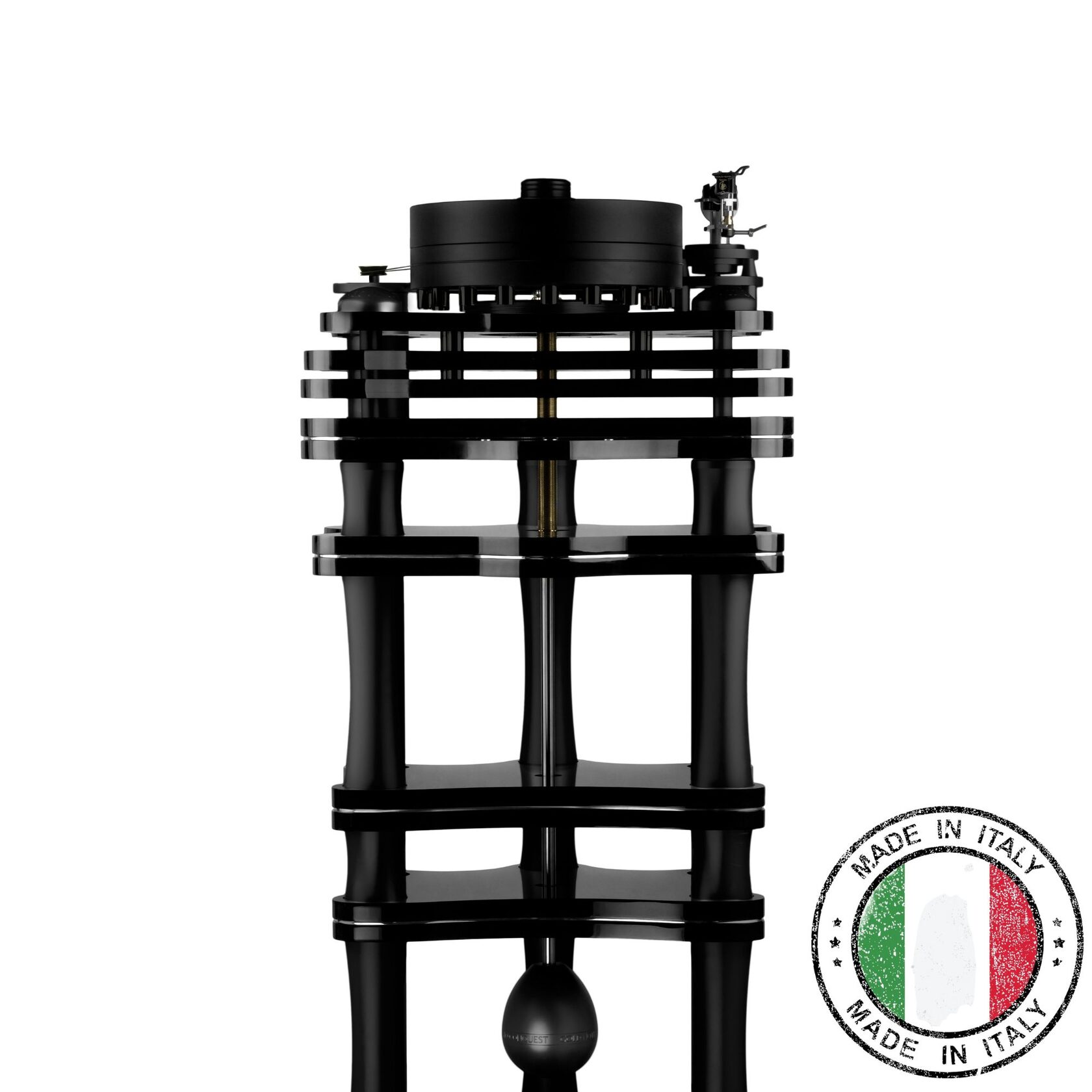
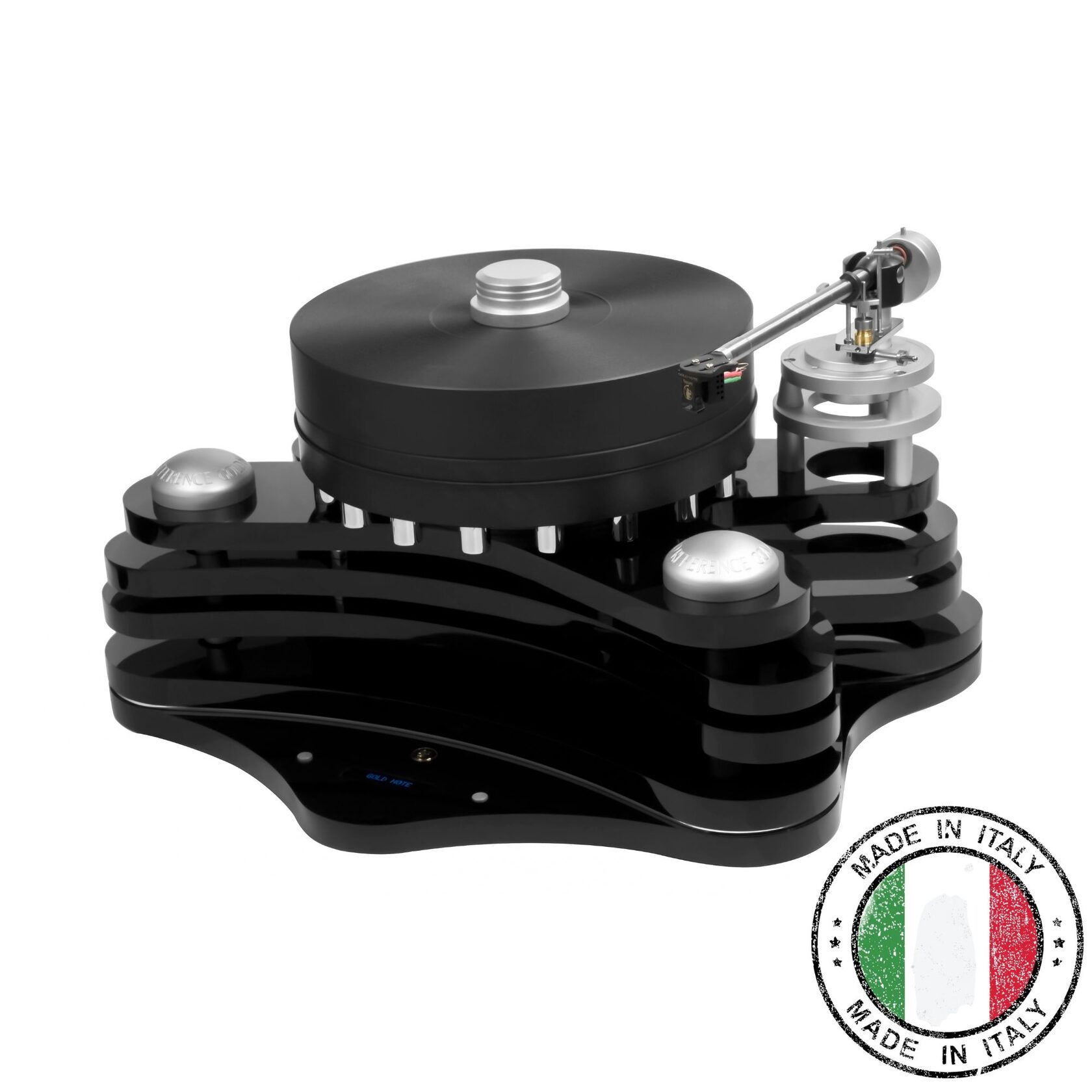
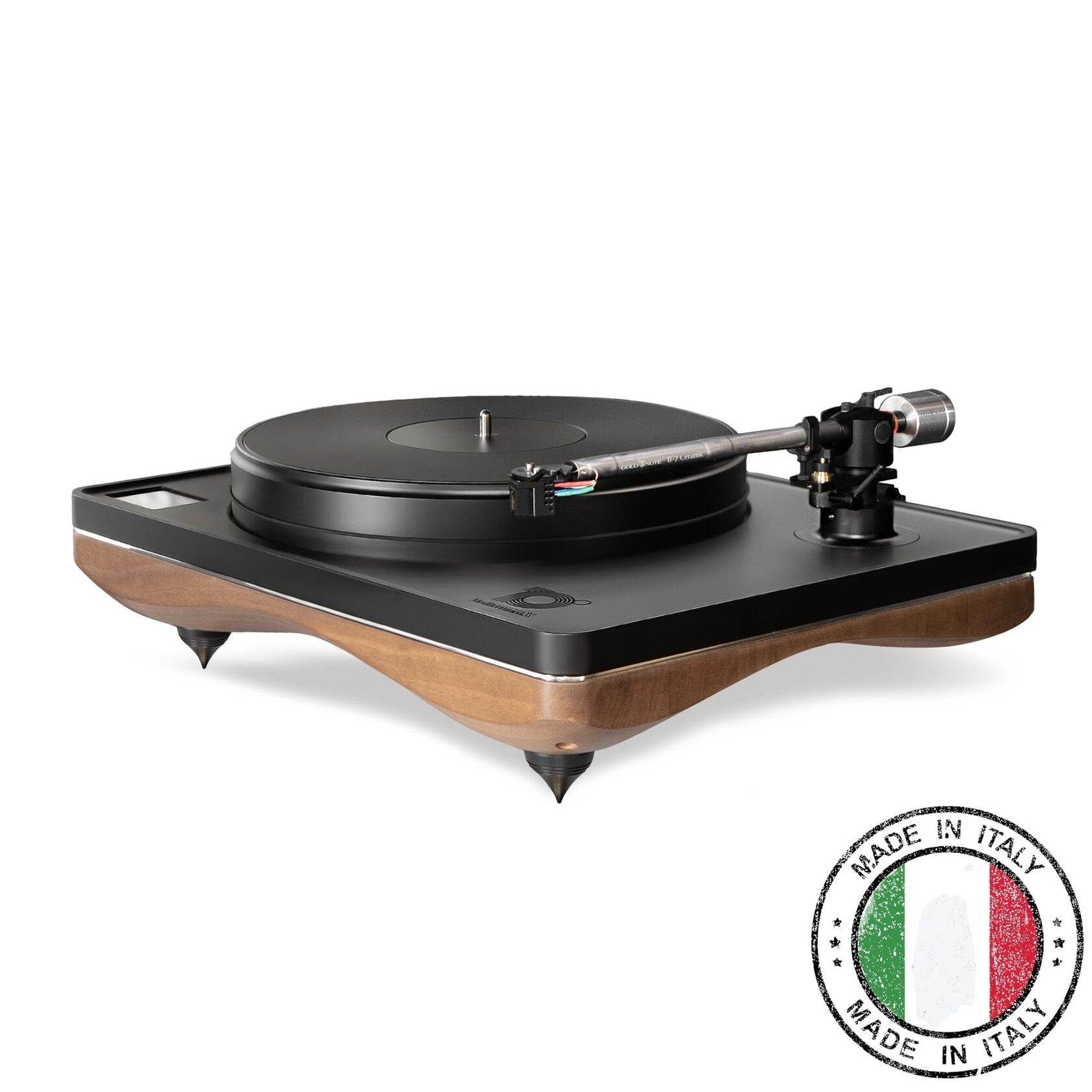
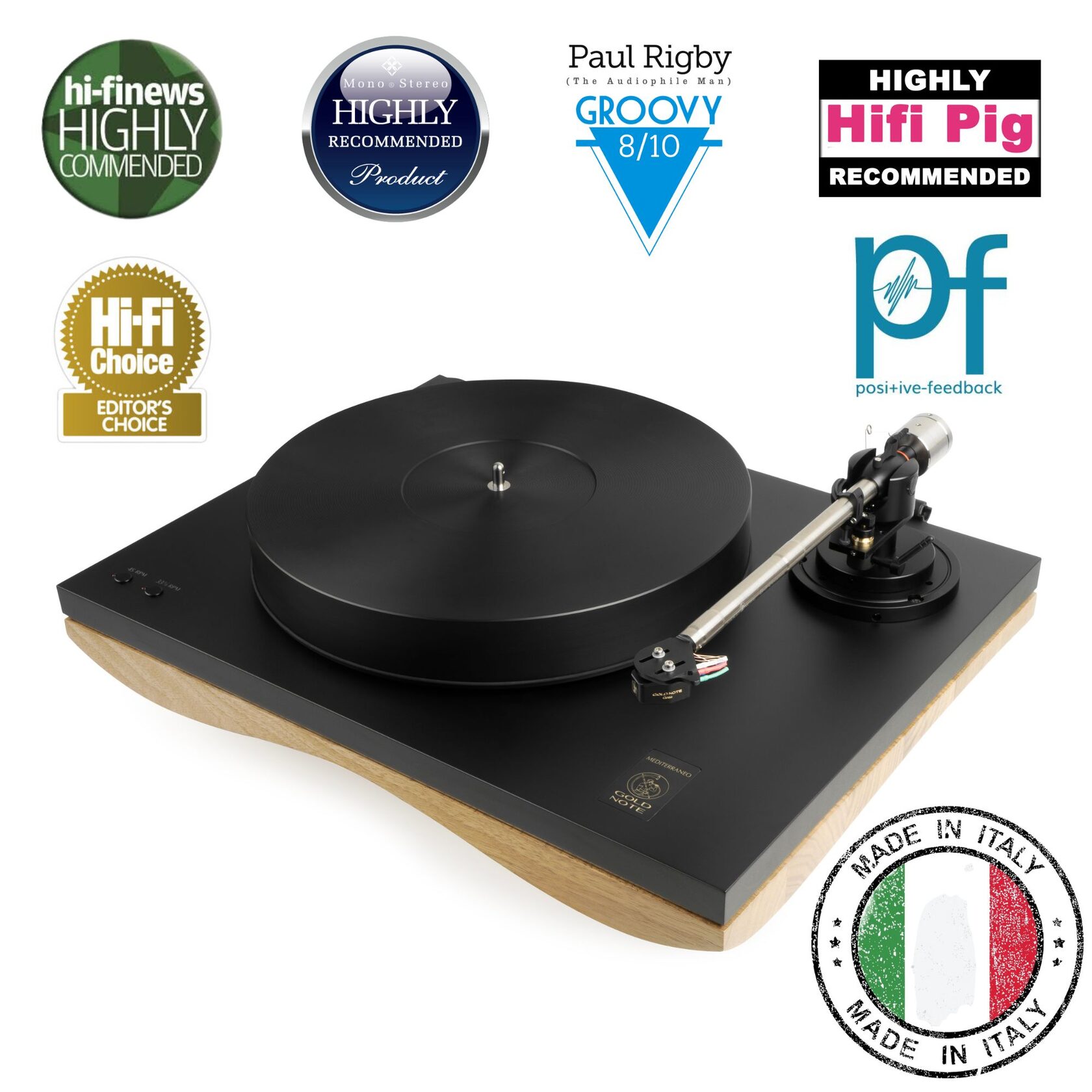
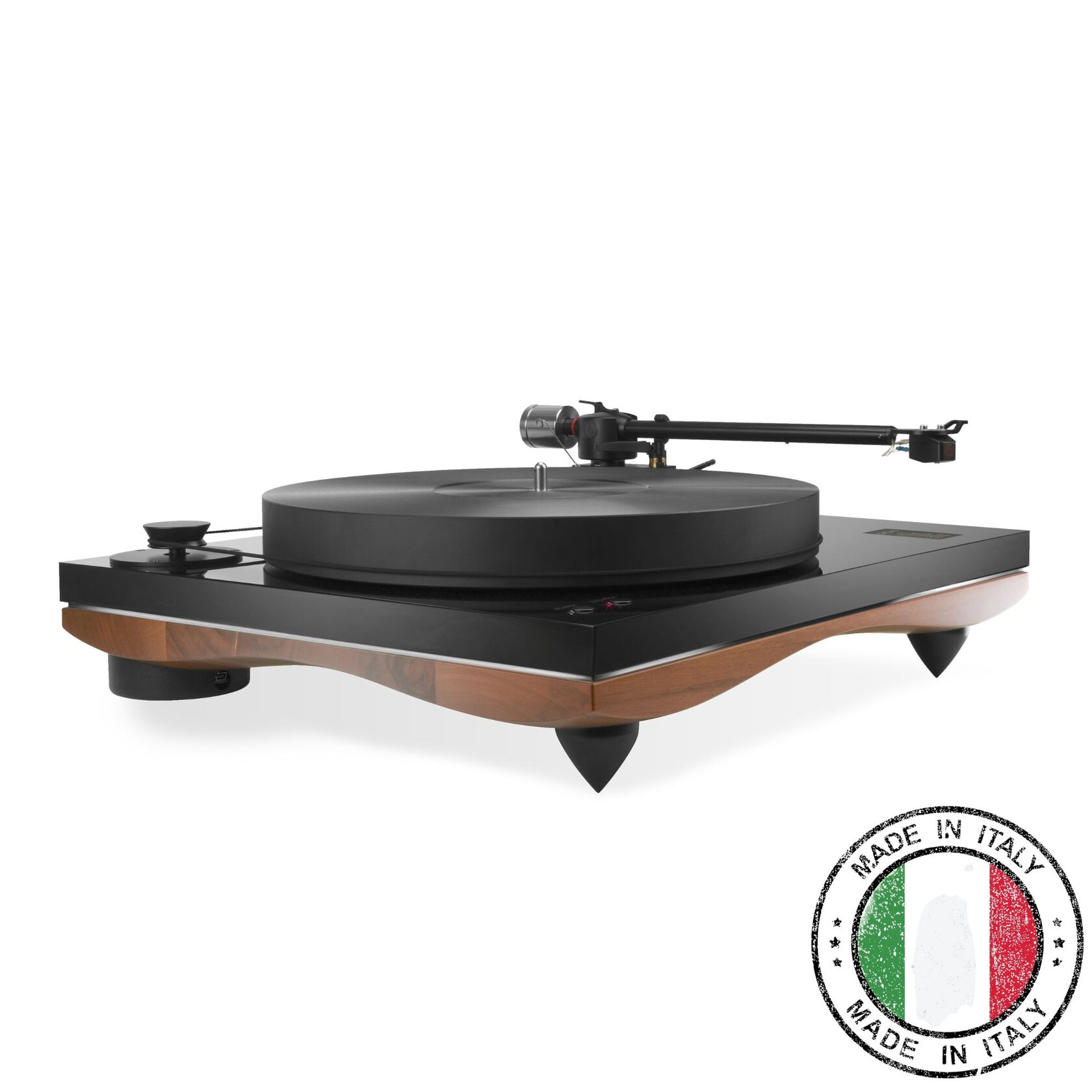
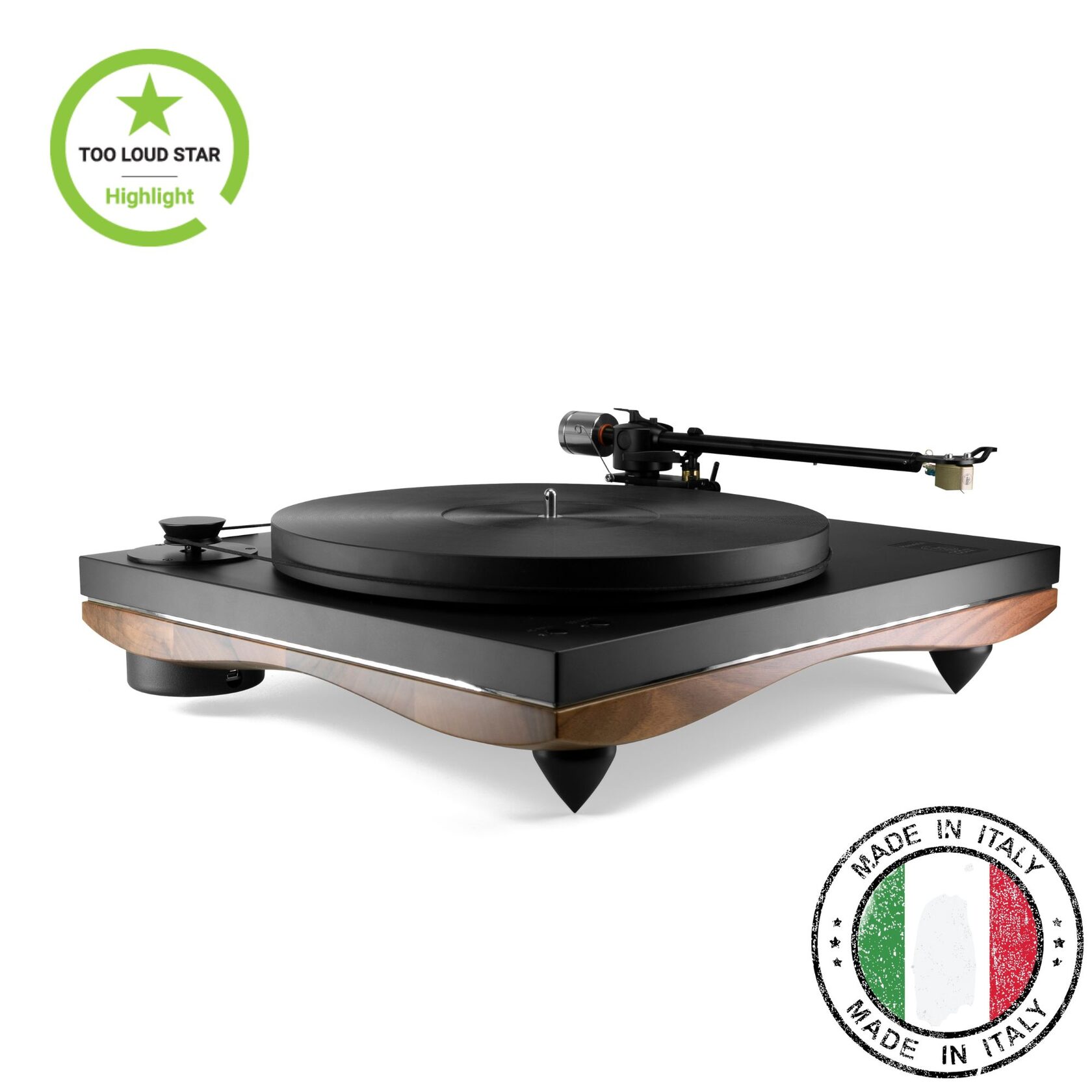
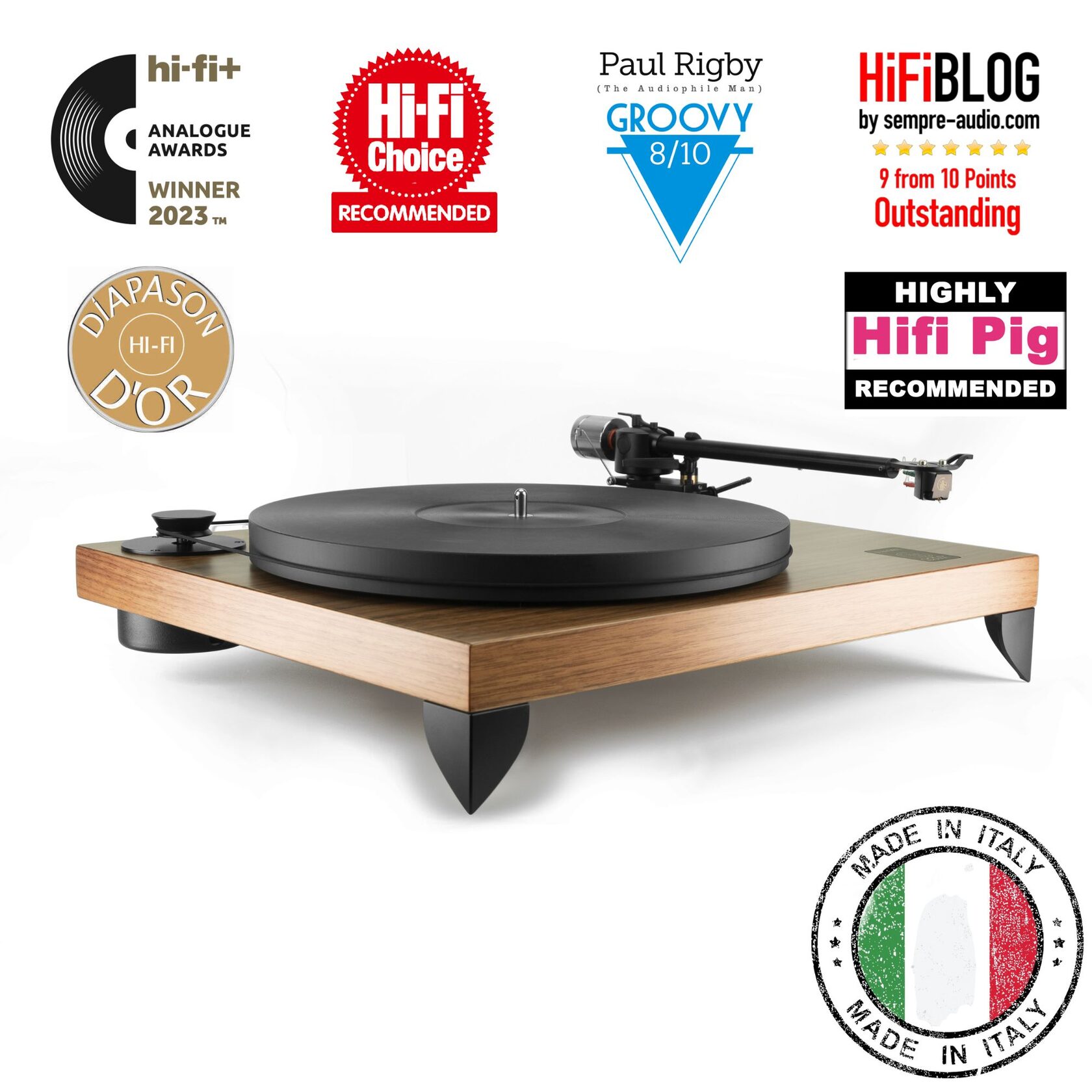
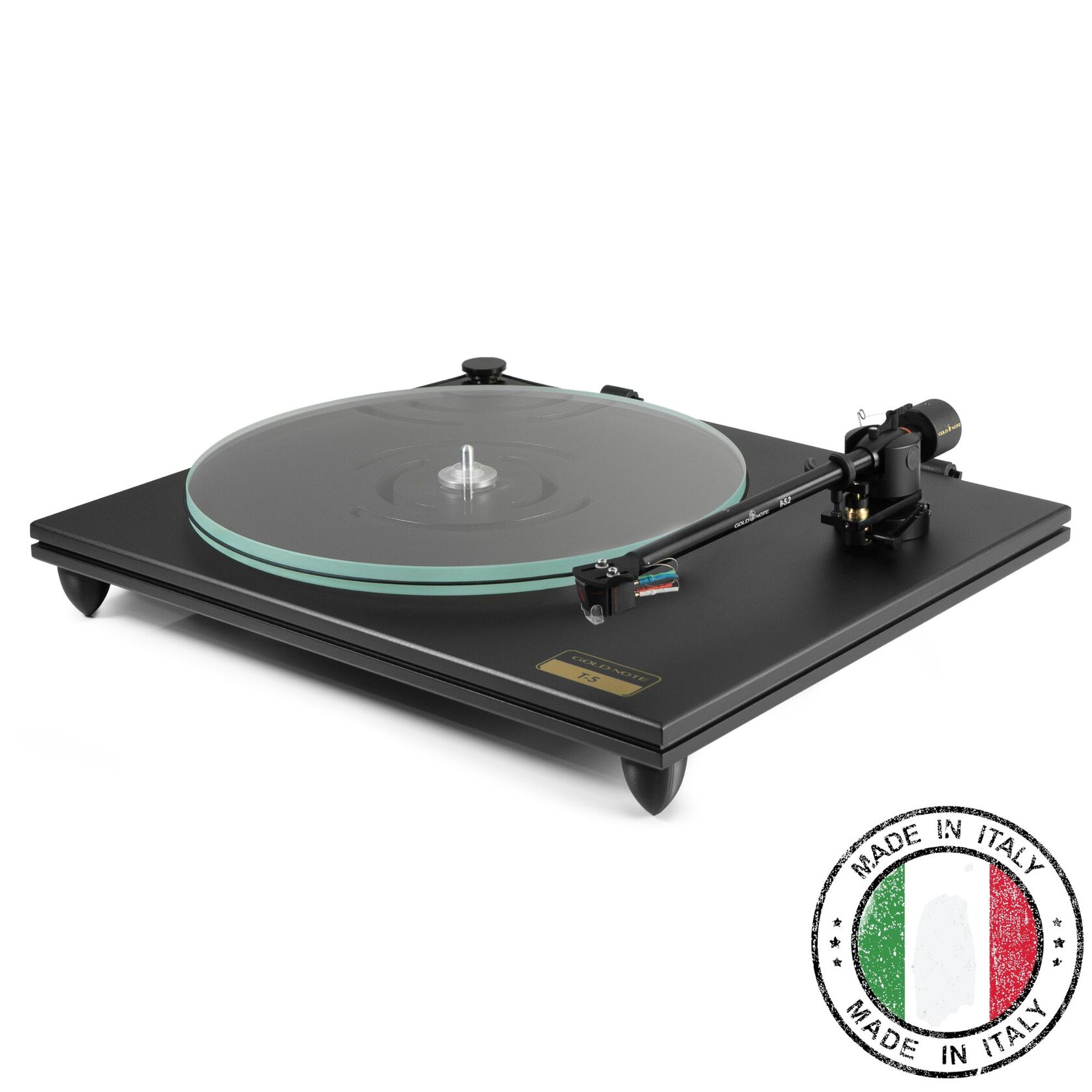
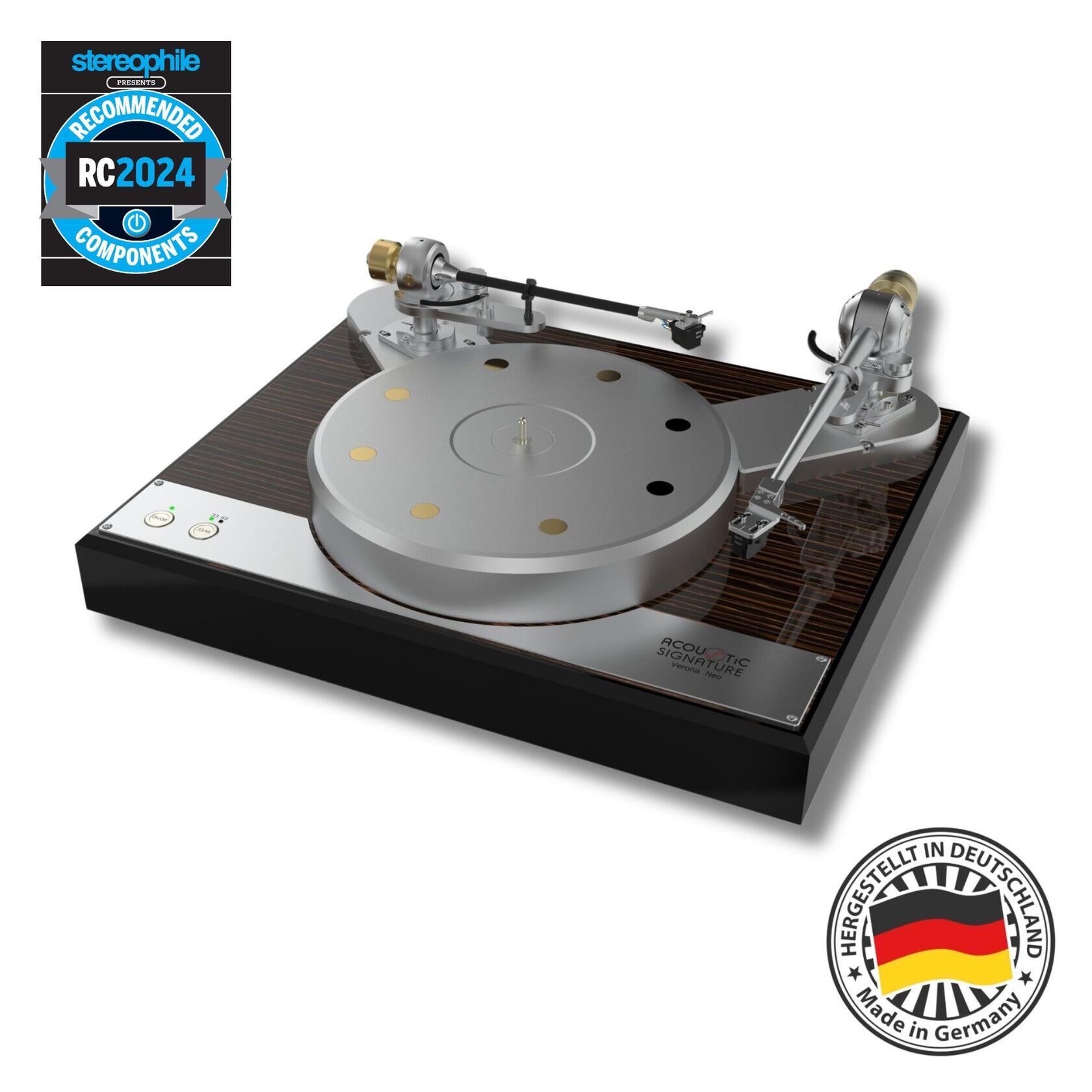
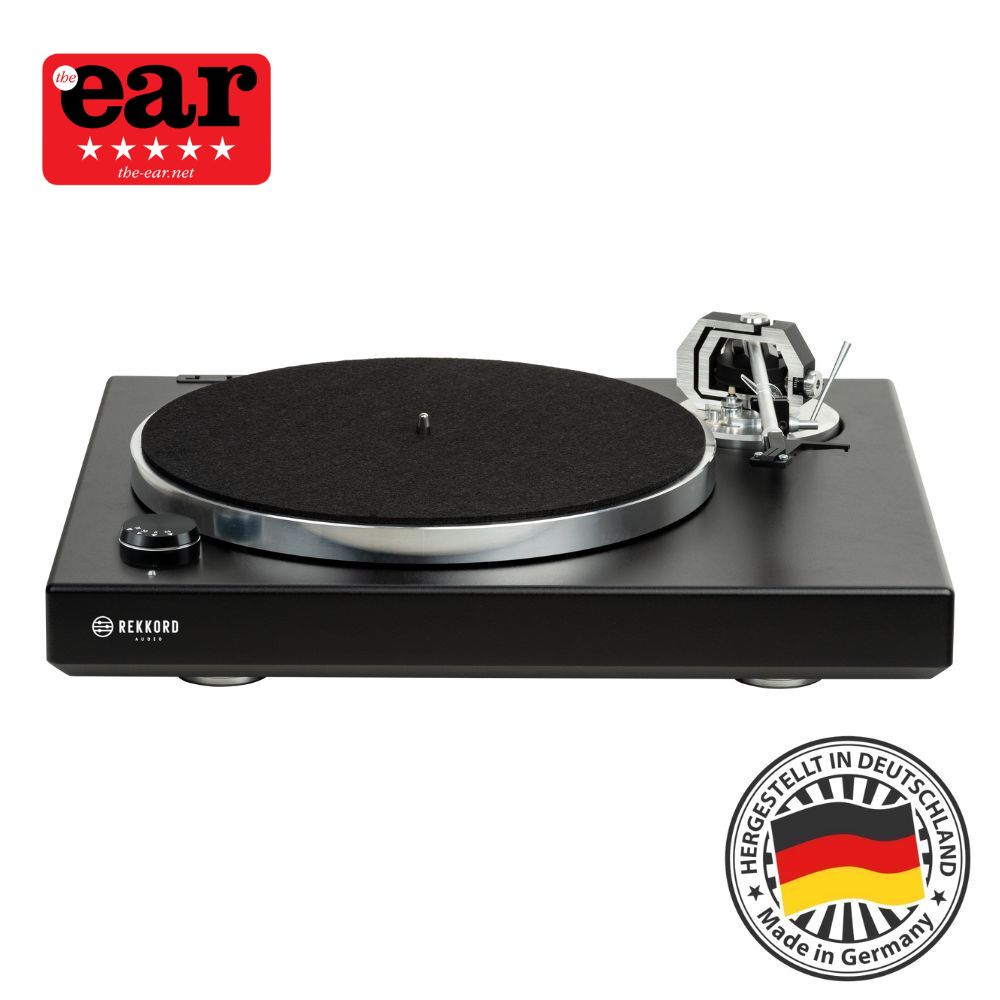
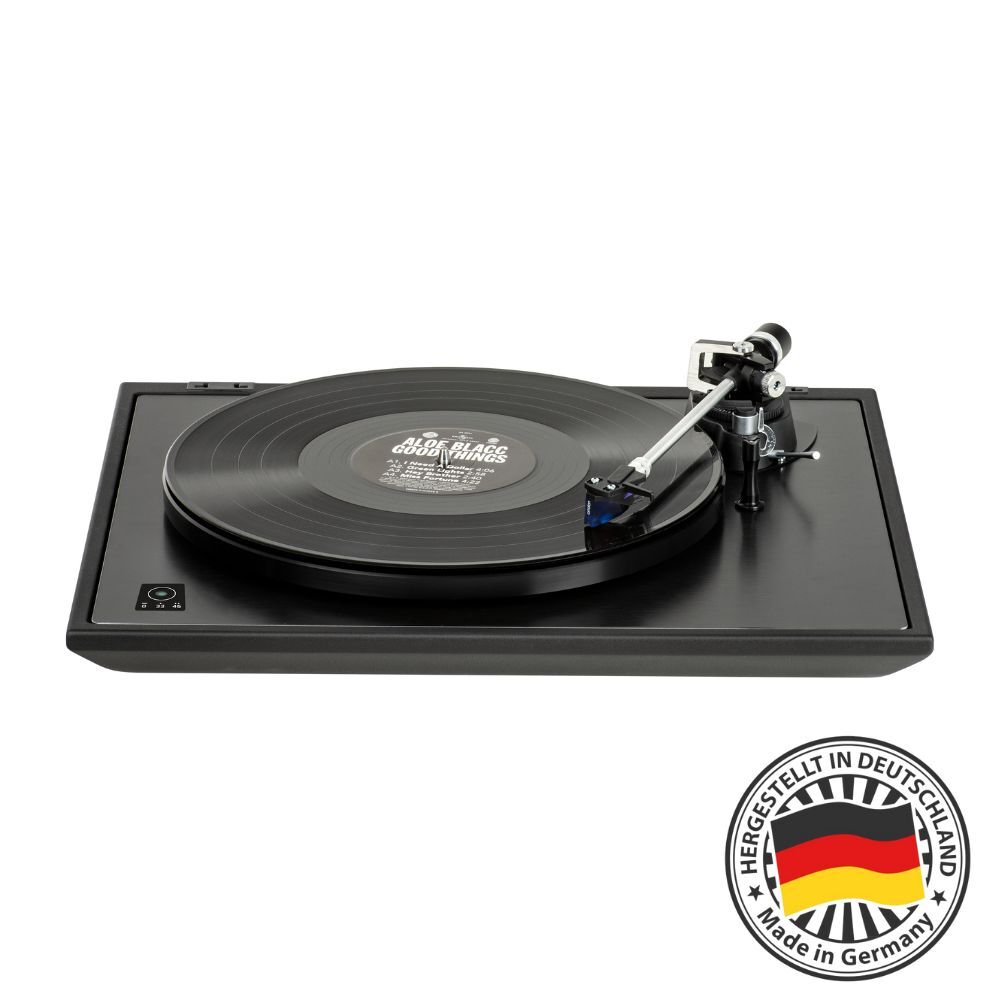
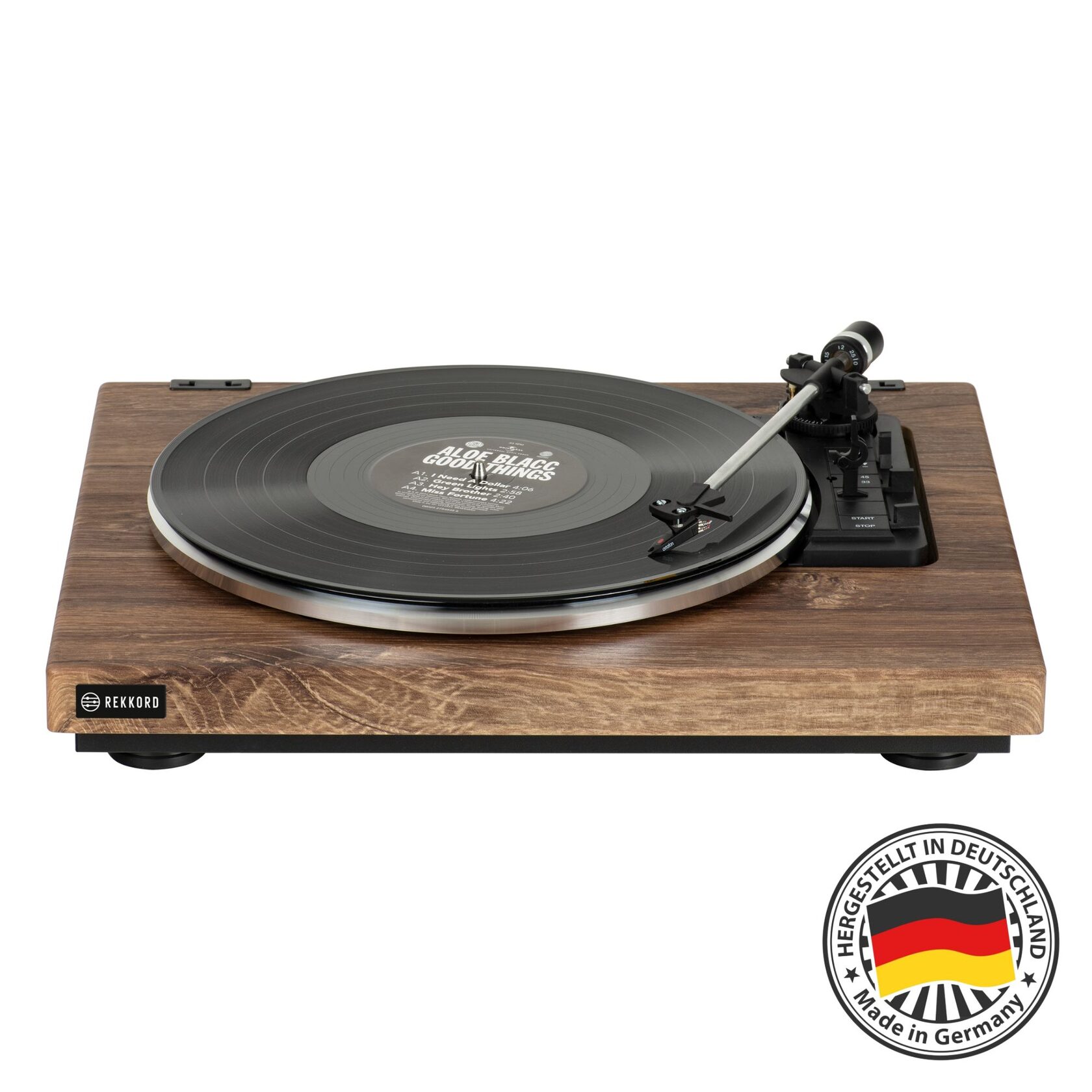
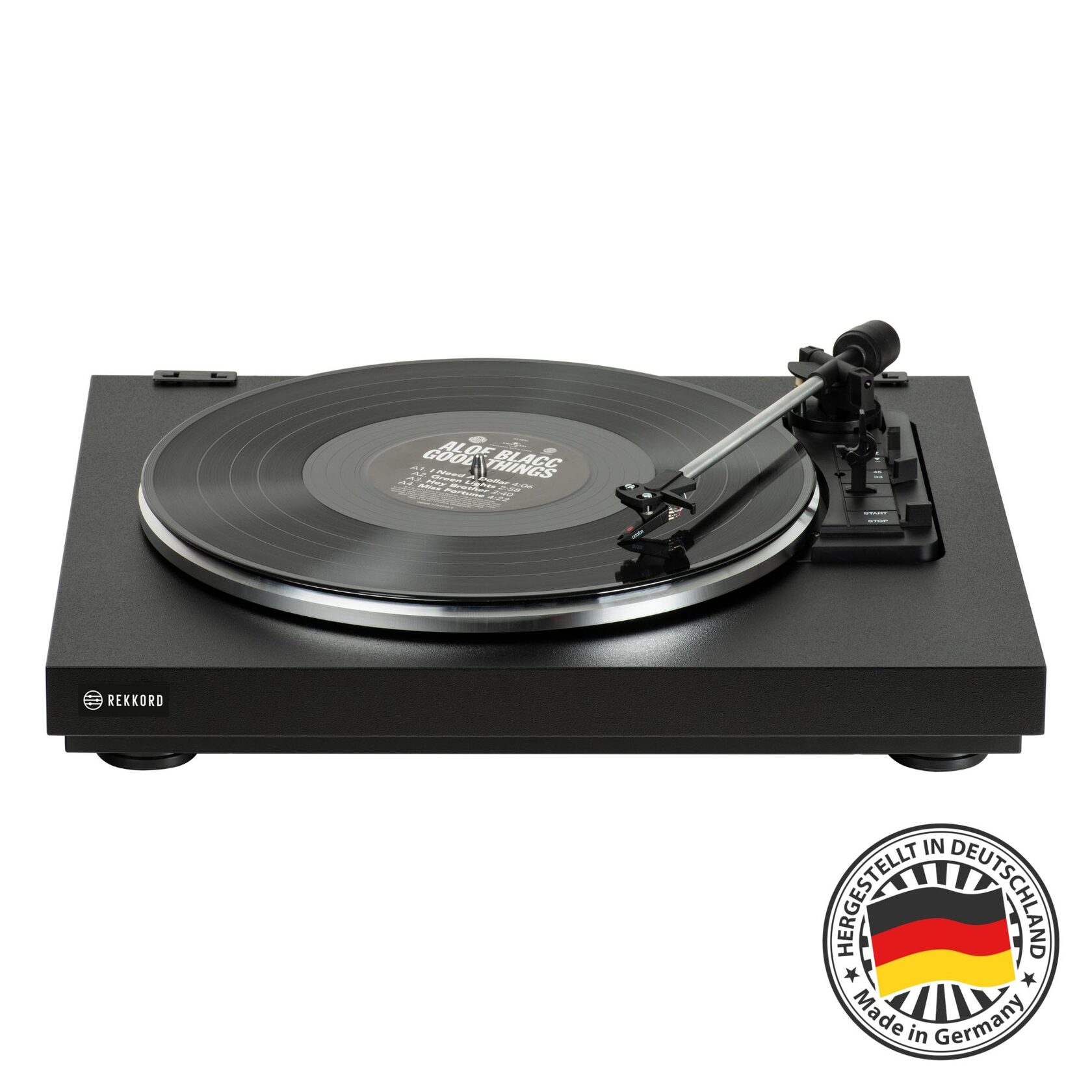
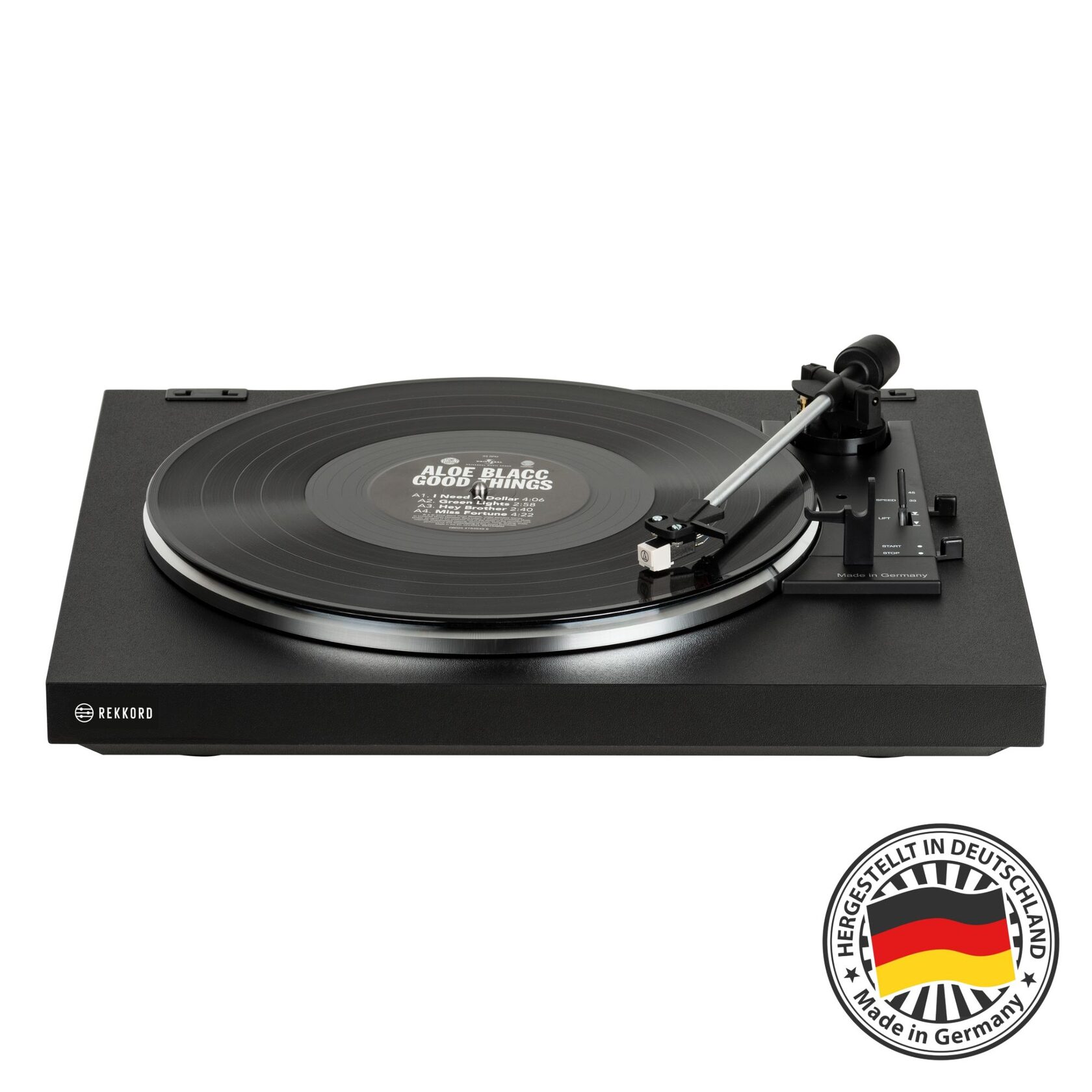
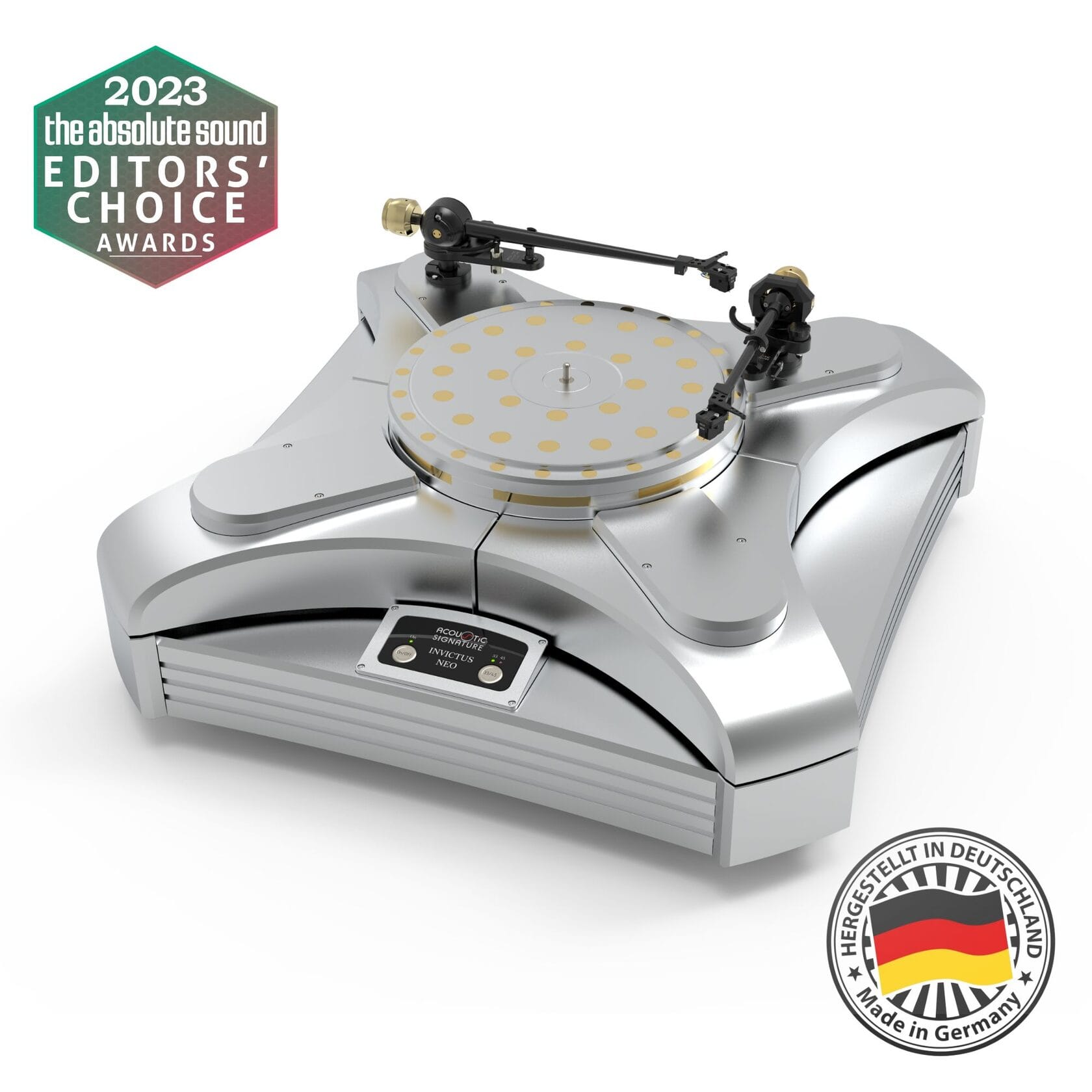
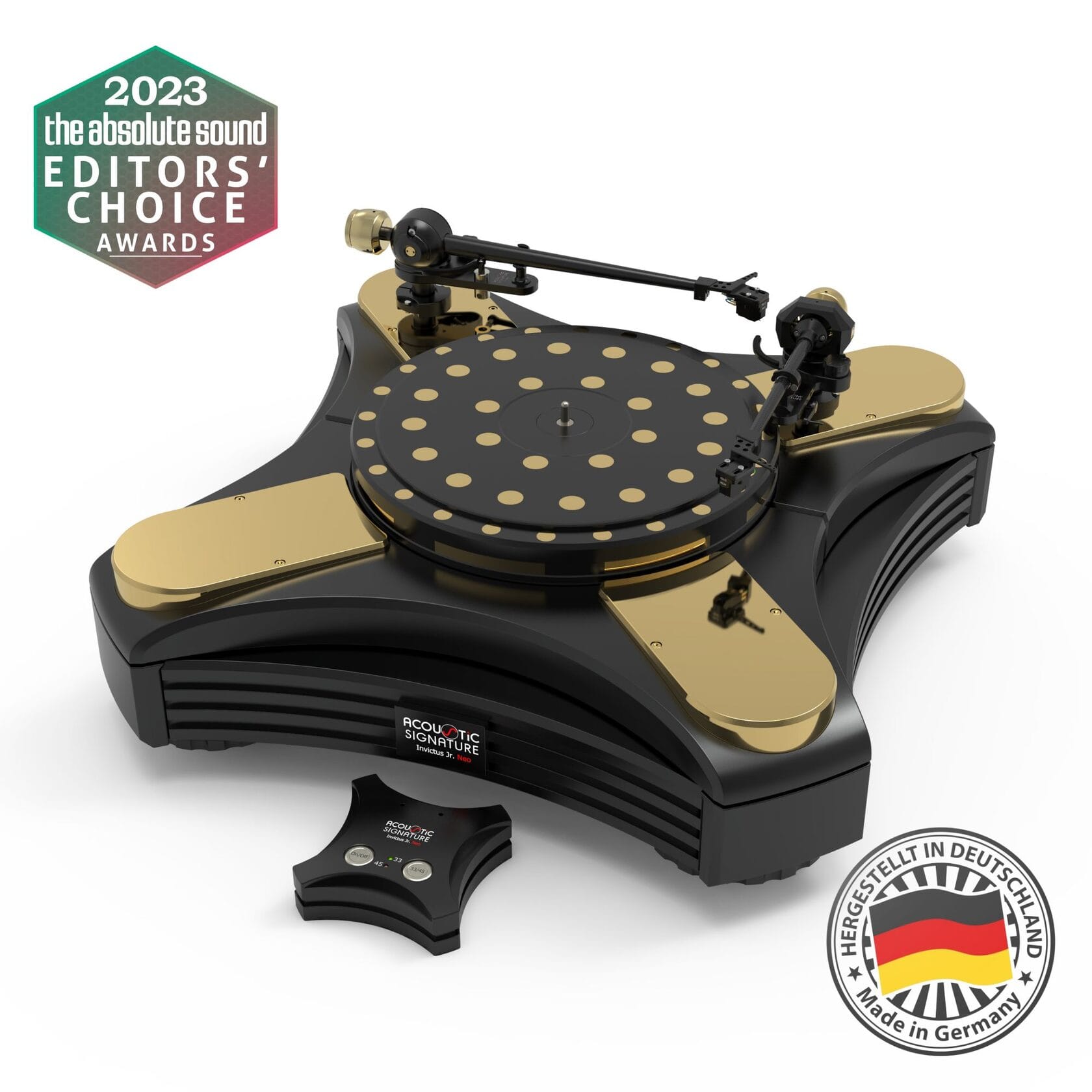
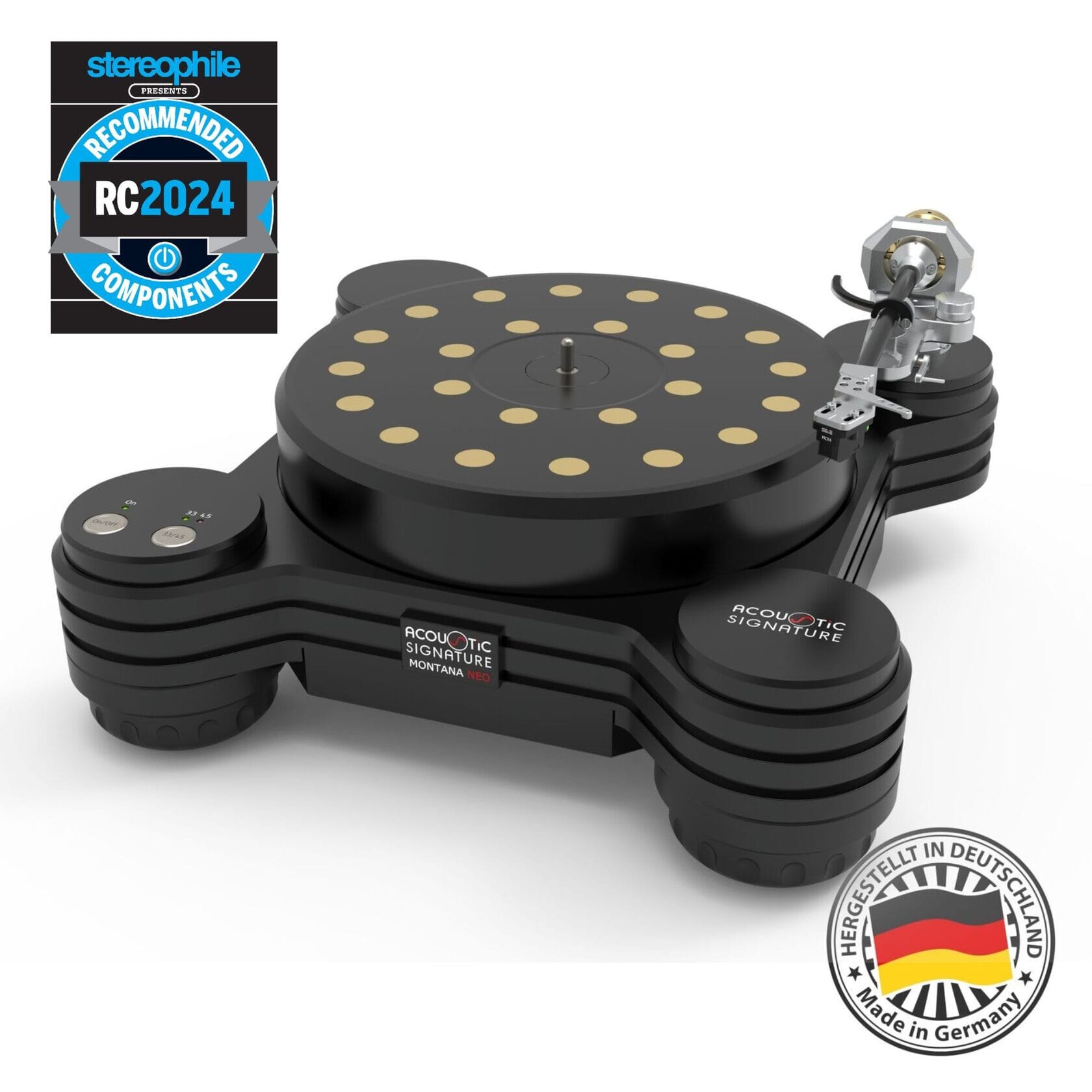
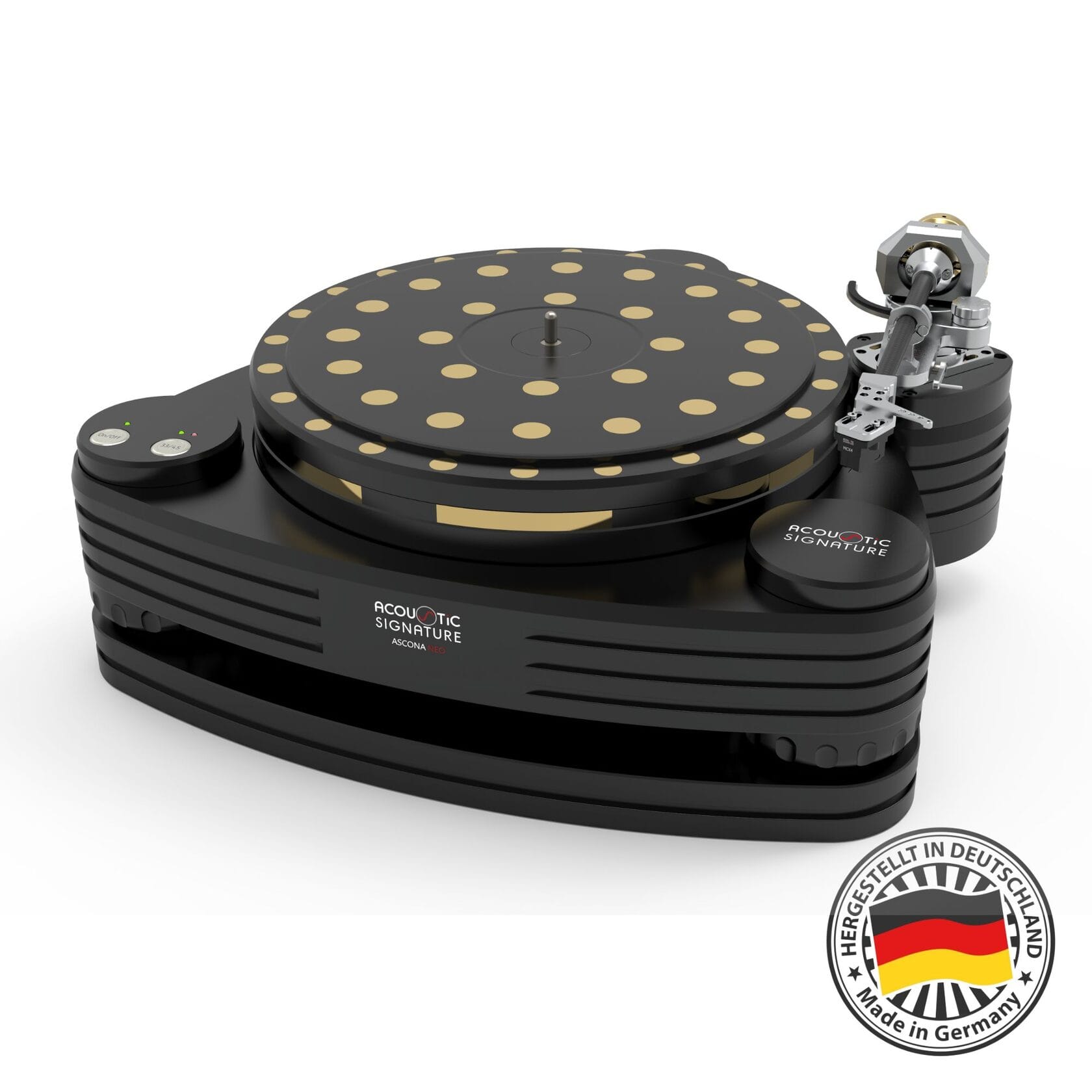
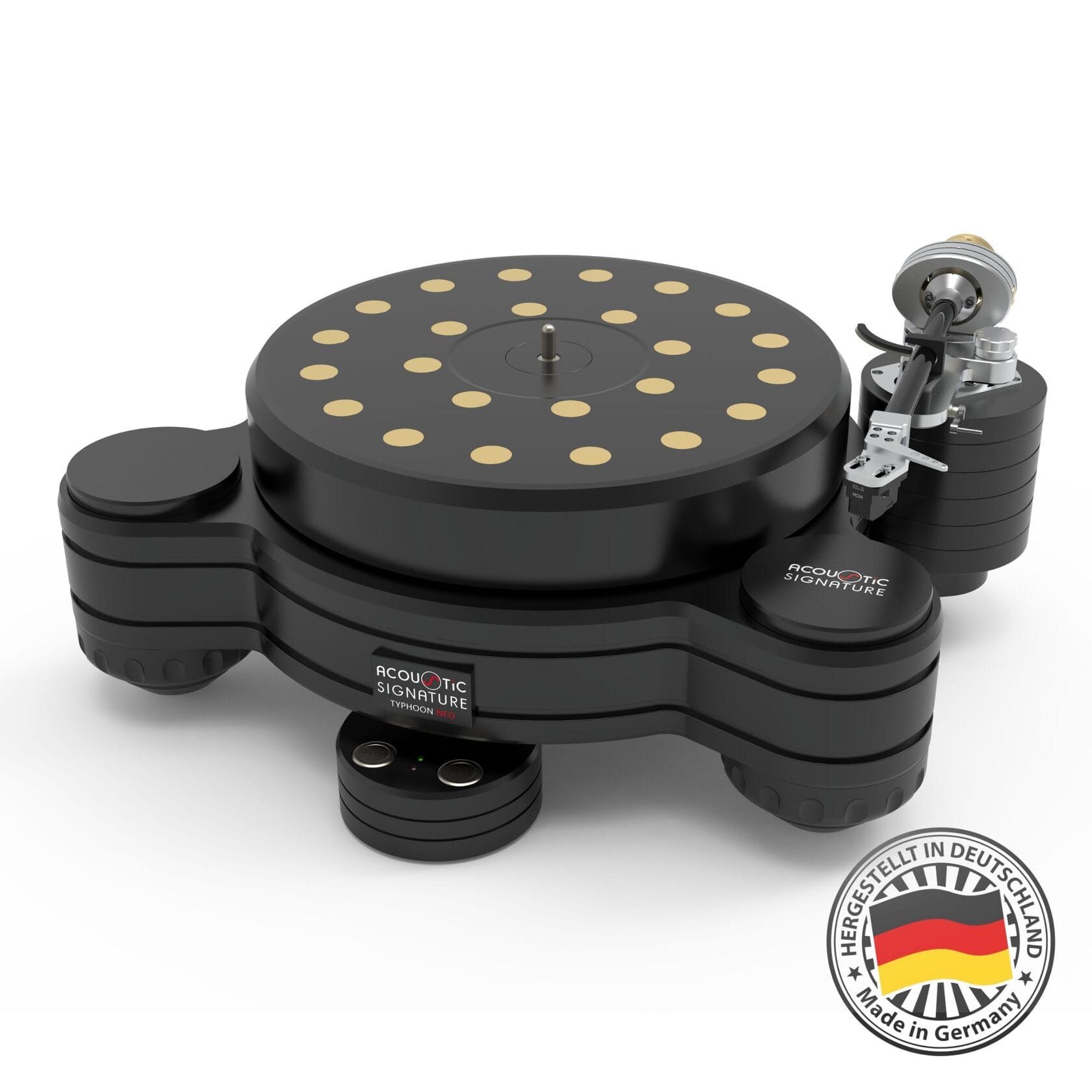
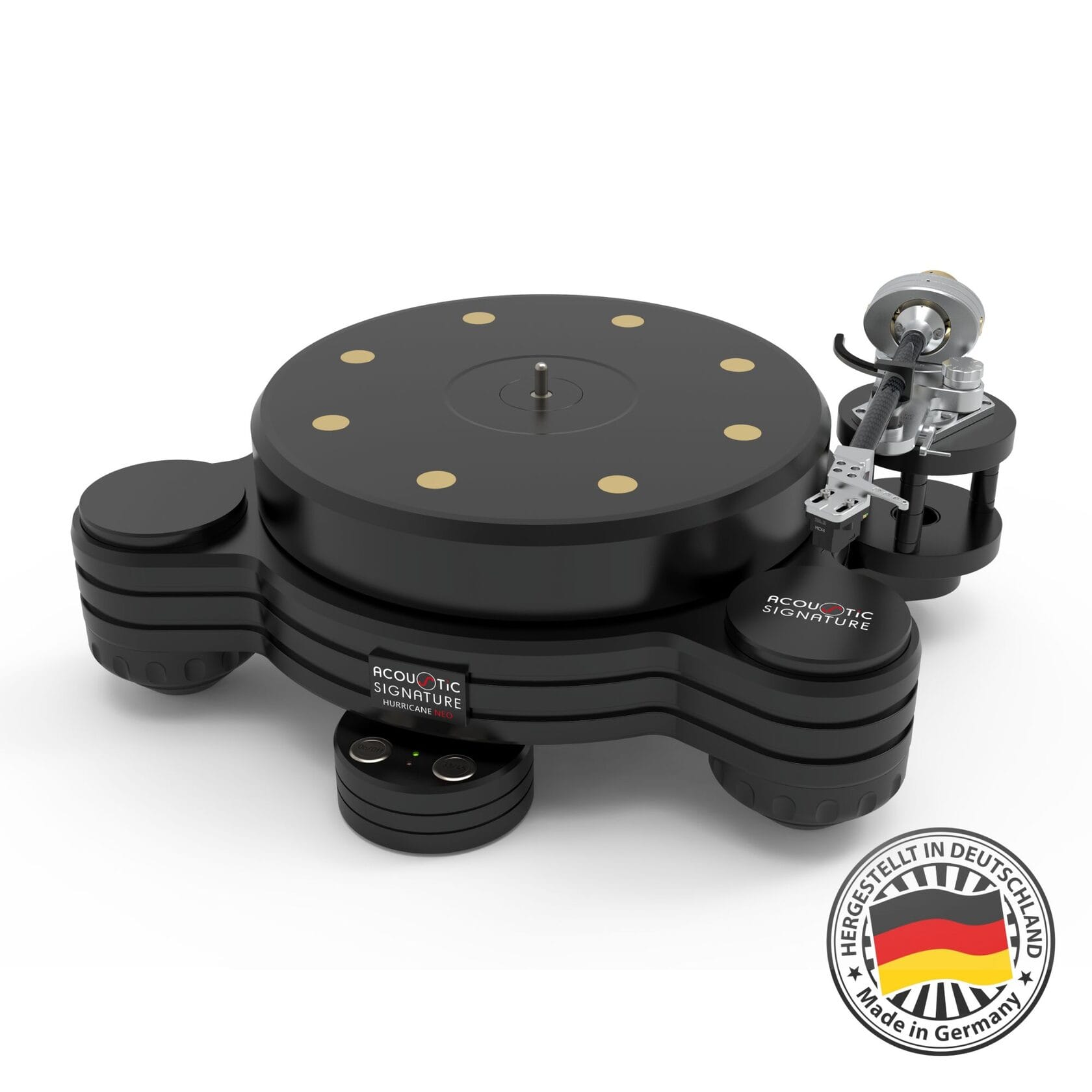
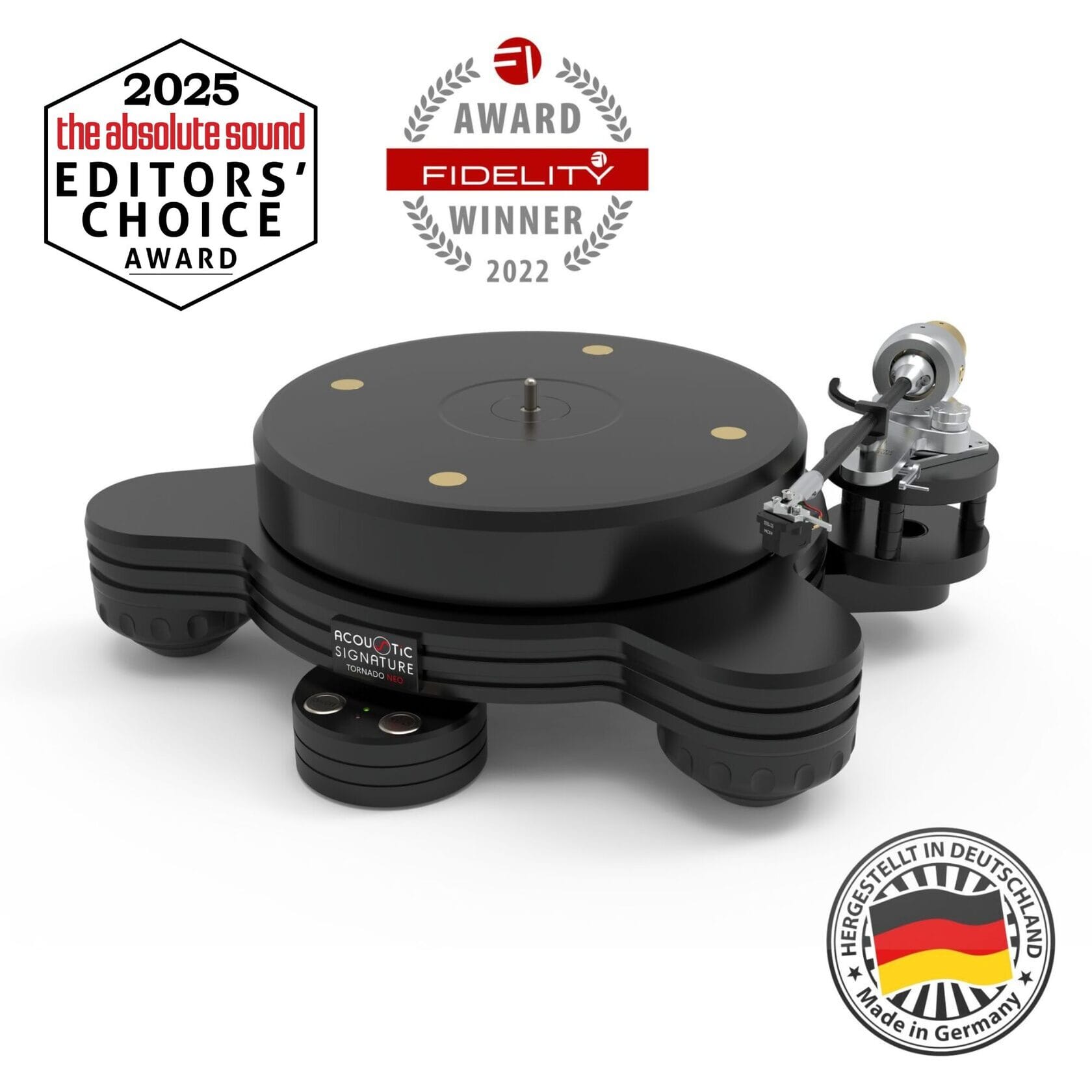
The format itself dates to Emile Berliner’s flat disc of 1887, but the debates that define today’s market – belt-drive versus direct-drive, high-mass versus suspended sub- chassis — trace back to the 1970s hi-fi boom. Acoustic Signature, based in Germany, builds heavy, motor-isolated turntables like the Thirty NEO around that high-mass philosophy, using its own magnetic drive system to decouple motor vibration from the platter. Rekkord Audio, also German, descends directly from Dual, the company that dominated European turntable manufacturing through the 1960s and 70s – its F-series decks carry that automatic-turntable engineering into the present. Gold Note, working from Italy, takes a more design-forward approach, building turntables like the Giglio and Mediterraneo around its own tonearm and cartridge lines.
Below, MGY’s current range runs from entry-level automatics to reference-grade decks, so you can match the turntable to how carefully you actually want to listen.