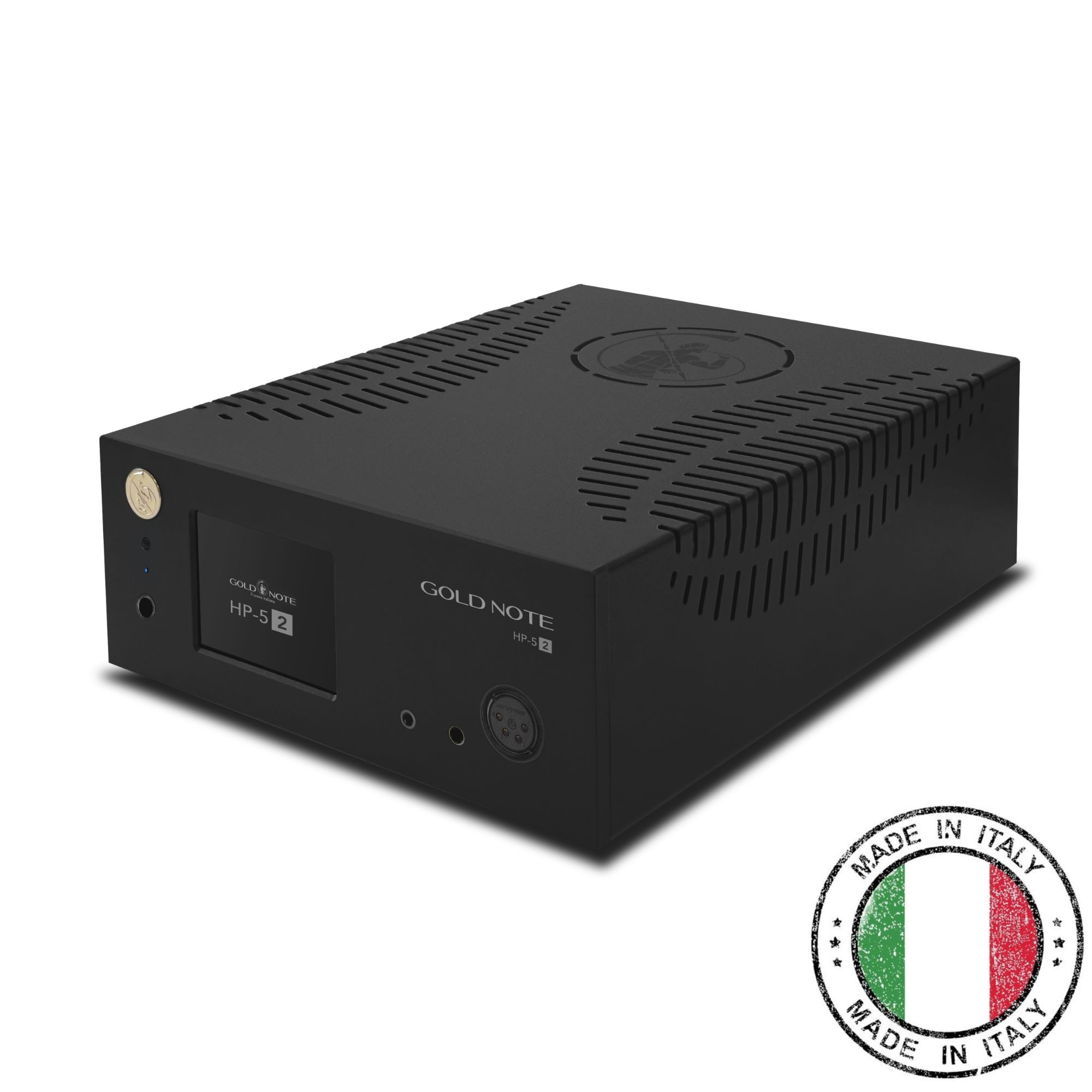
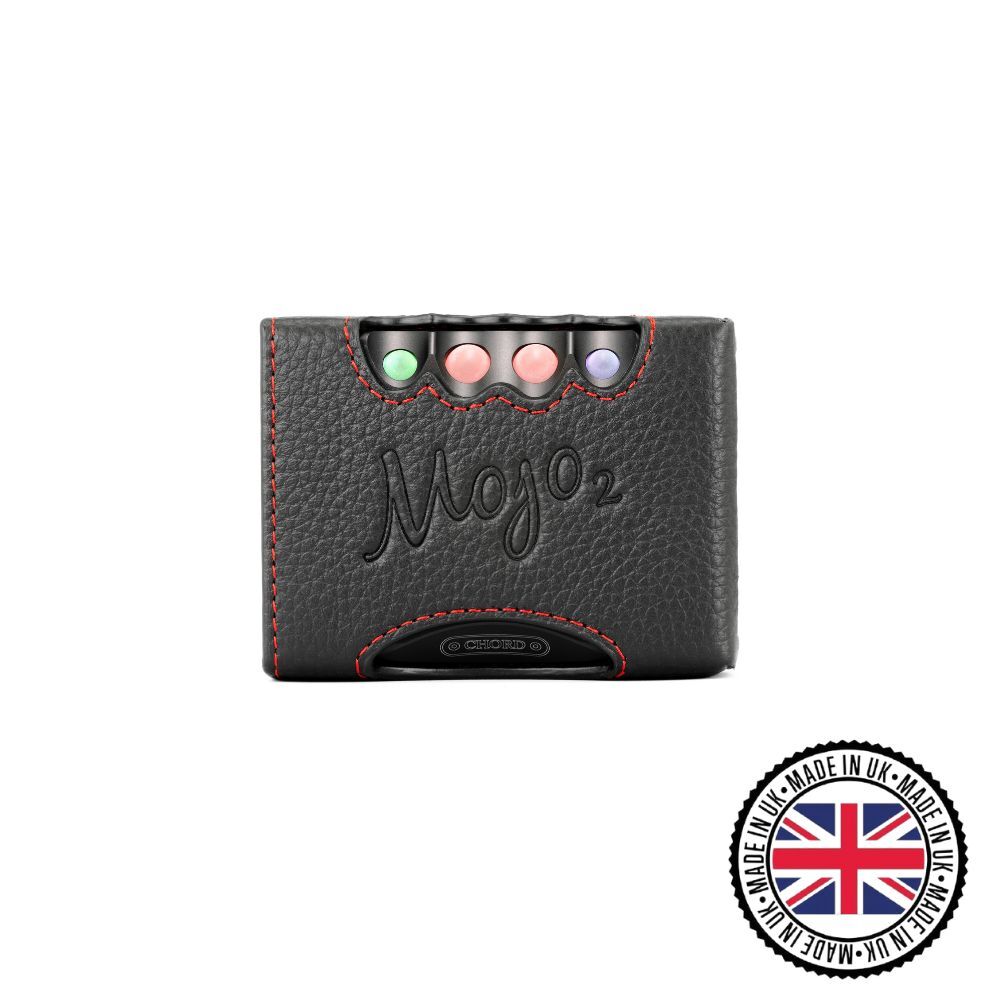
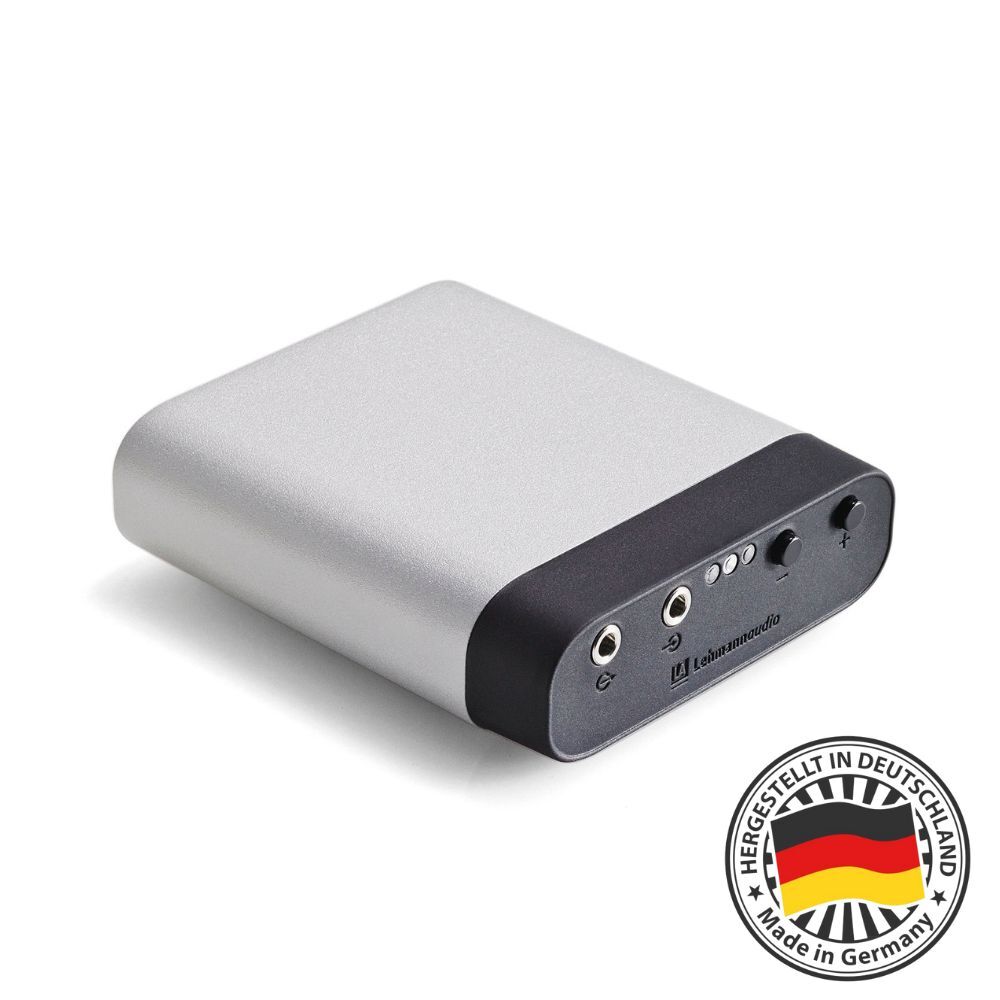
A Lehmannaudio Drachenfels ships with no digital input at all — add one, and it means buying a separate module called the Drachenfels D. A Gold Note HP-5.2 ships with USB-C and Bluetooth 5.2 aptX HD built in from the start. A Chord Electronics Mojo 2 goes further still and dissolves the distinction altogether: its DAC and its headphone amplifier are the same FPGA chip doing both jobs at once. Three companies building headphone amplifiers, three different answers to what one should even be.
A headphone amplifier’s job sounds simple: take a line-level signal and drive a pair of headphones loud enough and cleanly enough to hear every detail in a recording. In practice, headphones vary enormously in how hard they are to drive — an efficient in-ear monitor may need only a few milliwatts, while a high-impedance studio design needs several times the voltage and current a typical amplifier’s or DAC’s headphone jack was ever designed to supply. A dedicated headphone amplifier exists to supply the exact voltage swing and current a specific pair of headphones needs, across a wide enough gain range to cover both extremes — which is why Lehmannaudio publishes its own online headphone calculator rather than a single generic spec.
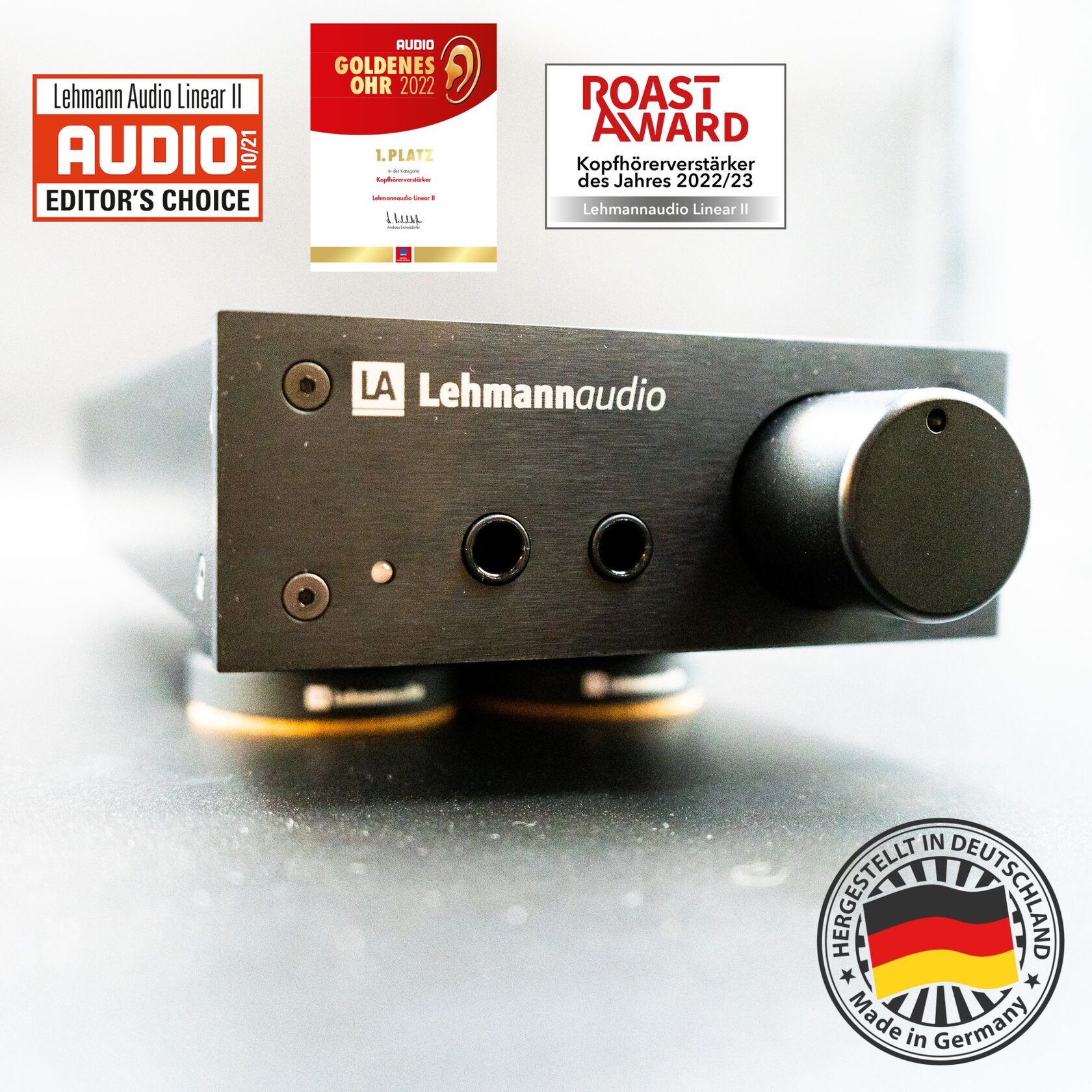
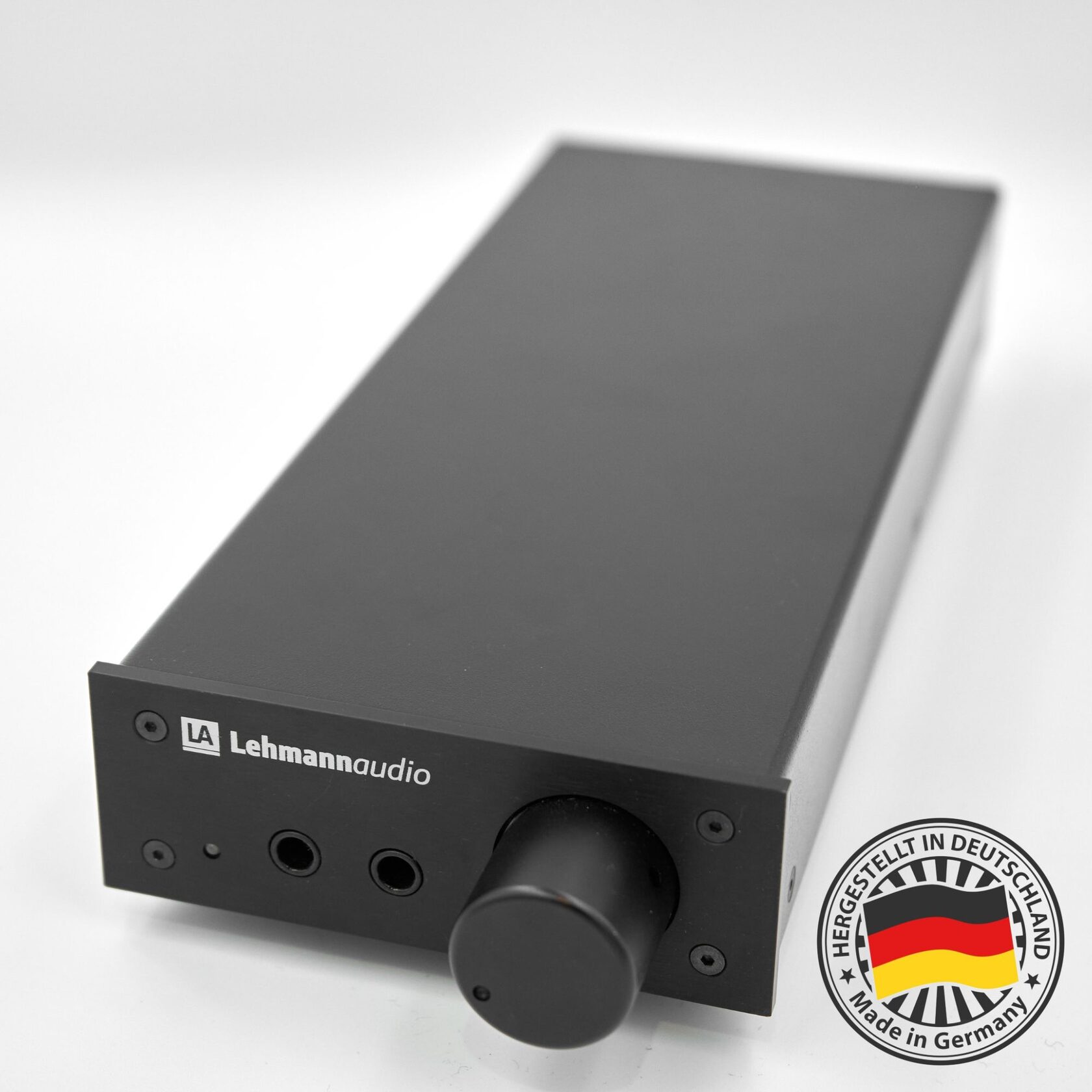
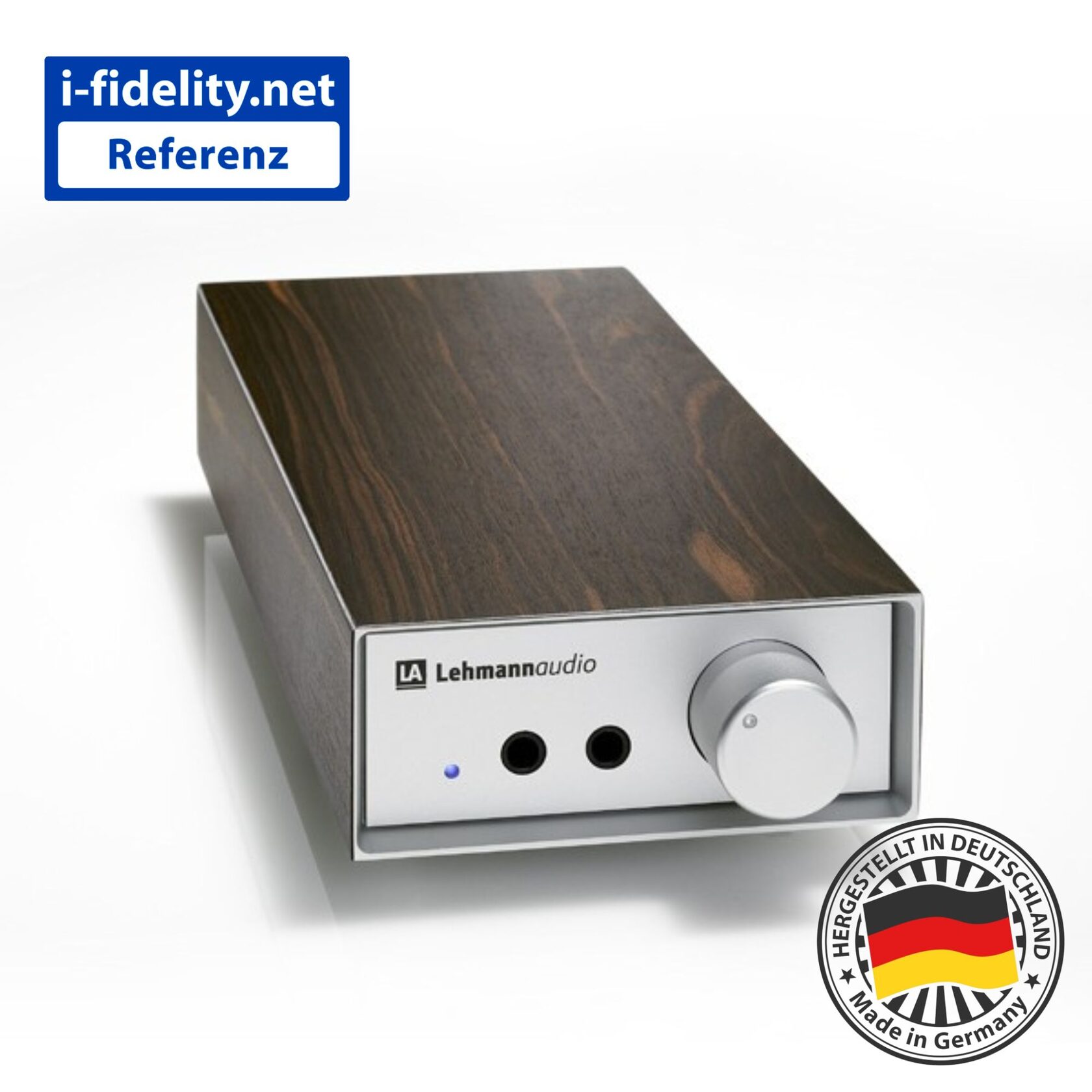
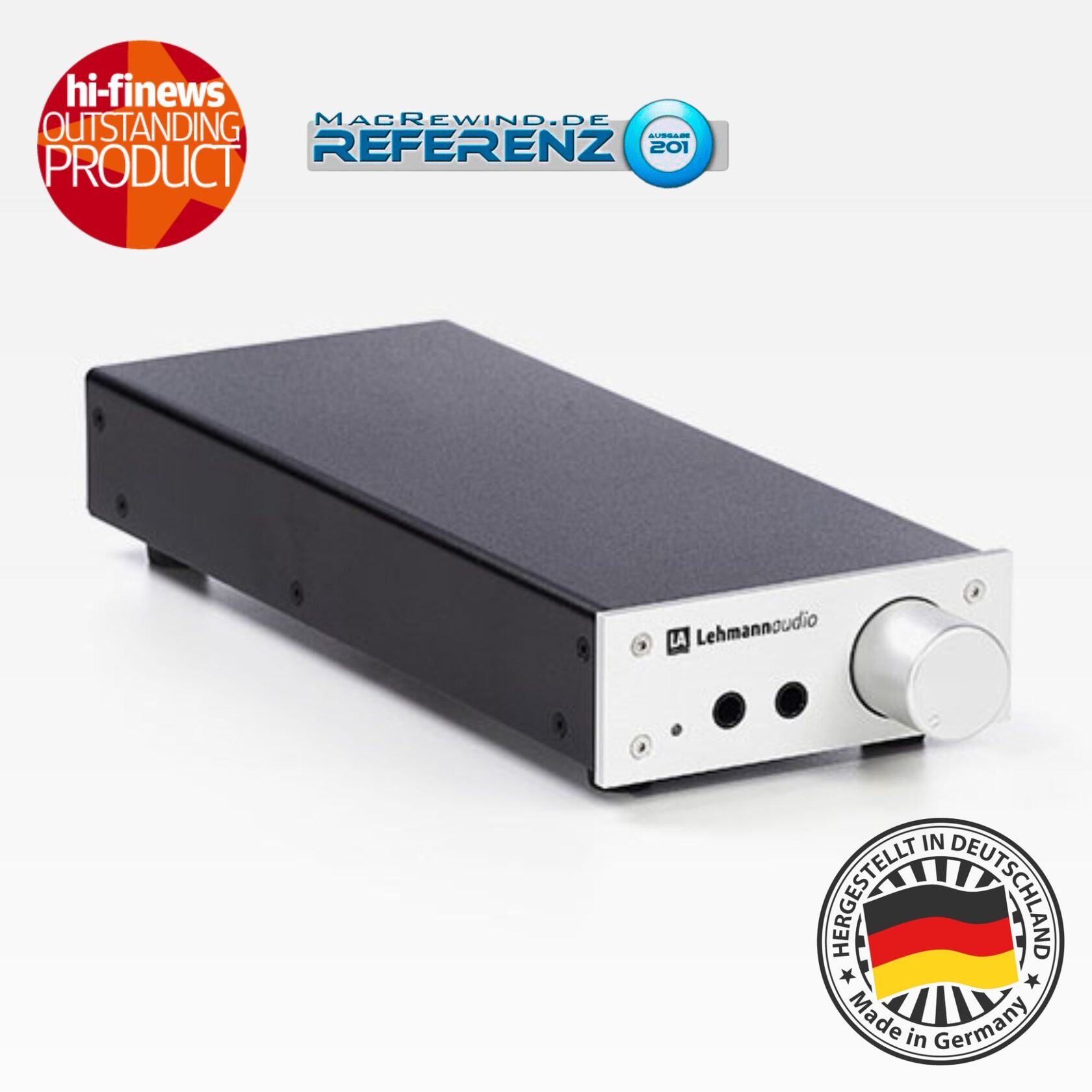
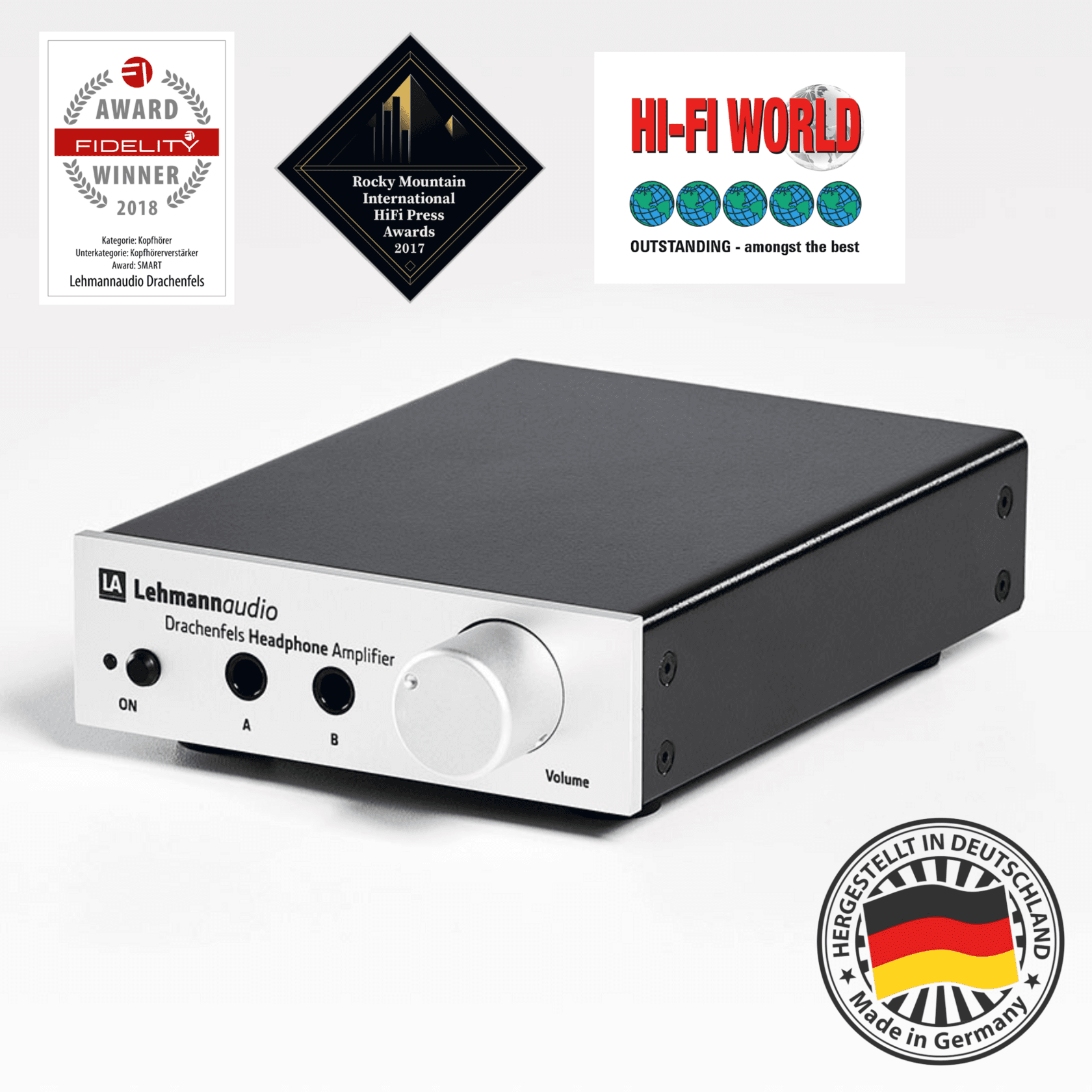
Lehmannaudio has been building the category since before most manufacturers treated it as one. The German company was founded in 1988, and its Linear model, introduced in 2004, quickly became one of the headphone amplifiers others in the category were compared against. Every model in Lehmannaudio’s current Home range — Linear, Linear II, Linear SE, Linear D and the flagship Drachenfels — descends from that same circuit philosophy; a parallel Studio/Stage range (StudioCube, Linear Pro, Linear II Pro) adapts the same electronics for professional monitoring environments. The Drachenfels itself has picked up recognition along the way, including a Rocky Mountain International HiFi Press Award, a FIDELITY Award, and a Hi-Fi World Award.
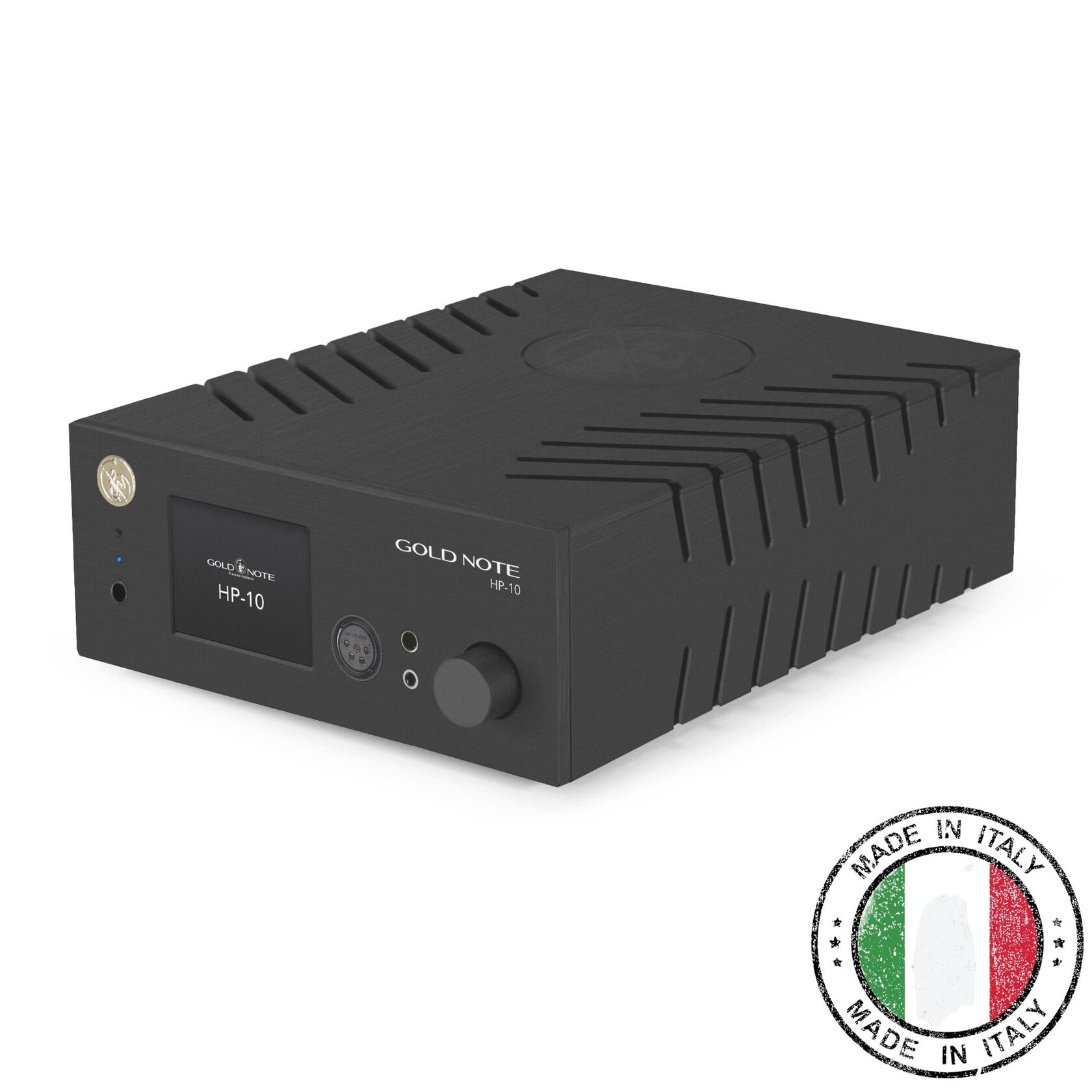
Gold Note takes a newer, more integrated route. Its HP-5.2 runs a Class-A, dual-mono circuit — separate amplification for the left and right channels sharing no common stages — but pairs it with USB-C and Bluetooth 5.2 aptX HD digital inputs, balanced 4.4mm and 4-pin XLR headphone outputs, and a balanced XLR line output, so it can double as a compact preamp or system hub as much as a dedicated headphone amplifier. It sits inside Gold Note’s wider 5.2 generation of electronics, designed to slot alongside the brand’s own DACs, phono stages and streamers rather than stand apart from them.
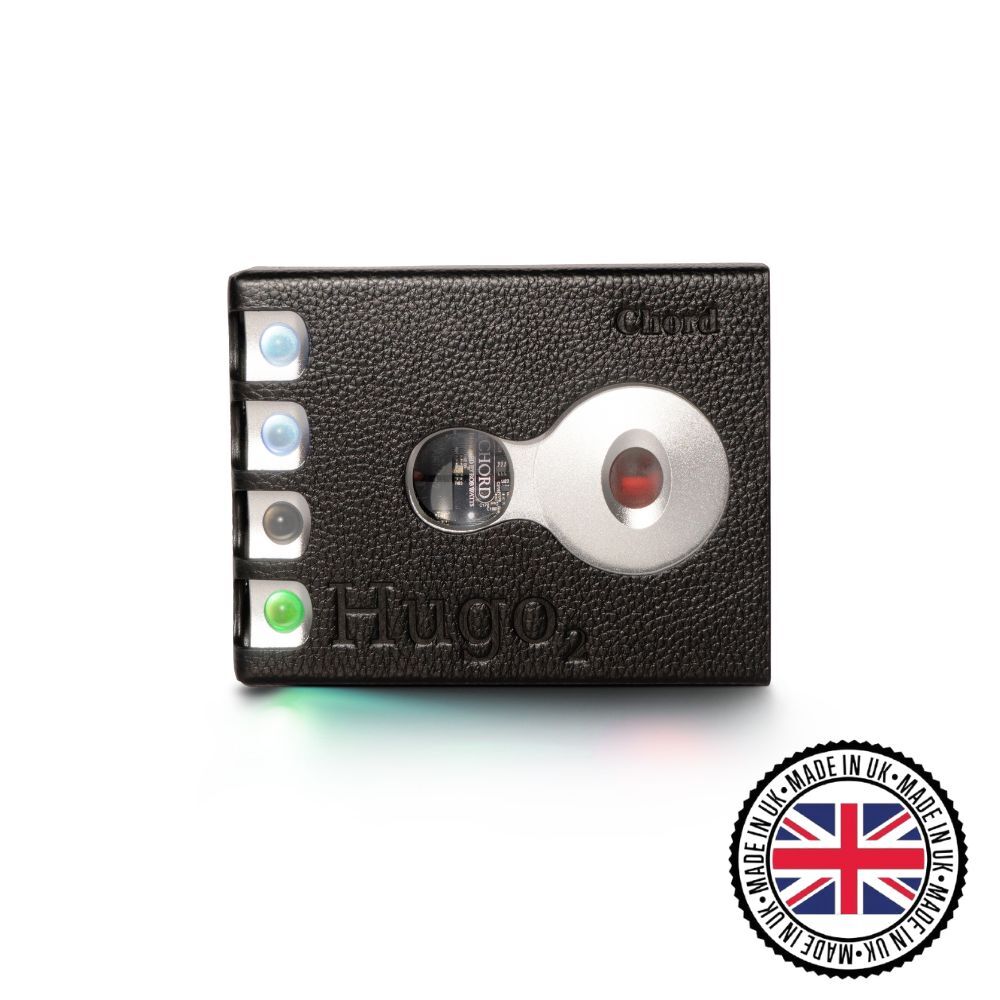
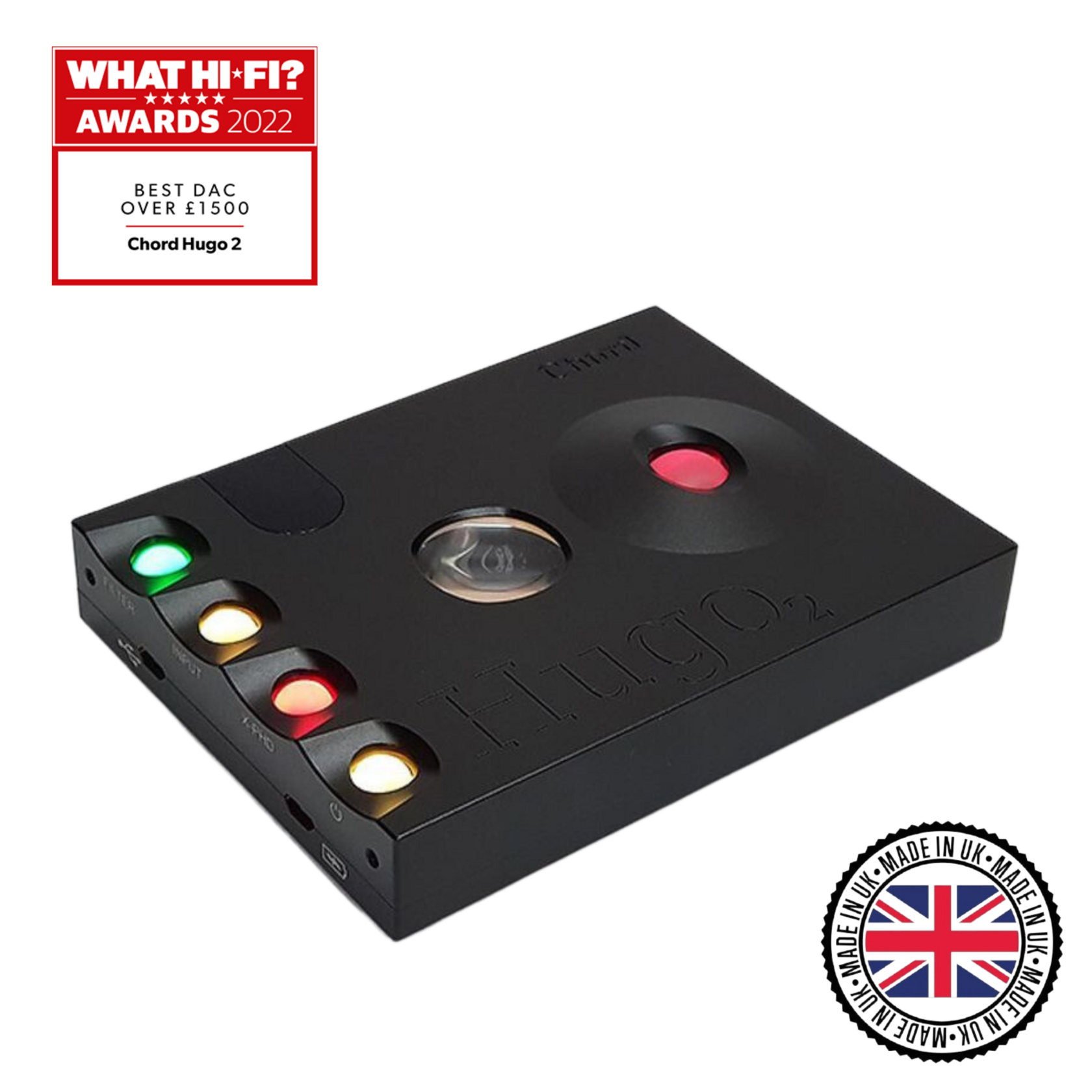
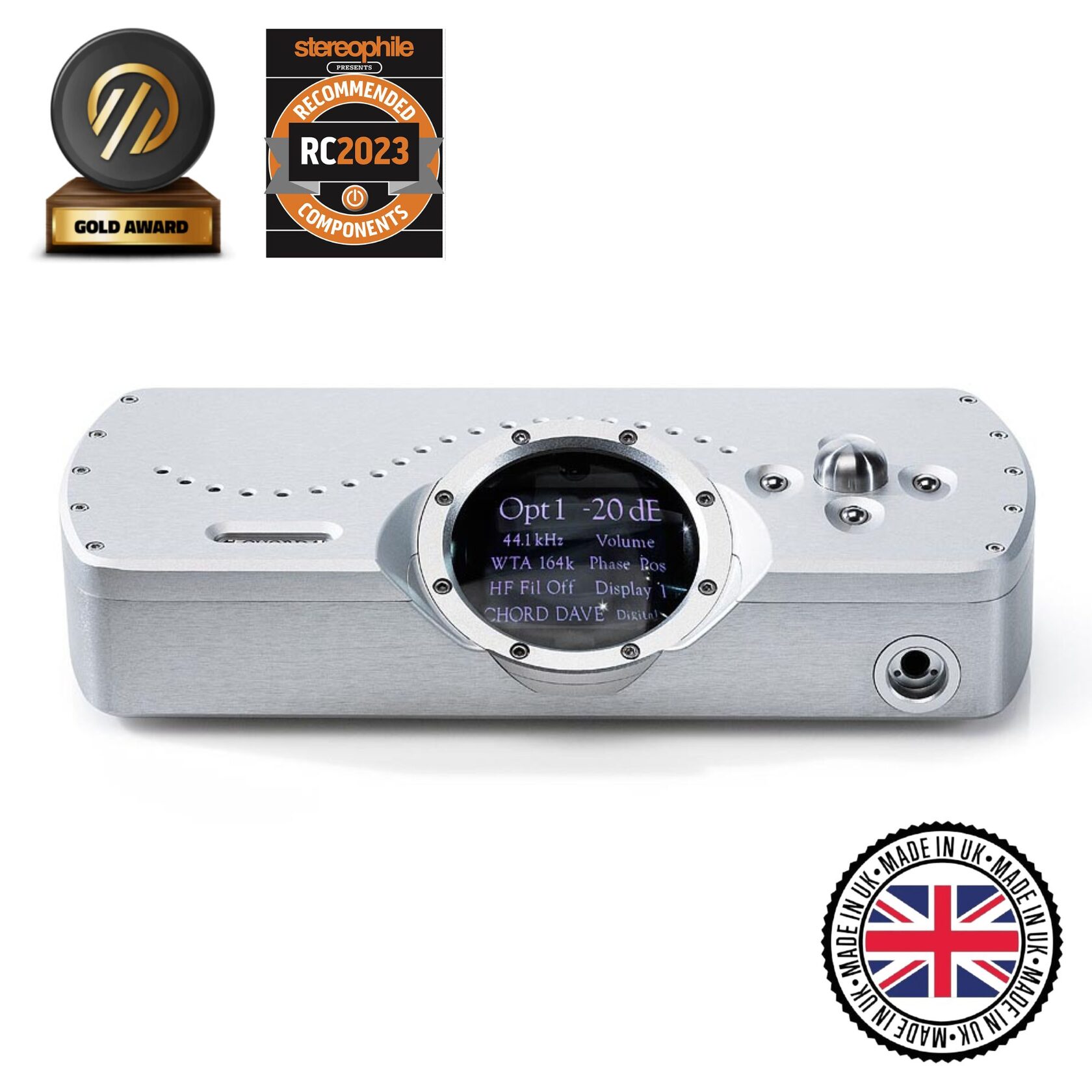
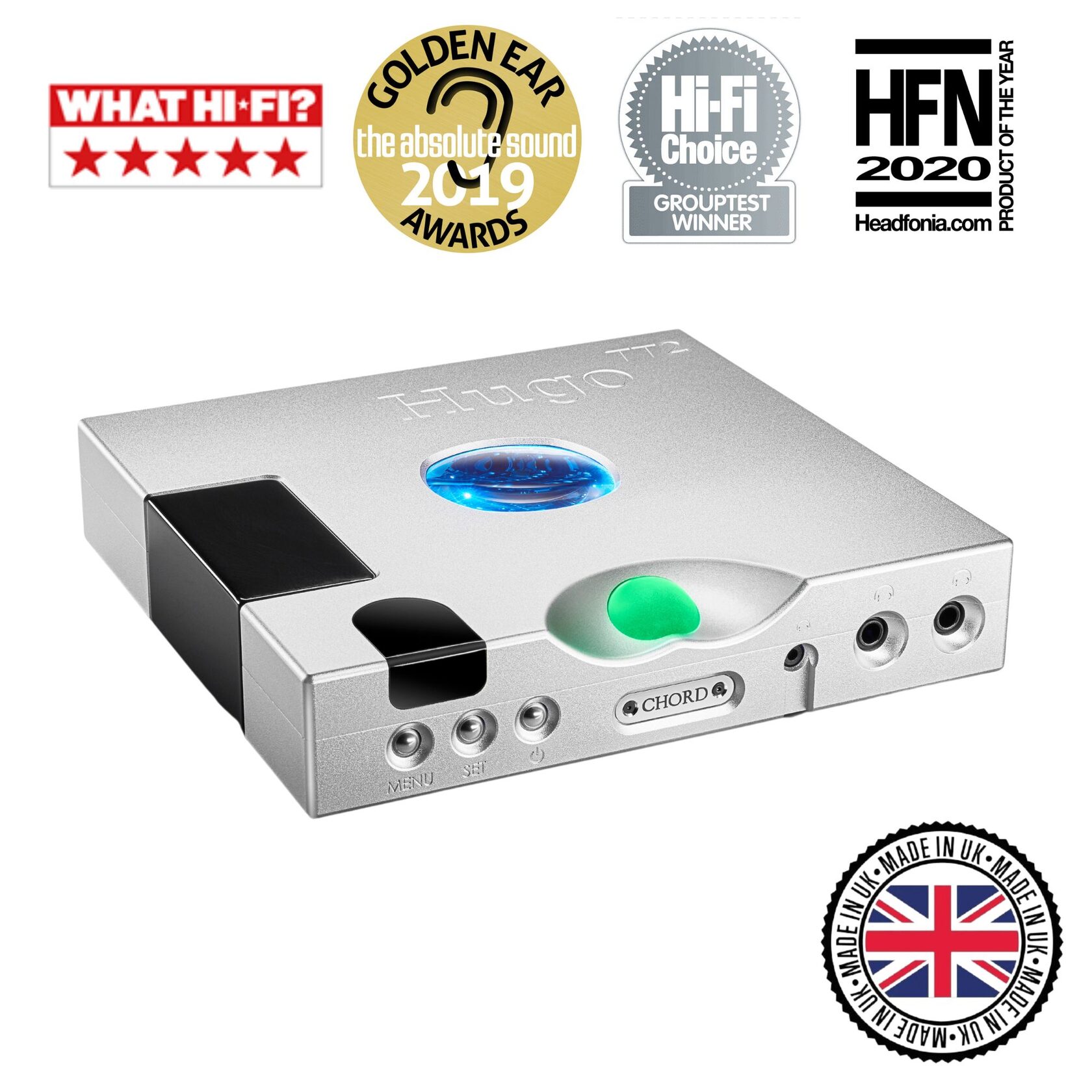
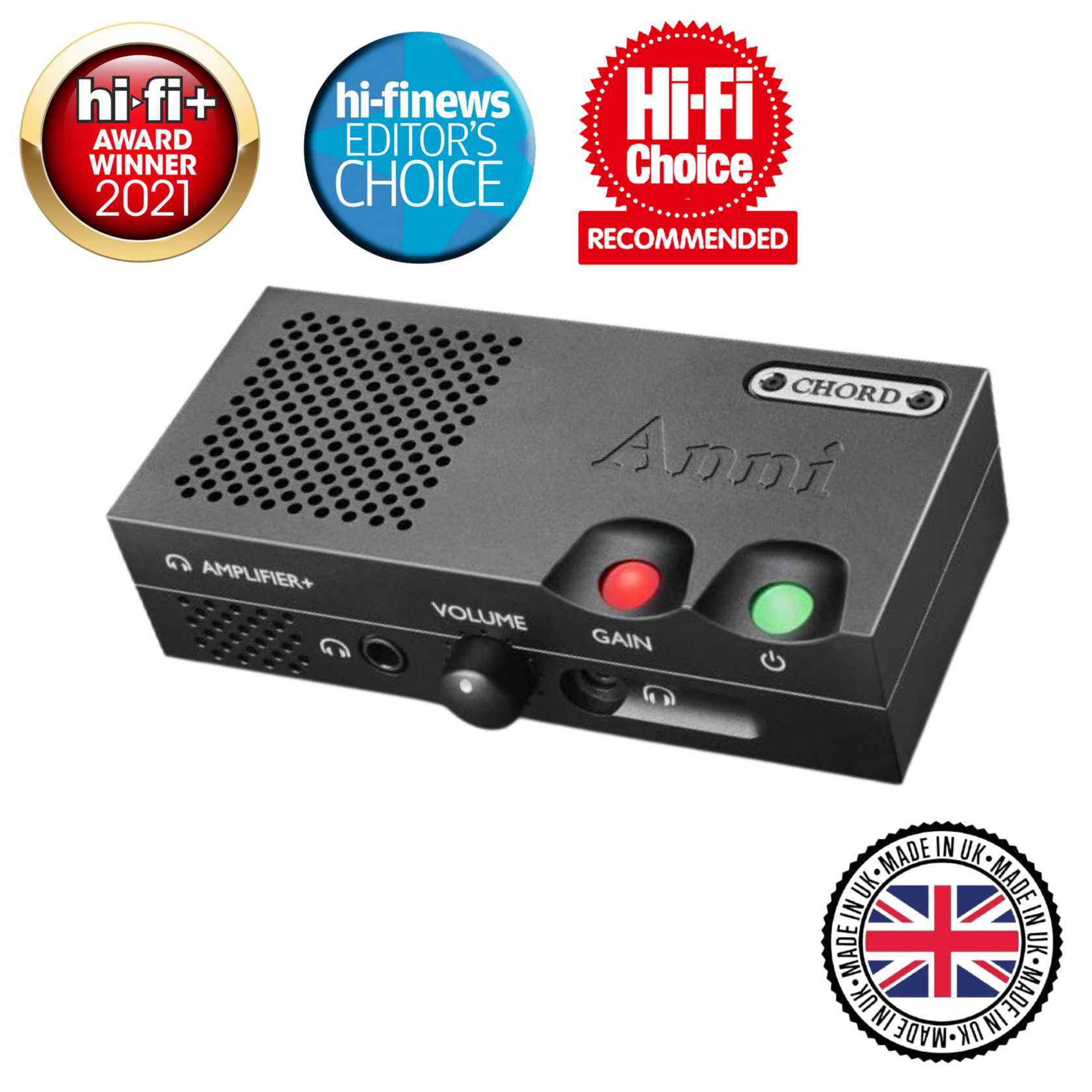
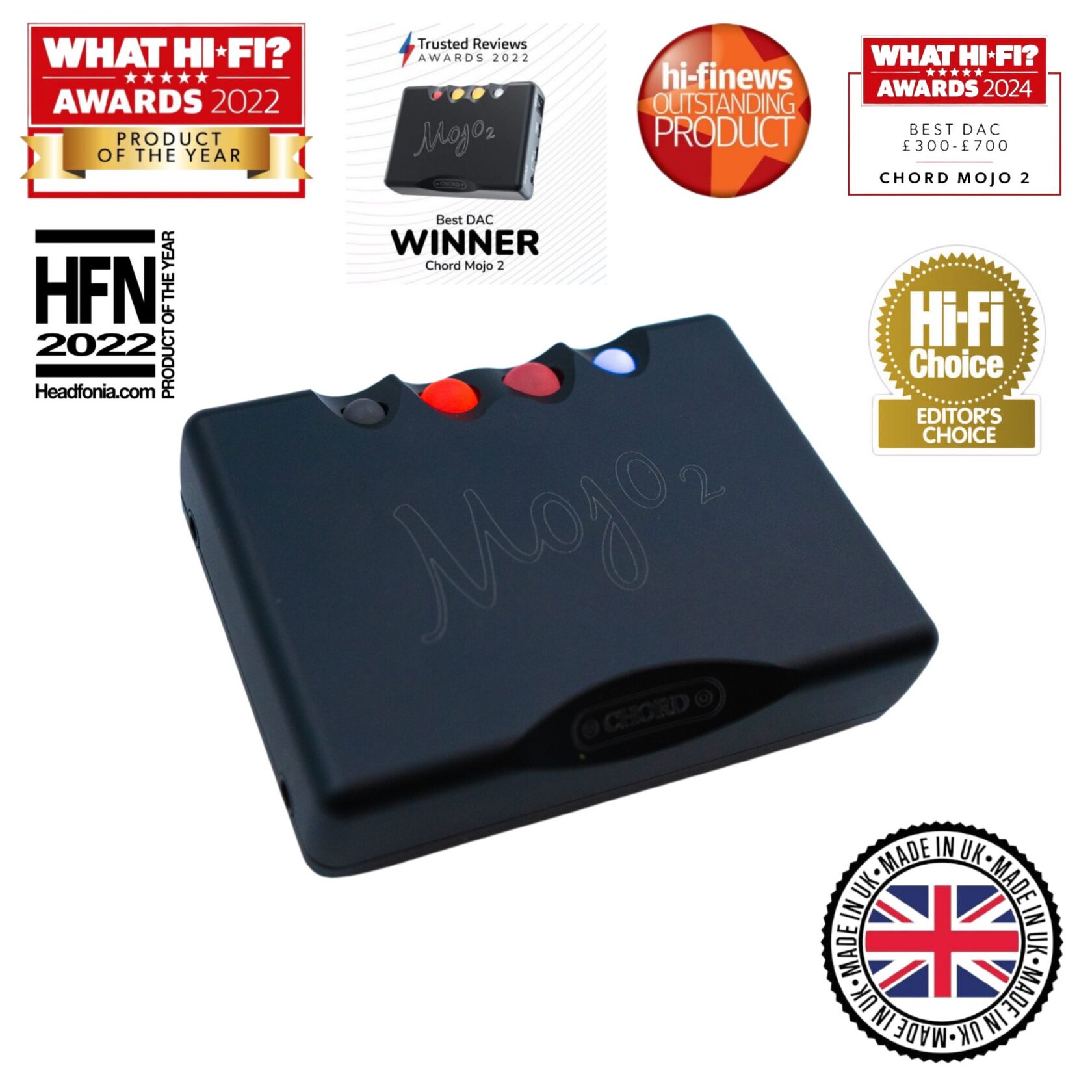
Chord Electronics arrived at headphone amplification from a different direction again: aerospace engineering. Founder John Franks built switch-mode power supplies for the avionics industry before founding the company in 1989; digital designer Rob Watts then spent more than two decades developing the custom FPGA-based conversion technology that now sits at the heart of every current Chord product. Rather than pairing an amplifier stage with a separate DAC chip, Chord folds both jobs into one FPGA. The pocketable Mojo 2 runs 3.5mm and 4.4mm balanced headphone outputs from that chip directly; the considerably larger desktop Hugo TT 2 runs a Xilinx Artix 7 FPGA with a 98,304-tap filter and a super-capacitor power supply built to deliver current in short, demanding bursts rather than a steady trickle.
Headphone listening also creates a problem loudspeakers don’t have: with no natural crosstalk between the ears the way there is in a room, a stereo mix can sound artificially wide or disconnected. Chord’s Hugo TT 2 addresses this directly with a three-stage digital crossfeed control, blending a small amount of each channel into the other to recreate some of the depth a pair of speakers gives for free. It’s a reminder that a headphone amplifier’s job isn’t only to supply power cleanly — it can also compensate for what headphones, by design, can’t do on their own.
Gain matters more than most spec sheets suggest: too little, and a high-impedance pair of headphones sounds thin and lifeless; too much, and a sensitive in-ear monitor picks up audible hiss with nothing playing. The Drachenfels addresses this with 12dB of gain via a stepped ALPS potentiometer and a 47-kohm input impedance — enough headroom for demanding studio headphones without adding audible noise to sensitive in-ears. Matching gain and output impedance to the headphones actually being used matters more than any single component upgrade.
Decide first whether a headphone amplifier should be a dedicated single-purpose device, a hub that also handles digital sources and line-level duties, or a single FPGA doing DAC and amplification together — that choice, more than any figure on a spec sheet, determines which of these three approaches fits a given system.