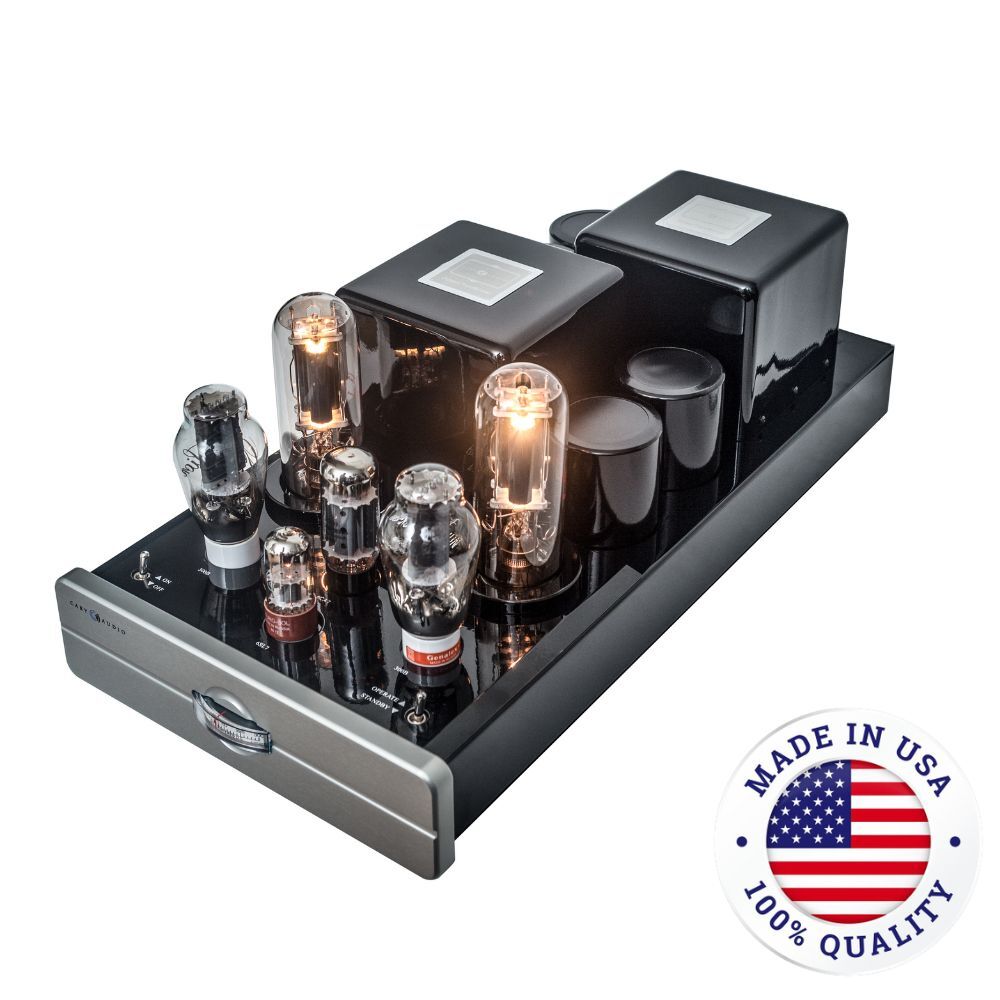
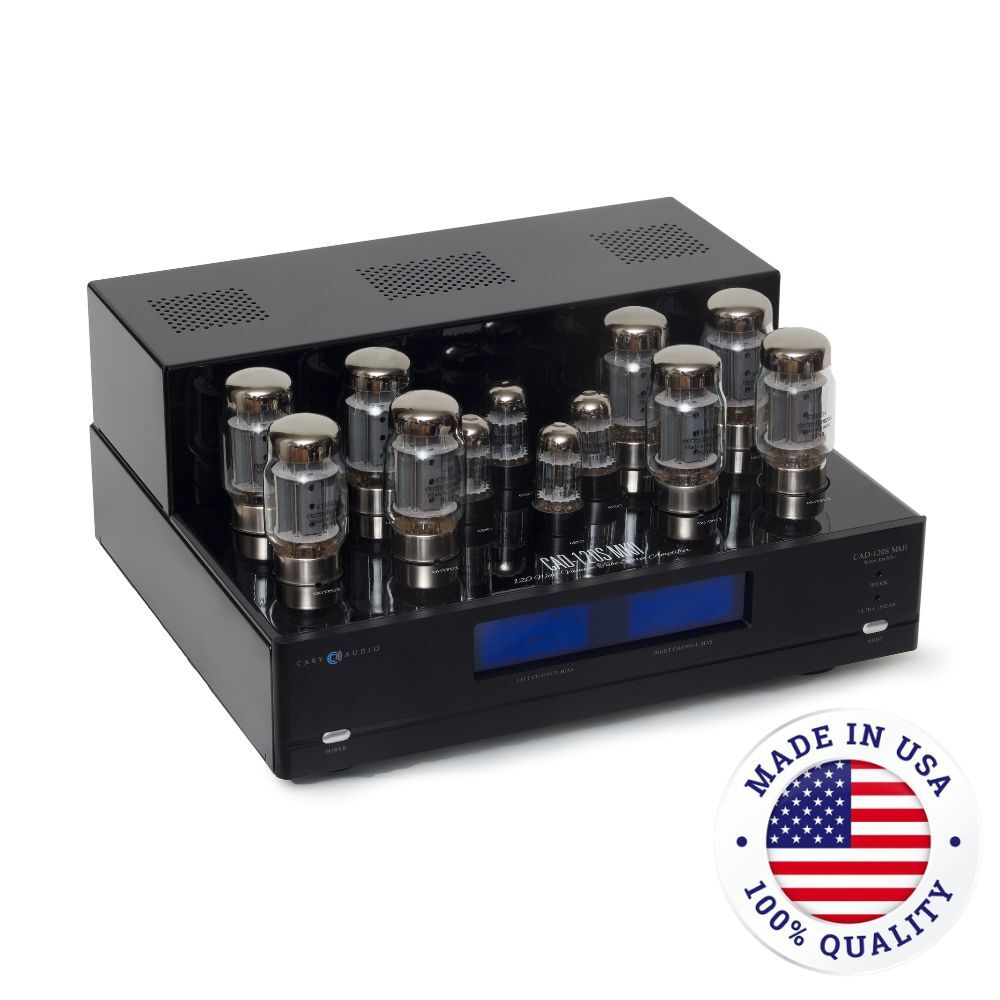
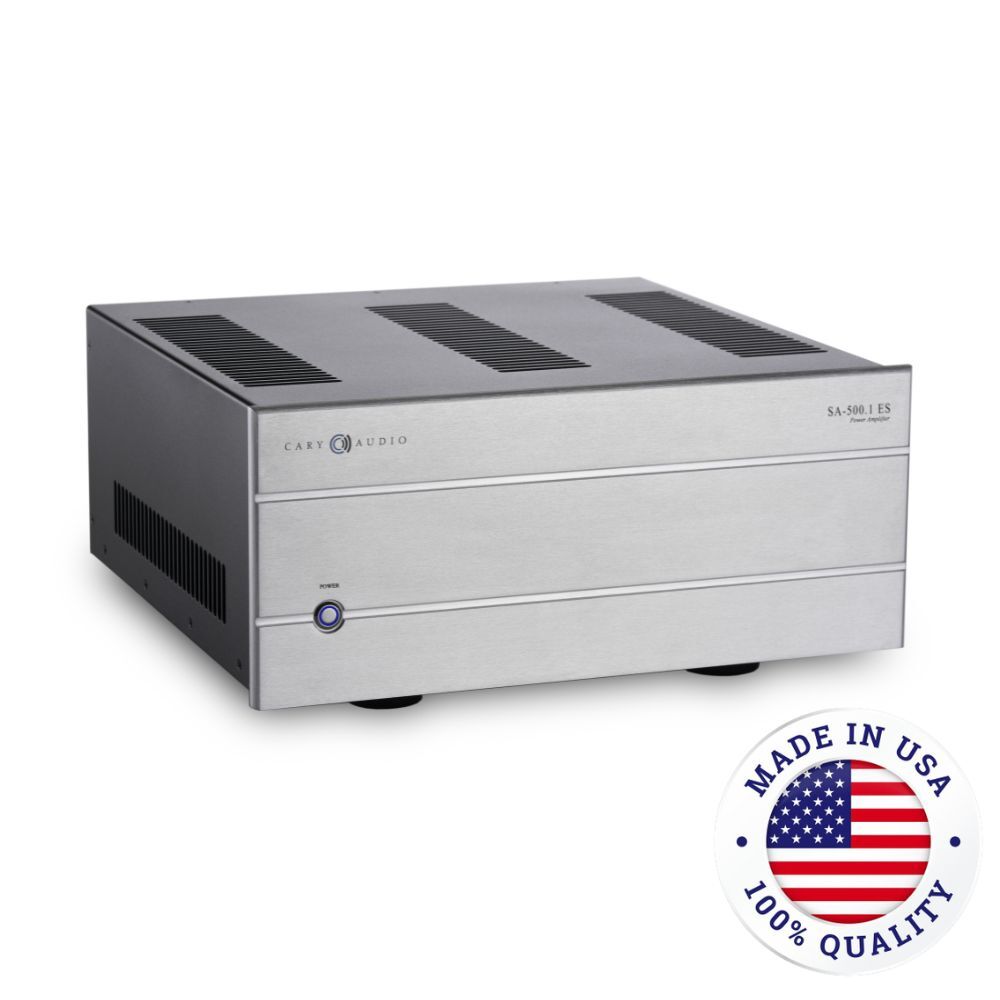
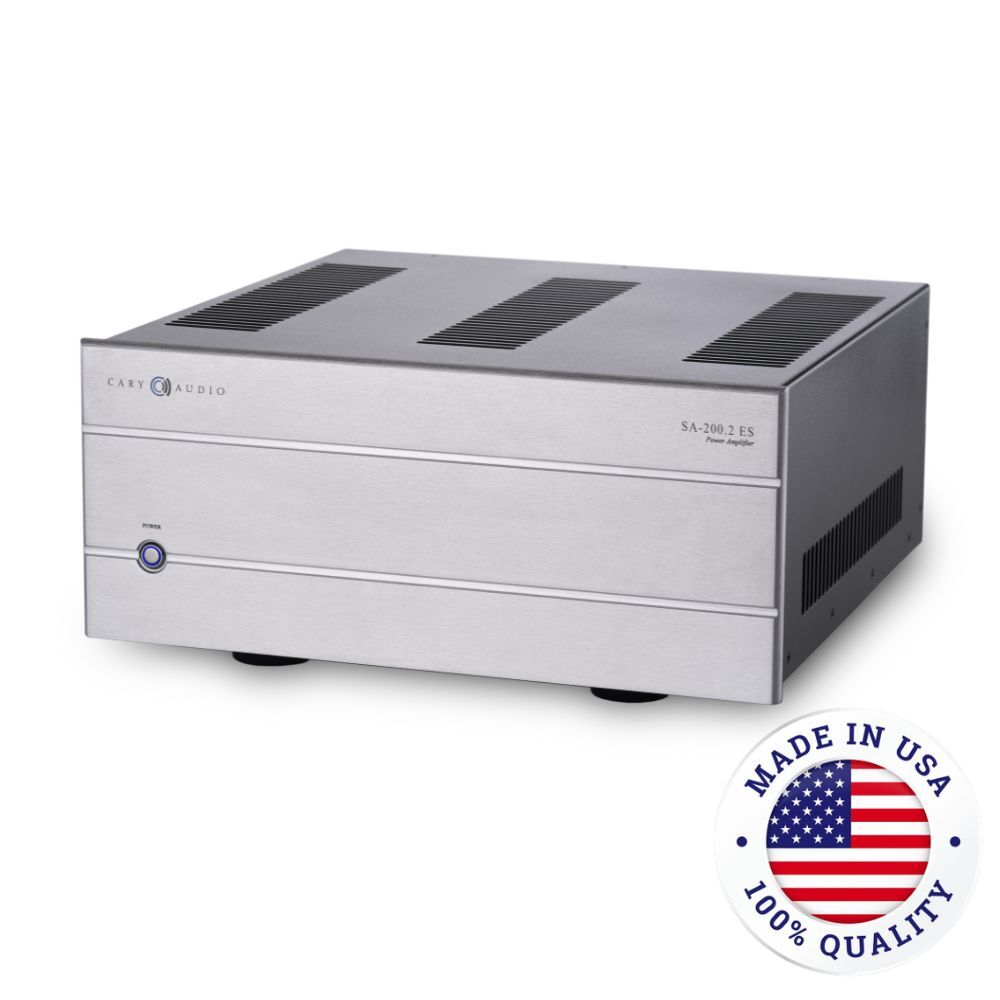
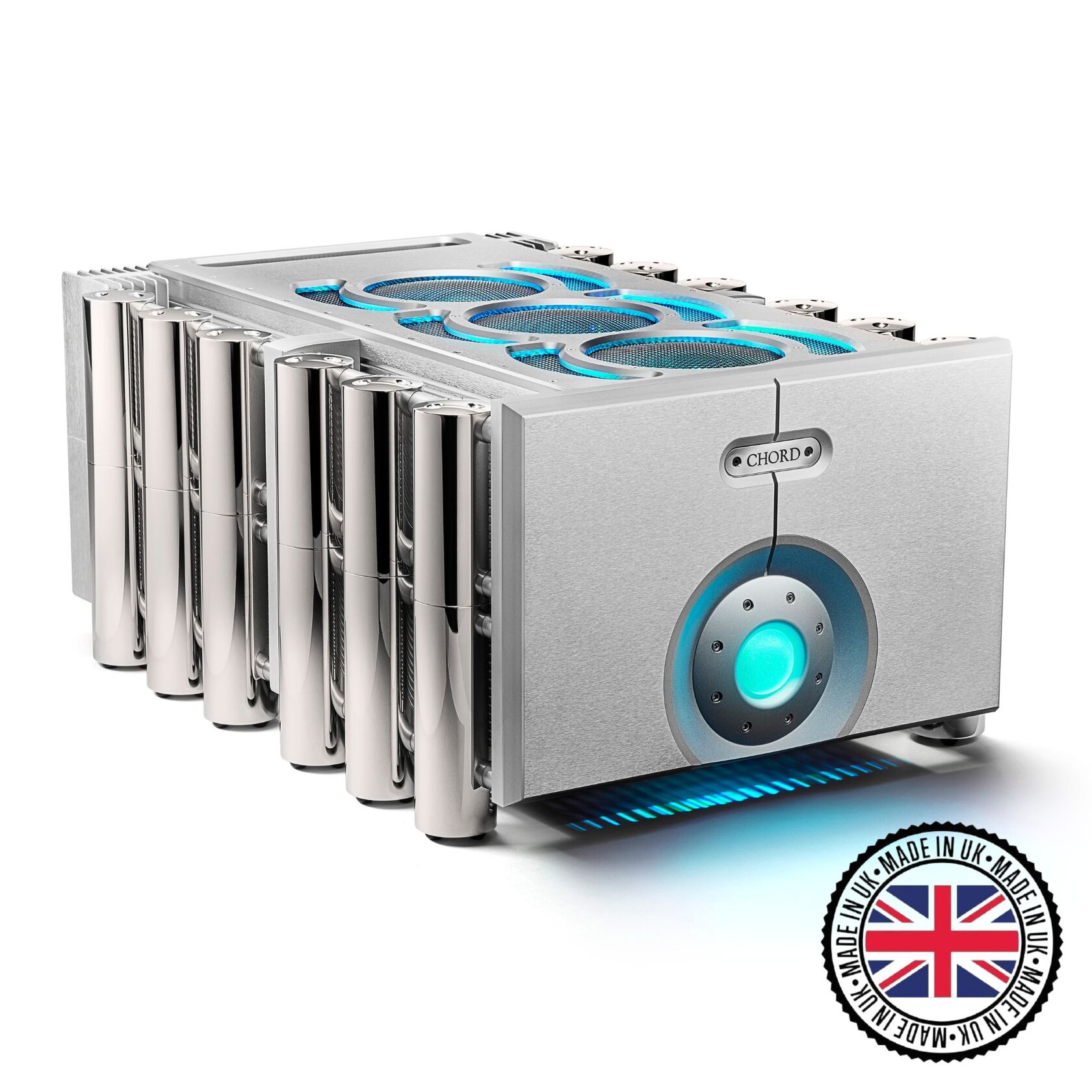
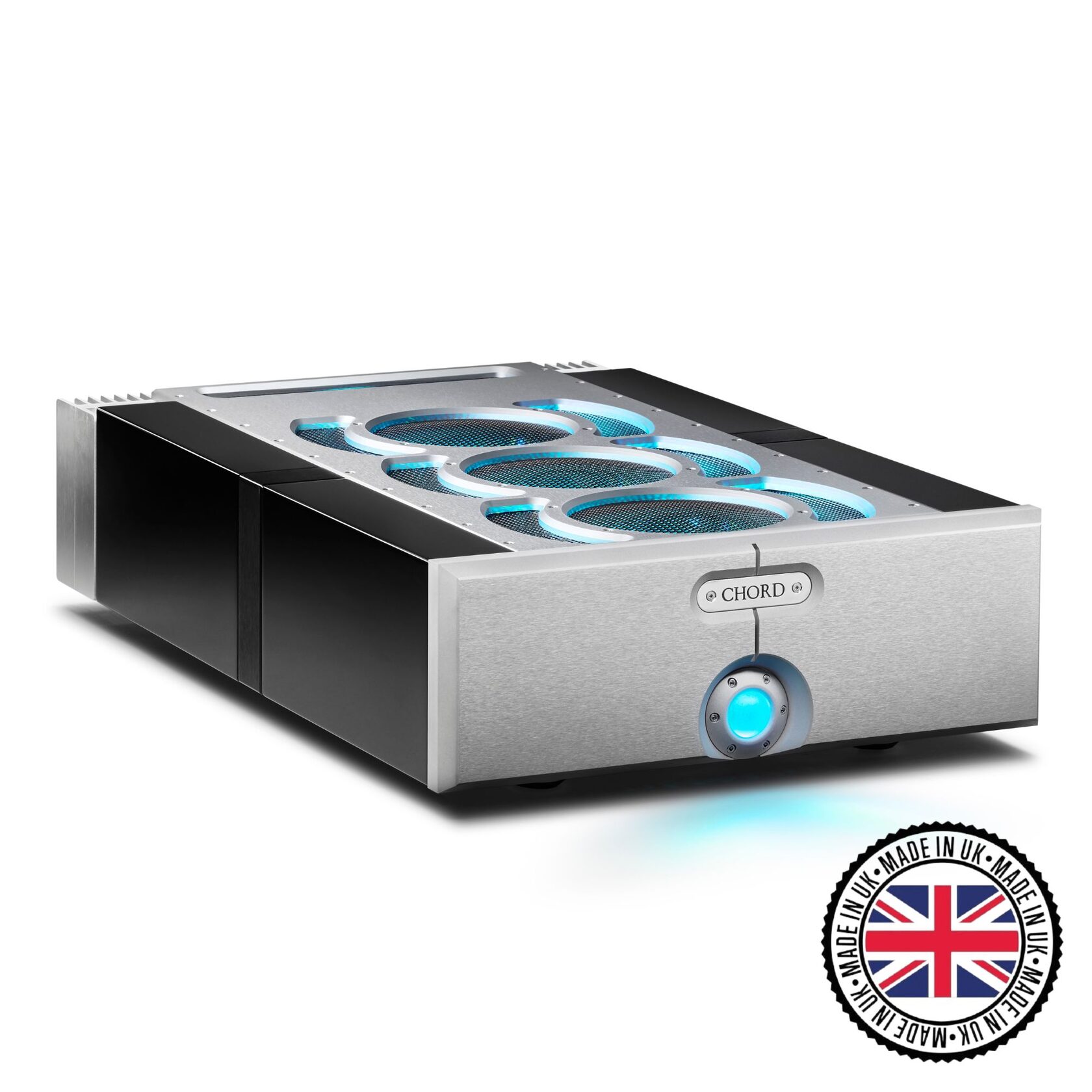
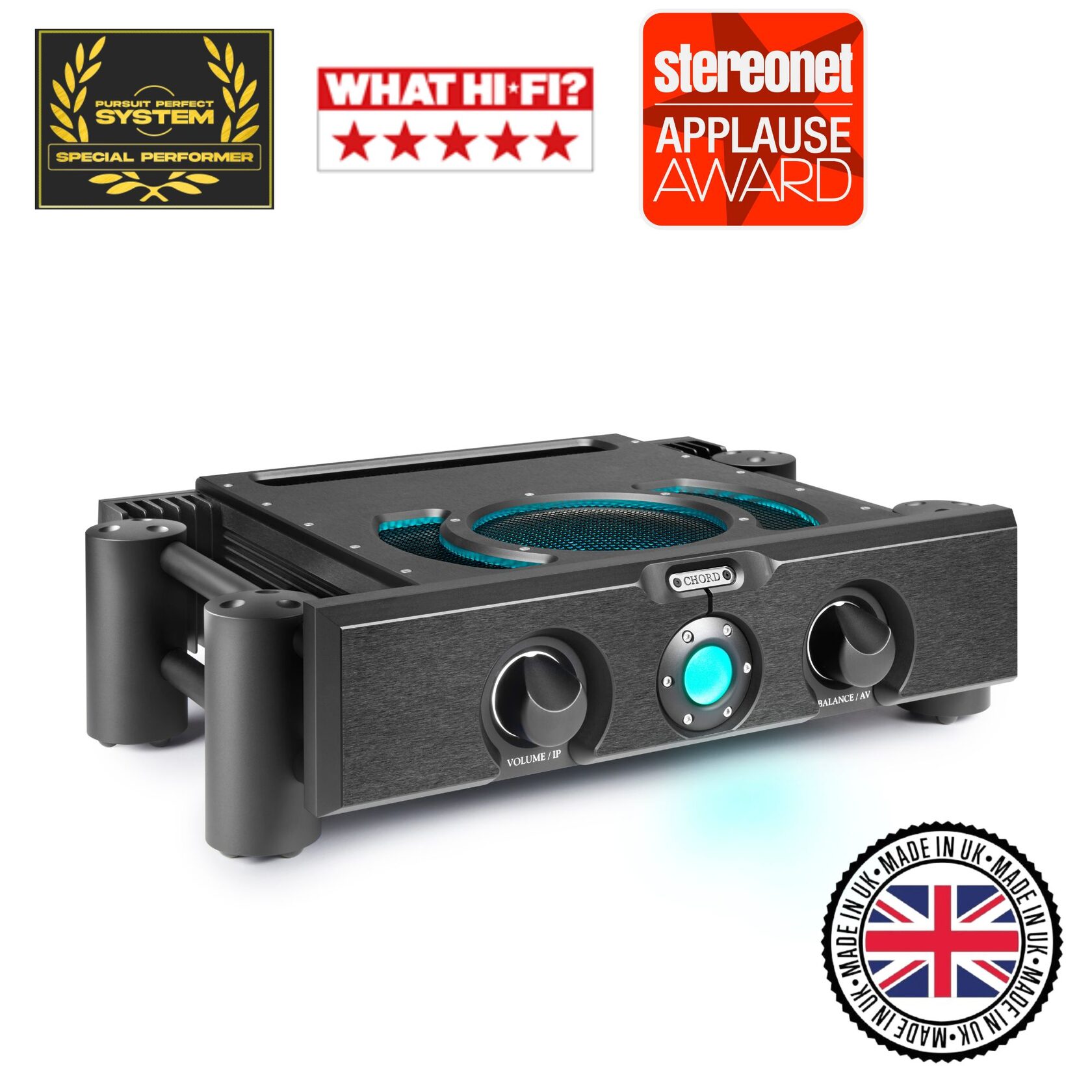
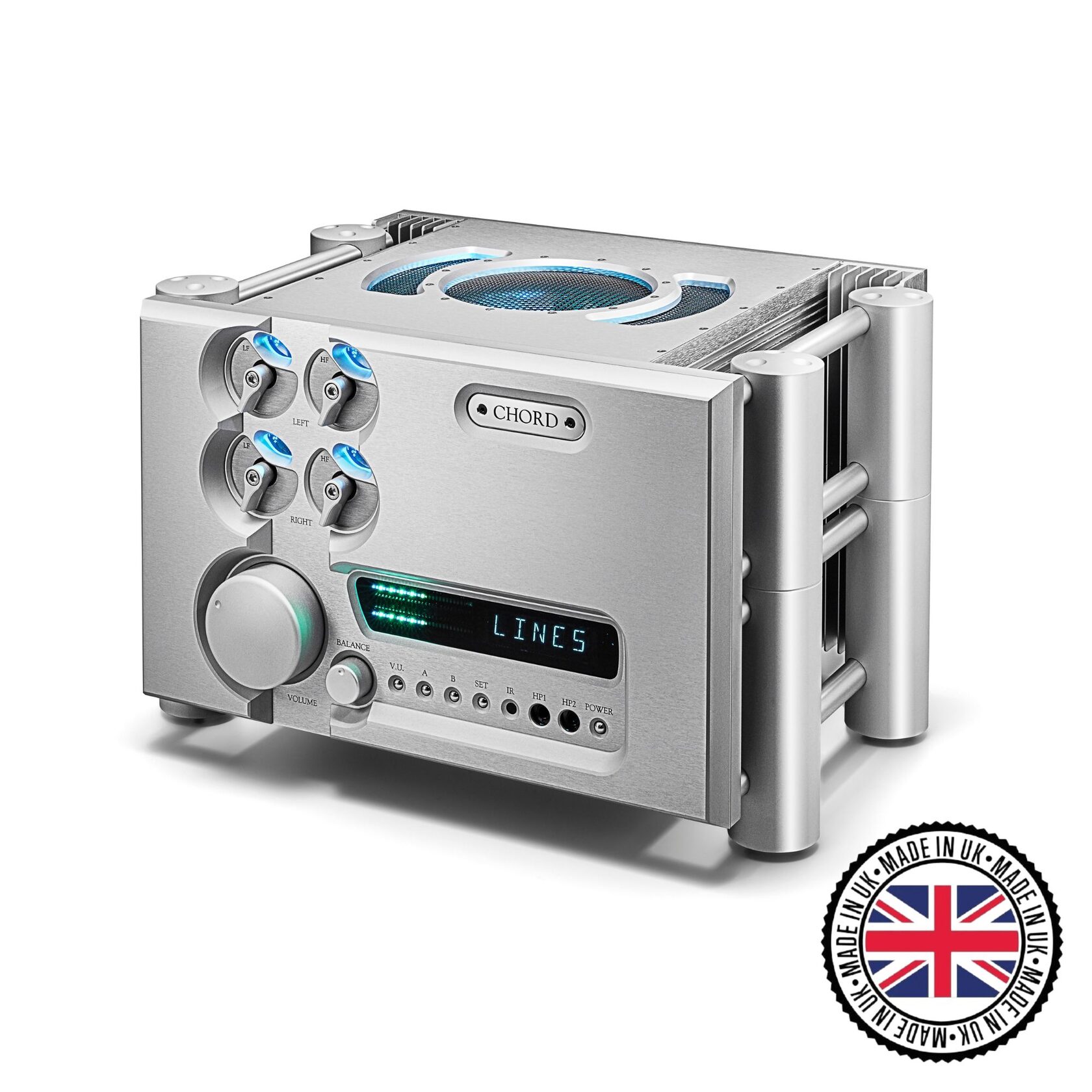
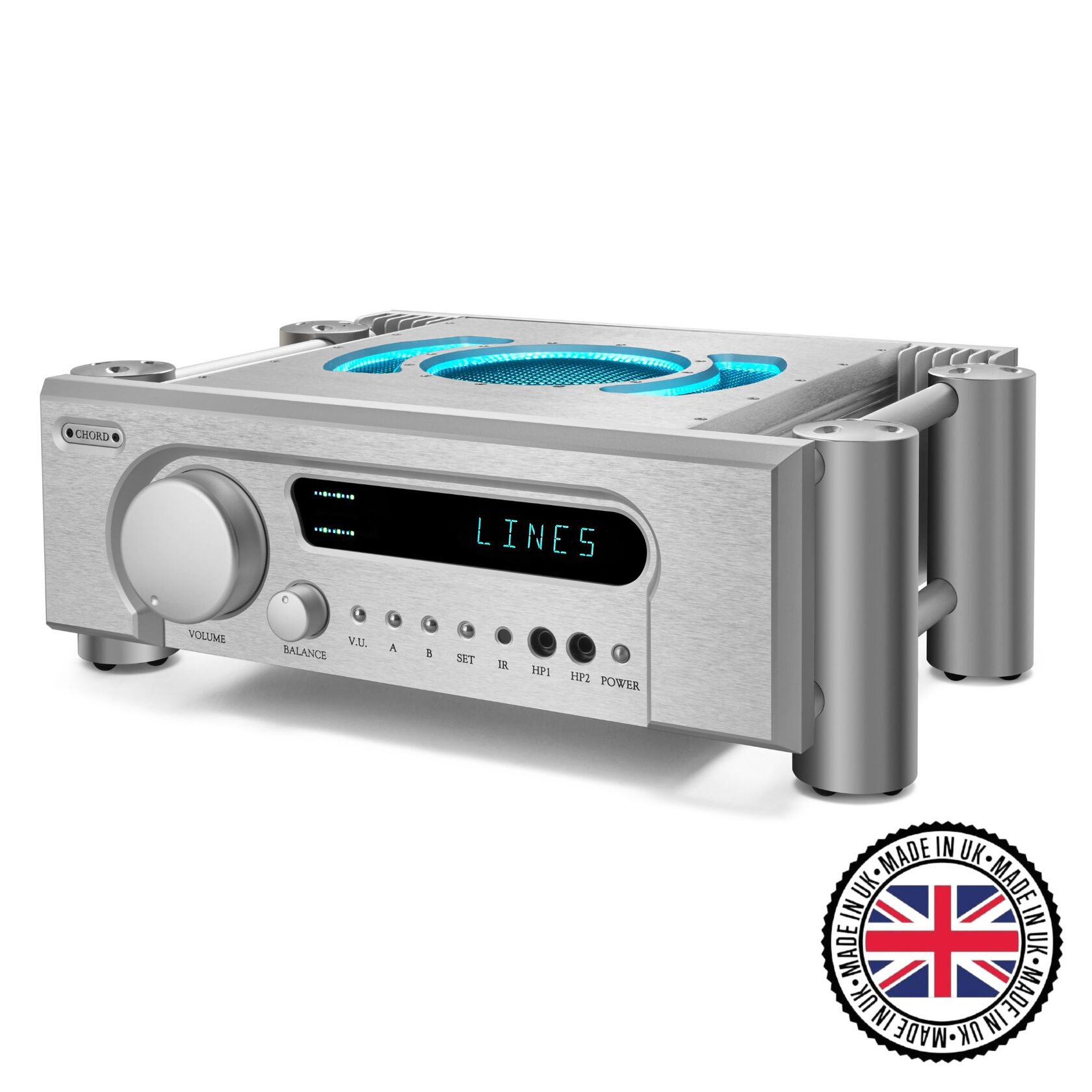
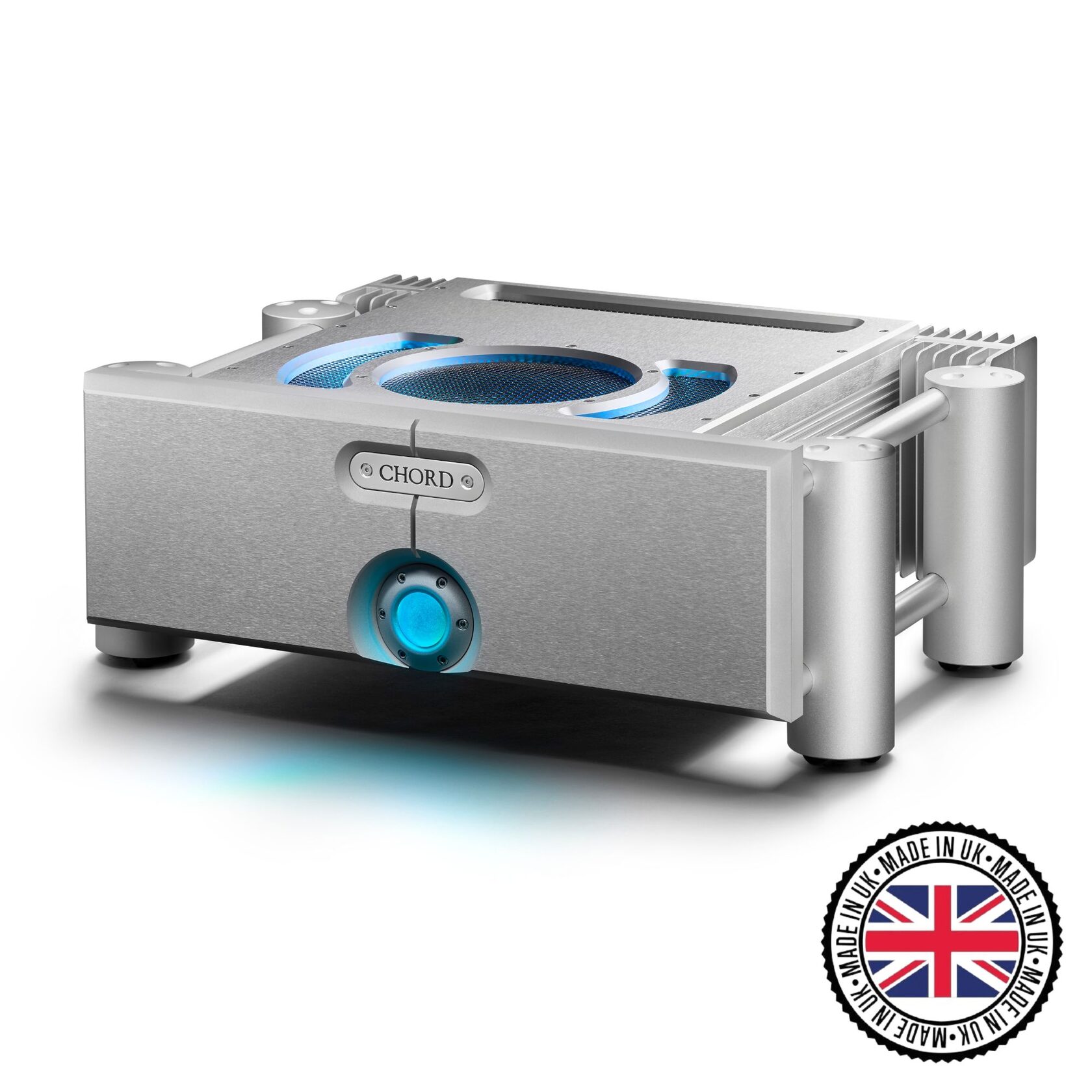
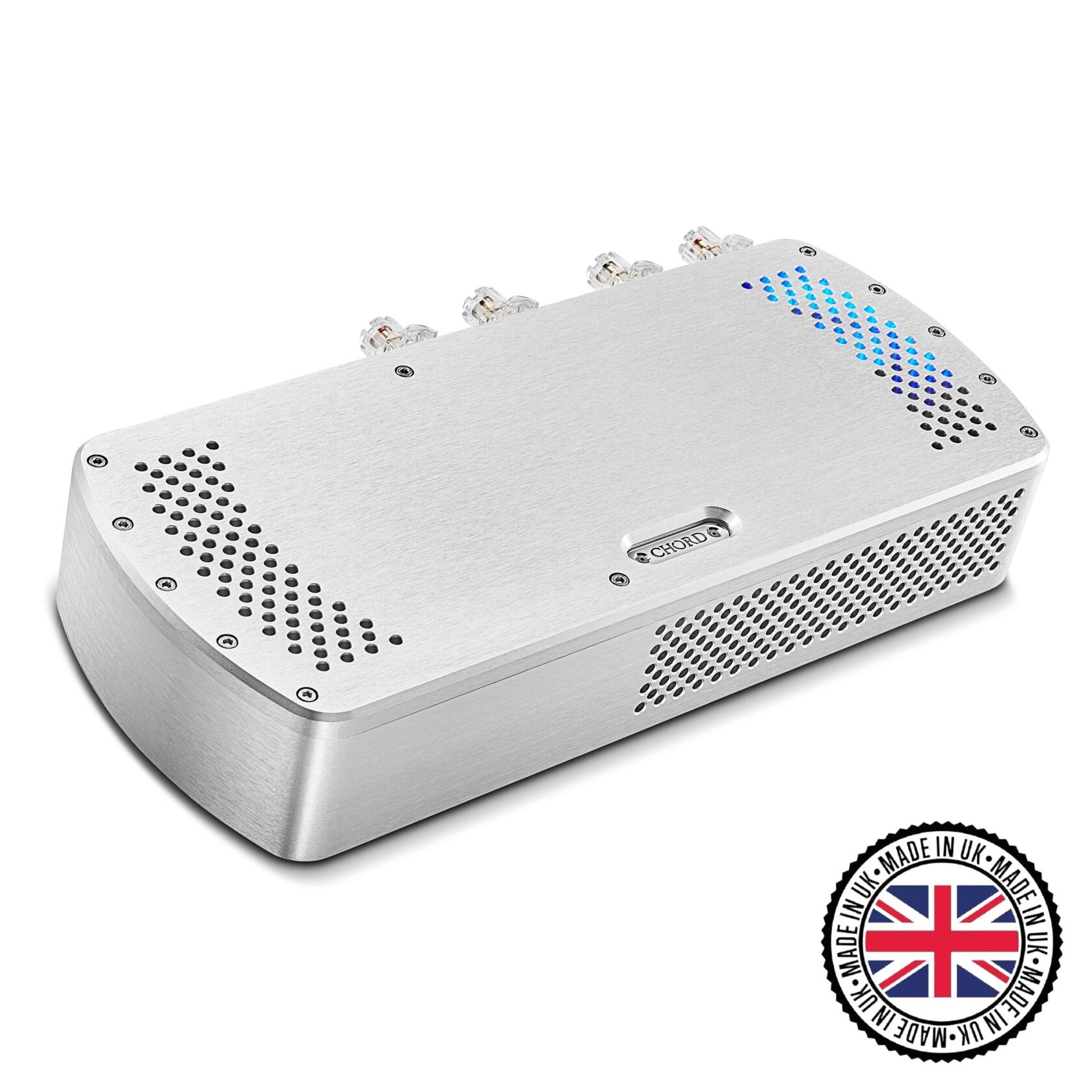
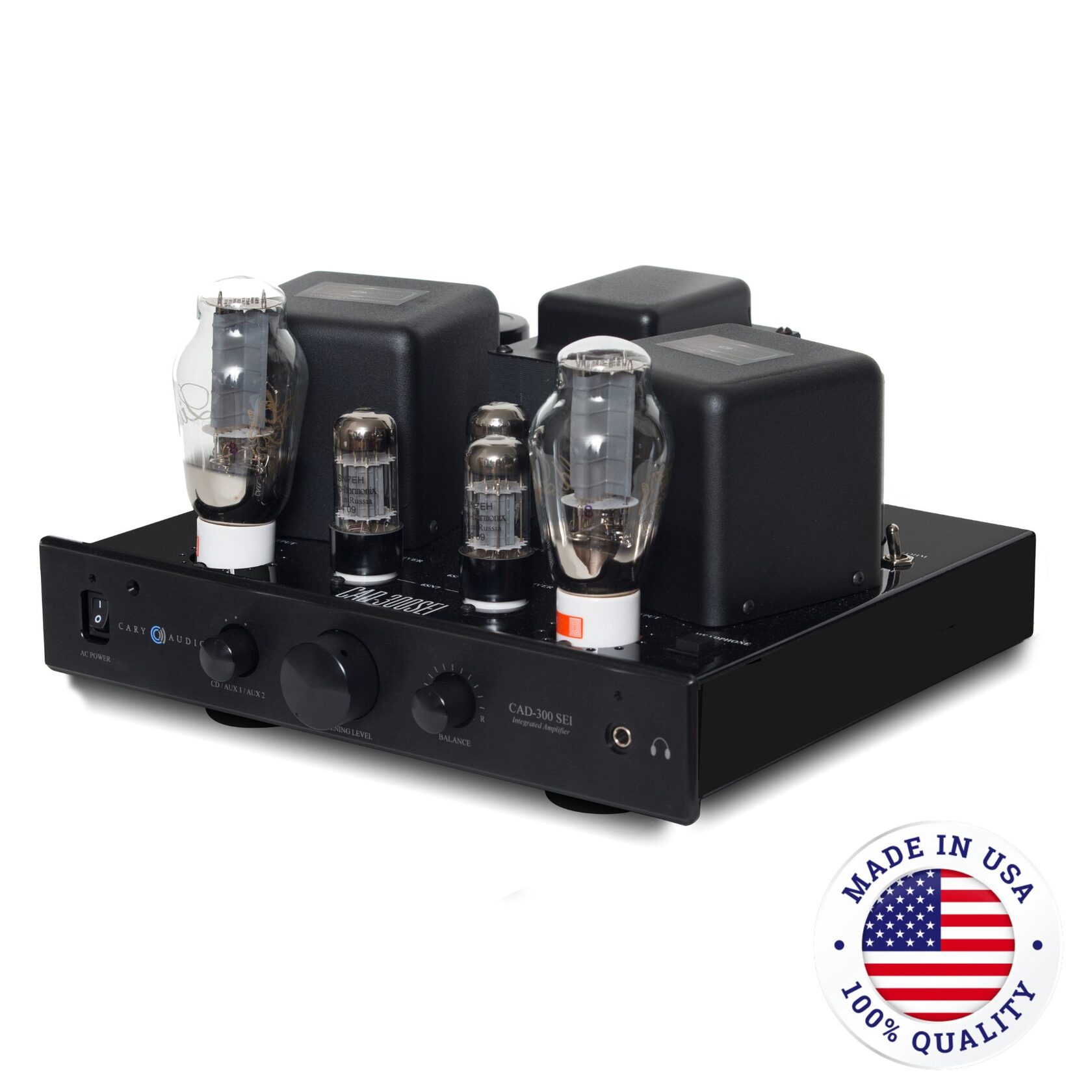
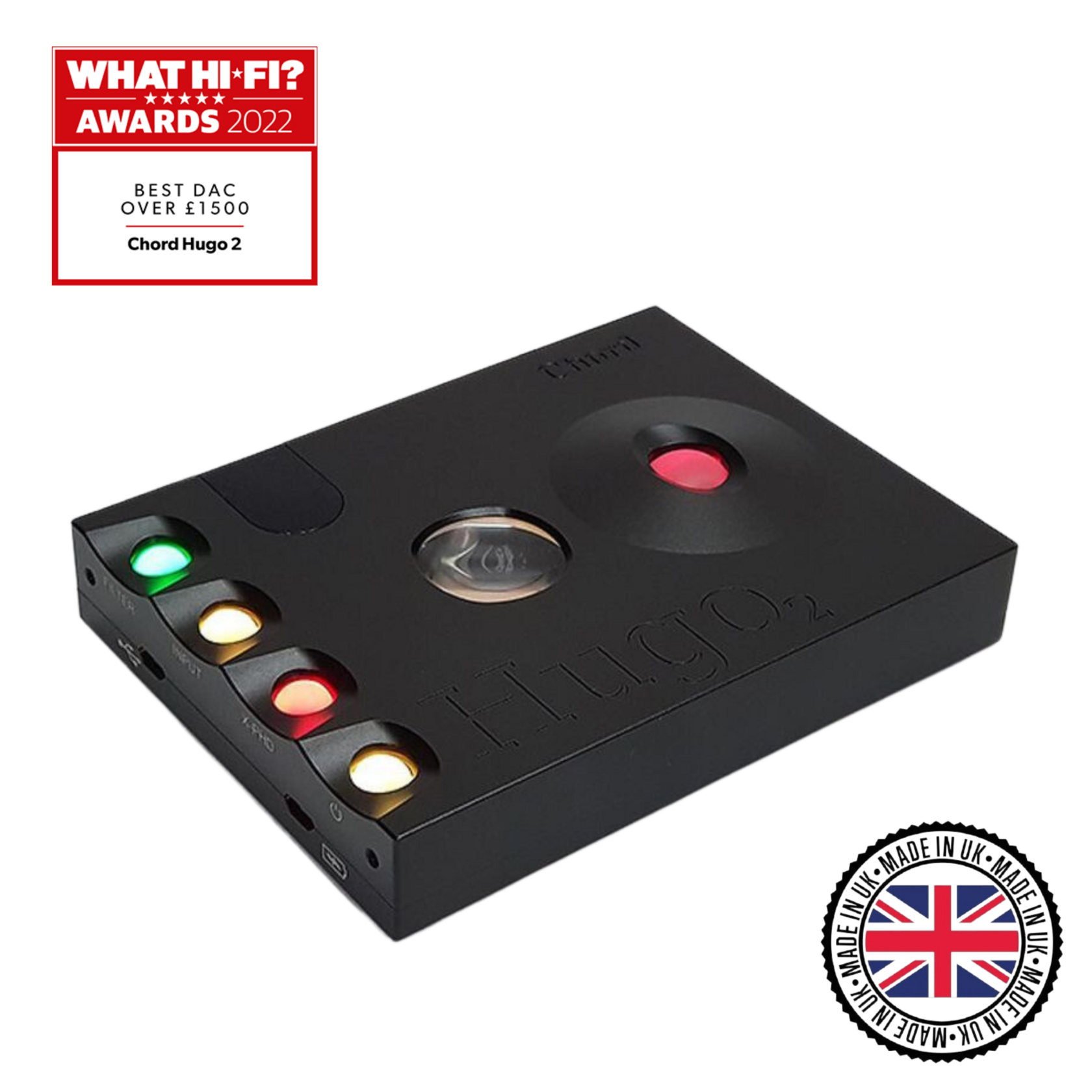
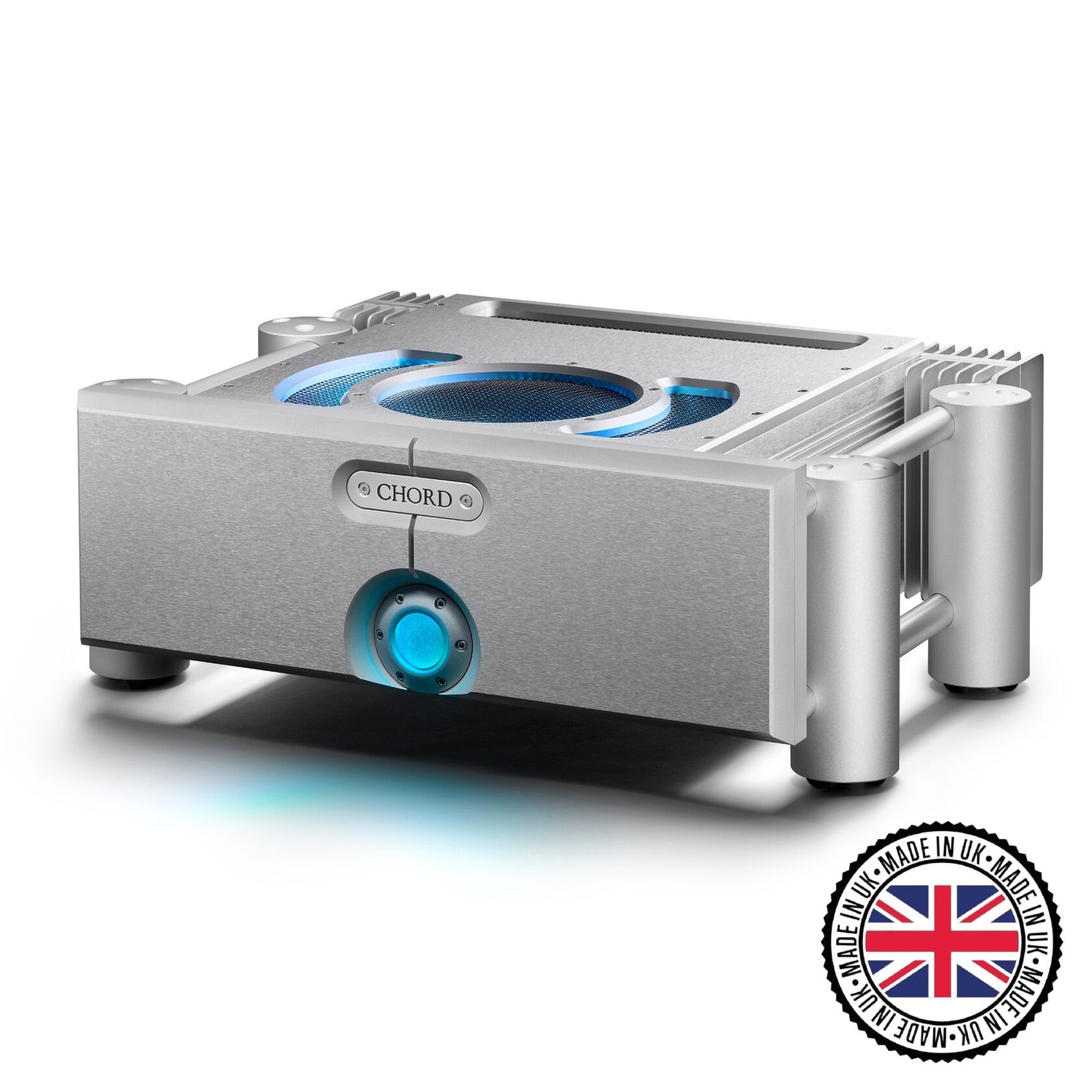
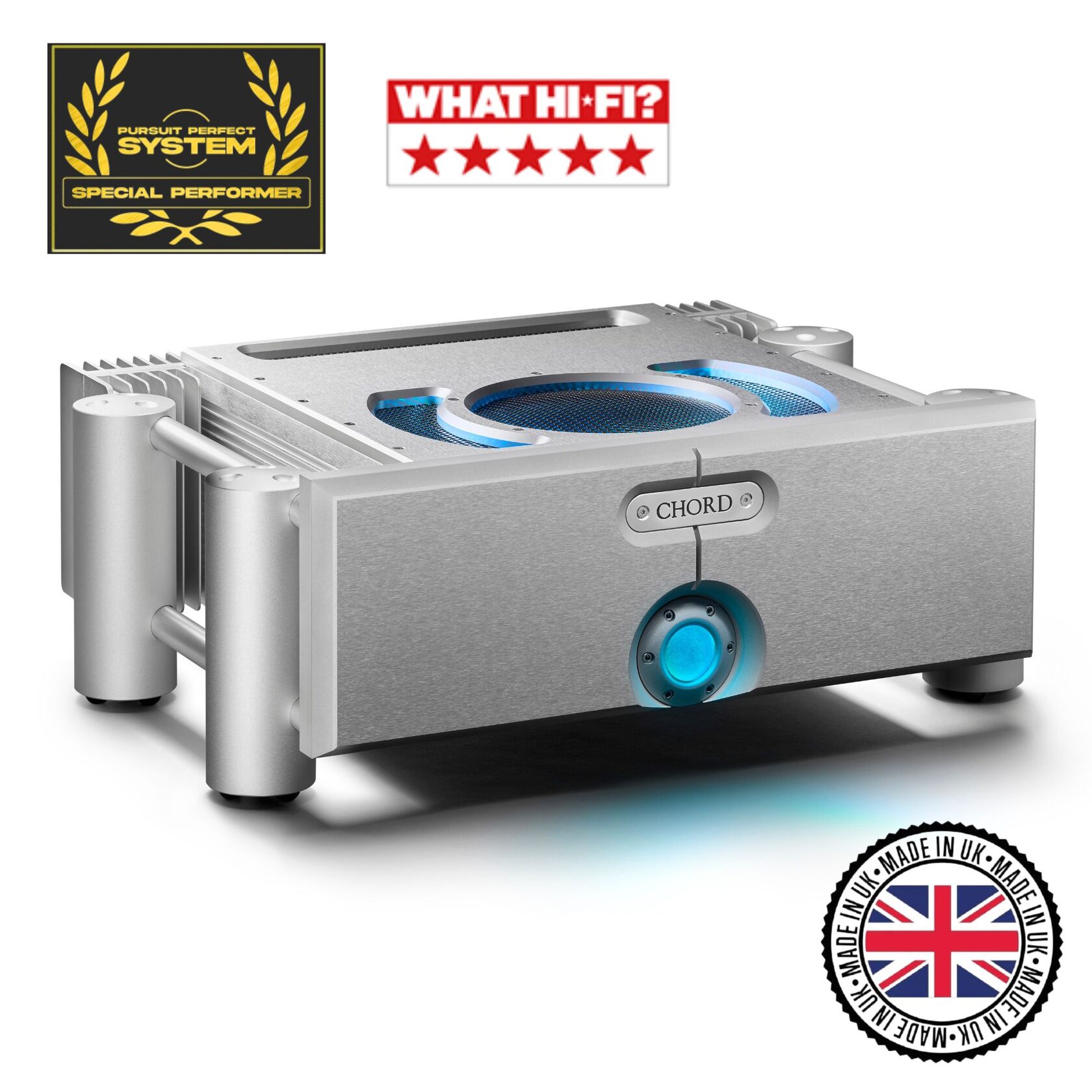
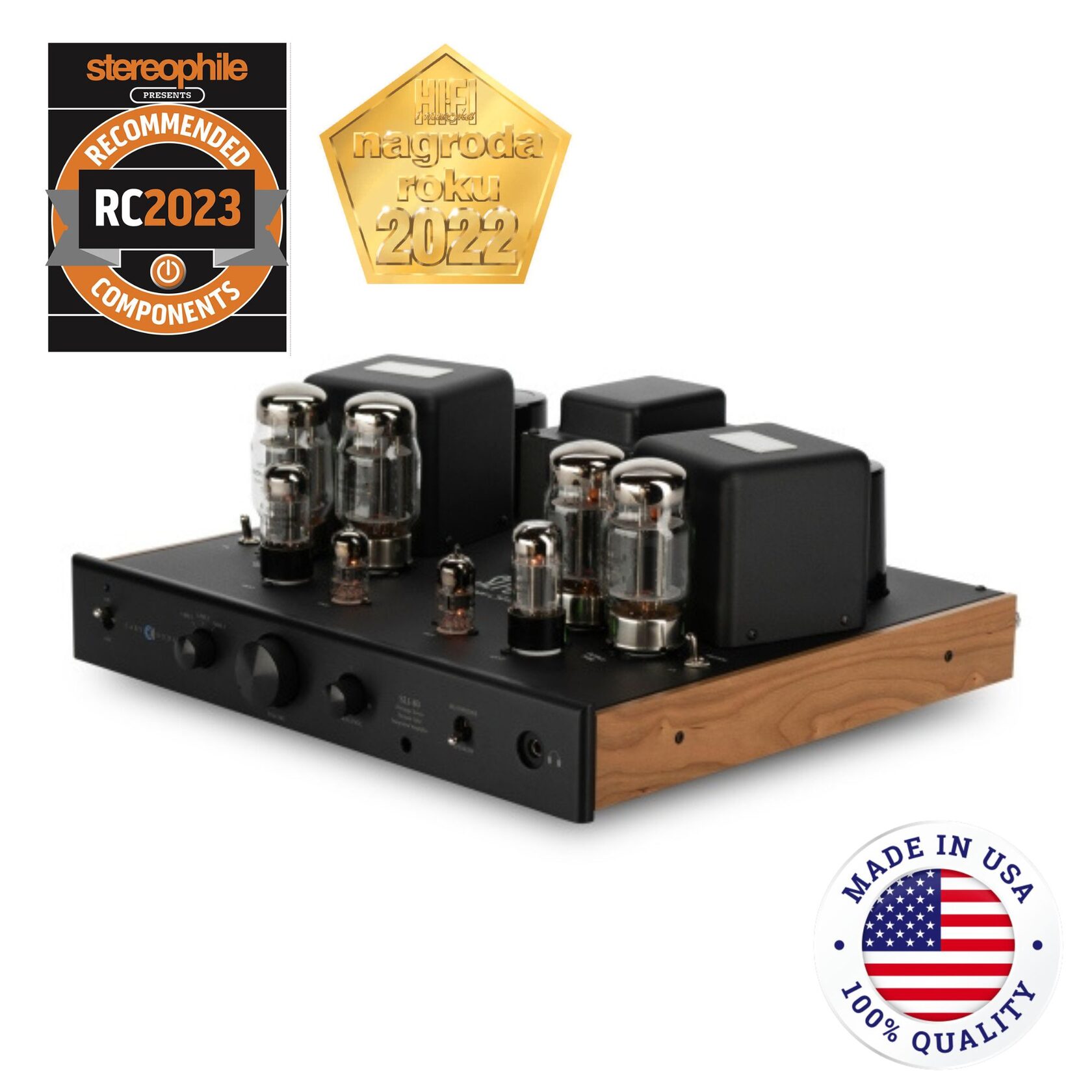
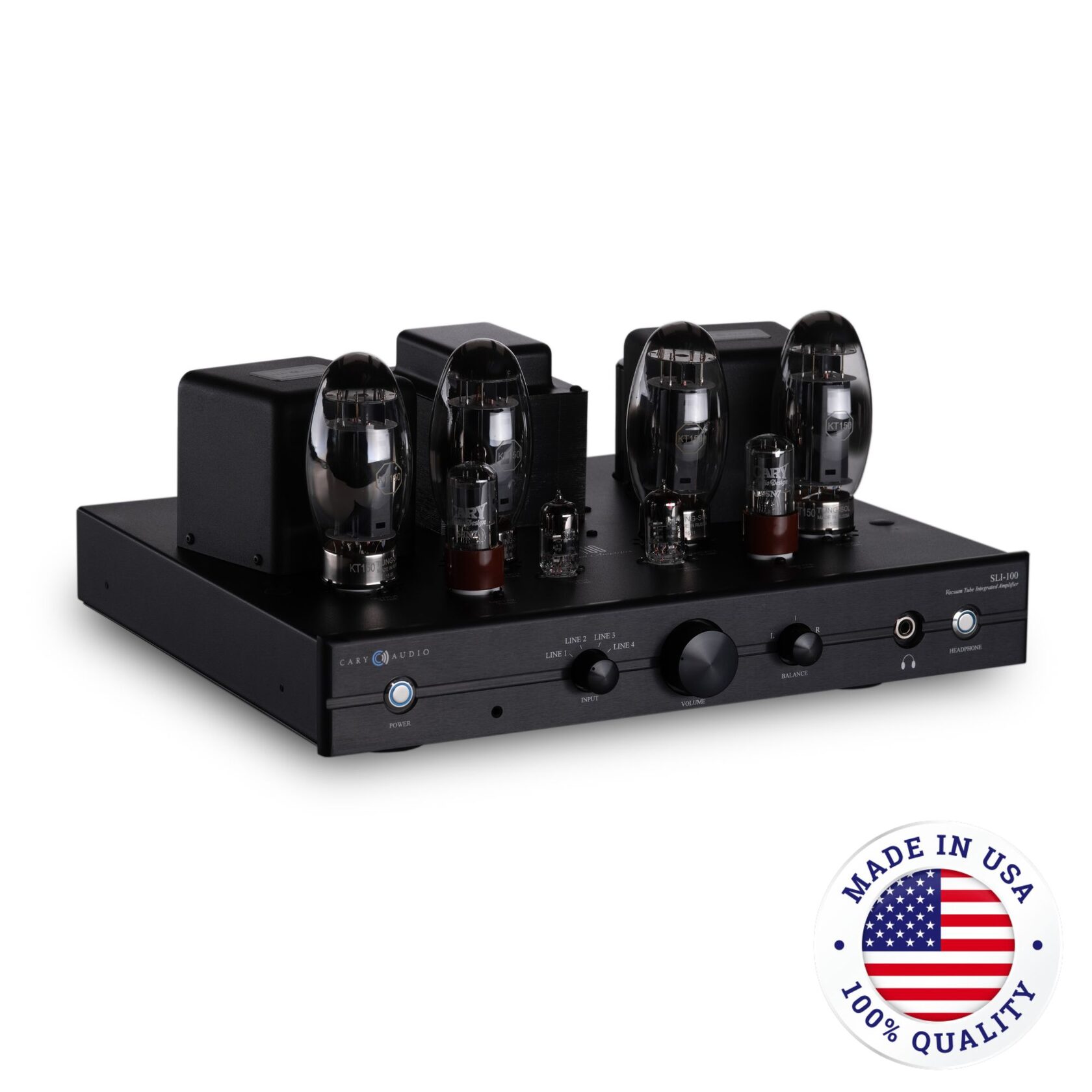
A Cary Audio SLI-80 HS amplifies a signal through eight vacuum tubes that need replacing every few thousand hours and run hot enough to warm a room. A Chord Electronics power amplifier does the same job with a switch-mode power supply borrowed from aerospace engineering, running cool and weighing a fraction as much. A Gold Note PA-series monoblock takes a third route again: solid-state Class A/AB circuitry with strict dual-mono separation between the left and right channels. All three exist to solve the same problem — turning a small voltage into enough current to move a loudspeaker cone cleanly — and none of them agree on how best to do it.
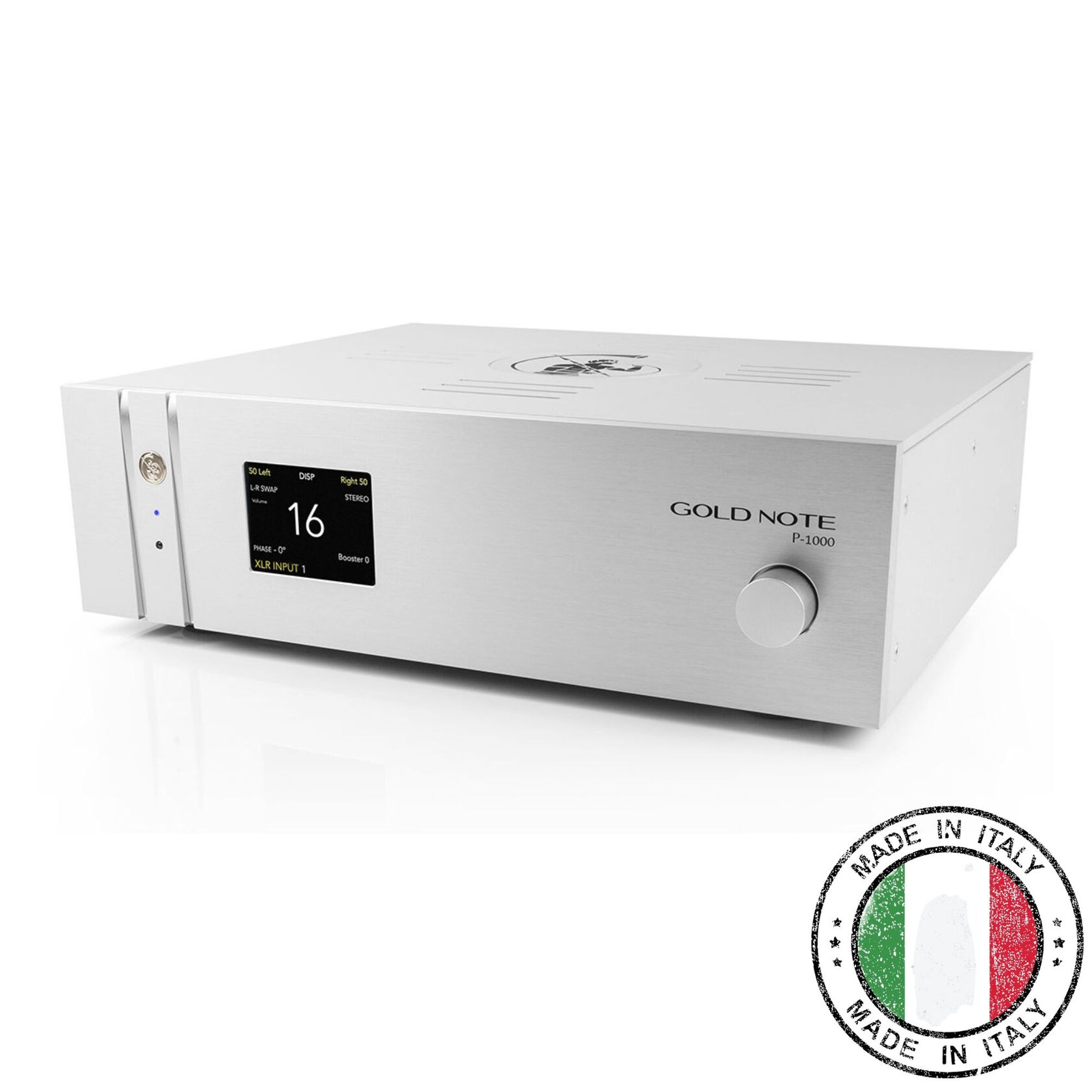
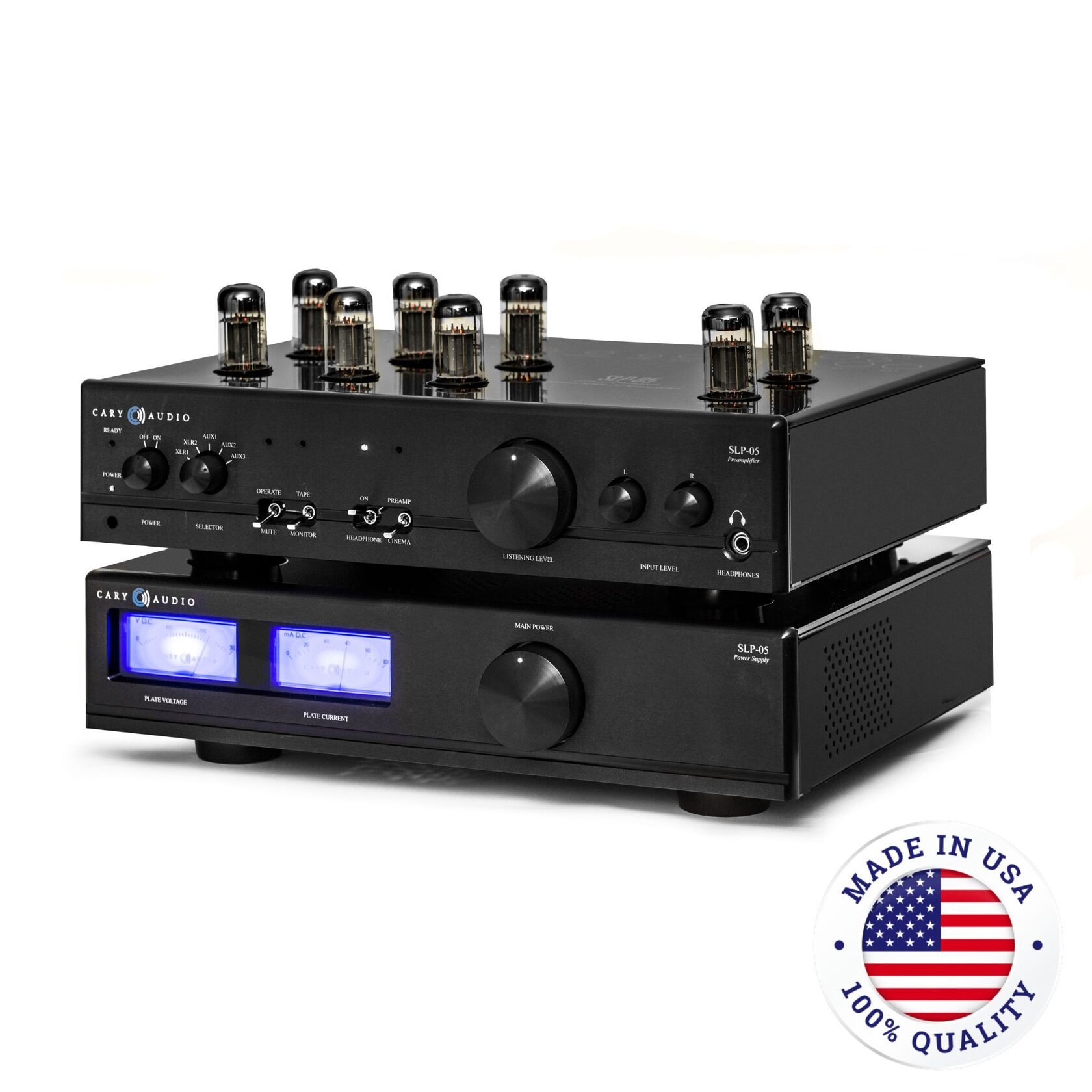
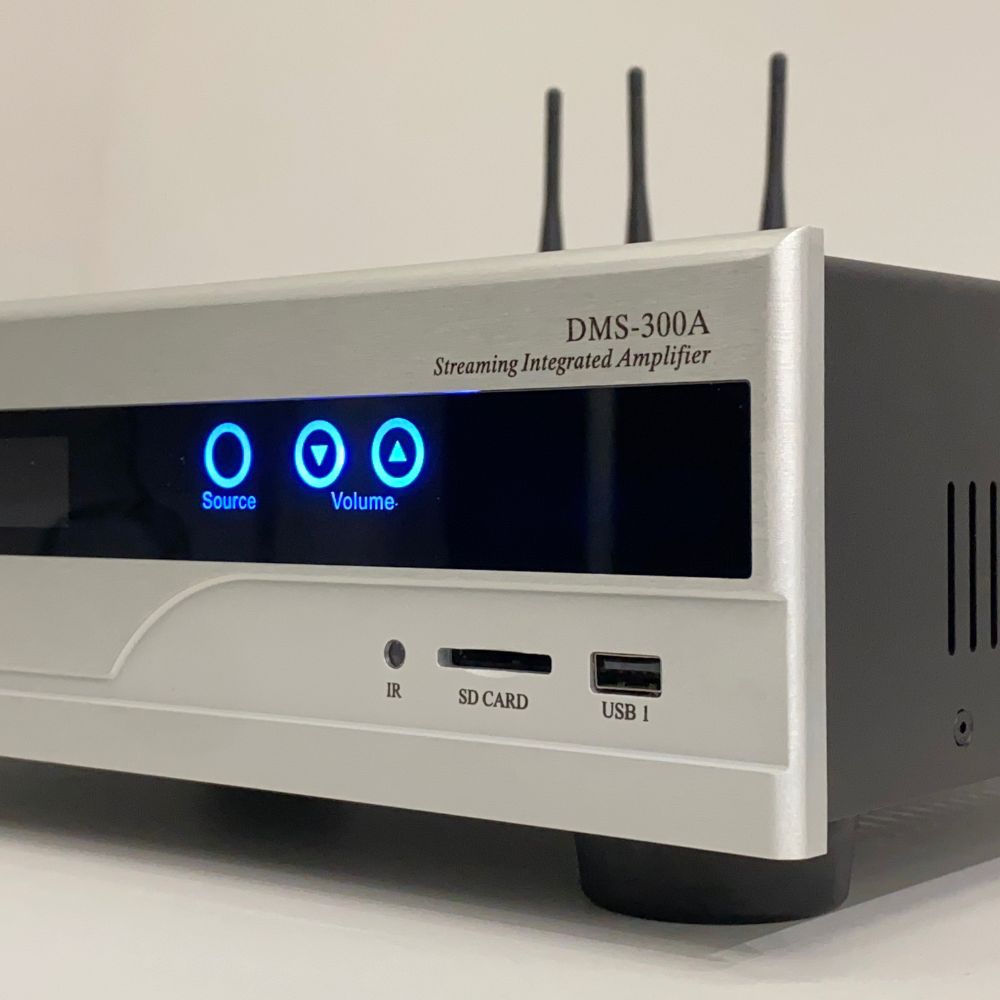
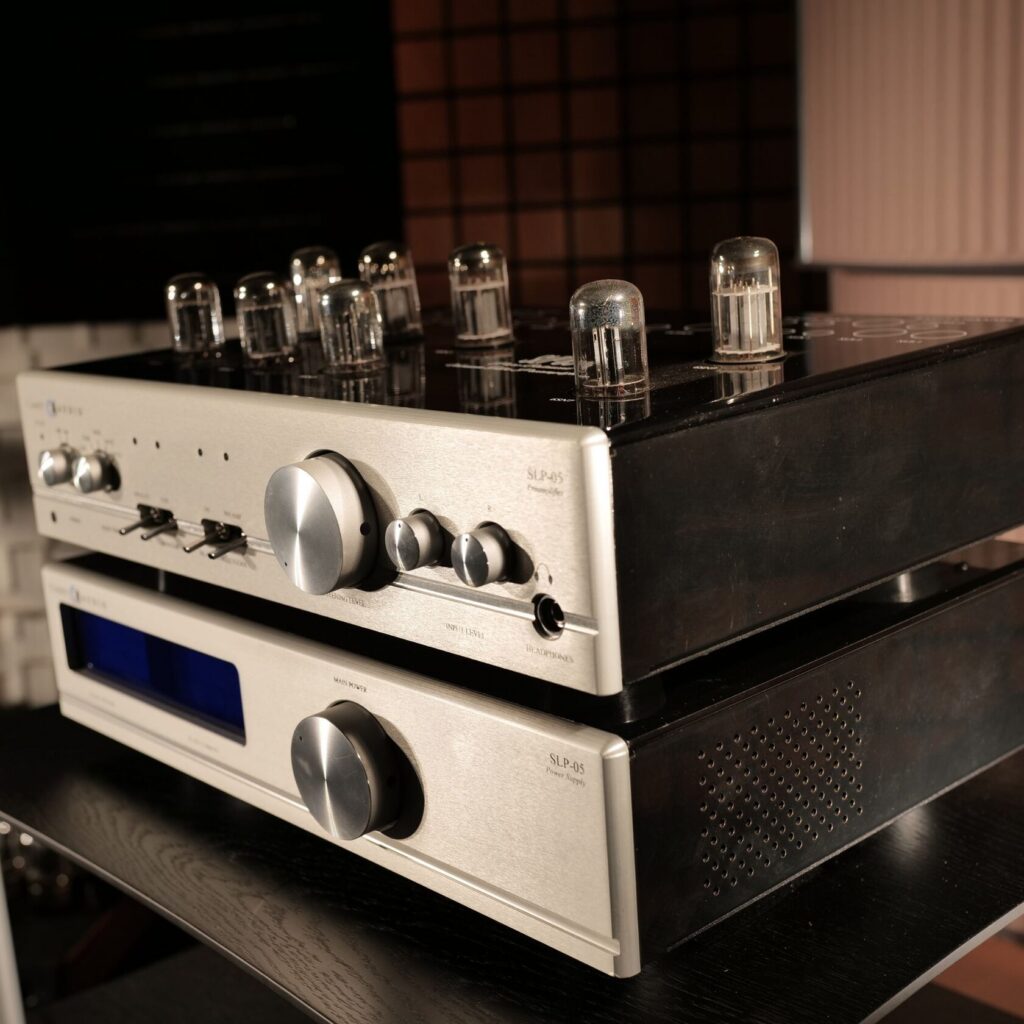
An amplifier’s job sounds simple: take the low-power signal from a preamp, DAC or streamer and raise its voltage and current enough to drive a loudspeaker’s voice coil without distorting the waveform. A preamplifier selects the source and sets the listening level; a power amplifier supplies the current to move the speaker. An integrated amplifier combines both stages in a single chassis, while separates split them into individual boxes with their own power supplies — often, as with Gold Note’s P-series preamplifier and PA-series monoblocks or Cary Audio’s SLP preamps and CAD monoblocks, so each stage can be chosen or upgraded on its own. How cleanly an amplifier holds its voltage steady as a speaker’s impedance rises and falls across the frequency range matters more than its wattage rating measured at a single, favourable figure.
Amplification itself is old. Vacuum tube circuits powered the first practical hi-fi systems from the 1940s onward, and for two decades tubes were the only viable way to amplify an audio signal cleanly. Transistors displaced them commercially through the 1970s and 80s, offering more power and less maintenance from a smaller chassis, and pushed most listening rooms toward the solid-state Class A and Class AB designs that still dominate the category today. Tube amplification never disappeared, though — it settled into a smaller, deliberately chosen niche, where its distinctive harmonic signature is treated as a design goal rather than a flaw to engineer out. Class D switching amplifiers, developed from the 1990s onward, added a third route: high-frequency switching in place of continuous linear operation, cutting size and heat, though early implementations traded away some of the measurable accuracy that the best solid-state and tube designs still chase today.
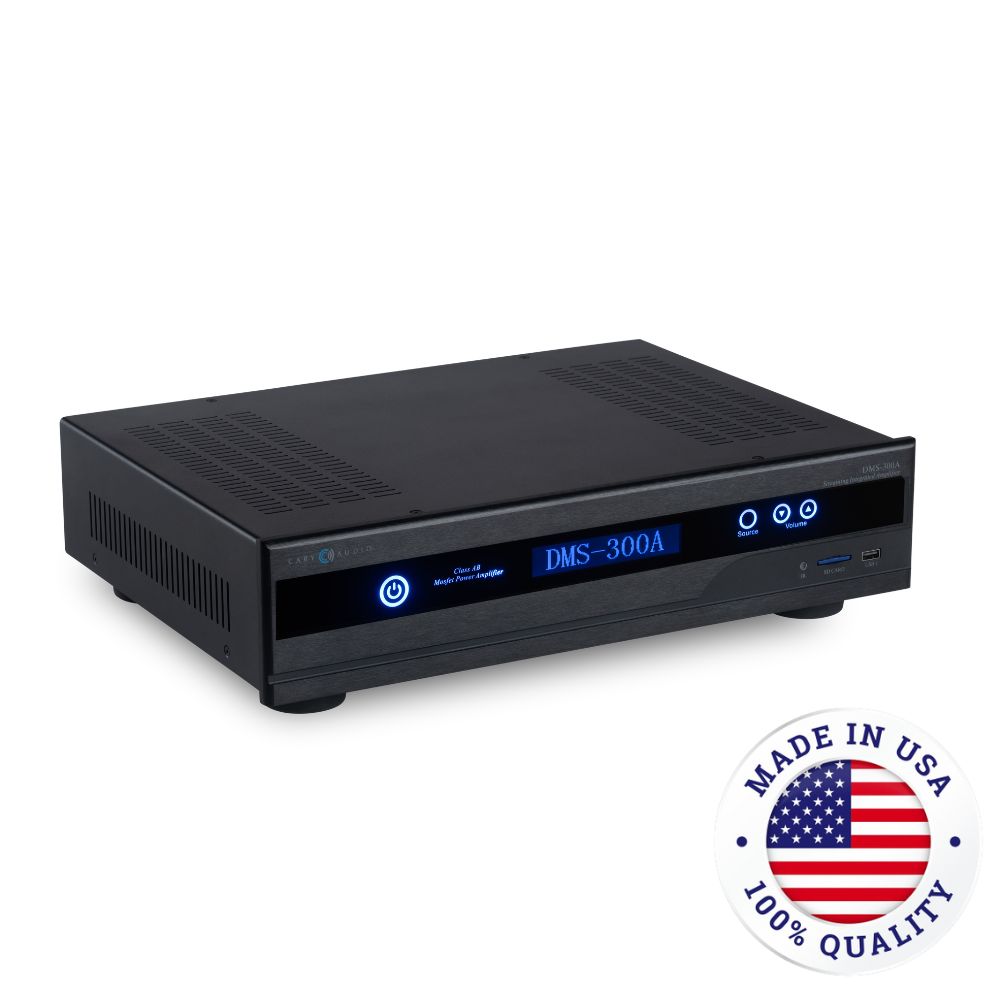
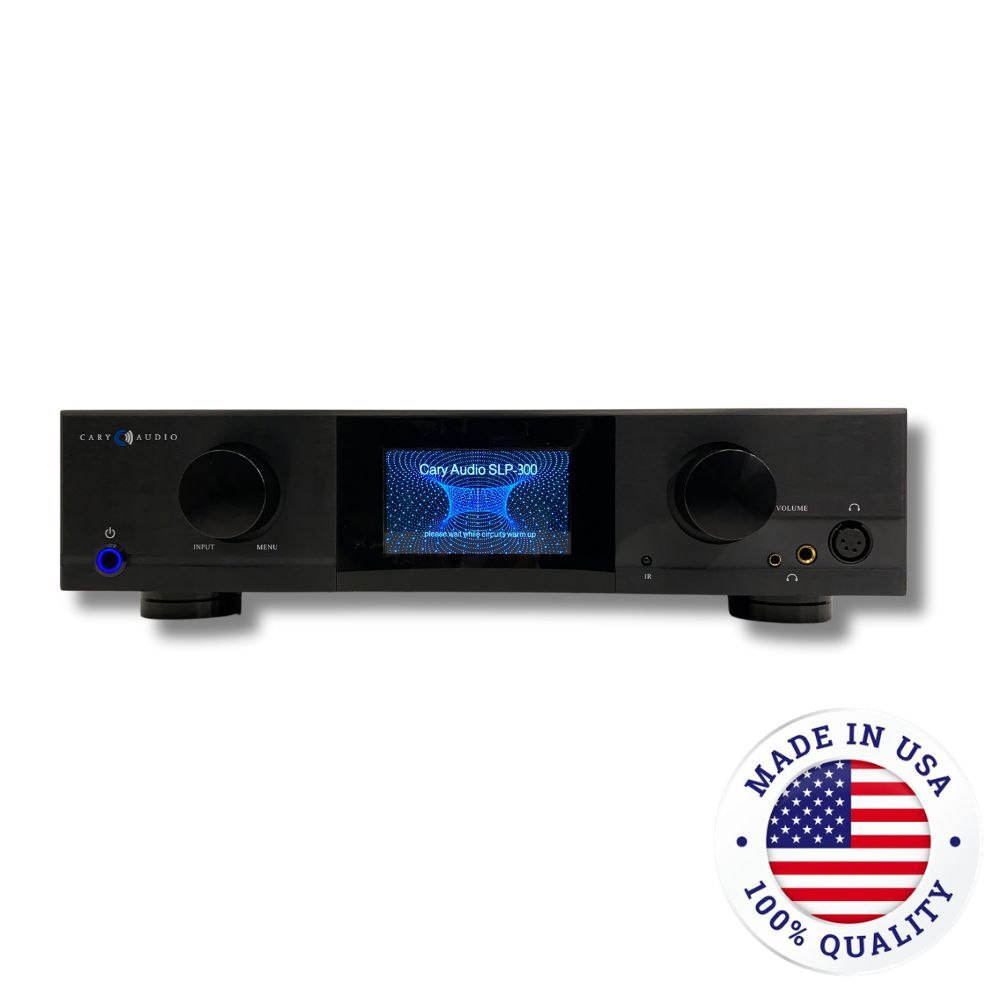
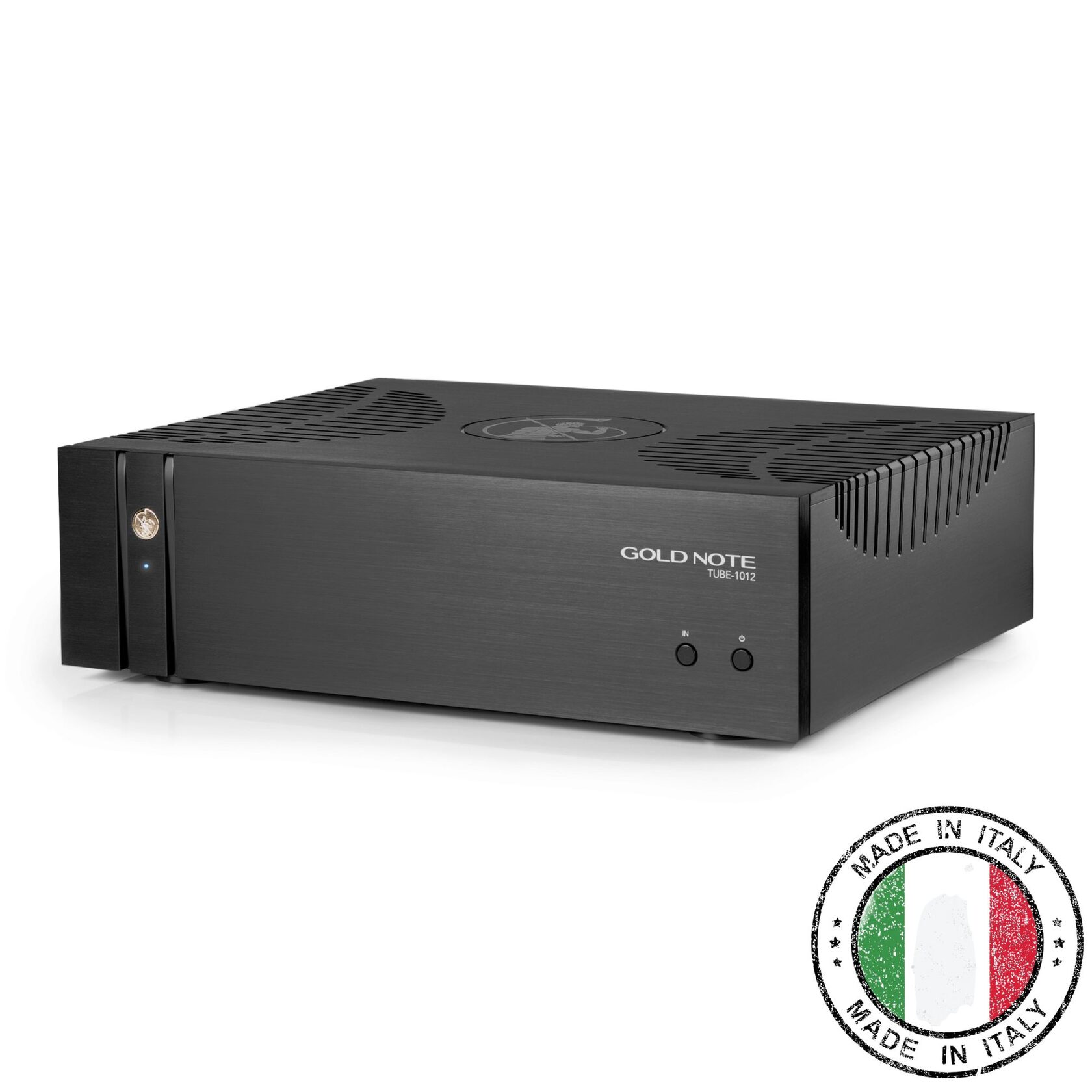
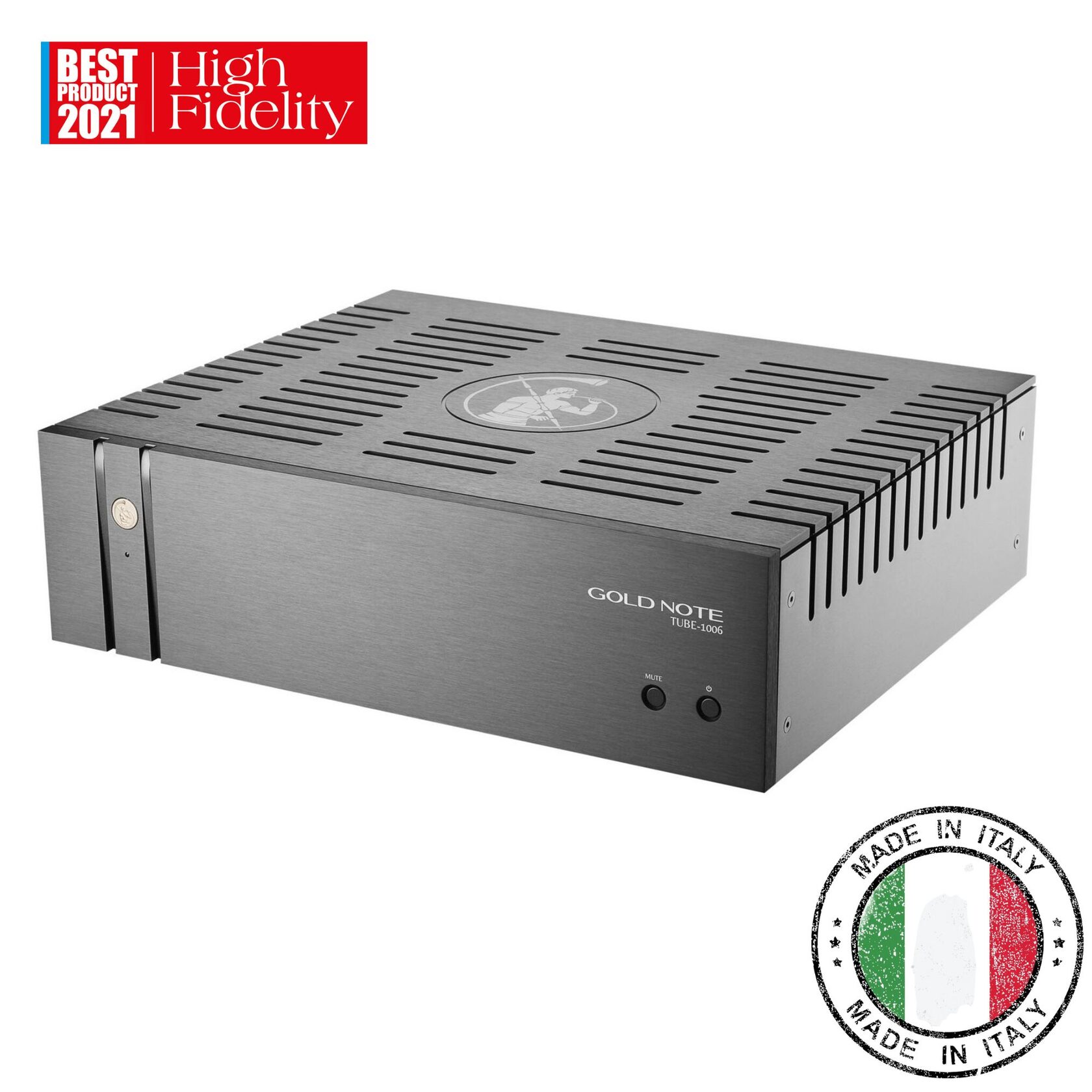
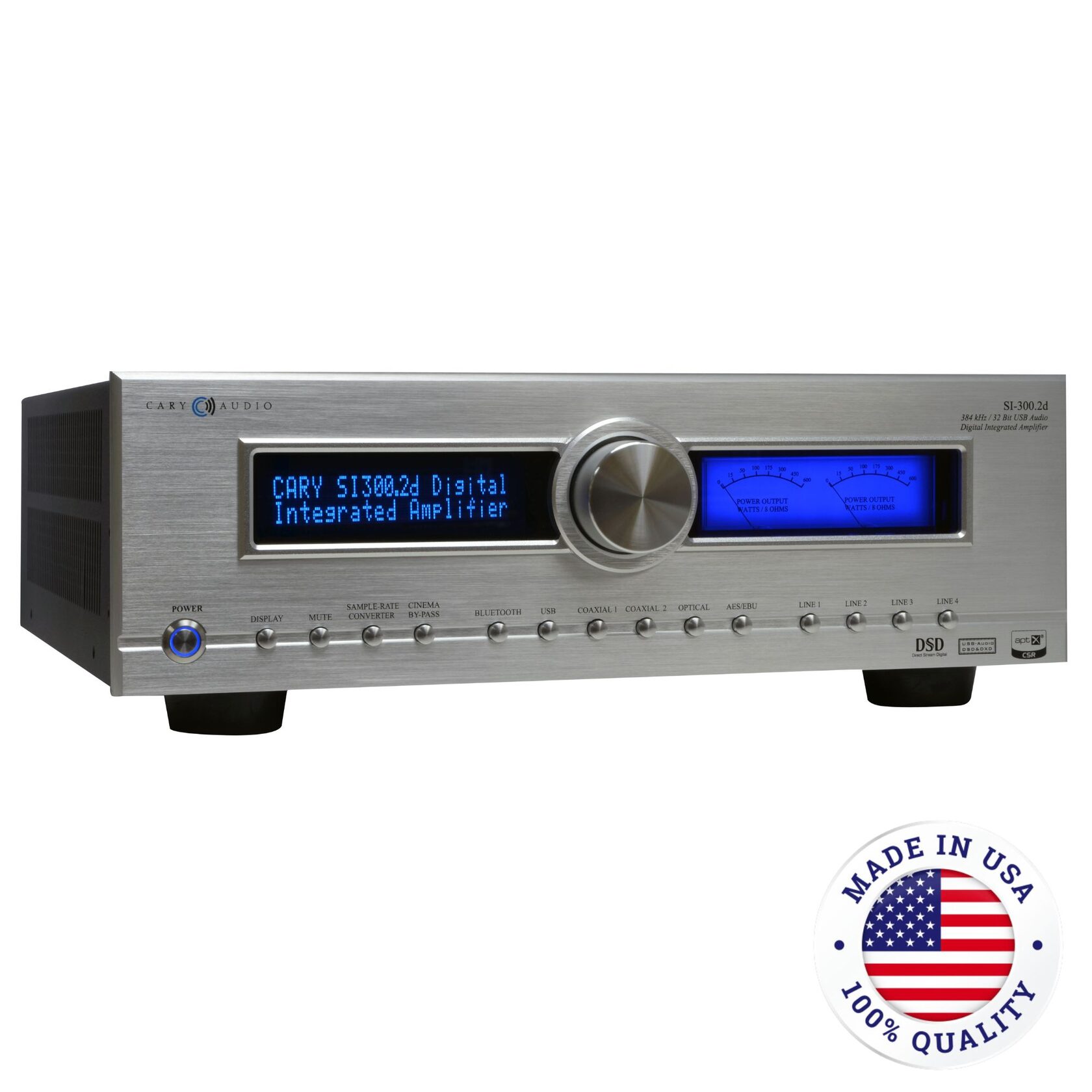
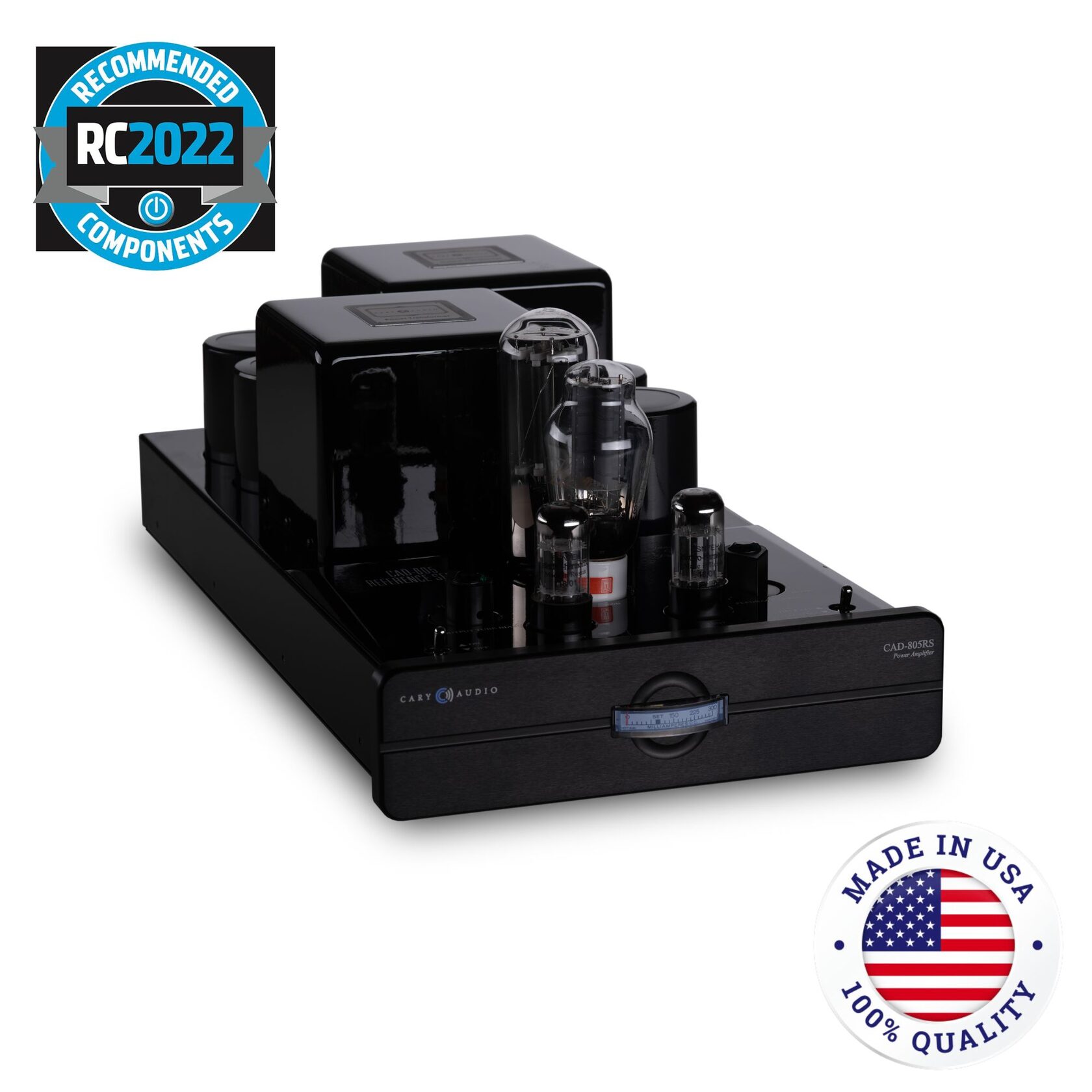
Cary Audio has built its reputation on the tube route since Dennis Had founded the company in Cary, North Carolina, in 1989, at a moment when most of the industry had already moved to solid-state. Models such as the SLI-80 HS integrated amplifier and its 211 and 300B tube monoblocks use vacuum tube output stages where the tubes themselves are user-replaceable and, for many owners, part of the ongoing hobby: swapping a set changes the amplifier’s tonal balance in a way a solid-state gain stage doesn’t allow. Cary builds solid-state amplifiers too, but the tube models remain what the brand is best known for supplying to a market that never fully left valve amplification behind.
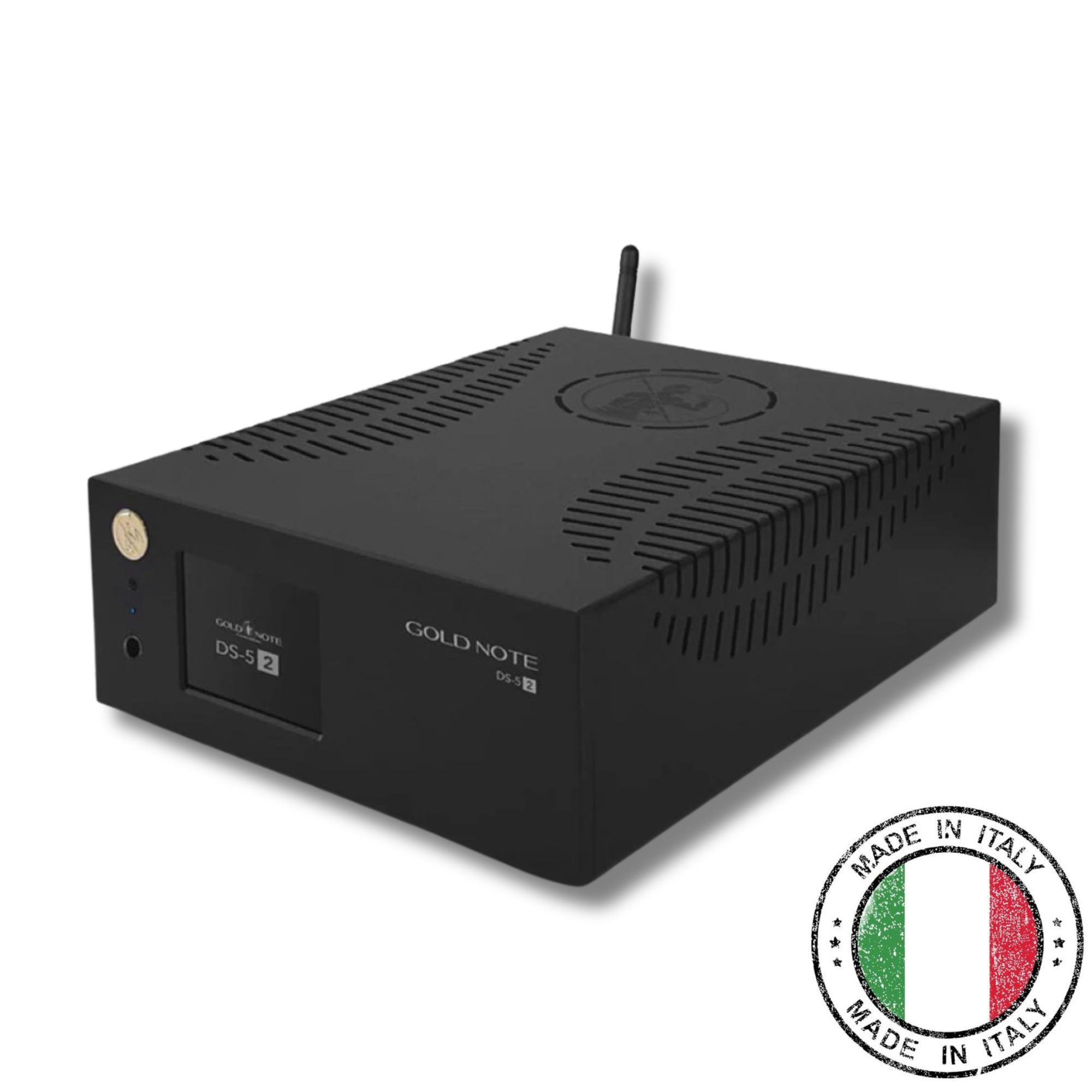
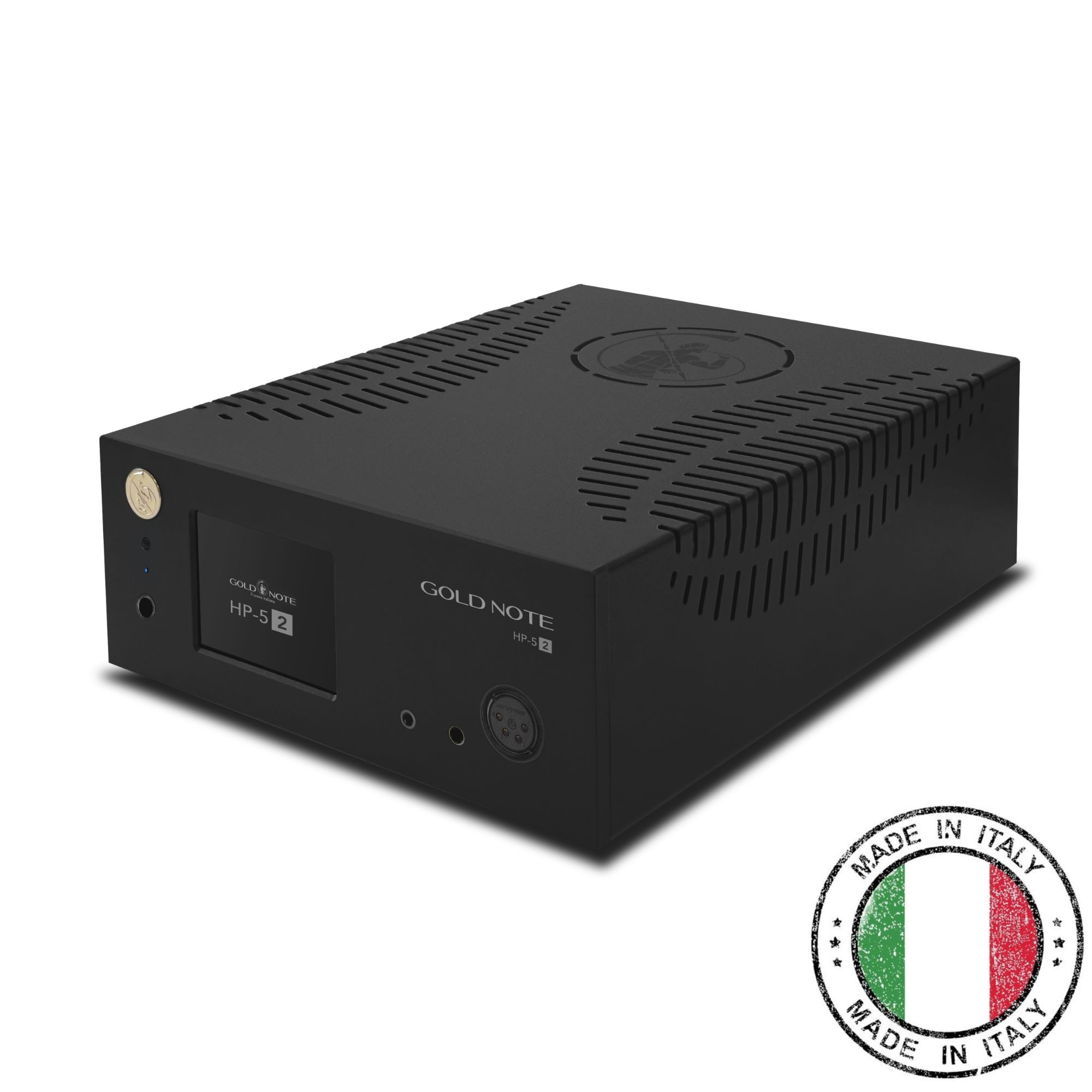
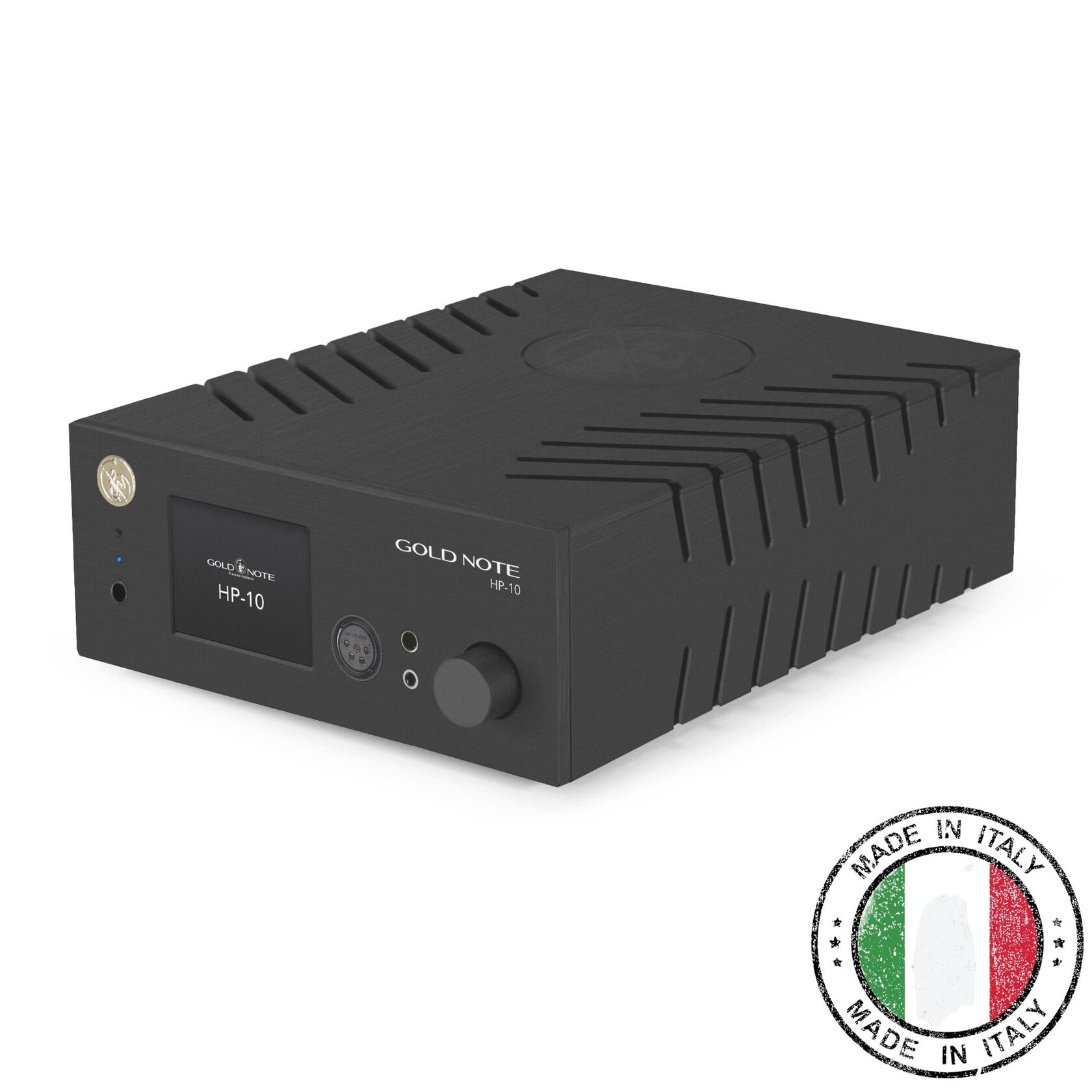
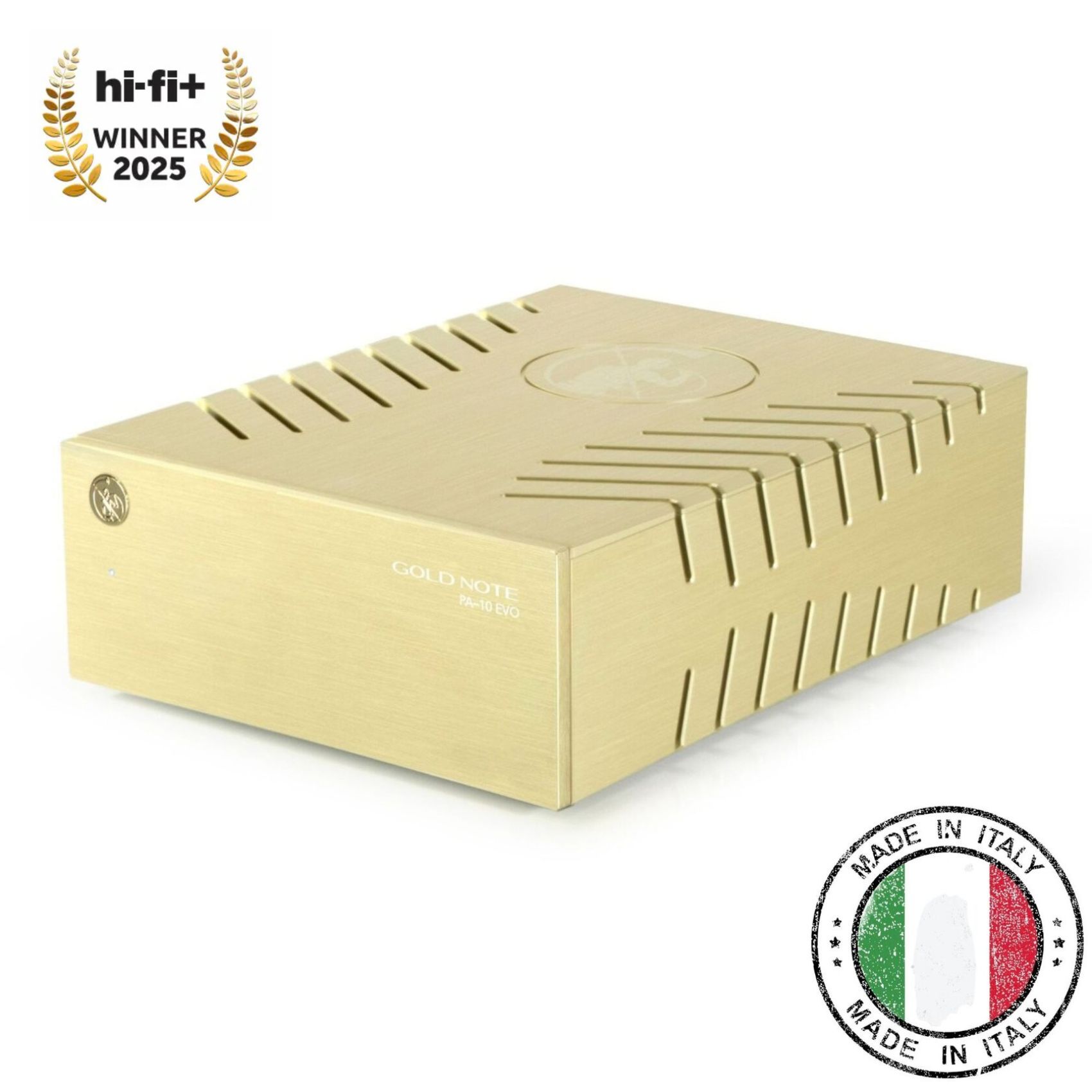
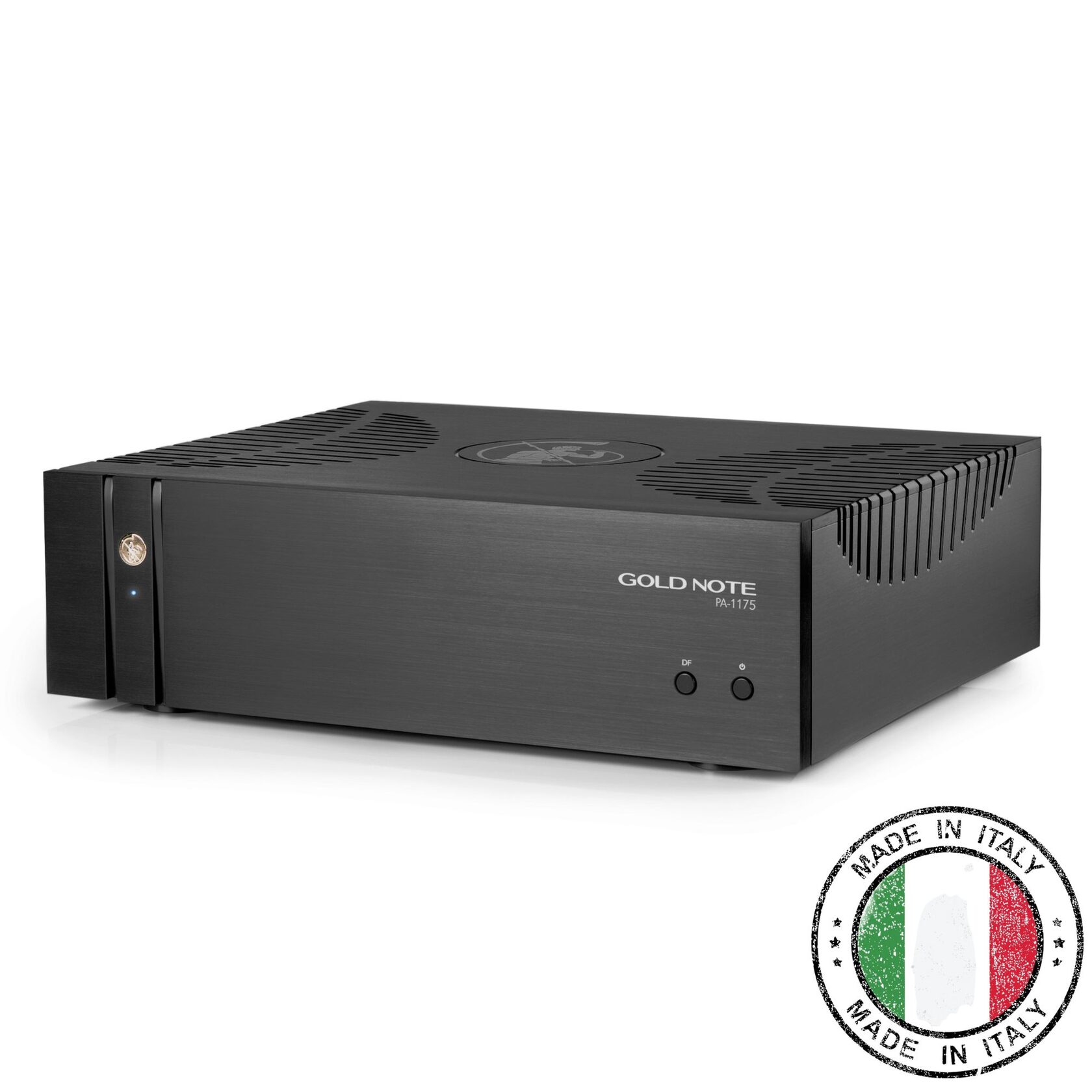
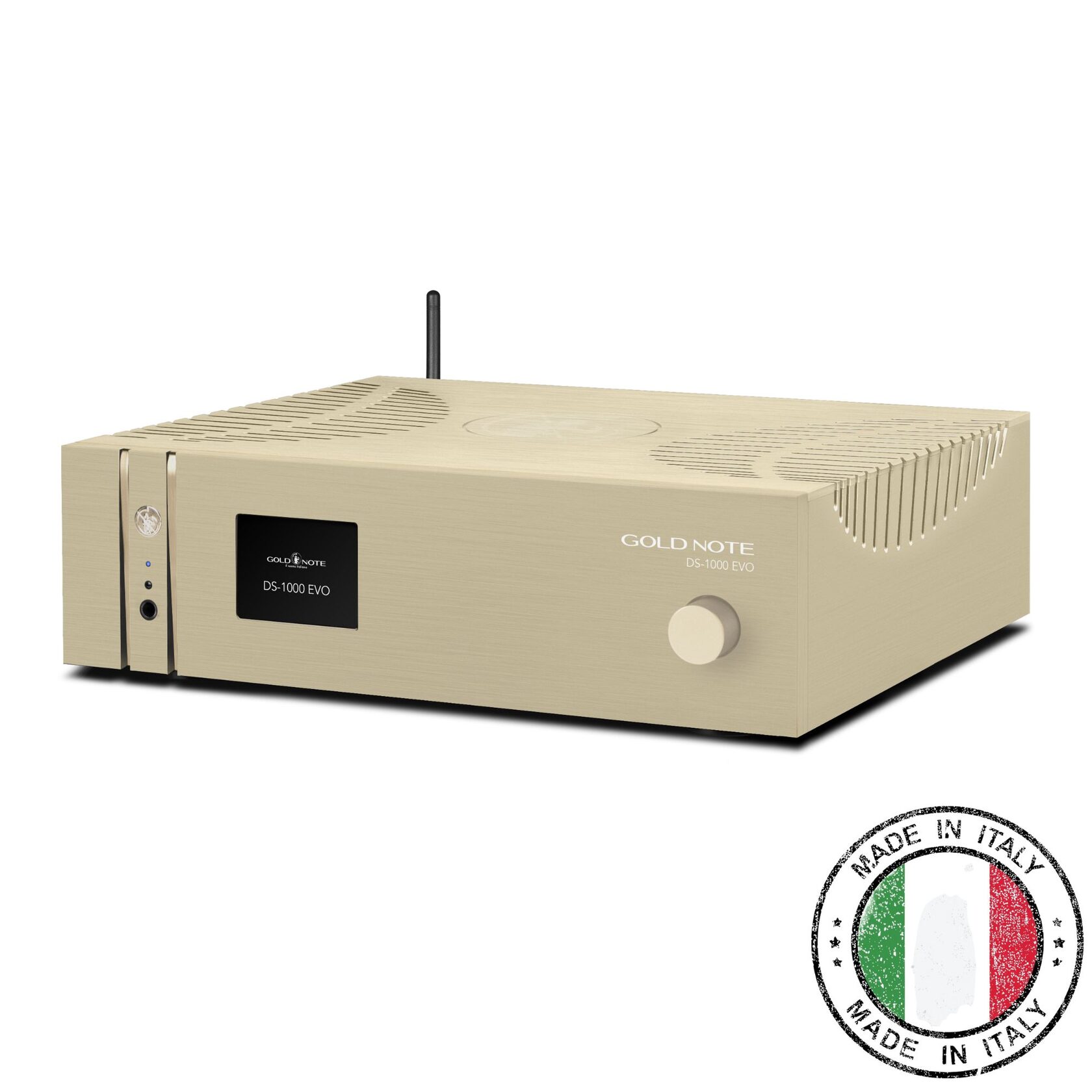
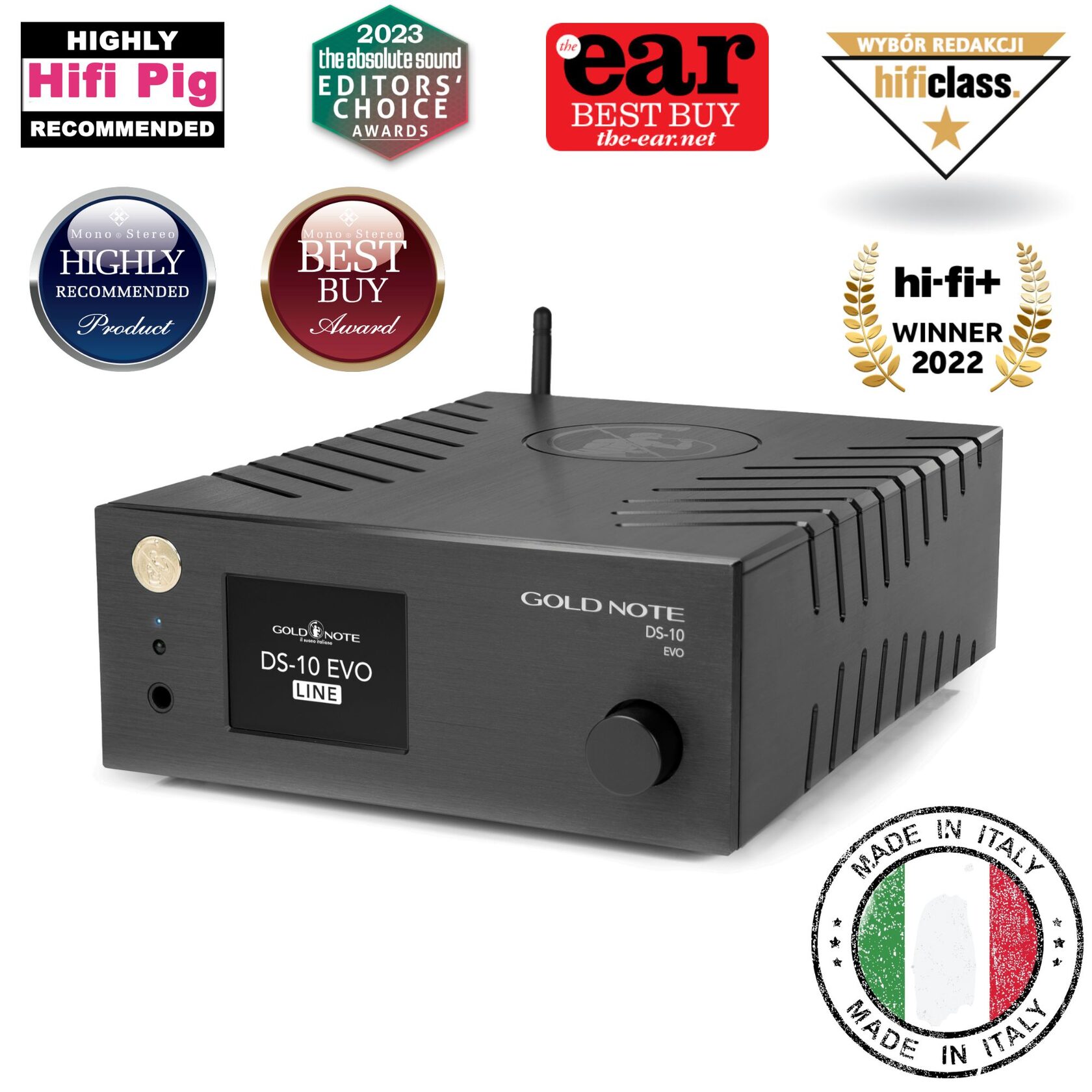
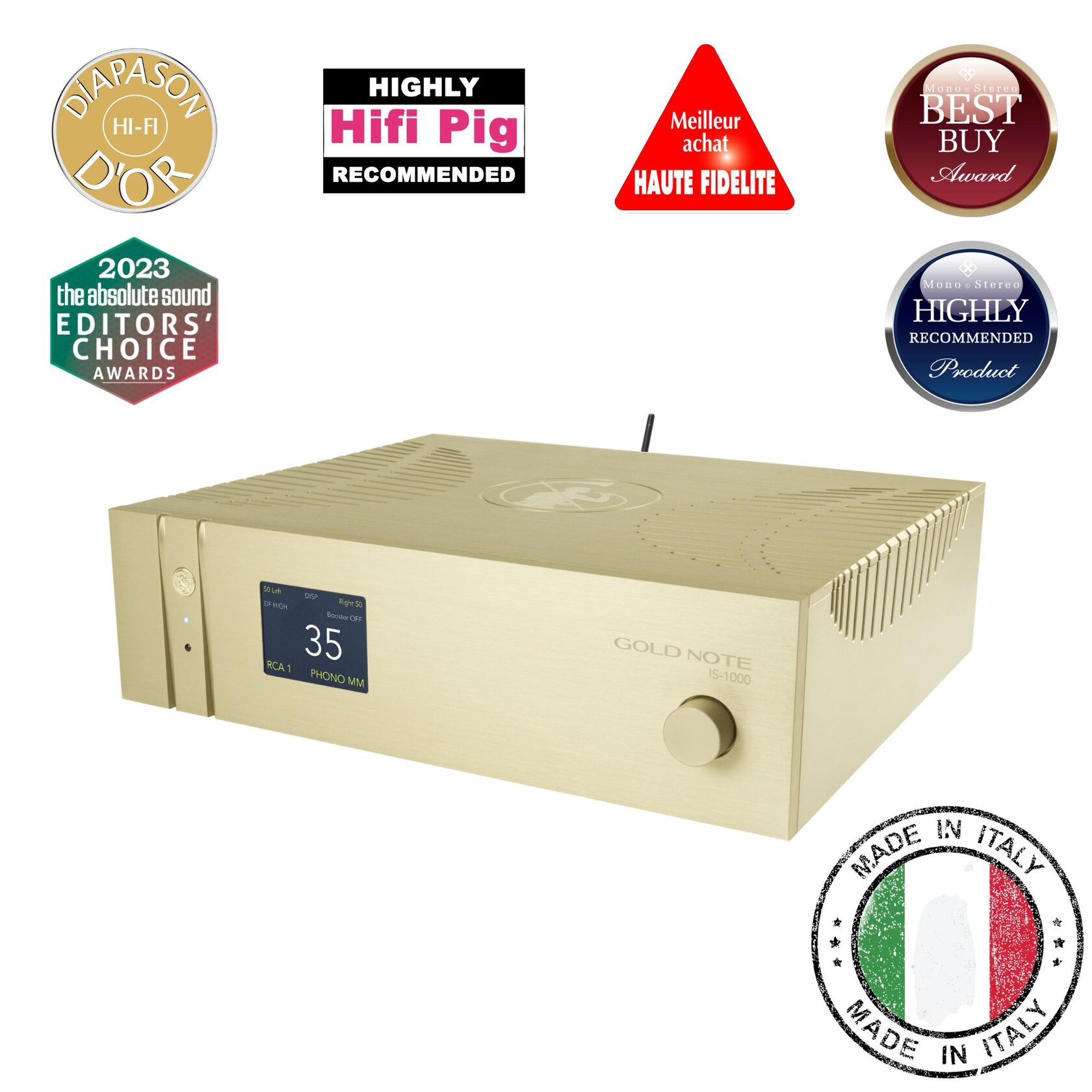
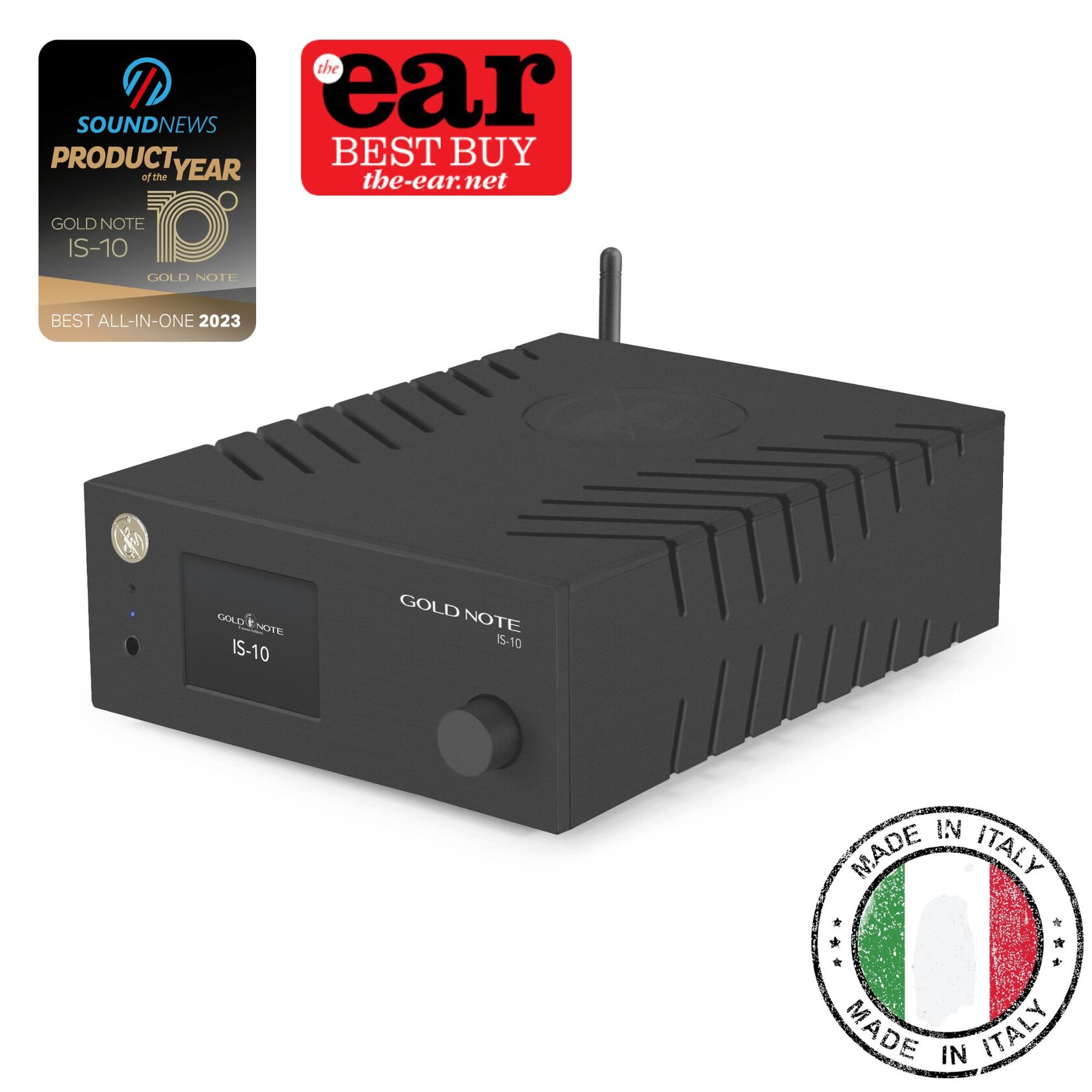
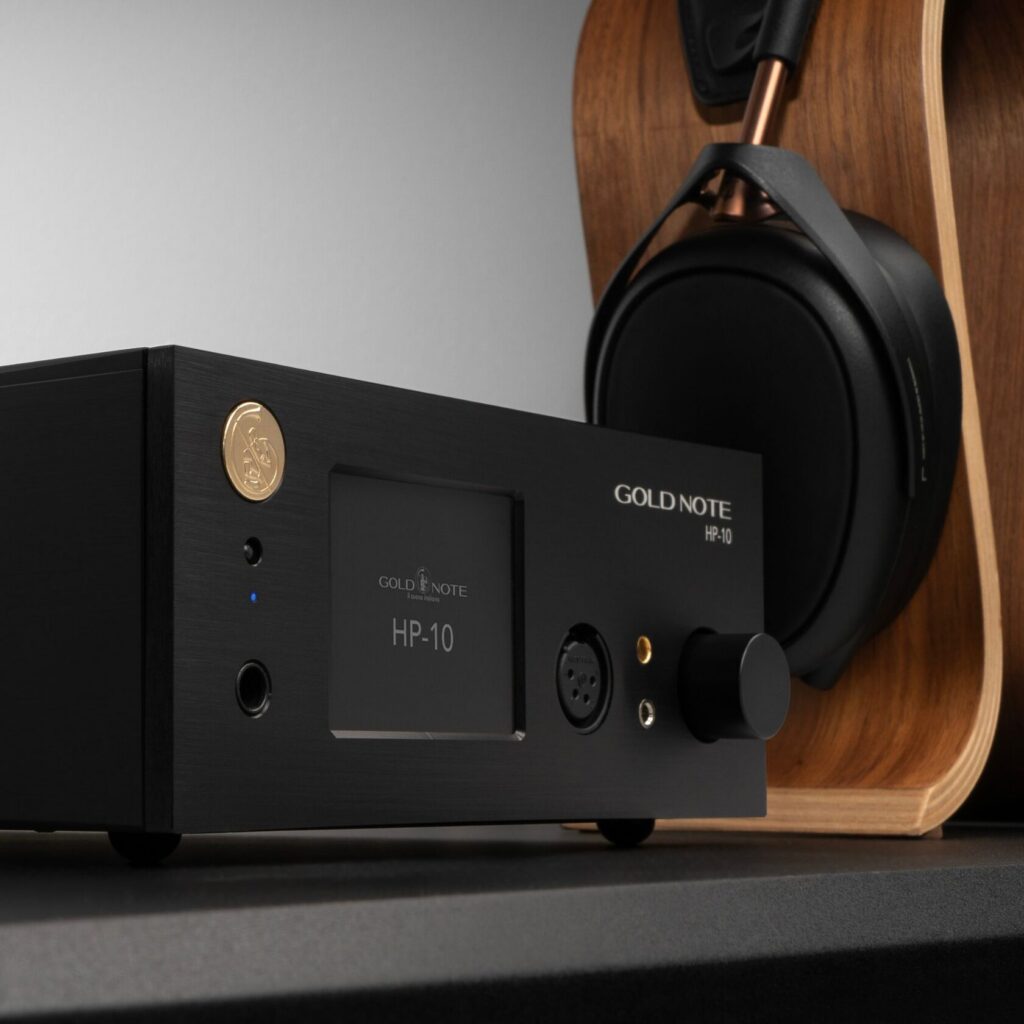
Gold Note, based in Florence, takes the opposite route: solid-state Class A/AB amplification built as modular separates rather than a single fixed chassis. Its PA-series monoblocks and matching P-series preamplifier run dual-mono circuits — completely separate power supplies and gain stages for the left and right channels — a topology chosen to stop crosstalk between channels rather than to chase a single headline wattage figure. The approach mirrors how Gold Note builds its DACs, phono stages and streamers: each electronic component in a given generation shares a design language and can be paired or upgraded piece by piece, rather than treating amplification as a separate, unrelated product line.
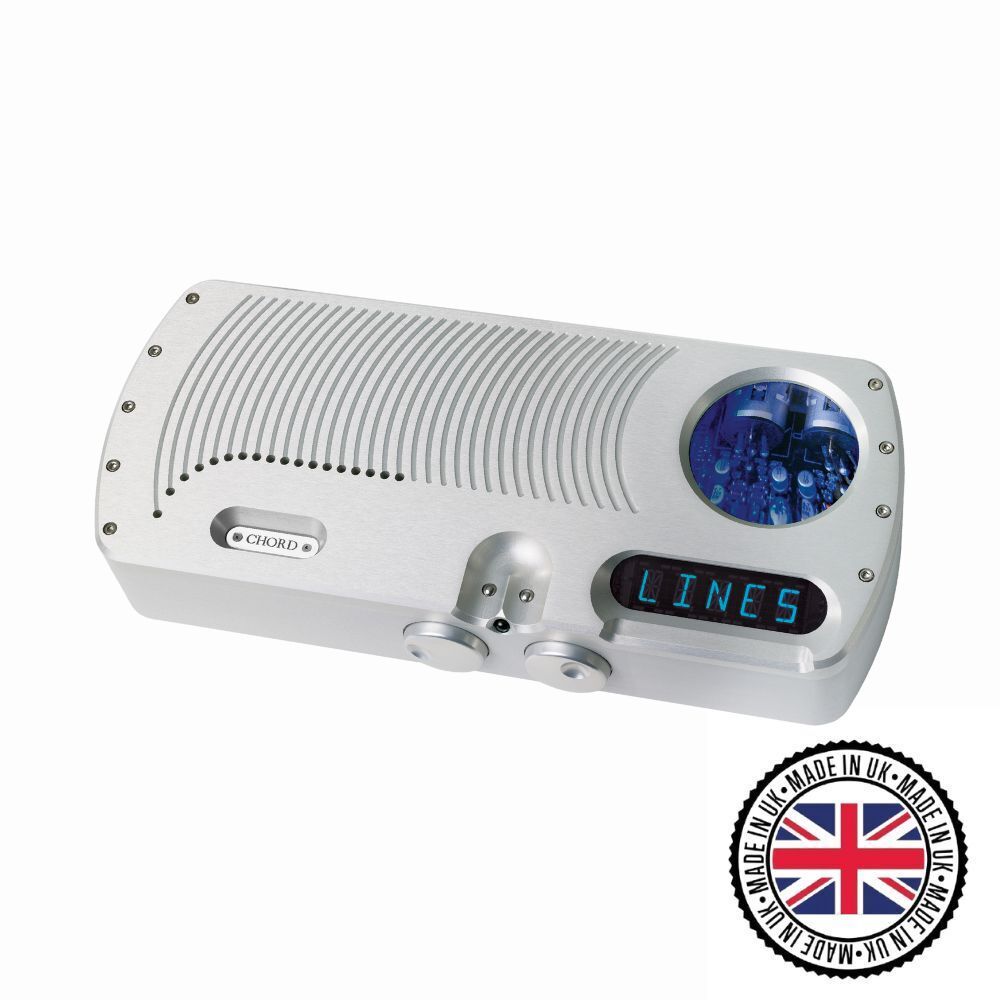
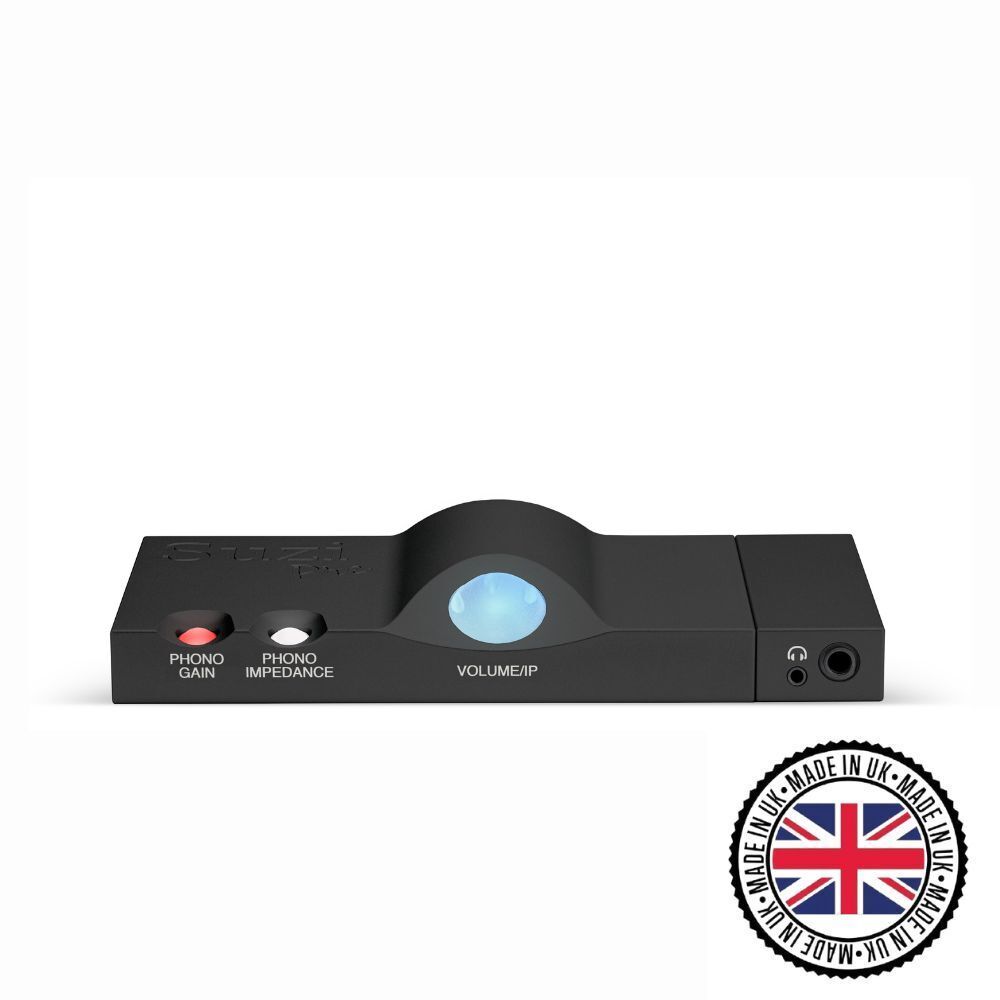
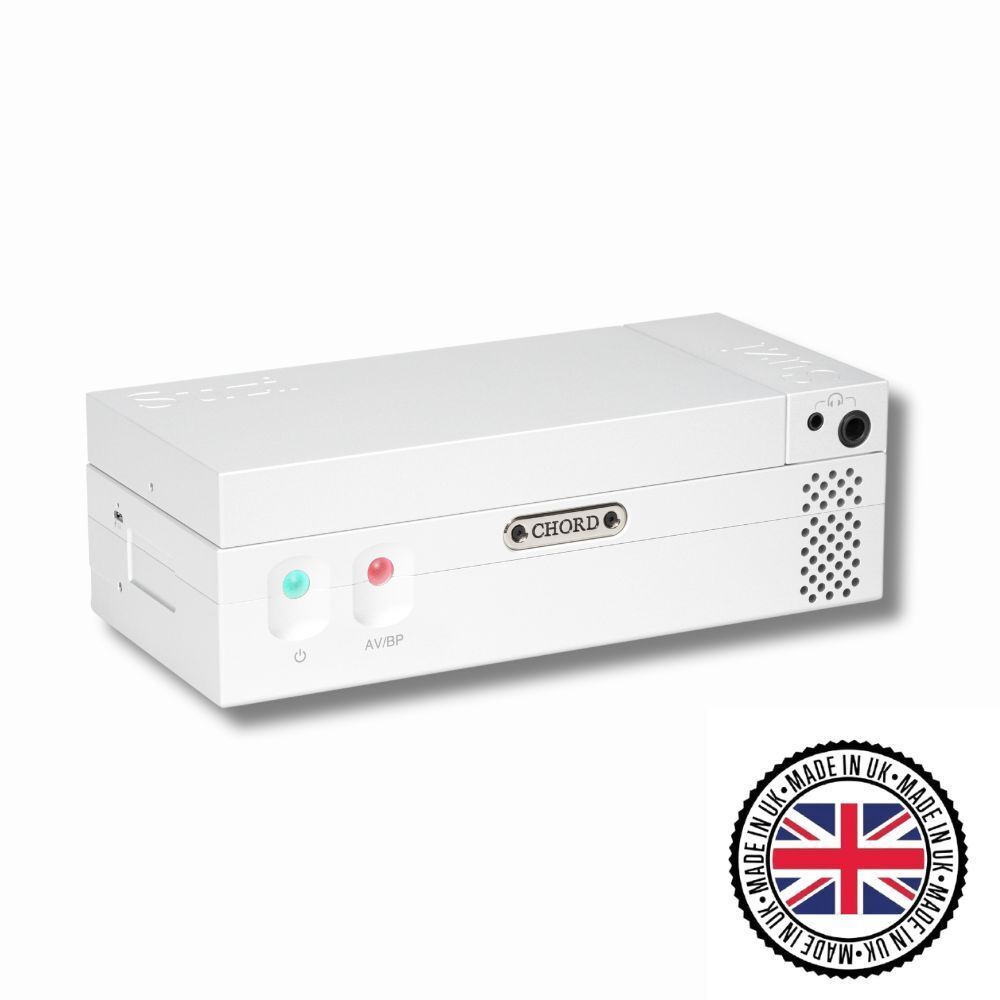
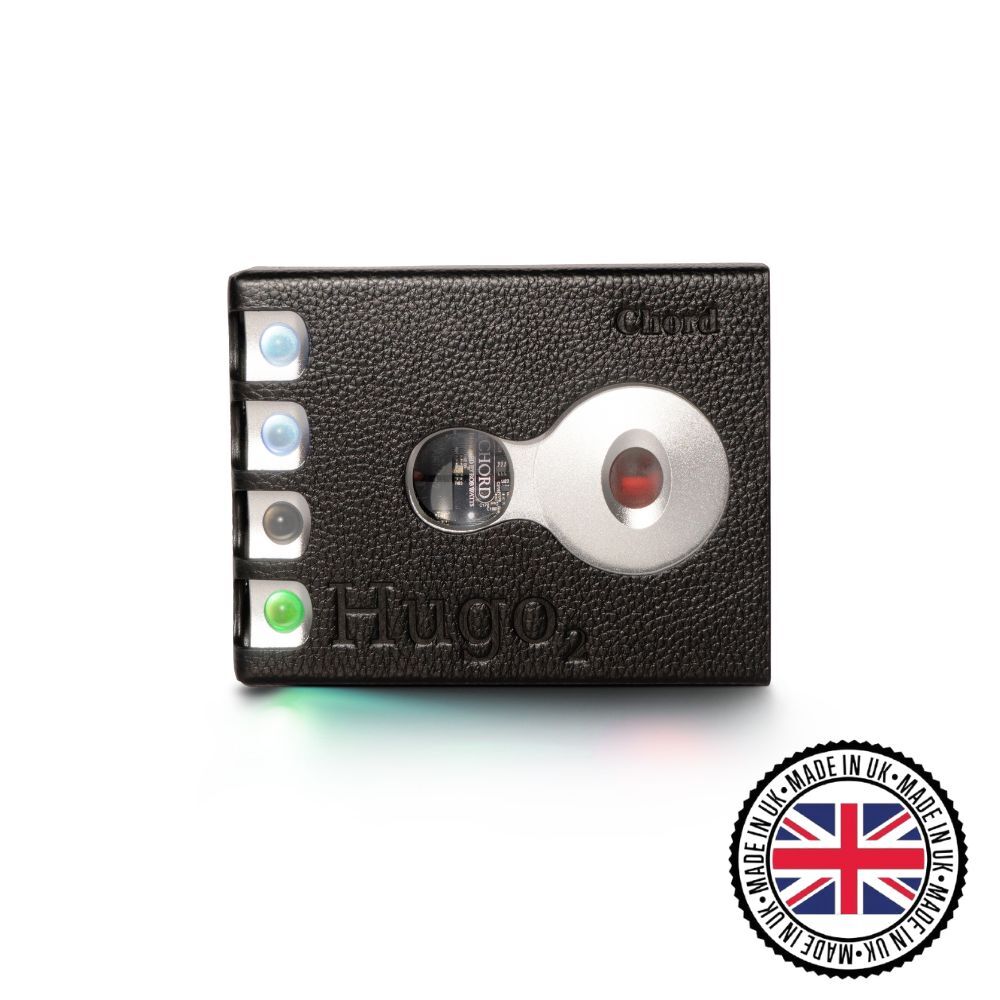
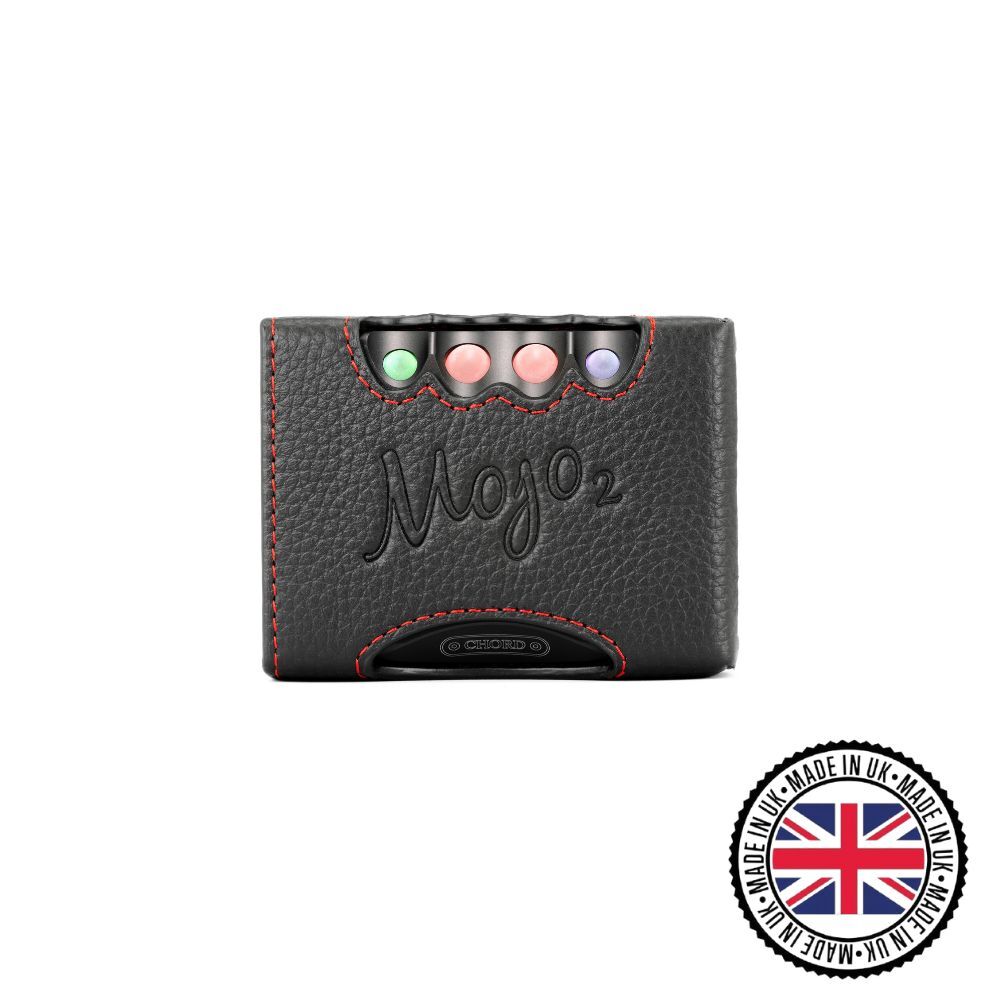
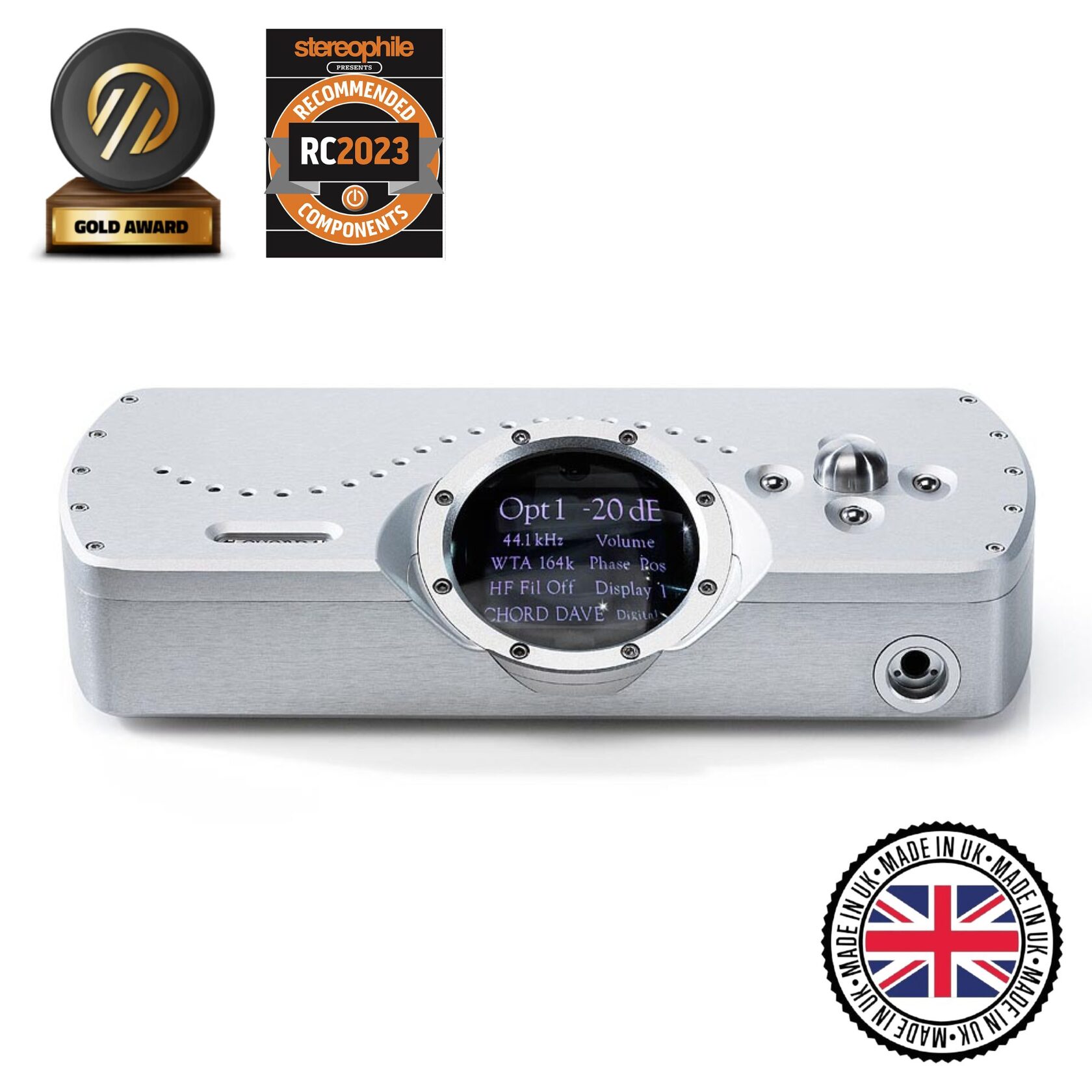
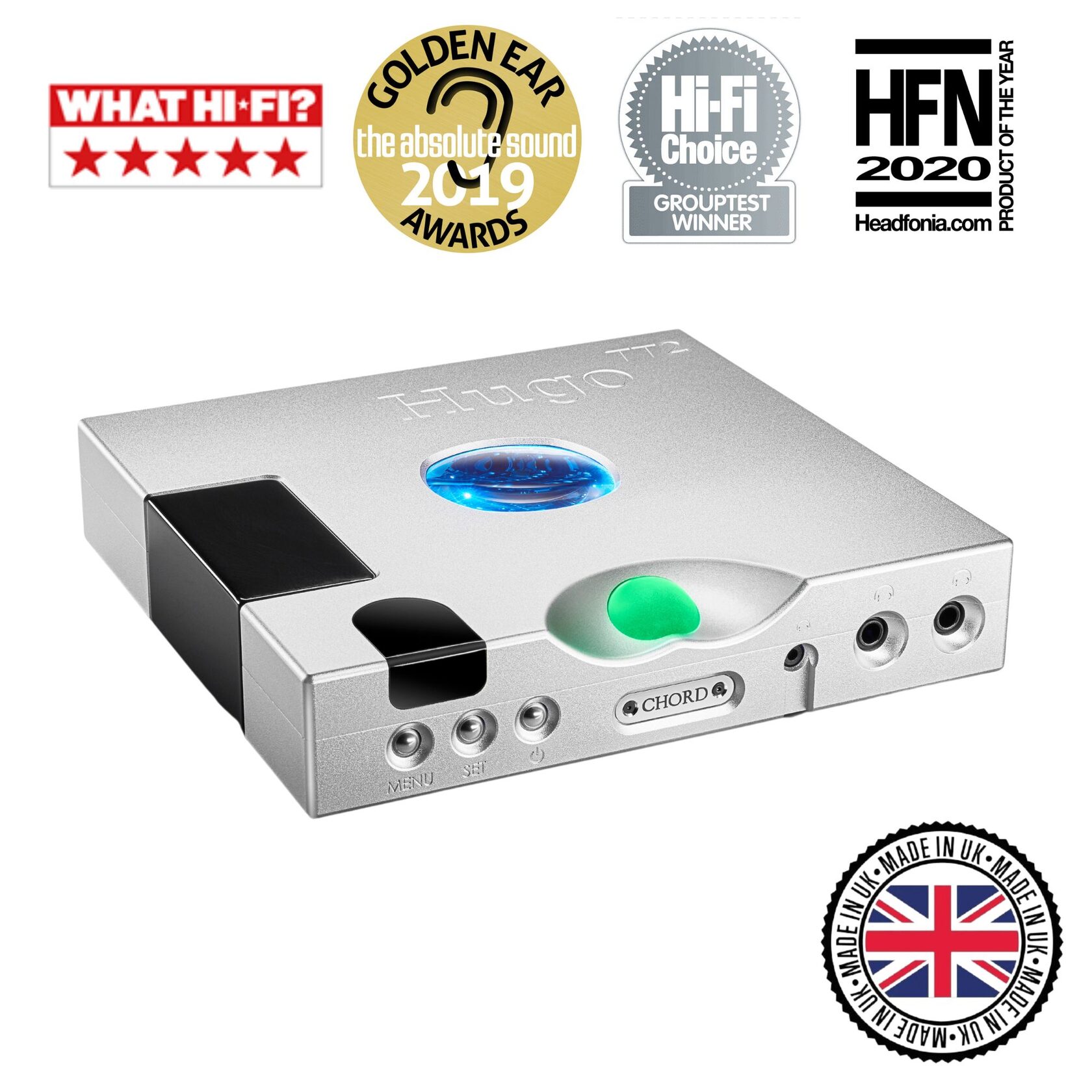
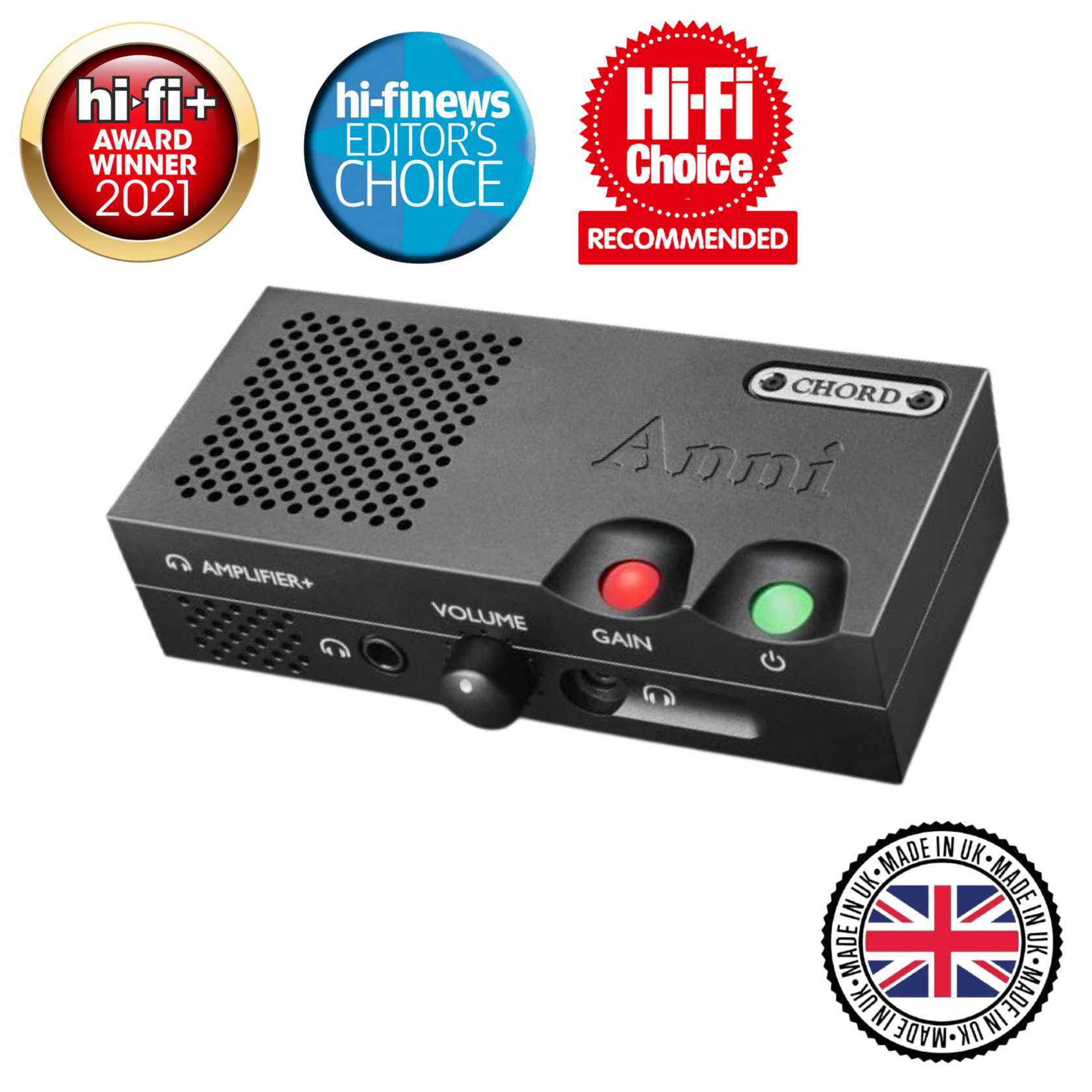
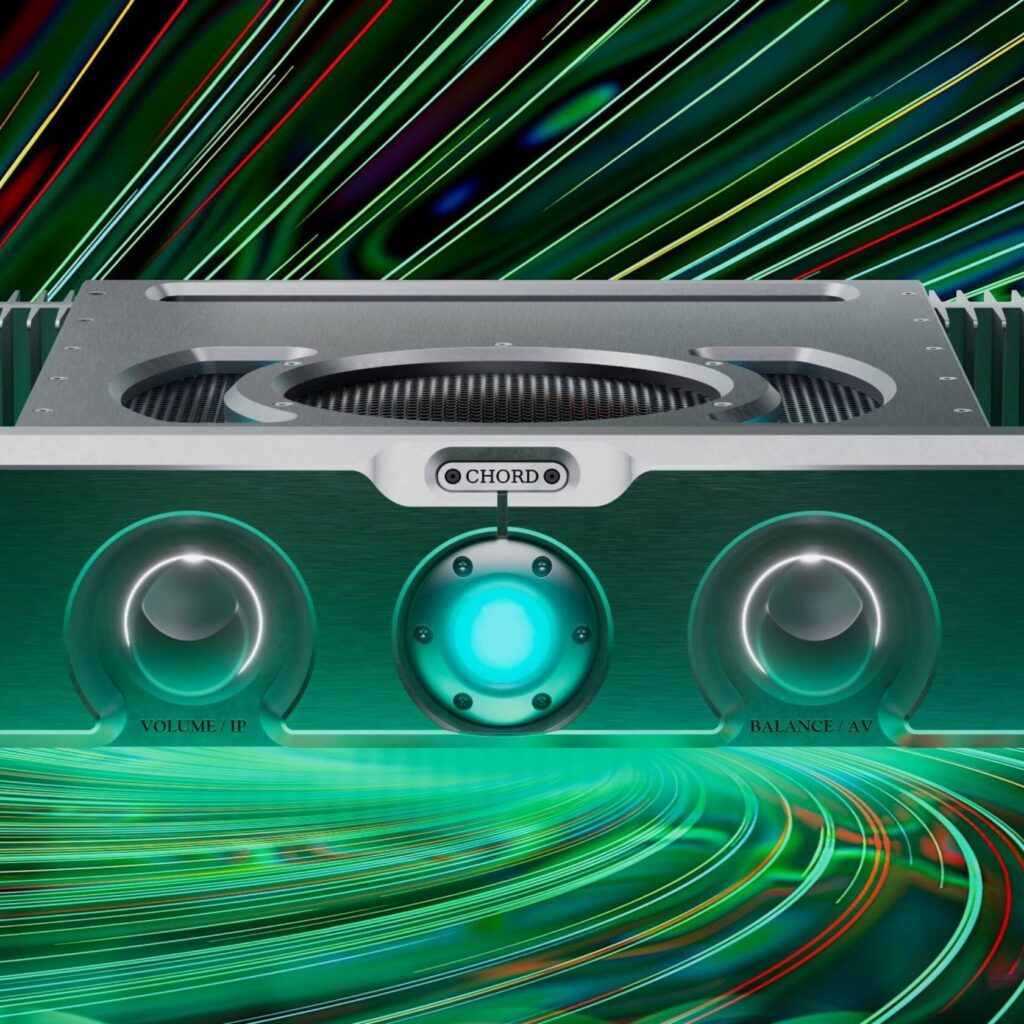
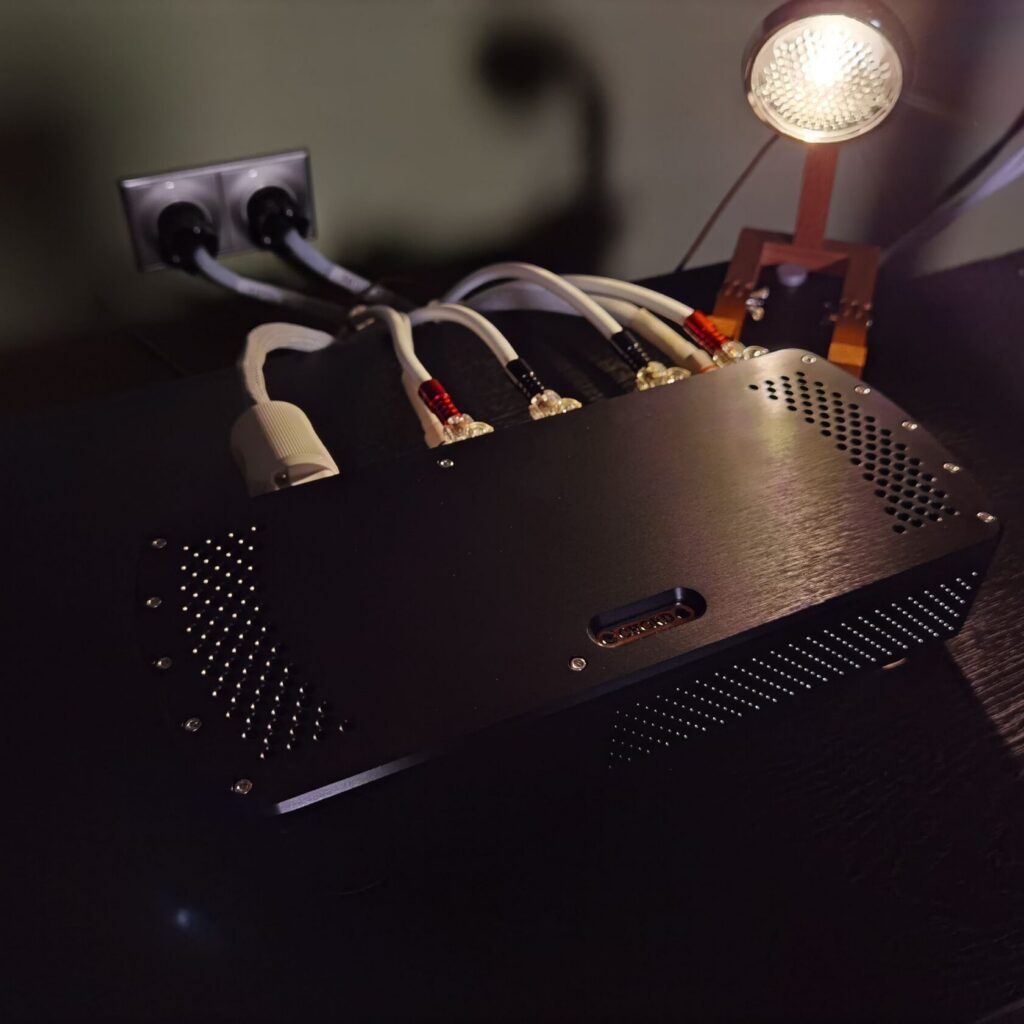
Chord Electronics arrived at amplification from aerospace engineering rather than hi-fi tradition. Founder John Franks built switch-mode power supplies for the avionics industry before founding the company in 1989, and Chord’s power amplifiers still use that switch-mode approach instead of the large linear toroidal transformers most solid-state amplifiers rely on. The result is a Class AB amplifierthat runs cooler, weighs a fraction of a transformer-based design of equivalent output, and can respond to a sudden current demand — a drum hit, a bass note — faster than a linear supply charging through a bank of capacitors. It’s the same underlying philosophy that shapes Chord’s DACs and headphone amplifiers: solve the power-supply problem with switching electronics designed for a different industry entirely, then build everything else around it. Matching an amplifier to a loudspeaker starts with two figures most spec sheets bury below the headline wattage: sensitivity, which determines how loud a speaker plays for a given input power, and impedance, which determines how much current it draws. A high-sensitivity design such as Fyne Audio’s Vintage Classic range can sound its best from a modest tube amplifier with as little as fifteen watts on tap, where a lower-sensitivity studio monitor may need the current reserves only a larger solid-state design can supply. Decide first whether the priority is tube warmth, modular solid-state separates, or a switch-mode design built for speed and efficiency — that choice narrows the field far more usefully than comparing wattage alone.