Between the invention of the LP in 1948 and 1954, a record cut by Columbia, Decca, RCA and half a dozen other labels each needed a different playback curve to sound correct, because no shared standard existed for how a groove should be equalized. The RIAA fixed that in 1954, and every phono stage built since carries the same job in its circuit: apply the exact inverse of that curve.
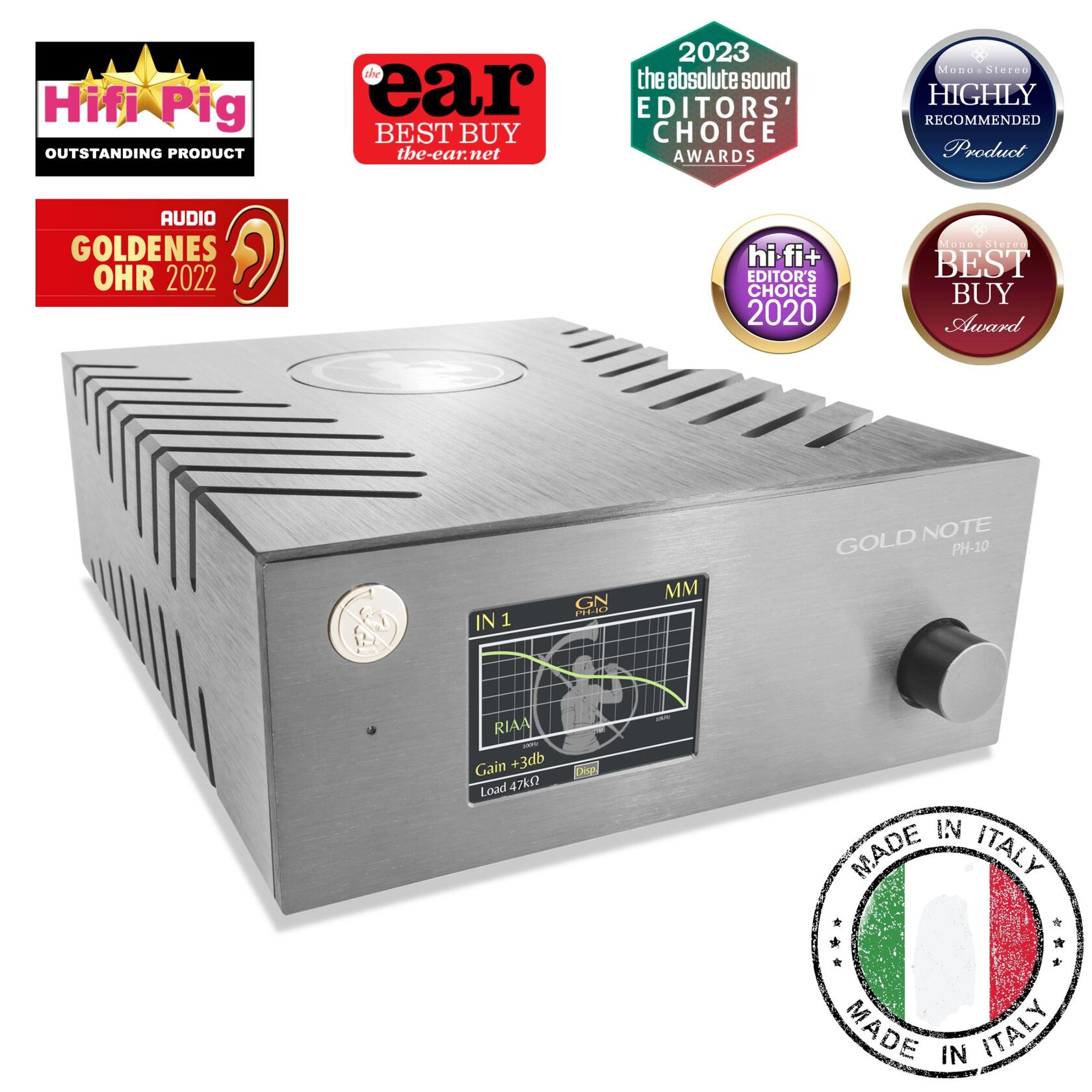
The curve exists because a groove can’t record raw audio efficiently. Deep bass cut at full volume would be too wide to fit enough music on a side, and quiet high frequencies would get buried under surface noise. So mastering engineers cut records with bass reduced and treble boosted, and a phono stage reverses that shape on playback. Its second job is gain: a cartridge’s tiny output, often under a millivolt for moving-coil designs, needs 40–60dB of clean amplification before it can reach a line input — and how quietly that’s done separates an ordinary phono stage from a good one. Gold Note’s PH-10, notably, still lets you pick between RIAA, Decca London, and American Columbia curves for pressings cut before the standard took hold.
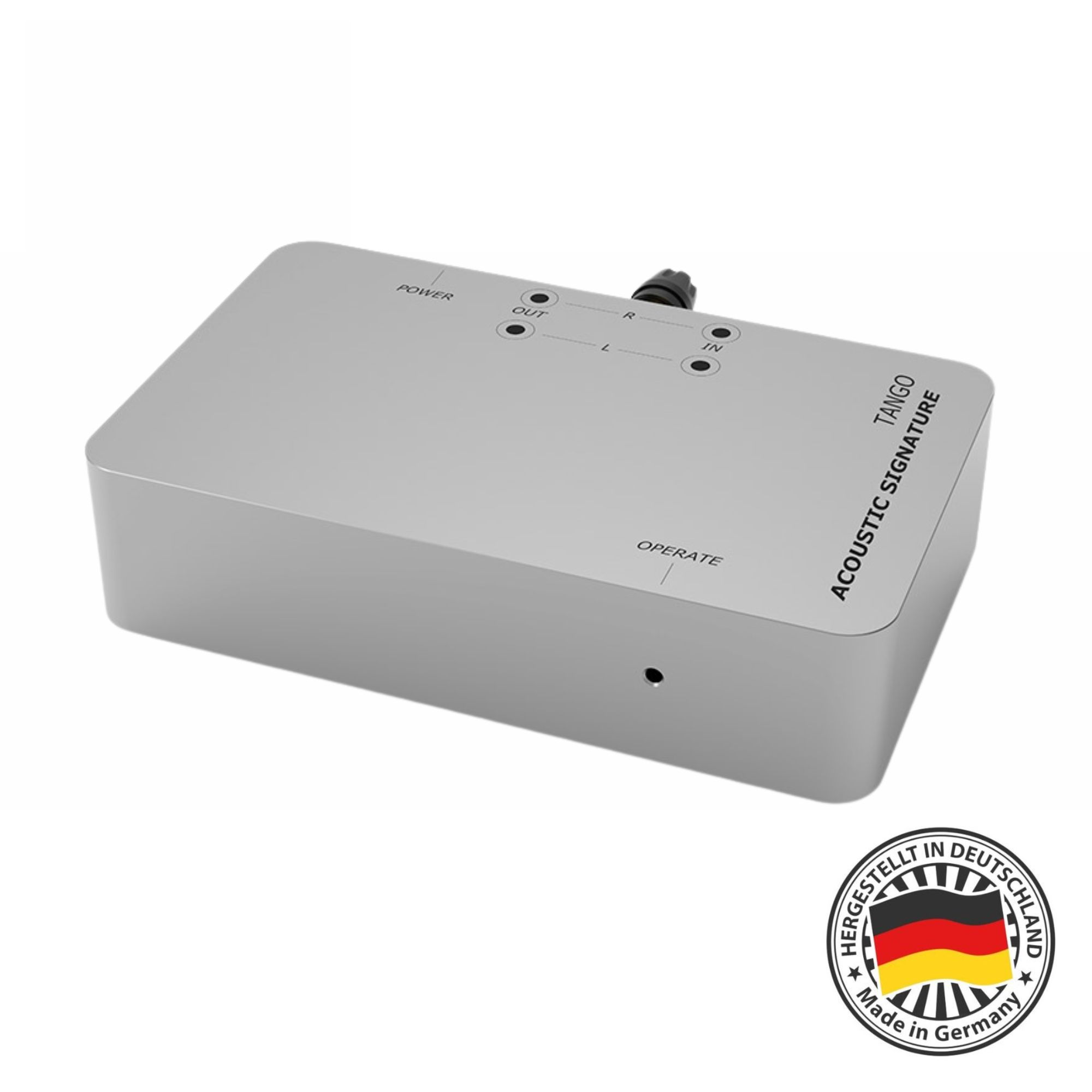
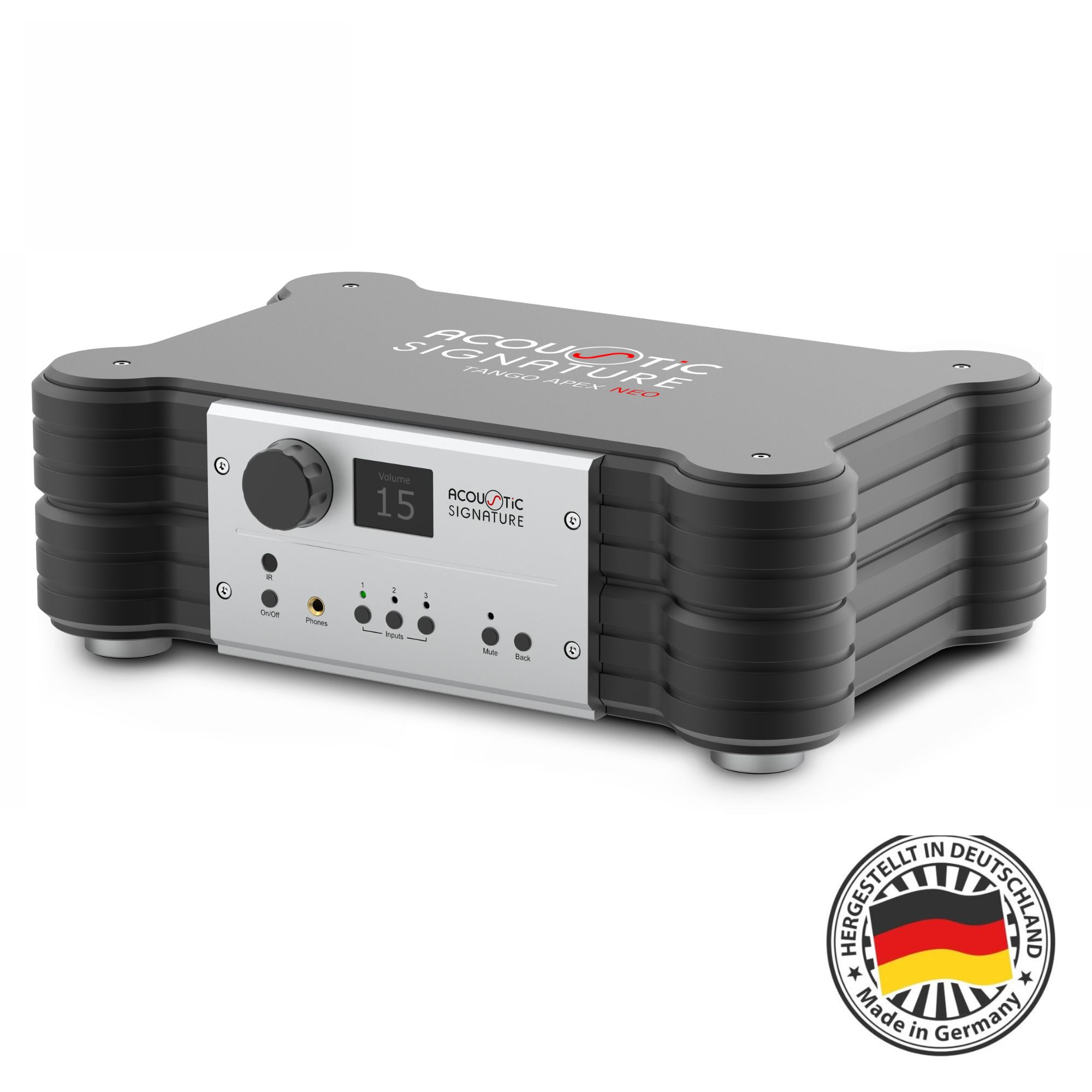
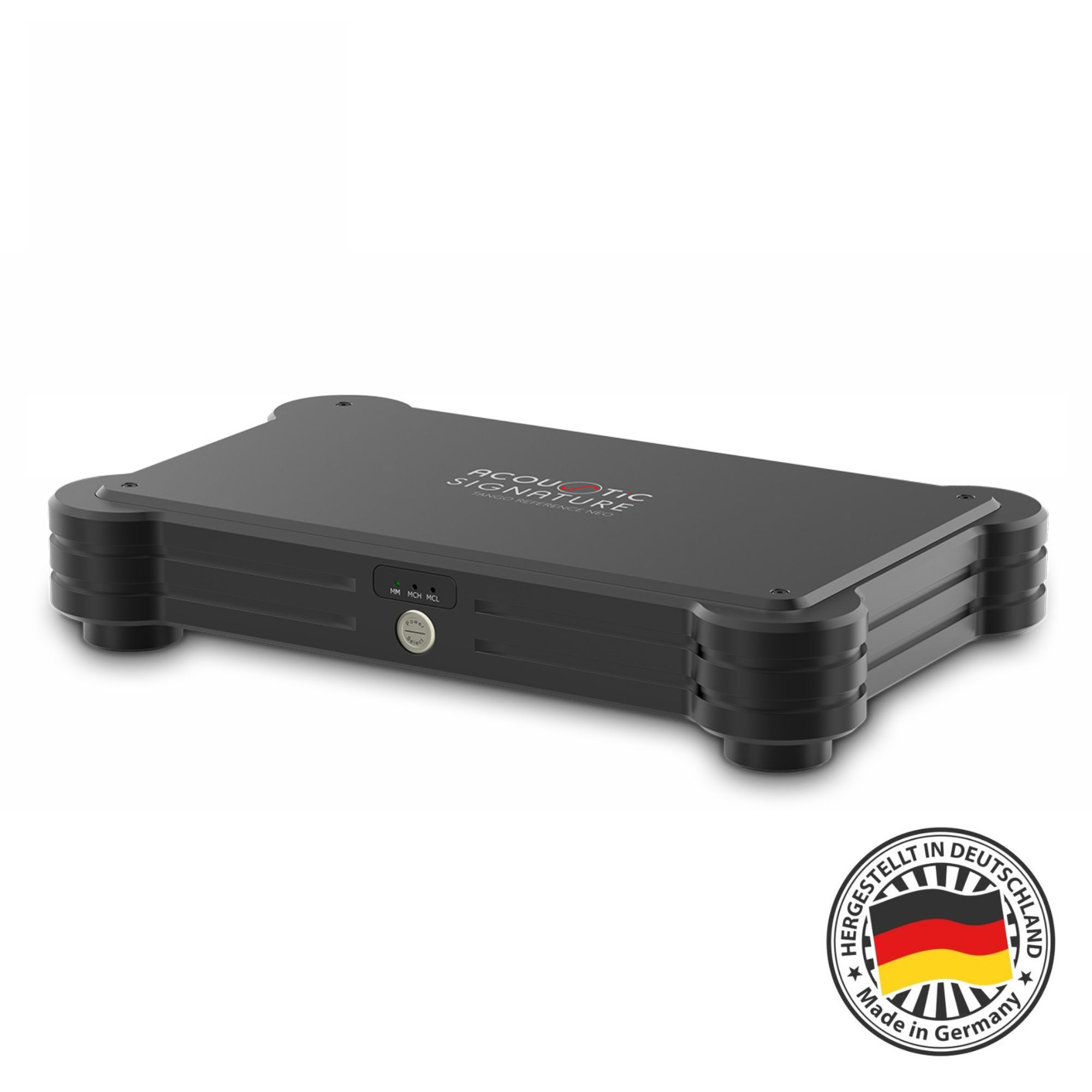
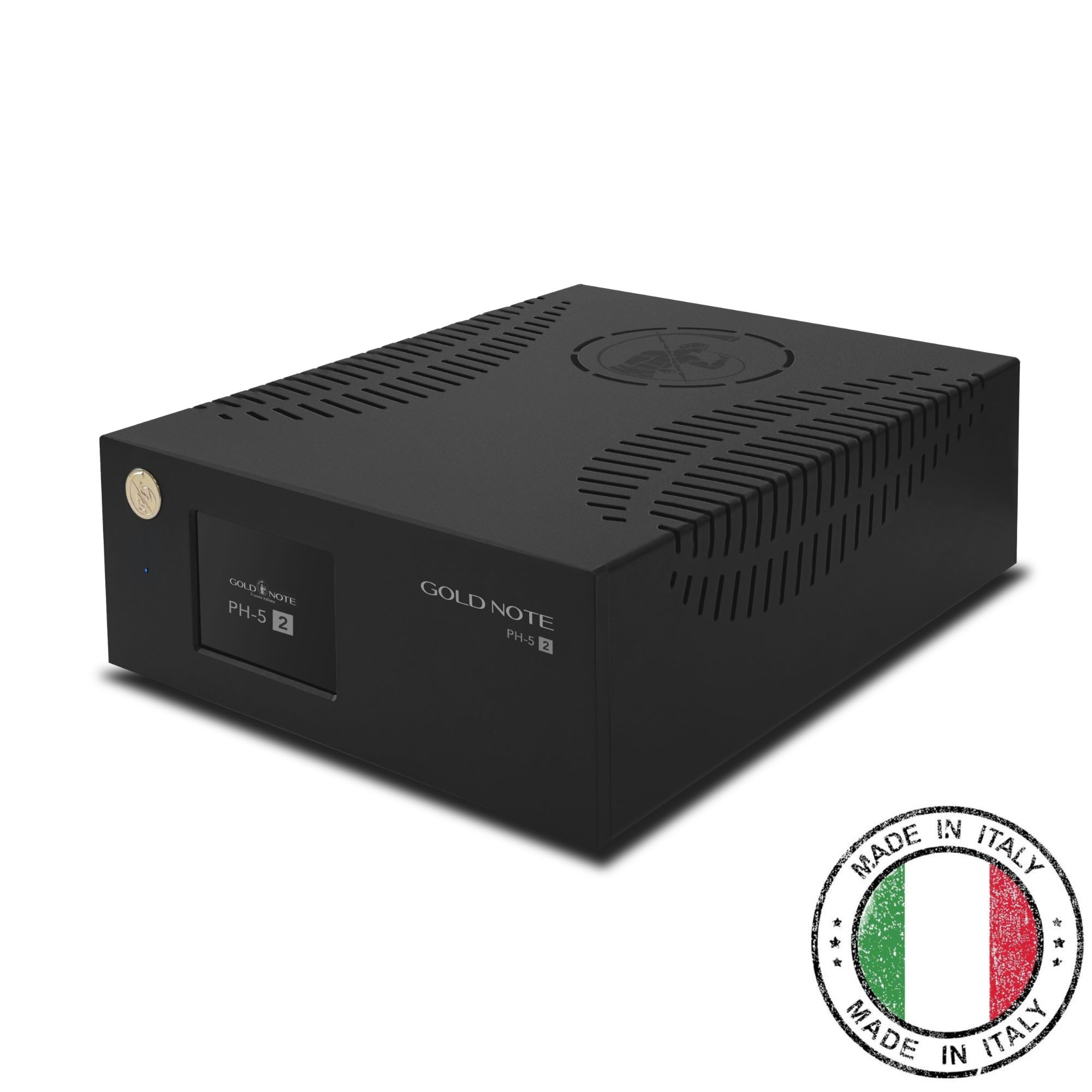
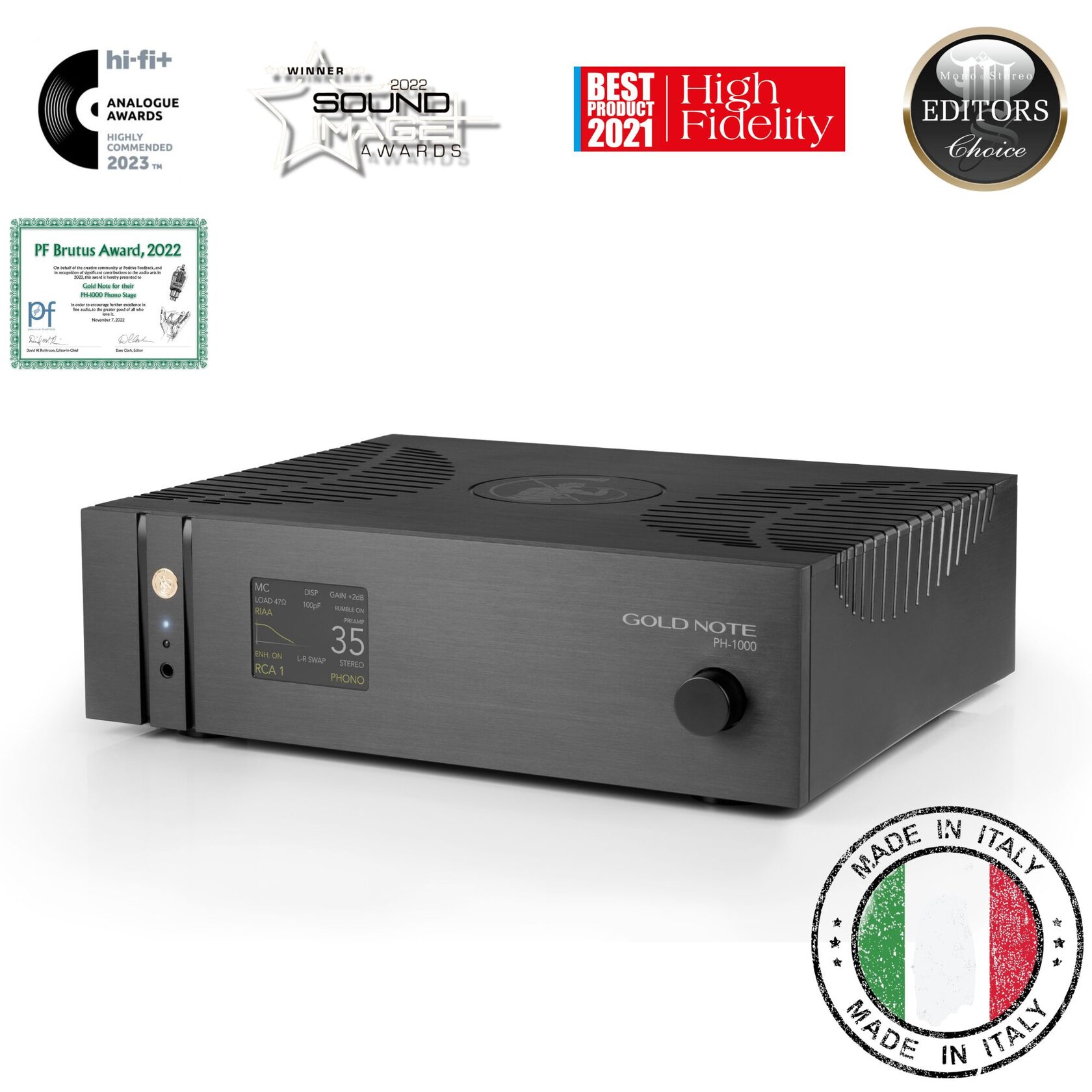
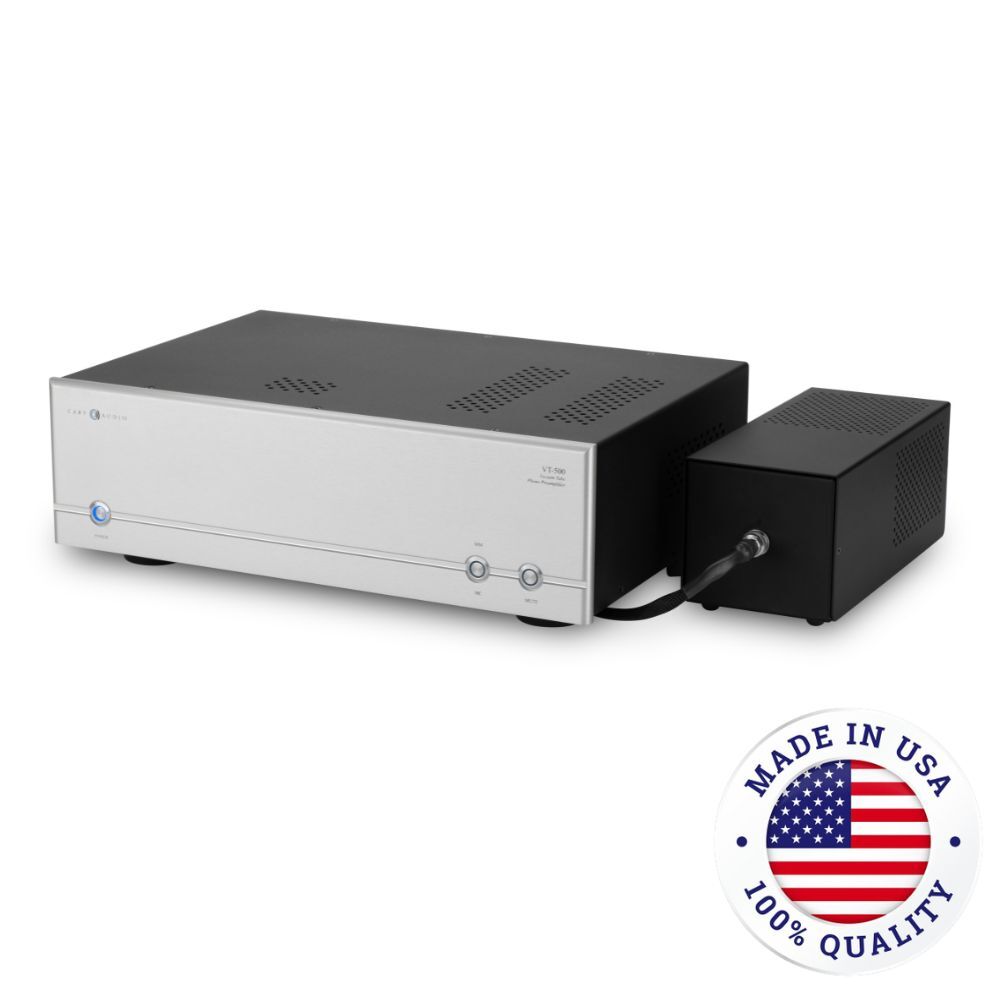
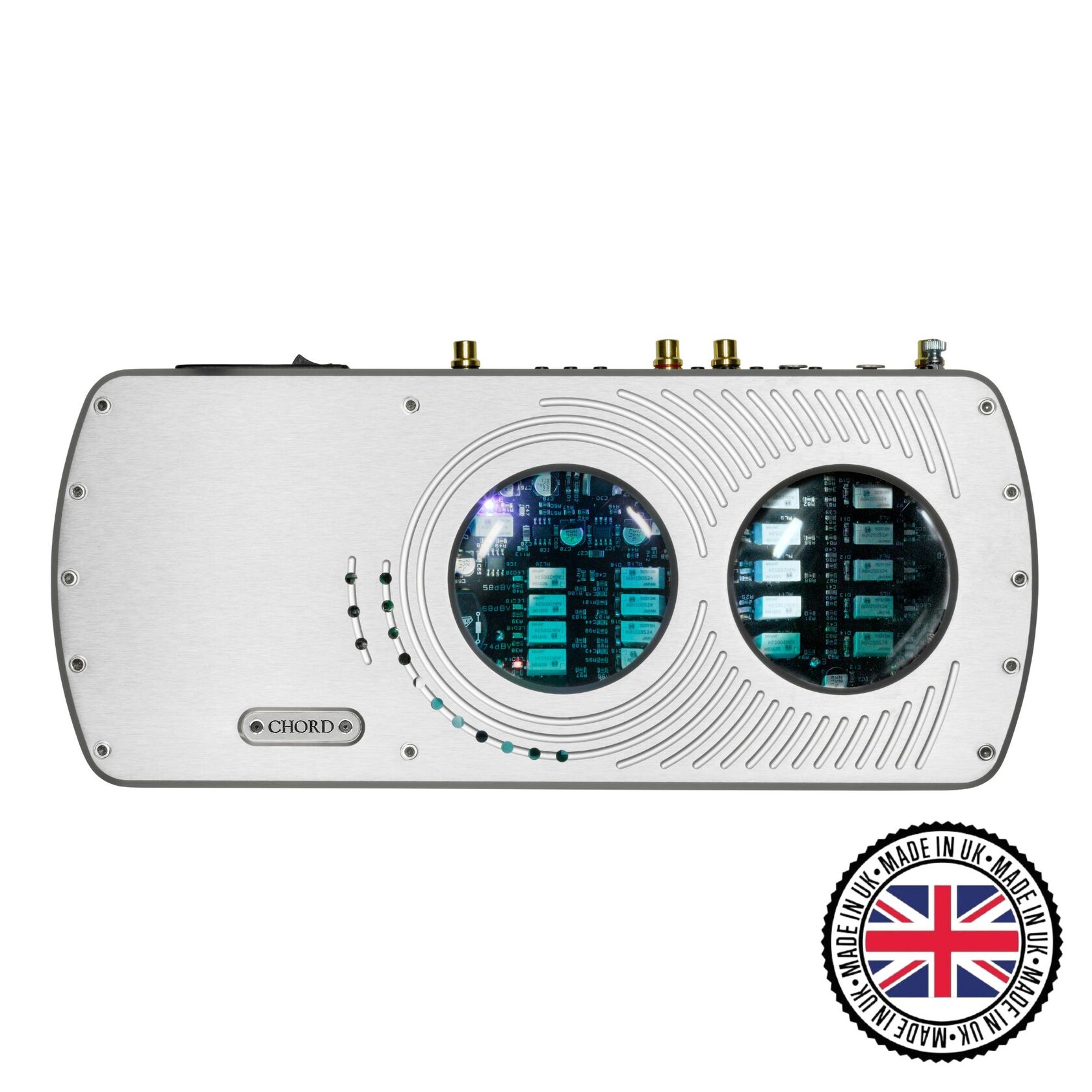
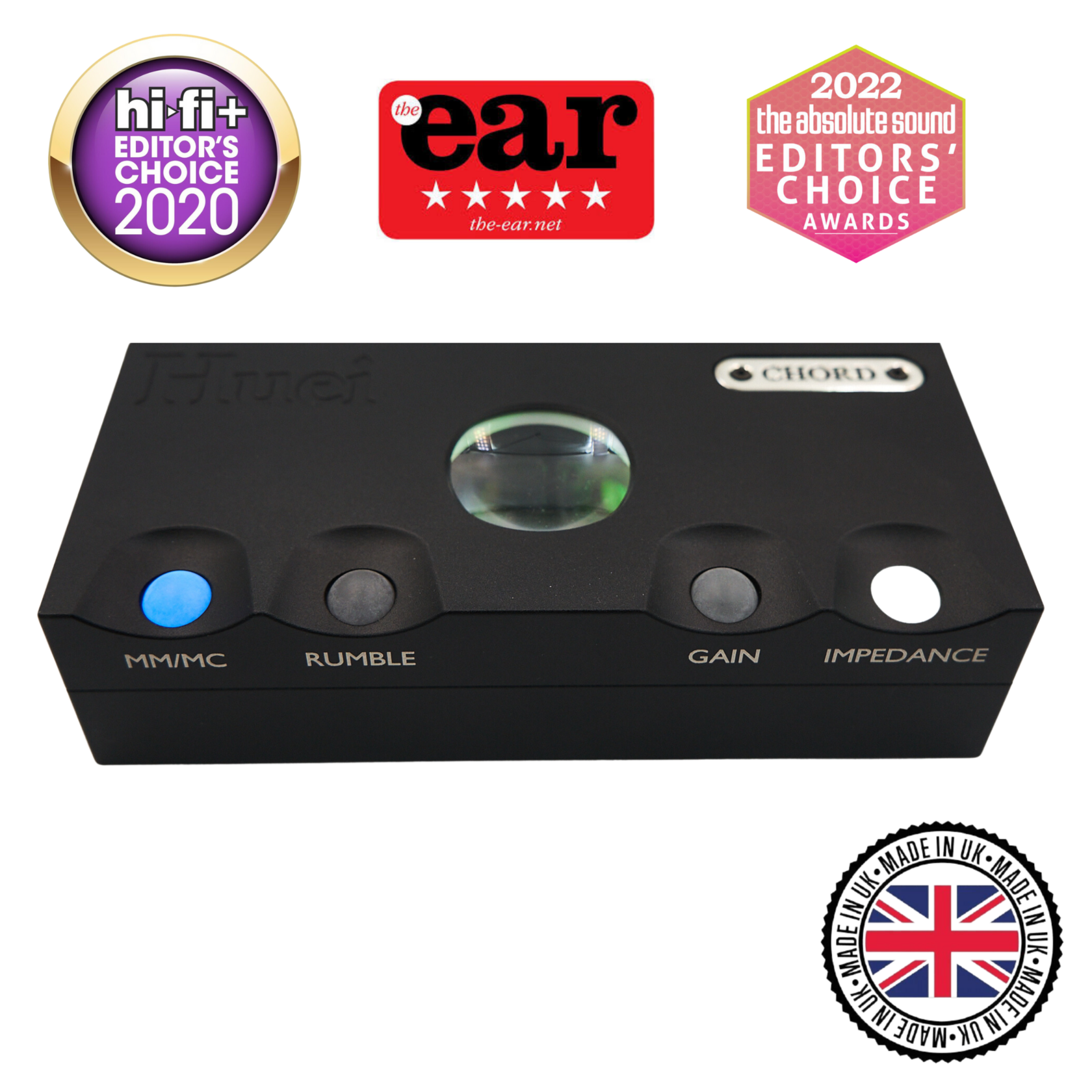
Beyond that shared job, design philosophy diverges sharply. Cary Audio builds phono stages like the VT-500 around vacuum tubes for a warmer character. Acoustic Signature’s Tango series scales from the affordable Tango Mk3 to the reference-grade Tango Apex NEO, mirroring its turntable and tonearm tiers. Gold Note’s PH range runs from the compact PH-5 to the PH-1000, with several models offering an outboard power-supply upgrade path. Chord Electronics takes a more compact, solid-state approach with the Huei and Symphonic.
Below, match your phono stage to your cartridge type and output voltage before comparing anything else.