A Salisbury Dinner and the Start of a British Cable Company
Chord Company’s history starts in 1984, not with an engineering brief but a dinner. A group of Naim Audio’s American retailers, in the UK for a visit, asked for a properly made DIN-to-RCA interconnect — something better than what was generally available for connecting Naim equipment to American systems. Sally Gibb, married to a Naim Audio executive, proposed building the cables herself and starting a business around it, with Naim Audio’s support. Finding UK-based material suppliers for the job took time, but friends at Naim Audio helped with expertise along the way.
The name came from the same American retailers: they called cables ‘cords’, and Chord — with its musical double meaning — stuck. The first prototype, nicknamed the Chrysalis cable, drew an initial order of 250 units, each one built, tested and packaged by hand, with invoices typed on a typewriter. A first press review followed two years later, and from there the business grew steadily. Chord Company now designs and builds its cables at a dedicated facility in Wiltshire, near Stonehenge, and has kept British manufacture central to its identity since those early days.
Why cables matter more at some connections than others
Three electrical properties do most of the work in describing what a cable actually is: resistance (opposition to current flow), capacitance (a cable’s ability to store a small electrical charge along its length) and inductance (opposition to a changing current). None of these make a cable ‘better’ in the abstract — they interact with the specific components on either end, which is why the same cable can be a near non-issue in one connection and a measurable factor in another.
A moving-magnet phono cartridge is designed and specified against a recommended load capacitance from its manufacturer, because its relatively high coil inductance interacts with a cable’s own capacitance to shape a resonant peak that can sit inside the audio band. A phono interconnect that sits well outside that figure can audibly shift the cartridge’s high-frequency response — this is a documented interaction, not a marketing claim. Moving-coil cartridges are built differently: their coils have far lower inductance, which pushes that same resonance well above the audio band, so cable capacitance is largely a non-issue for them — their loading is instead specified as a resistance, set at the phono stage rather than in the cable itself. Speaker cables carry more current than most other cables in a domestic system; their resistance matters most over longer runs or when driving a loudspeaker with a demanding, low-impedance load, and matters far less over a typical few-metre run into an easy load.
Digital cables — USB, HDMI, Toslink optical, network Ethernet — carry data that’s typically buffered and re-clocked on arrival, and network-based formats add packet-level error correction on top of that, so the practical question is less ‘does this cable sound better’ and more ‘does this cable meet the bandwidth and signal integrity the format actually requires’ — an HDMI cable either supports the resolution and refresh rate you need or it doesn’t.
Mains and power cables are the most contested corner of this debate. Gauge and fuse rating are legitimate, measurable factors in safely delivering current to a component. Claims that a power cable changes the sound beyond that point are harder to verify and worth treating with more scepticism than claims about, say, phono cable capacitance — if a system has a genuine noise or hum problem, that’s usually a specific grounding or interference issue to diagnose, not something a premium mains cable reliably fixes on its own.
Where Chord Company’s engineering focuses is largely in how a conductor is built and insulated rather than in adding anything to a signal. Its Tuned/Super ARAY conductor geometry — introduced with the Signature and Sarum ranges and now used across other tiers as ‘X ARAY’ variants — is a specific approach to conductor construction aimed at reducing a type of signal loss inherent to ordinary stranded wire. Insulation materials like XLPE (cross-linked polyethylene) and Chord Company’s own Taylon dielectric affect how a cable’s own capacitance behaves. None of this changes the underlying principle: a cable’s job is to alter a signal as little as possible between two points, and the connections above — phono, long or demanding speaker runs, and spec-critical digital links — are where that job is hardest and where a cable upgrade is most likely to be audible.
Cable types in this category
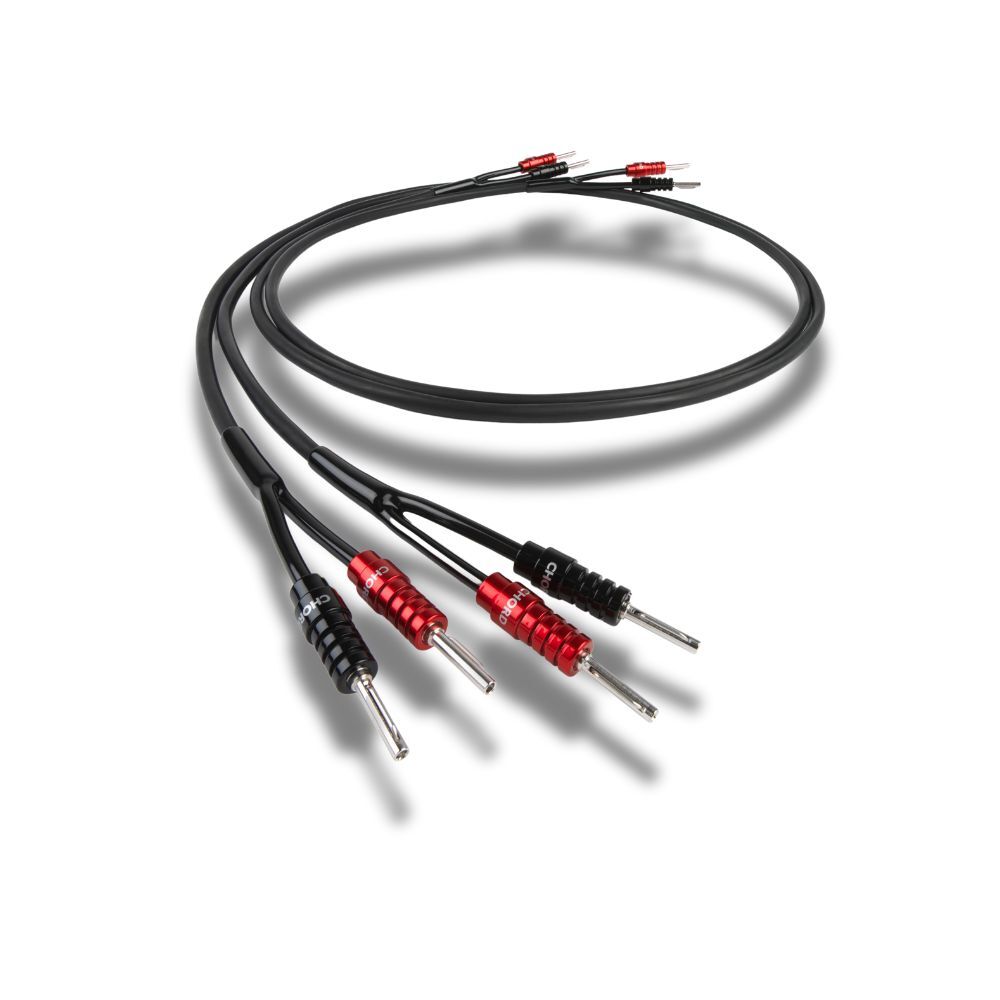
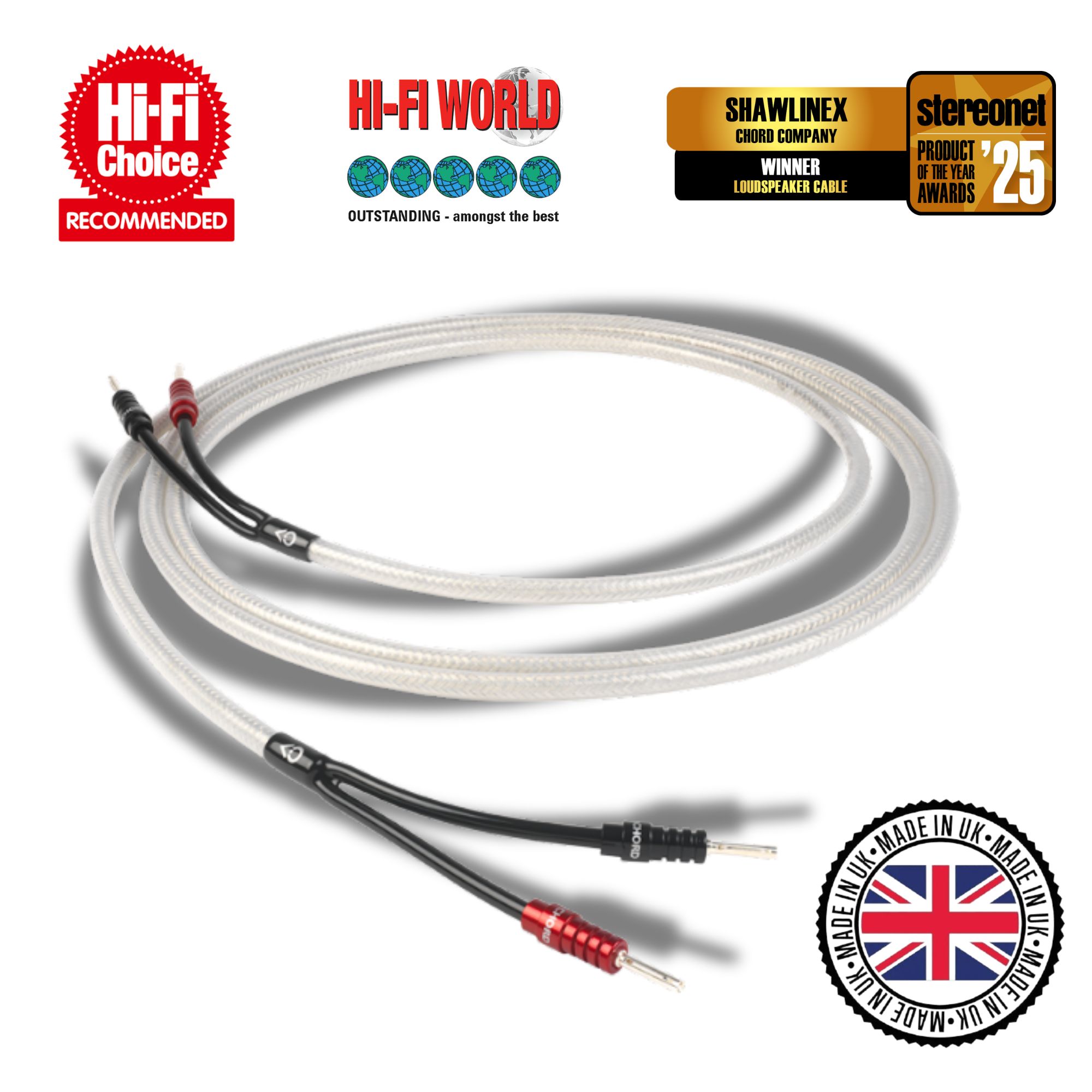
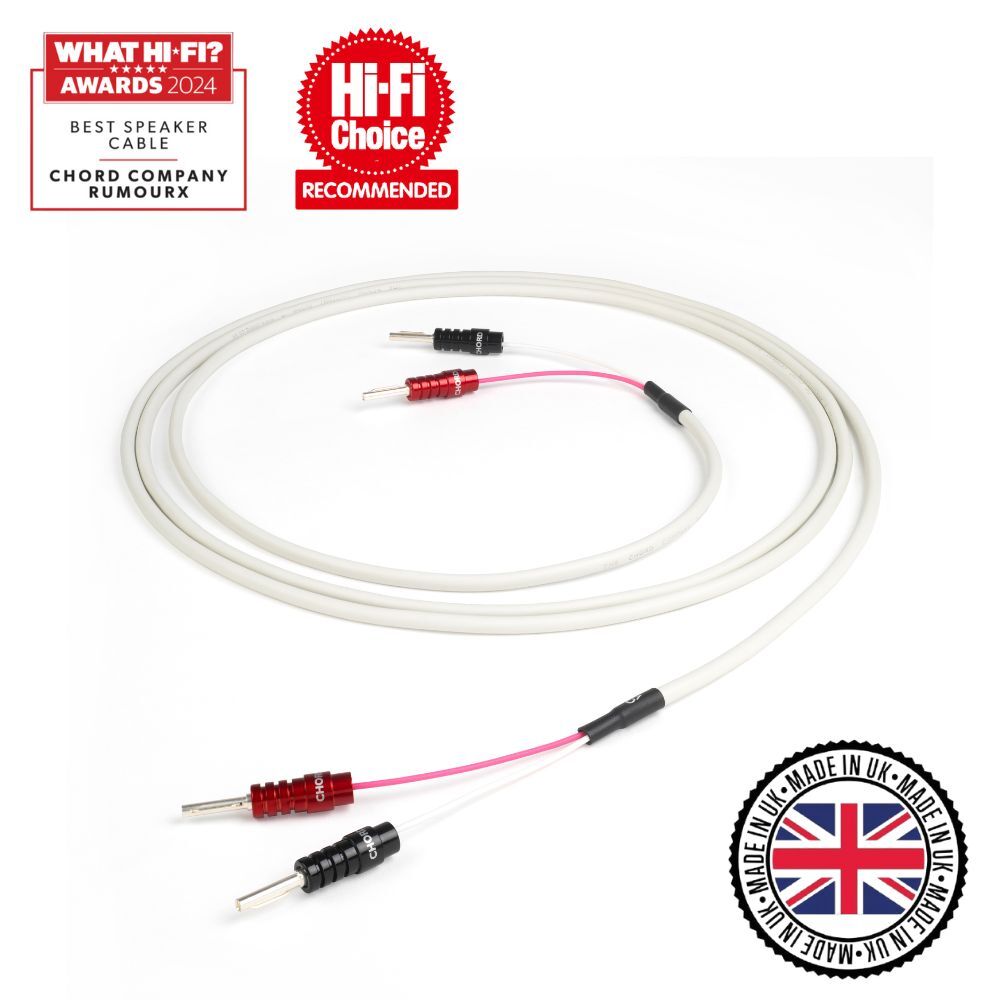
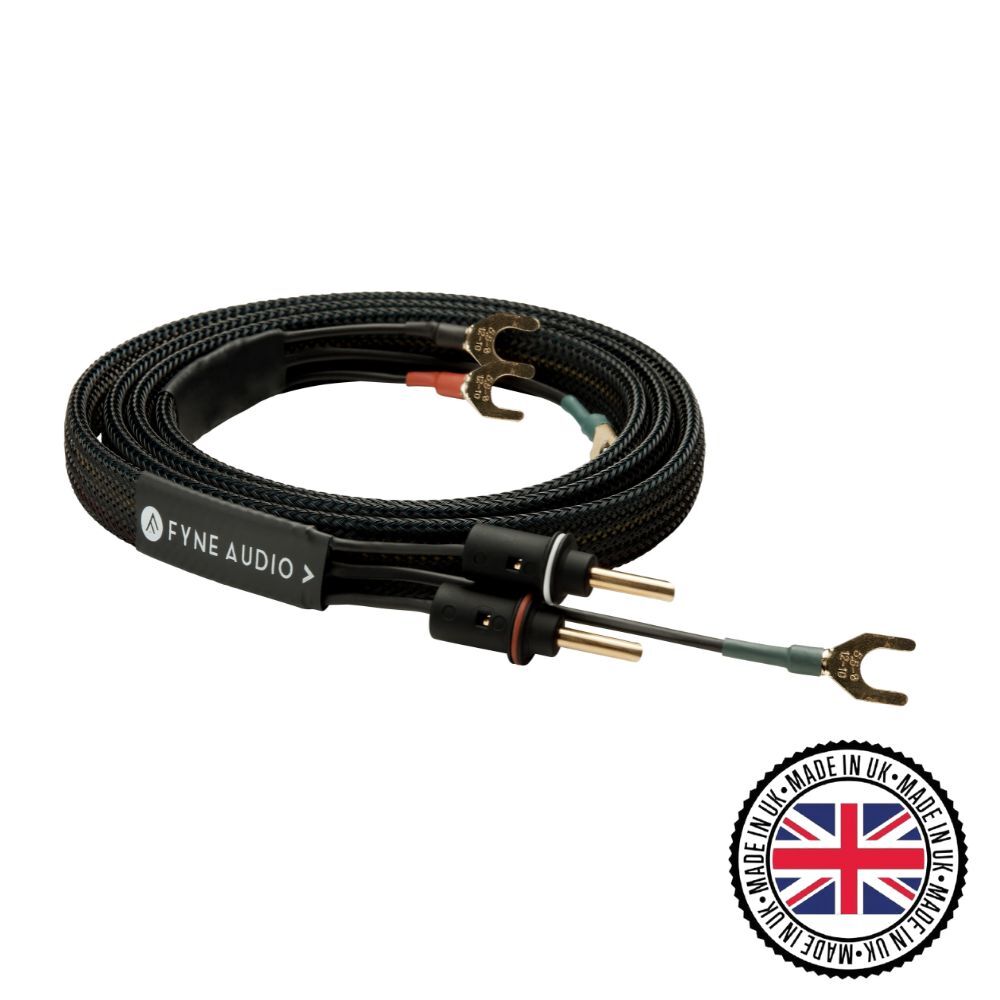
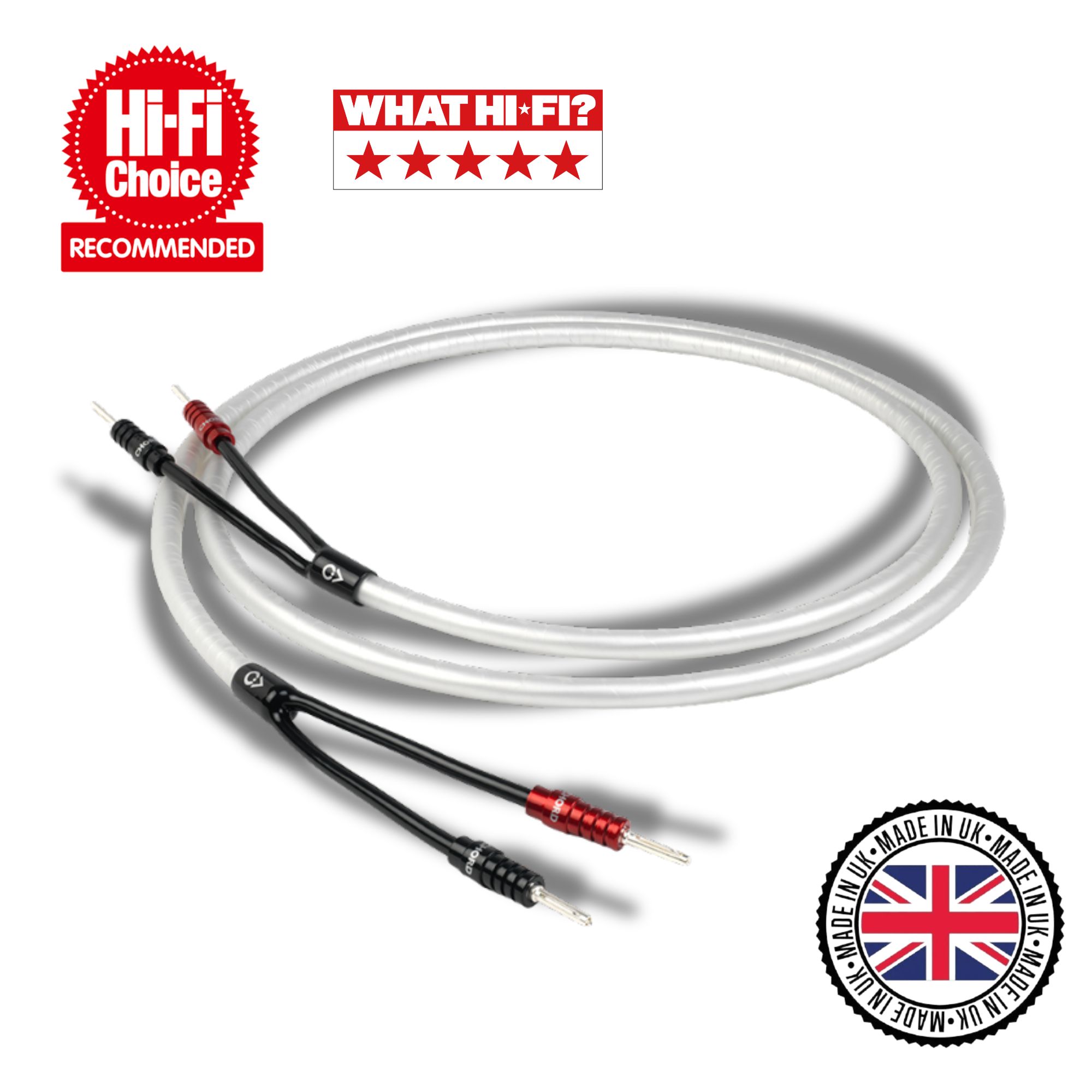
Speaker cables carry the amplified, high-current signal from an amplifier to a loudspeaker. Chord Company’s Leyline2XL sits at the accessible end (also built for custom-install and TV/home-cinema use), stepping up through Shawline X Speaker Cable to Clearway X Speaker Cable. Fyne Audio’s SC1 is a different product entirely: a signal interconnect built specifically for the SuperTrax and S-Trax supertweeter modules on some Fyne Audio loudspeakers, with a dedicated earth lead that grounds the driver chassis to reduce RF interference — not a general-purpose main speaker cable.
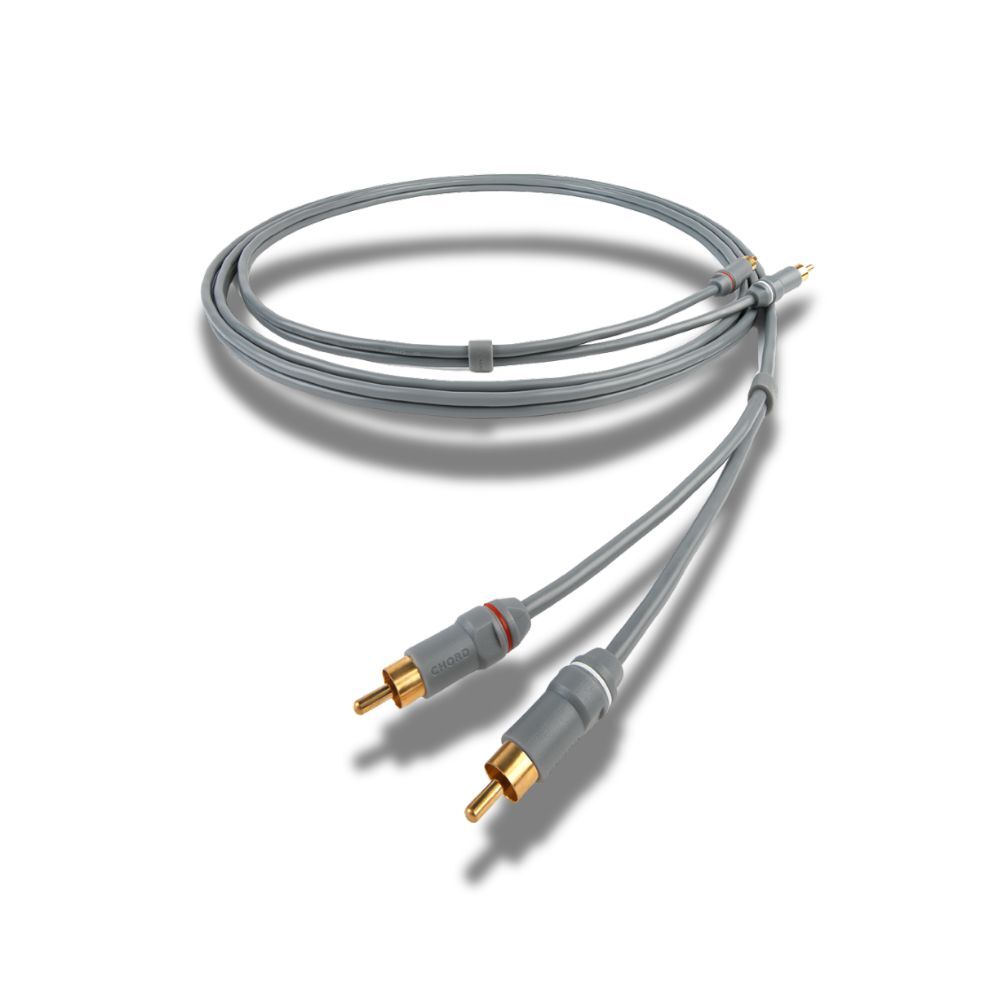
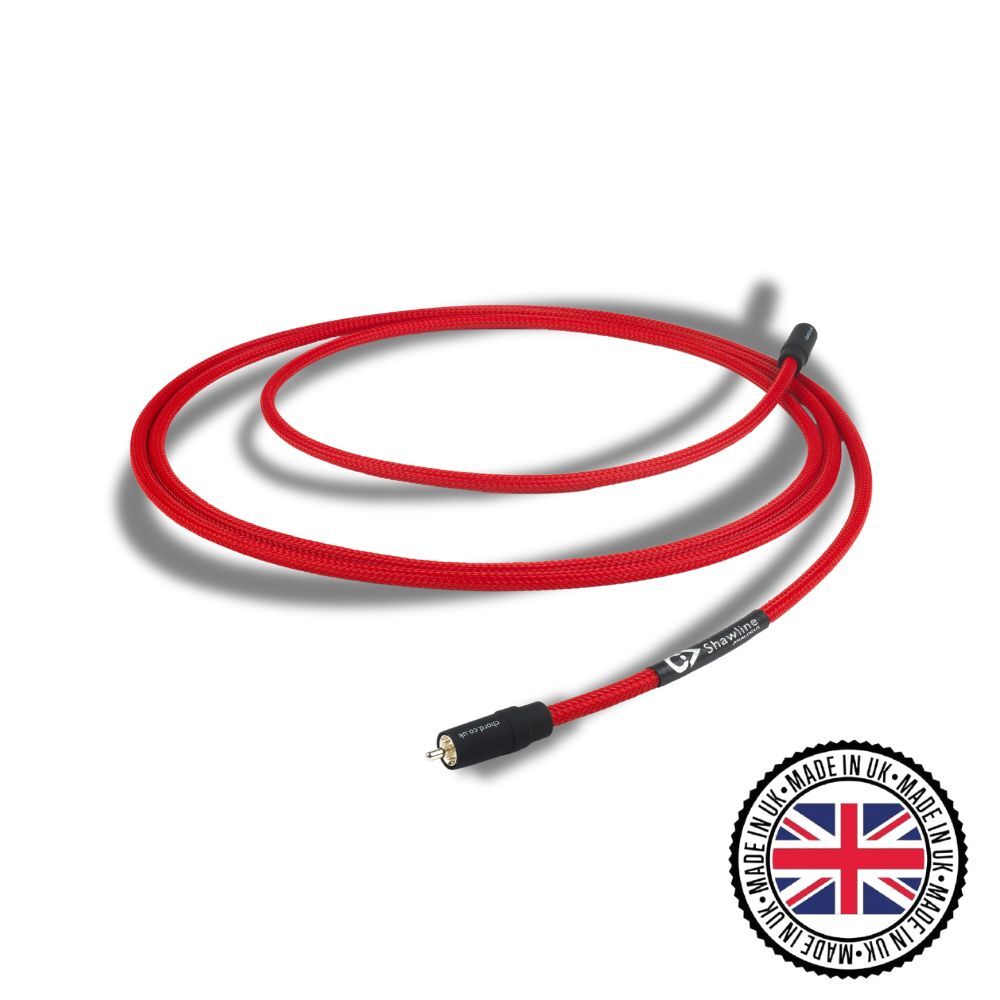
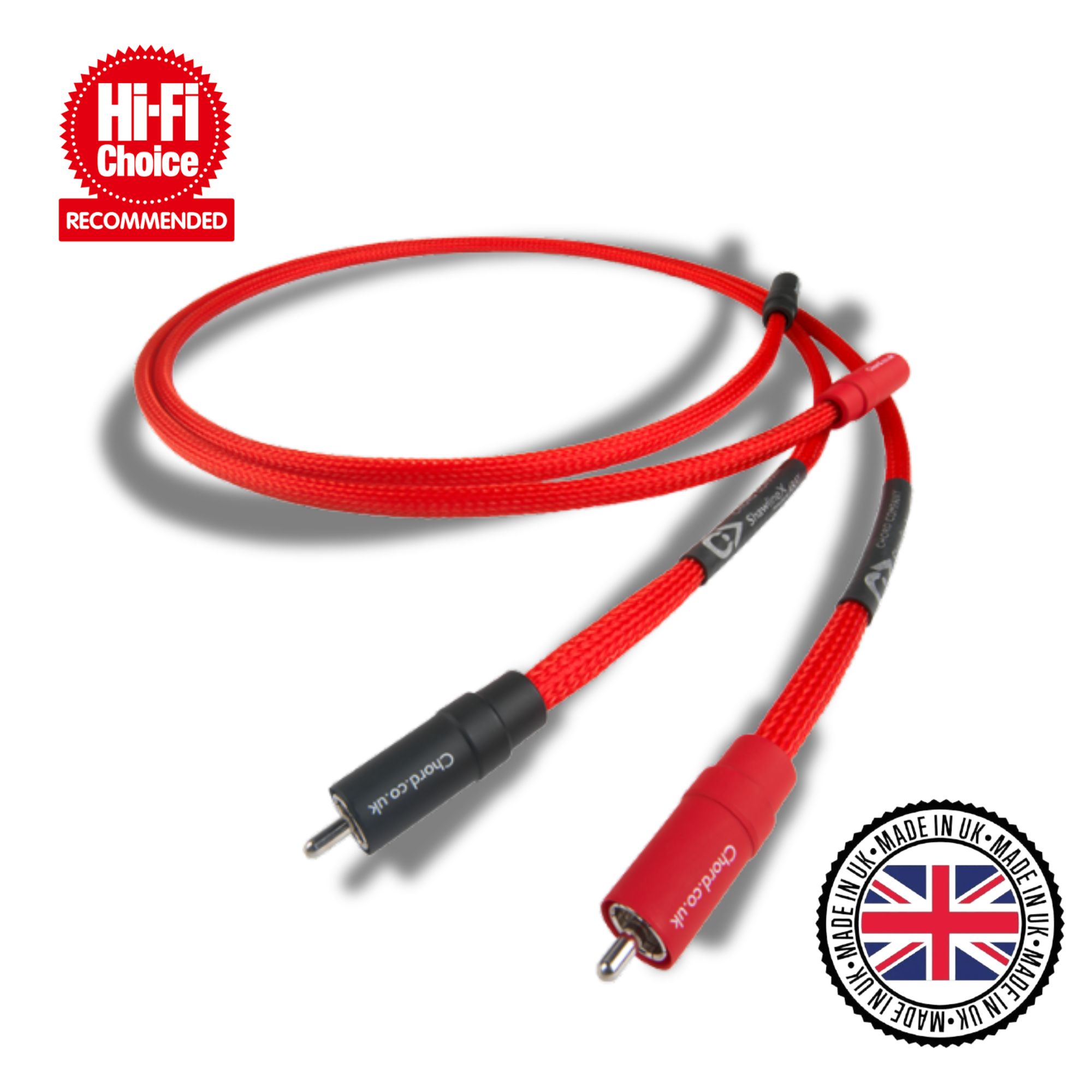
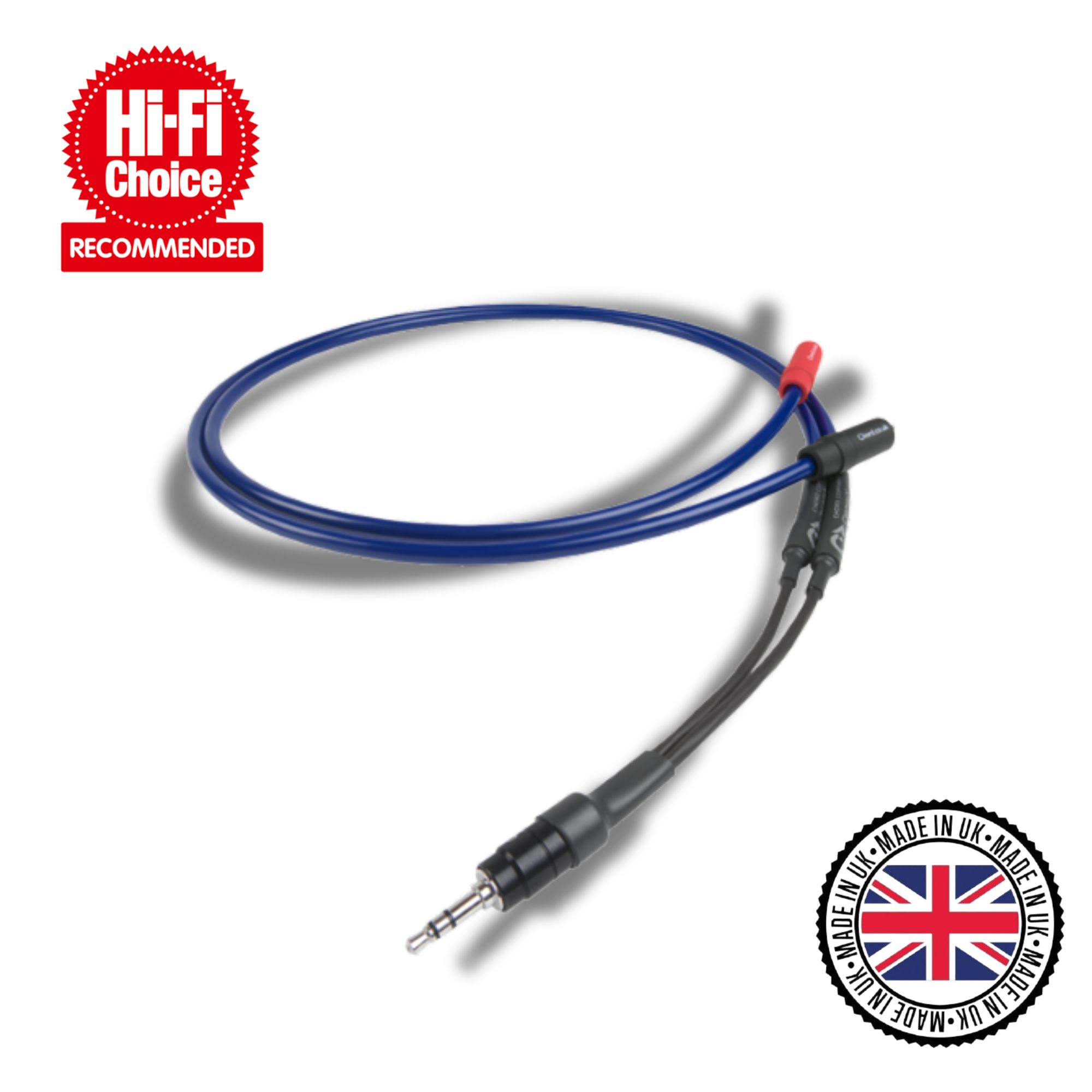
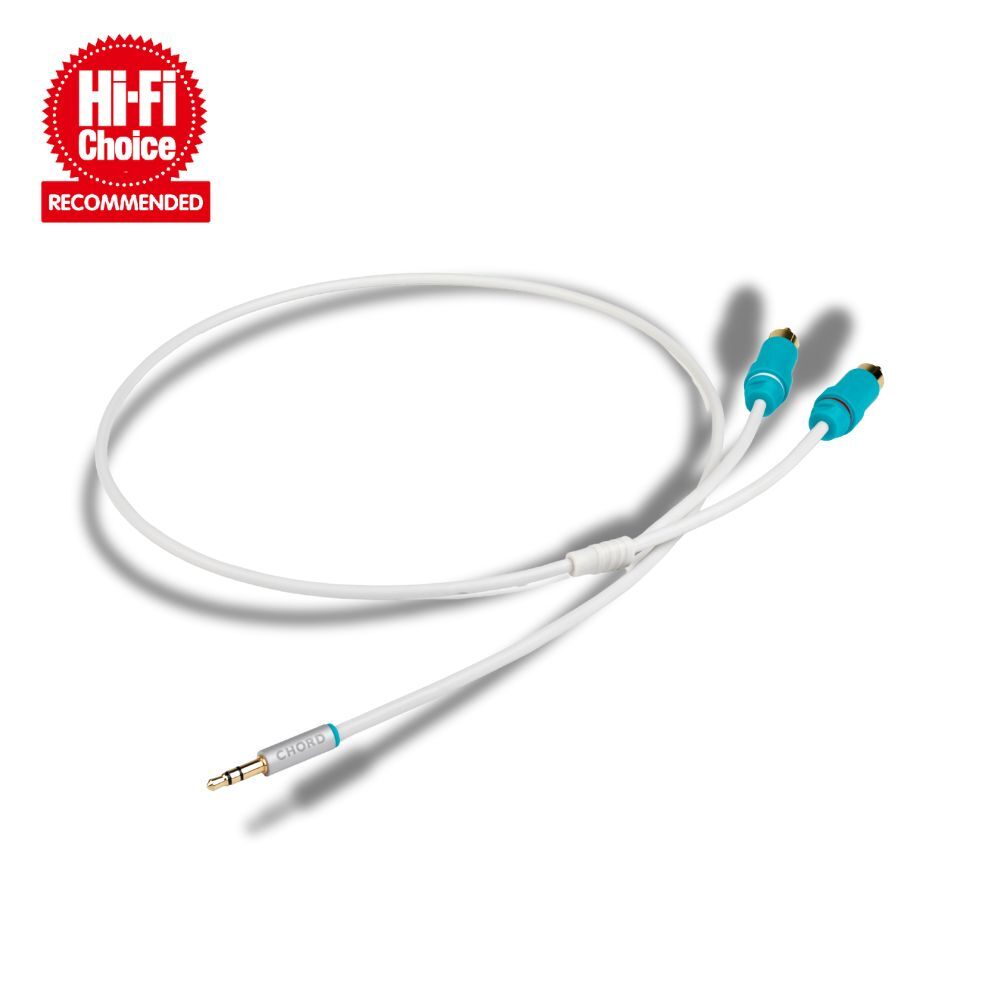
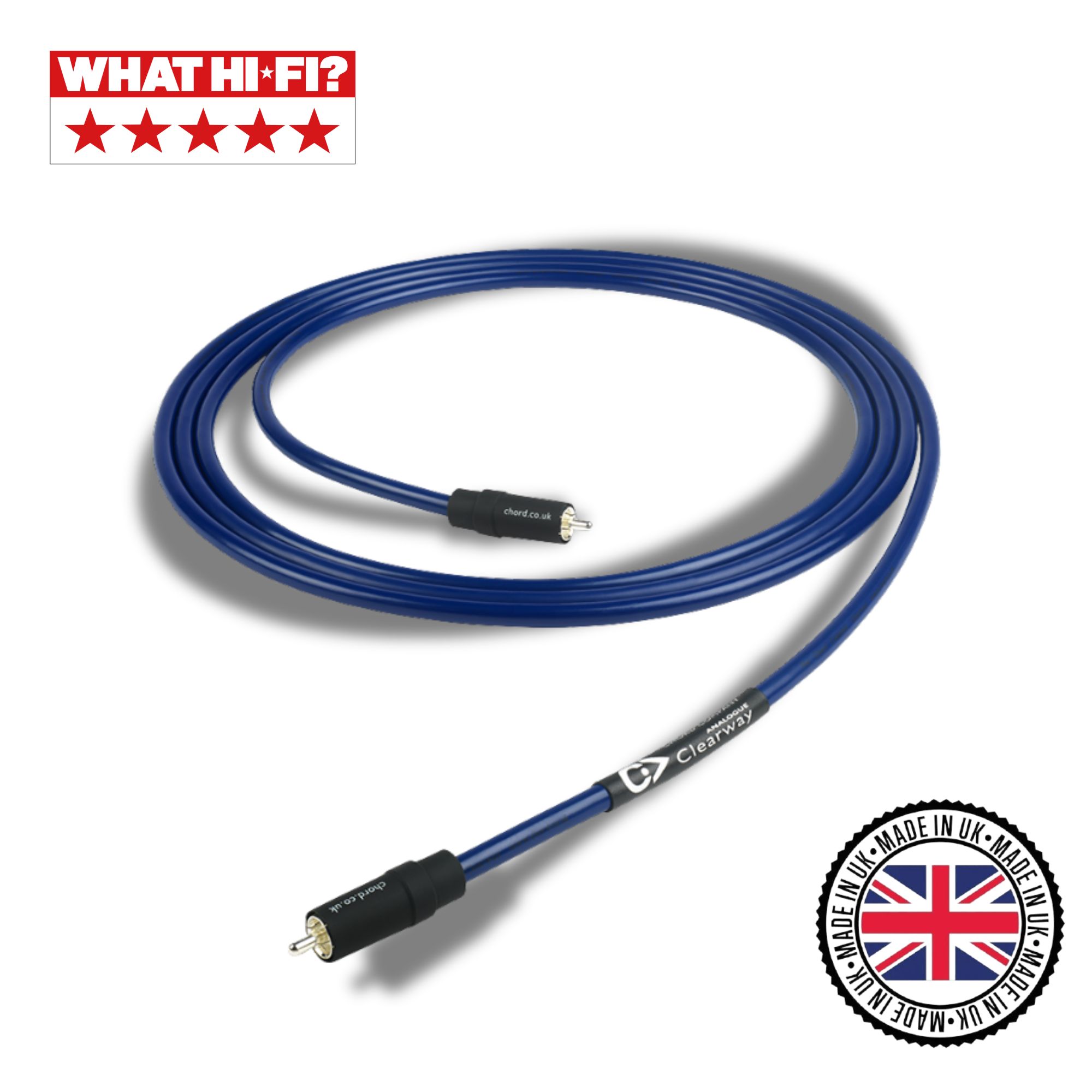
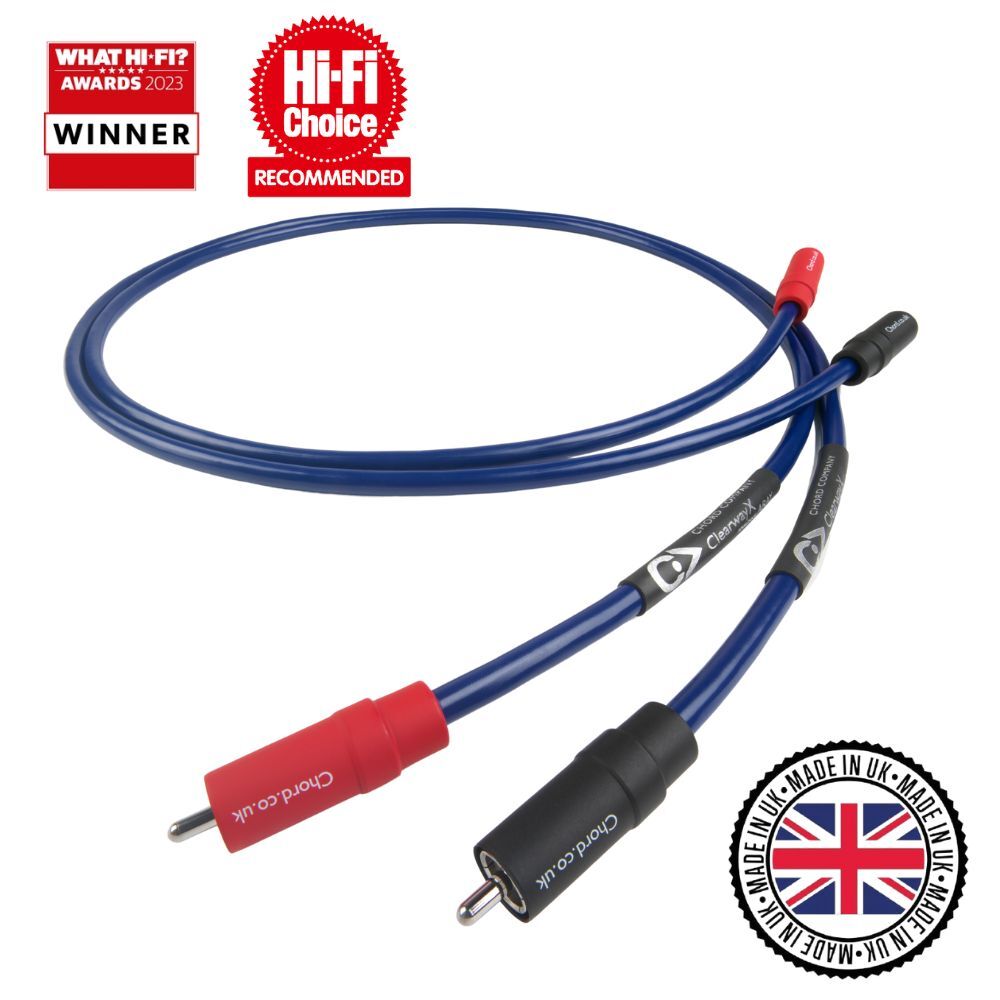
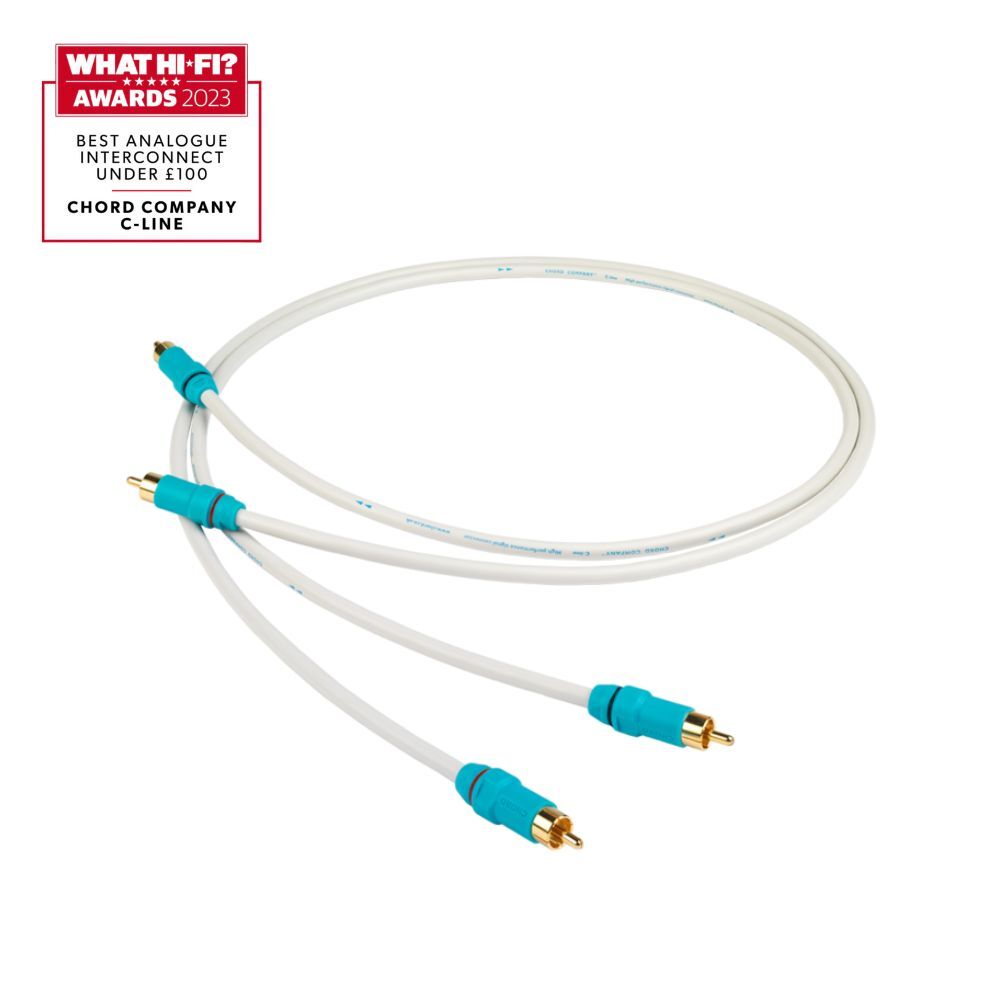
Interconnects carry line-level analogue signal between sources, preamplifiers and amplifiers. The range runs from the entry-level Leyline RCA through Shawline X ARAY RCA to Clearway X ARAY RCA at the top, with C-Jack cables covering mini-jack-to-mini-jack and 3.5mm-to-2RCA connections for portable sources.
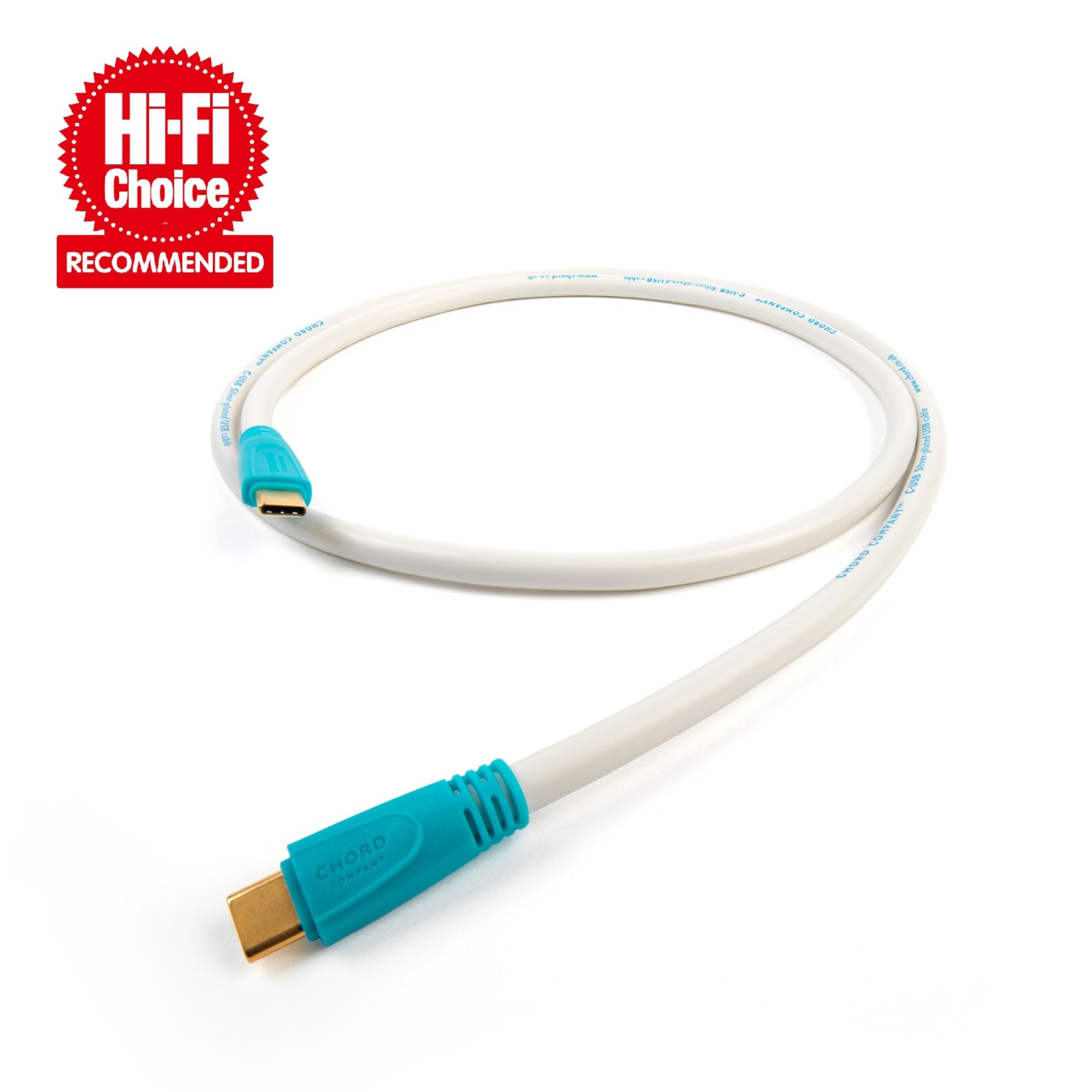
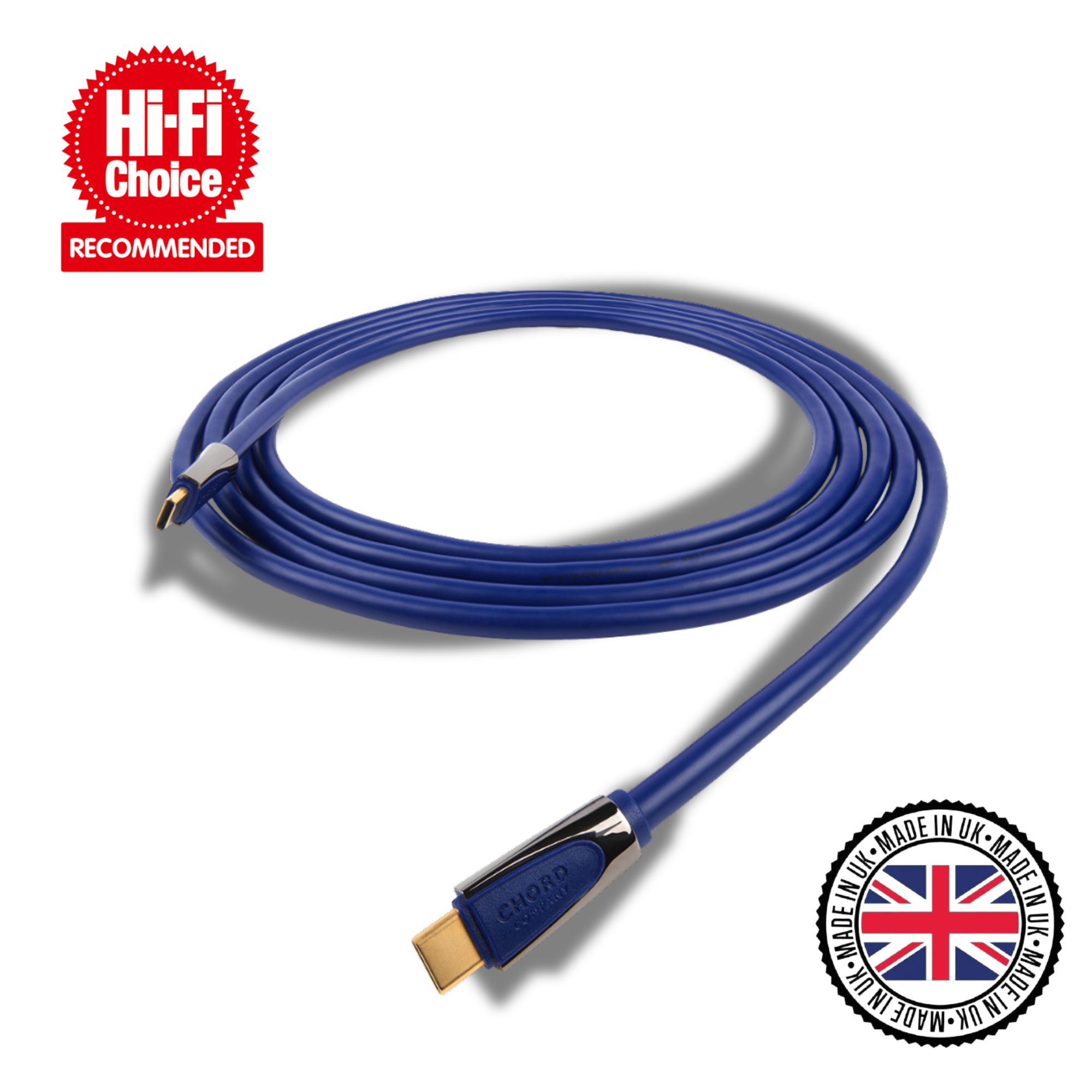
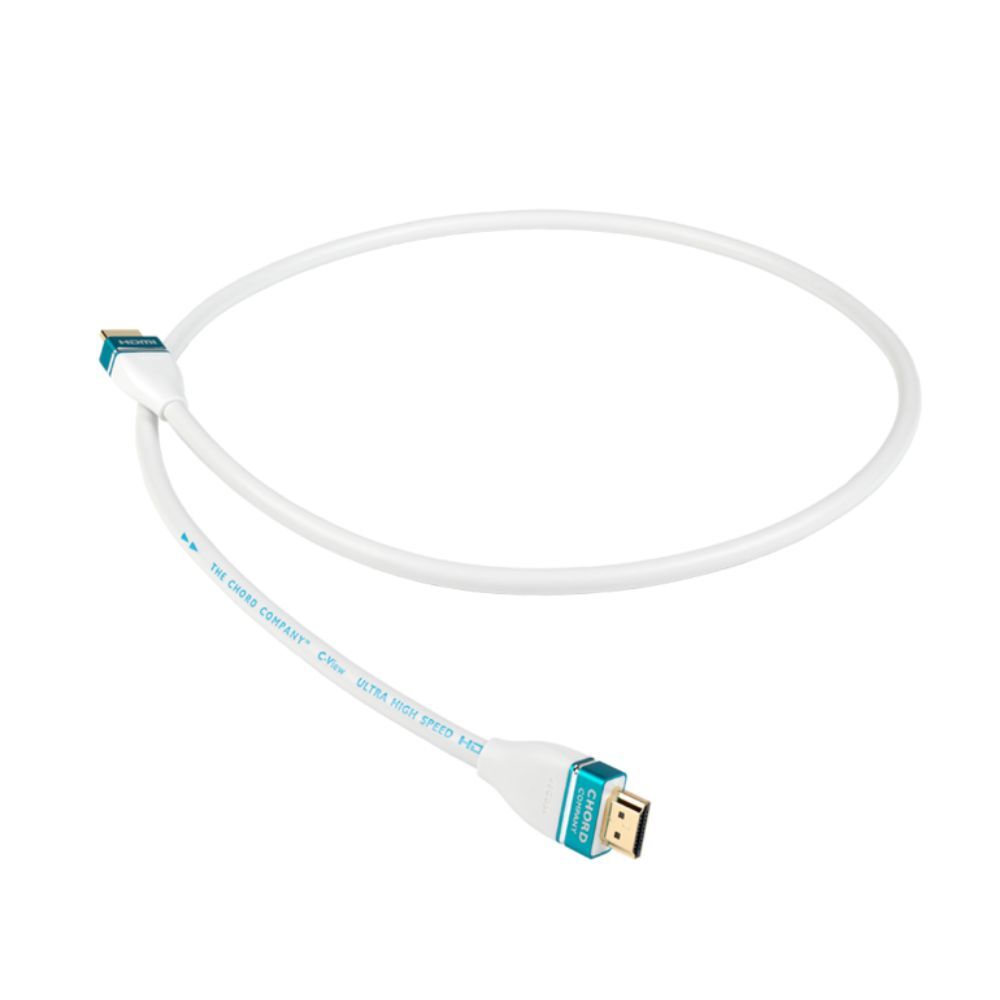
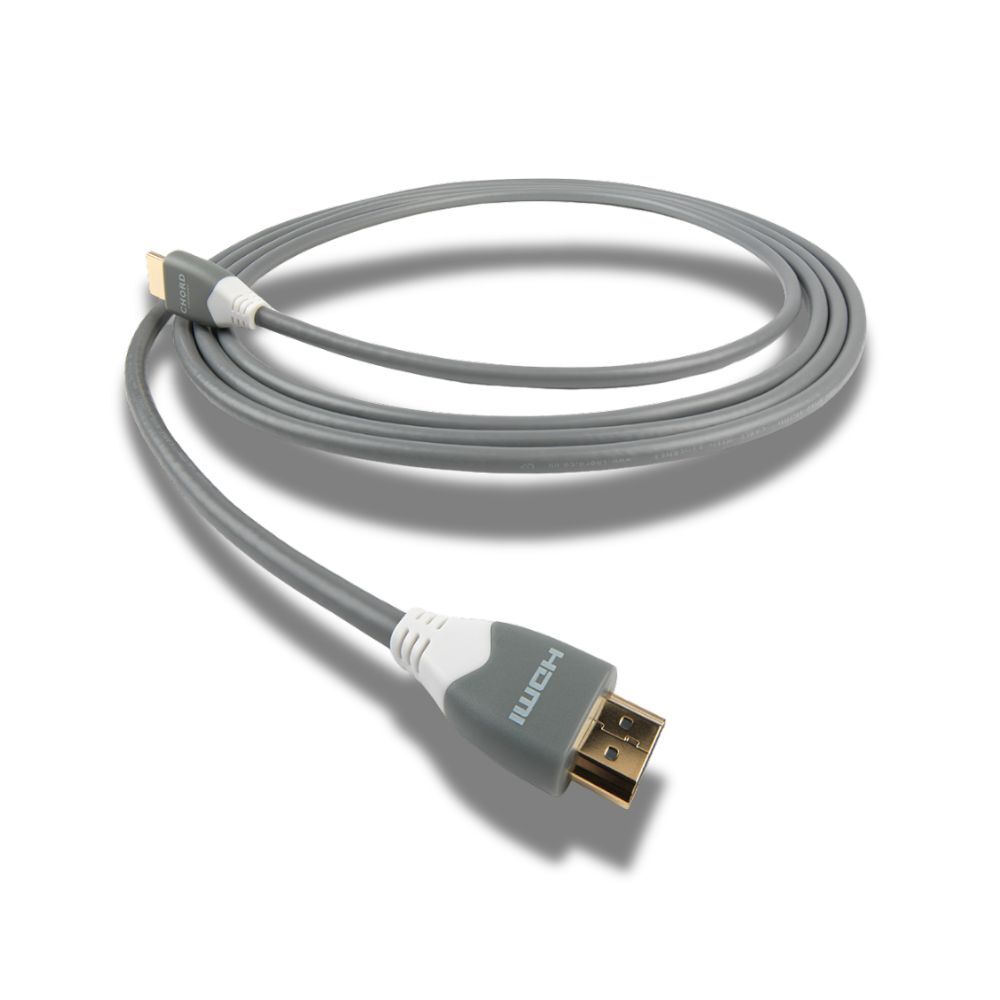
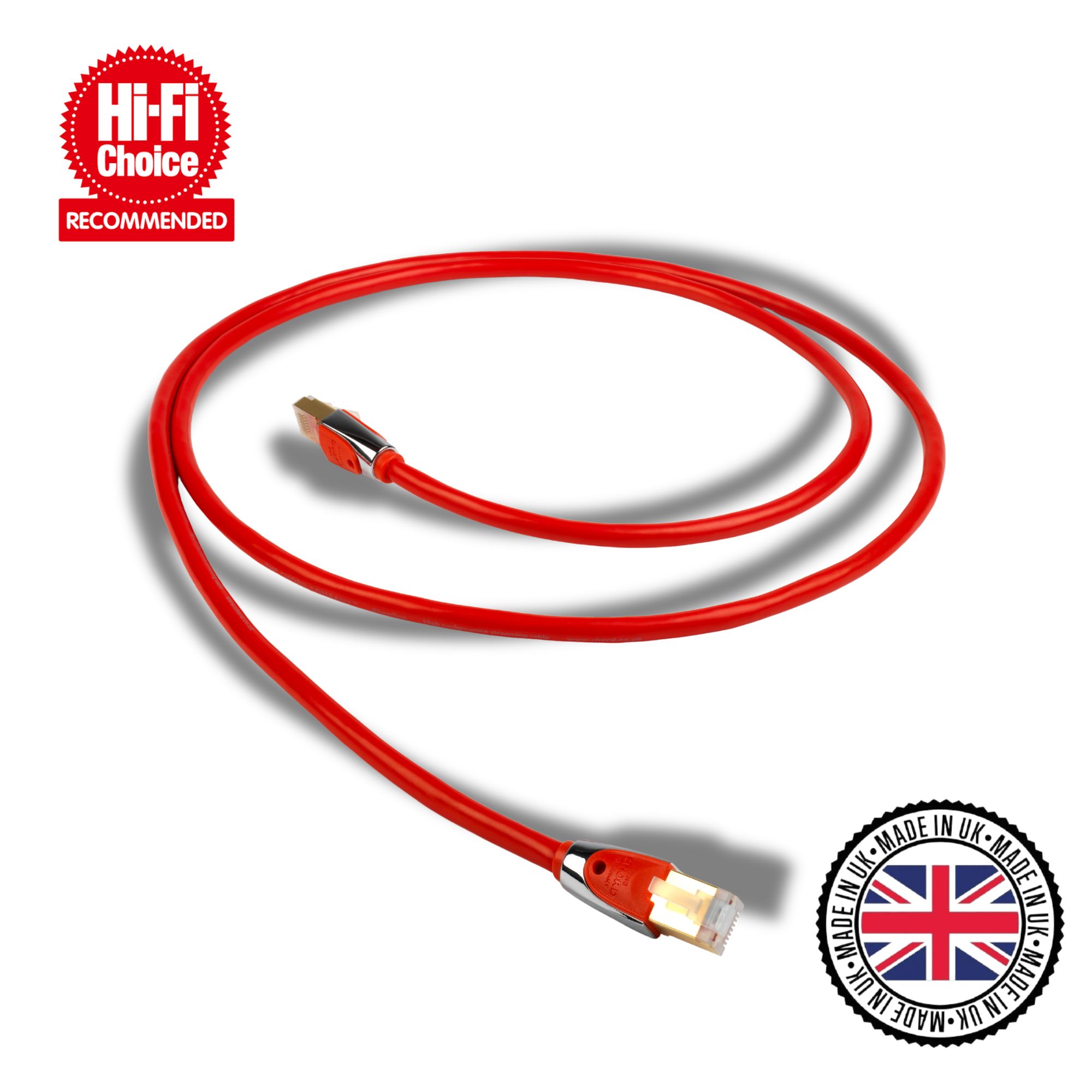
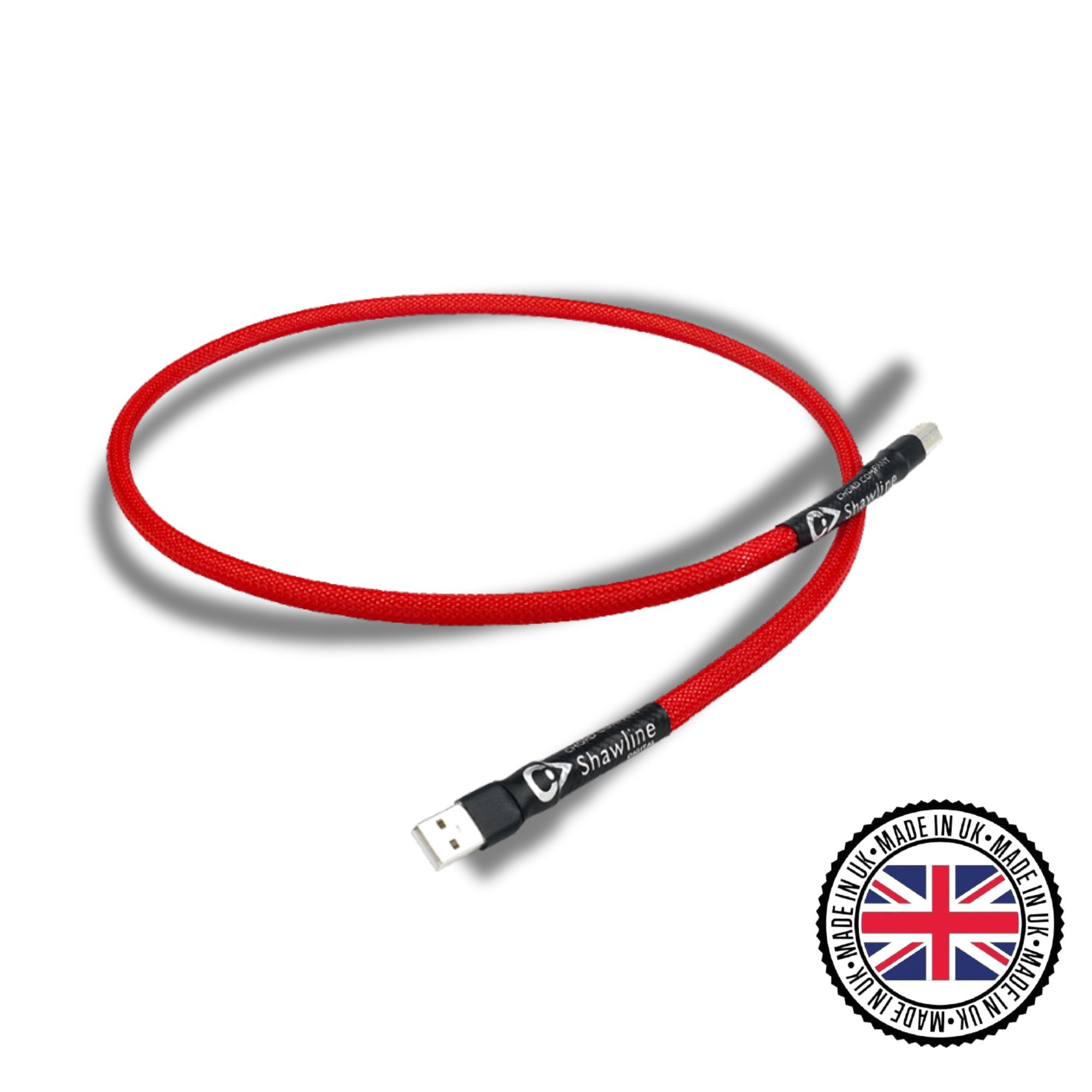
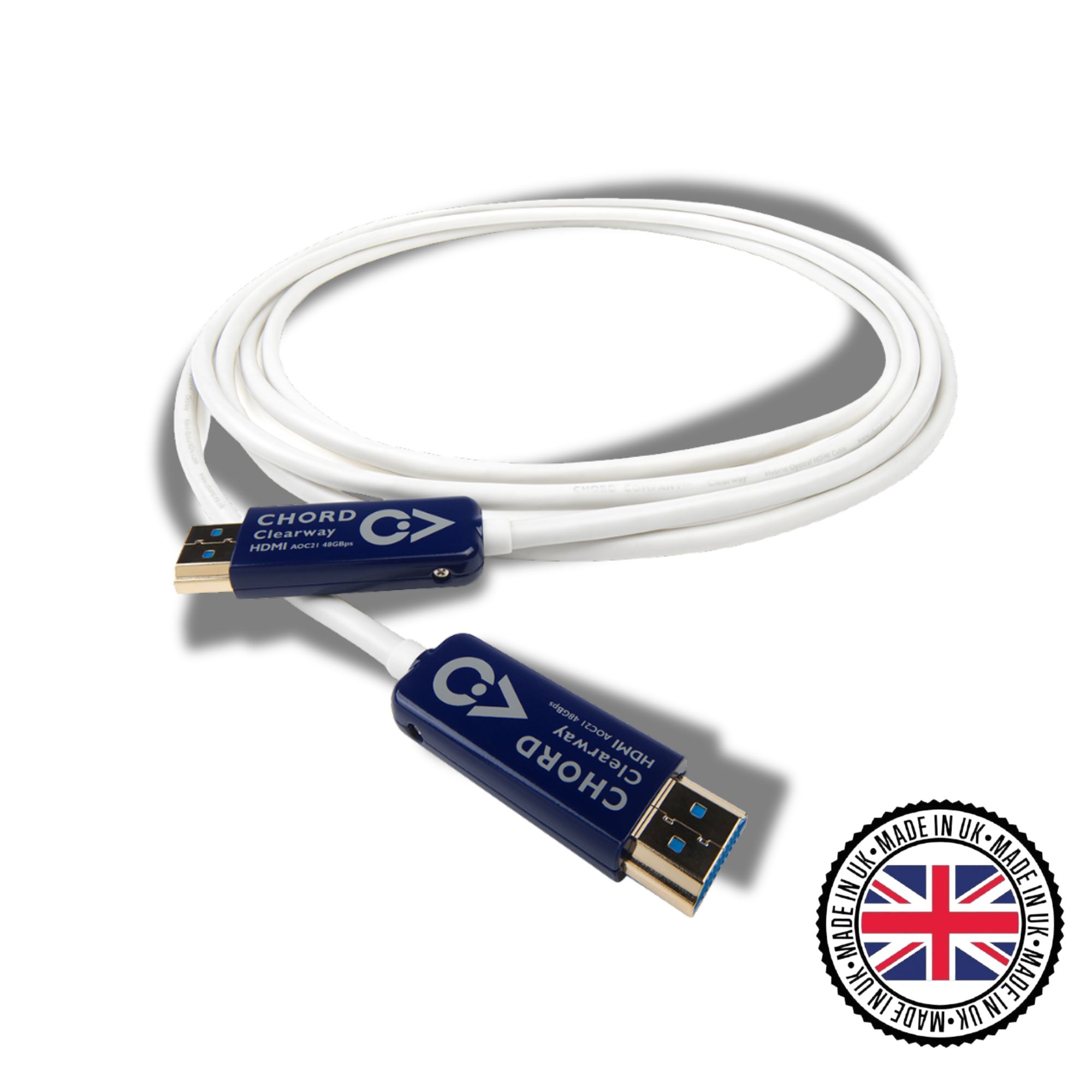
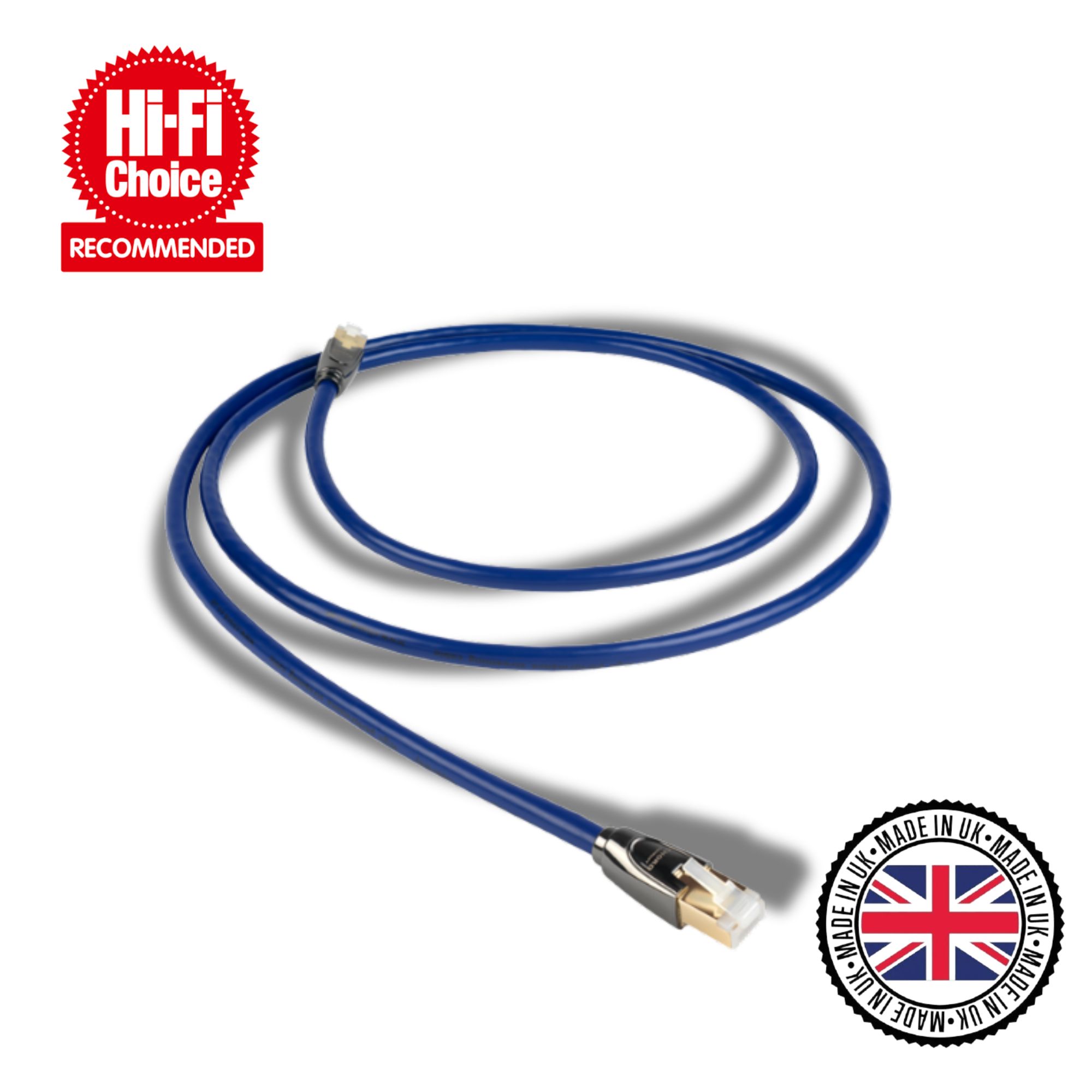
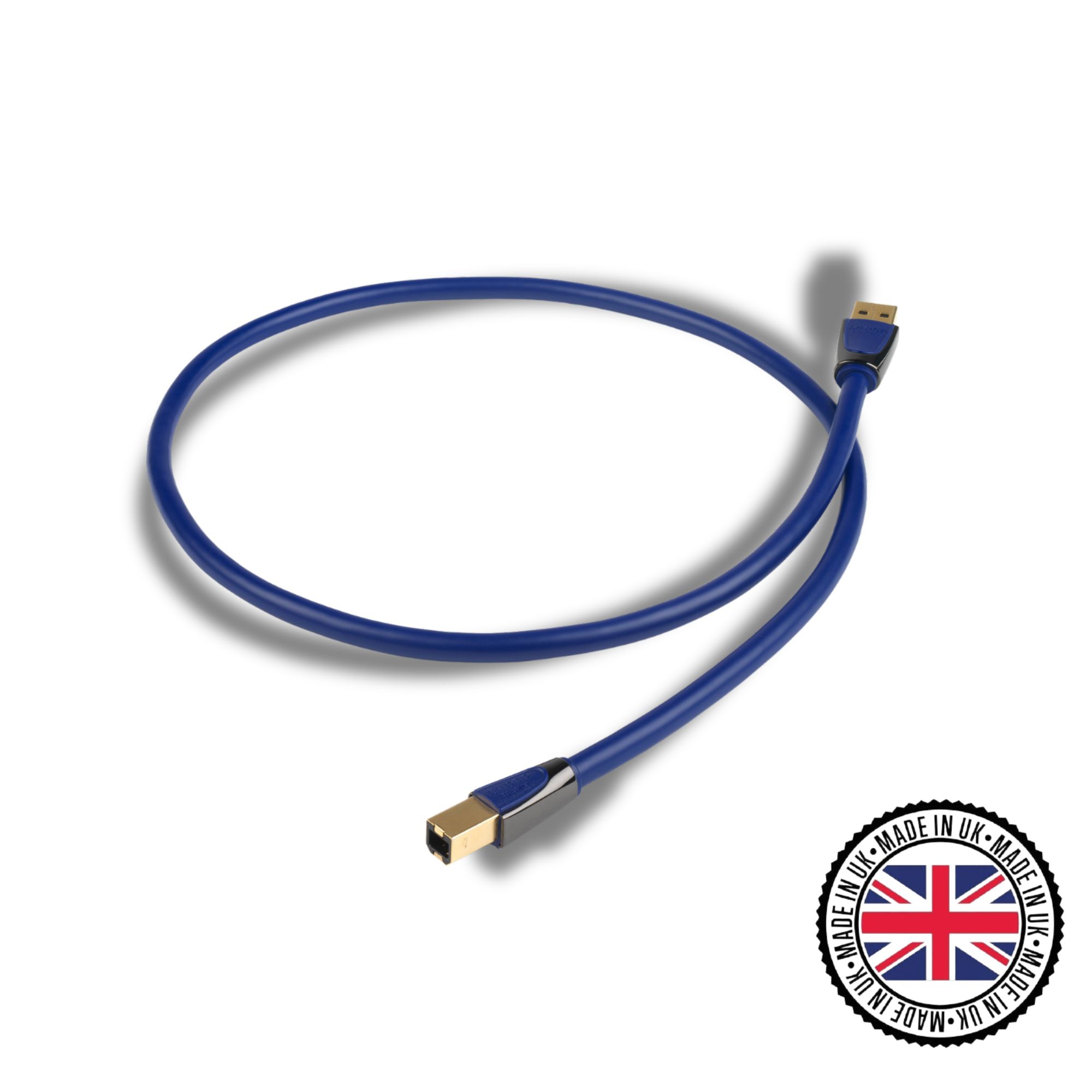
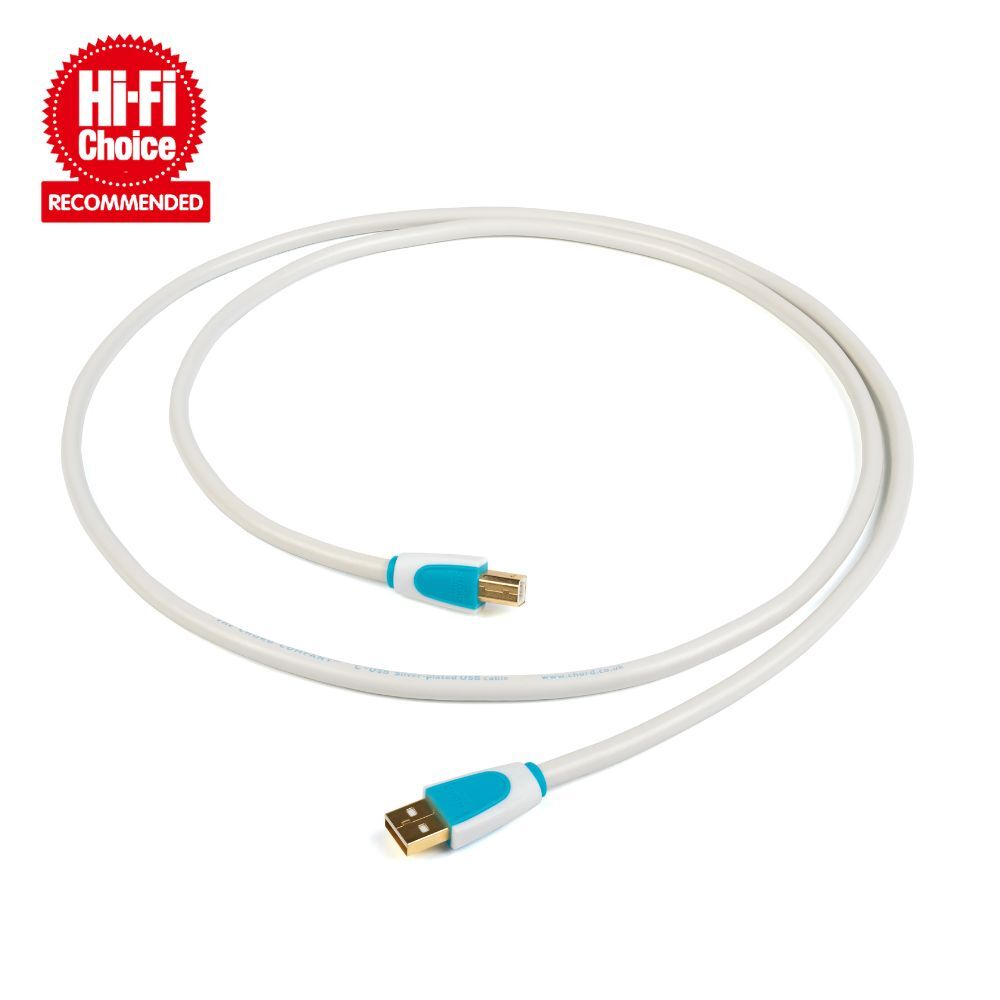
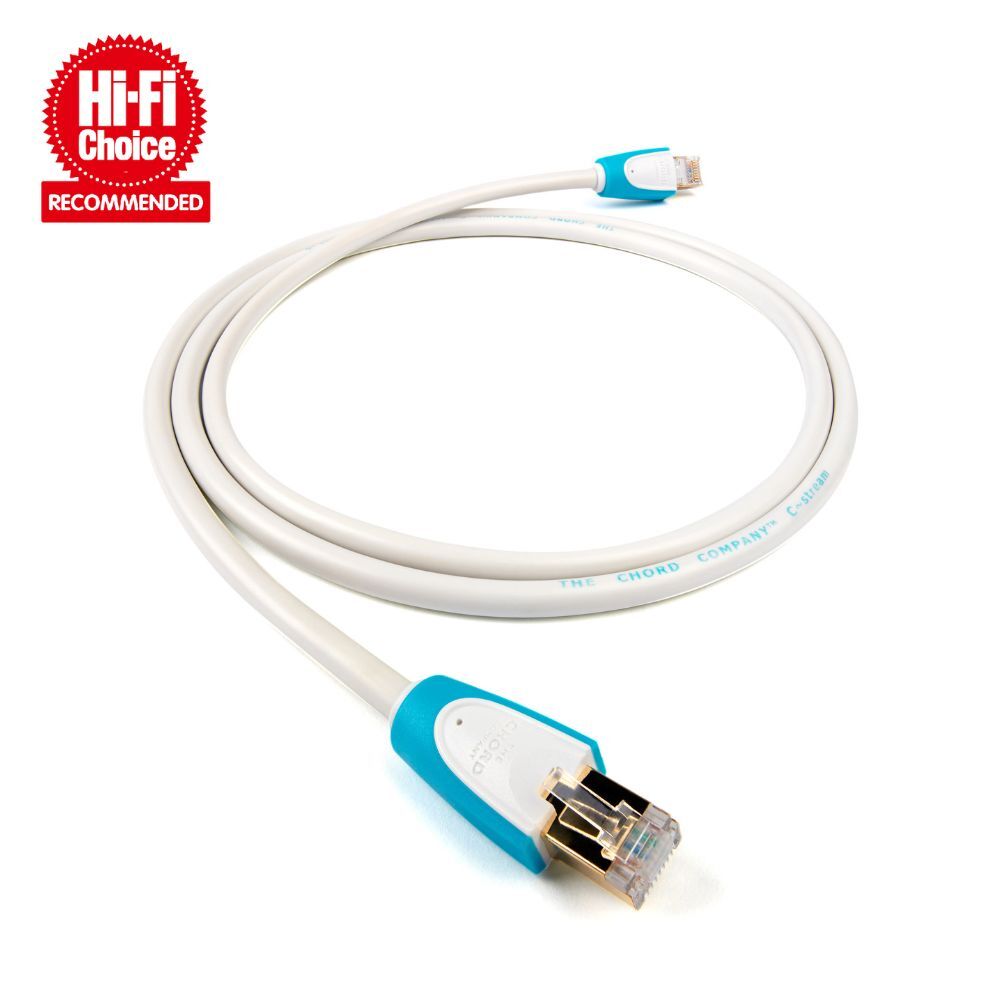
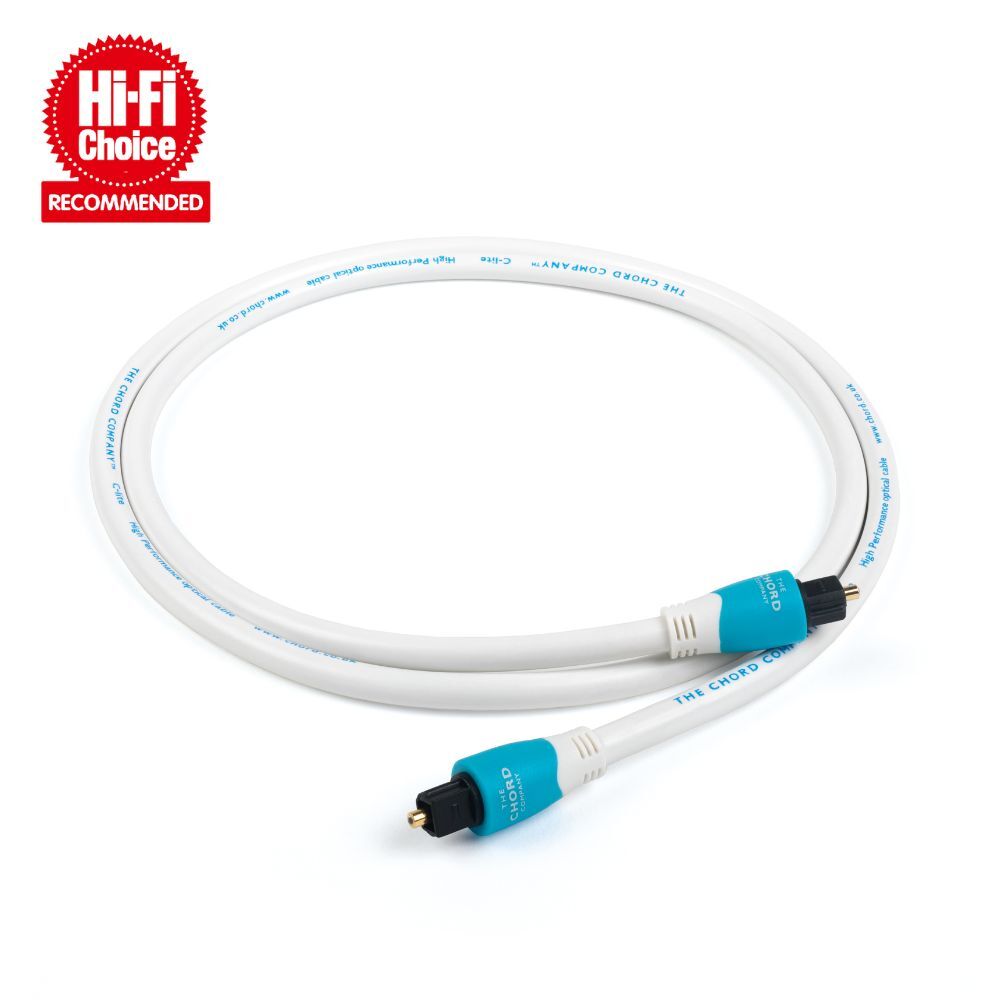
Digital cables cover USB (C-USB and Clearway USB, in both Type-A and Type-C variants), HDMI (from the budget-focused Leyline HDMI up to the 48Gbps-rated C-View Plus 8K cable and Clearway HDMI), the C-Lite Toslink optical cable — immune to electrical interference by design, since it carries a light signal rather than a current — and network cables (C-Stream, Shawline Streaming and Clearway Streaming) for Ethernet-connected streamers and network players.
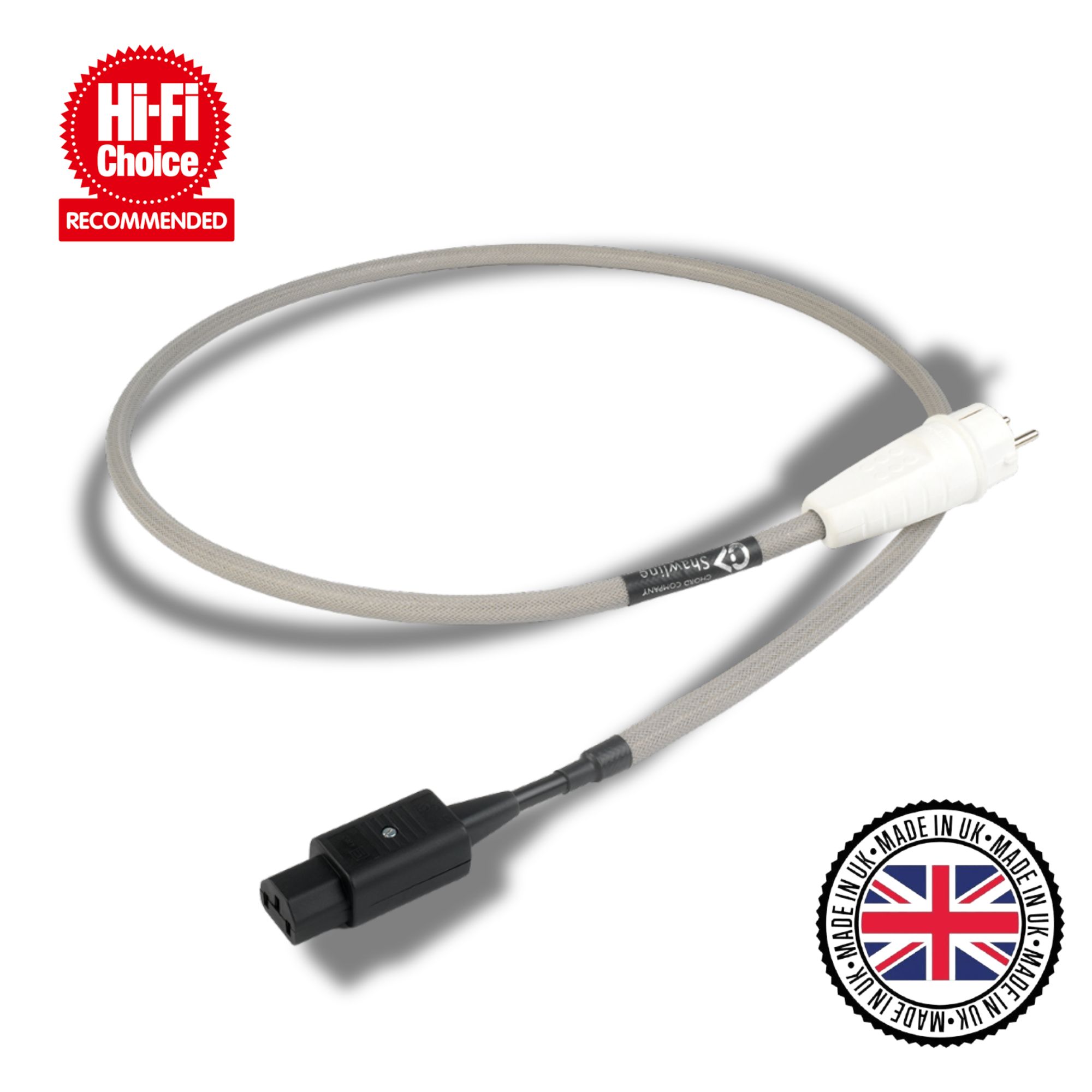
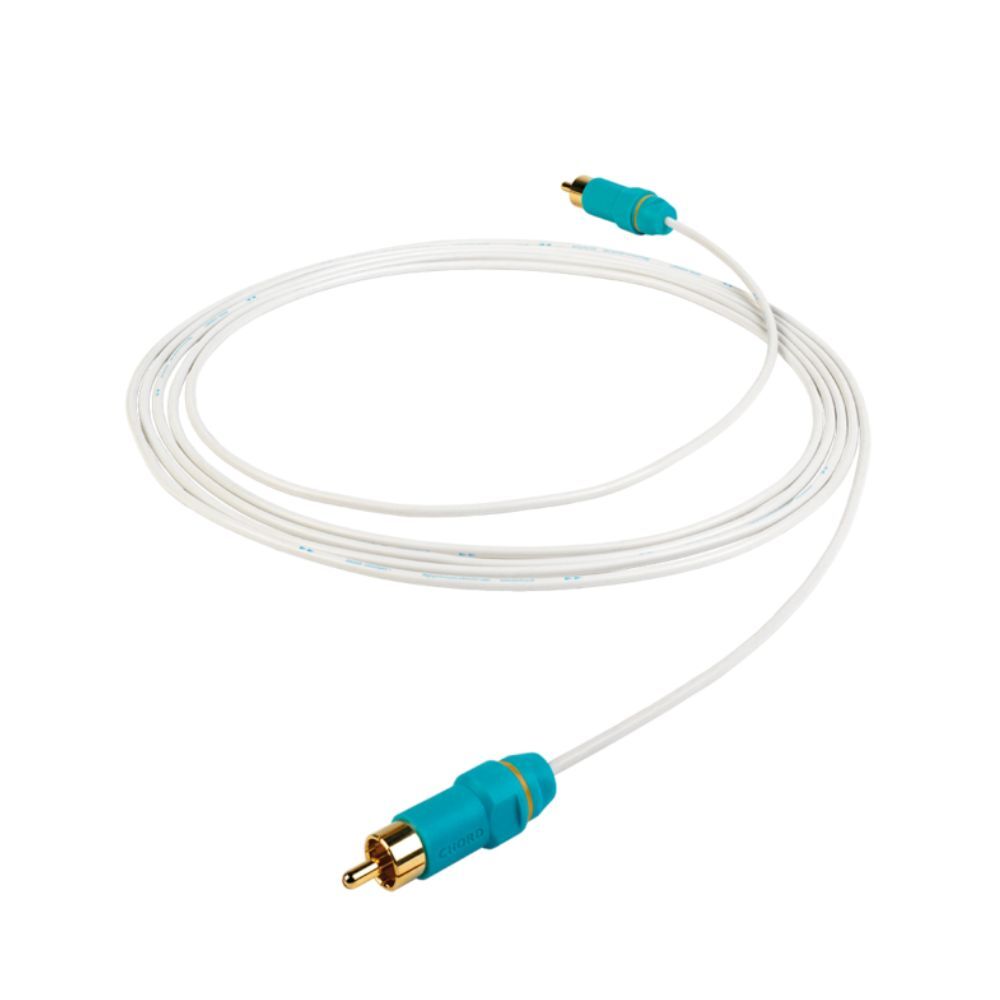
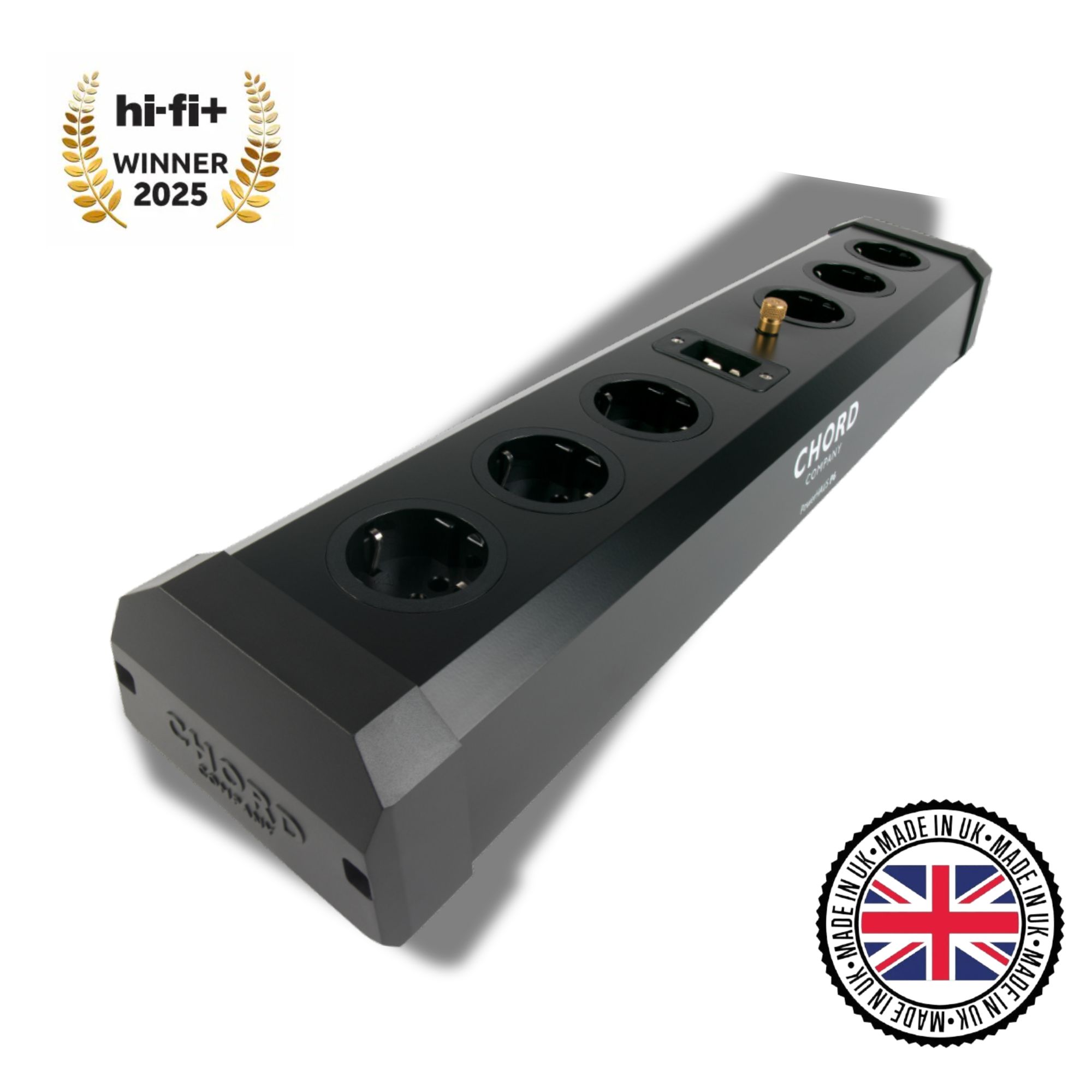
Power cables — Shawline Power and Clearway Power — are mains leads for hi-fi and AV components, built to a higher specification than a generic kettle lead but still fundamentally a mains cable rather than a signal path. Subwoofer cables (C-Sub, Shawline X and Clearway X Subwoofer Cable) are dedicated RCA cables carrying the low-frequency feed from a preamplifier or AV receiver’s LFE output to a powered subwoofer.
Matching a range to your system and your budget
Chord Company’s ranges scale roughly by tier: C-series and Leyline are the accessible entry point across most connection types; Shawline (and Shawline X) is a mid-tier, hand-built in the UK across almost every cable type in this category; Clearway and Clearway X sit at the top of what’s currently stocked here, adding the ARAY conductor geometry and heavier shielding described above.
A practical starting rule: match the cable tier roughly to the resolving power of the rest of the system. An entry-level DAC or integrated amplifier is unlikely to be currently limited by the small differences between cable tiers, so there’s little to gain from jumping straight to Clearway X on a modest system. A more resolving, higher-end system is more likely to expose a genuine difference between tiers — though even there, Shawline is a reasonable, consistently specified default before assuming a step up to Clearway is necessary.