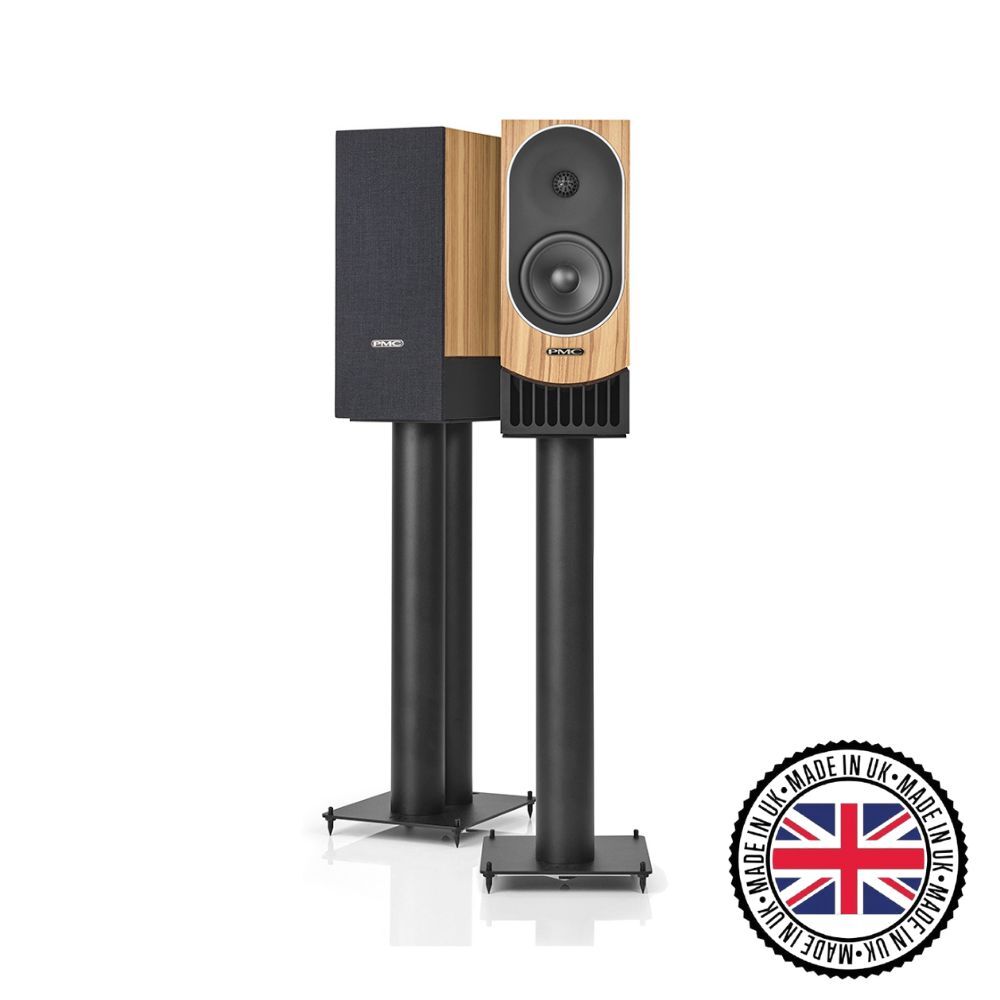
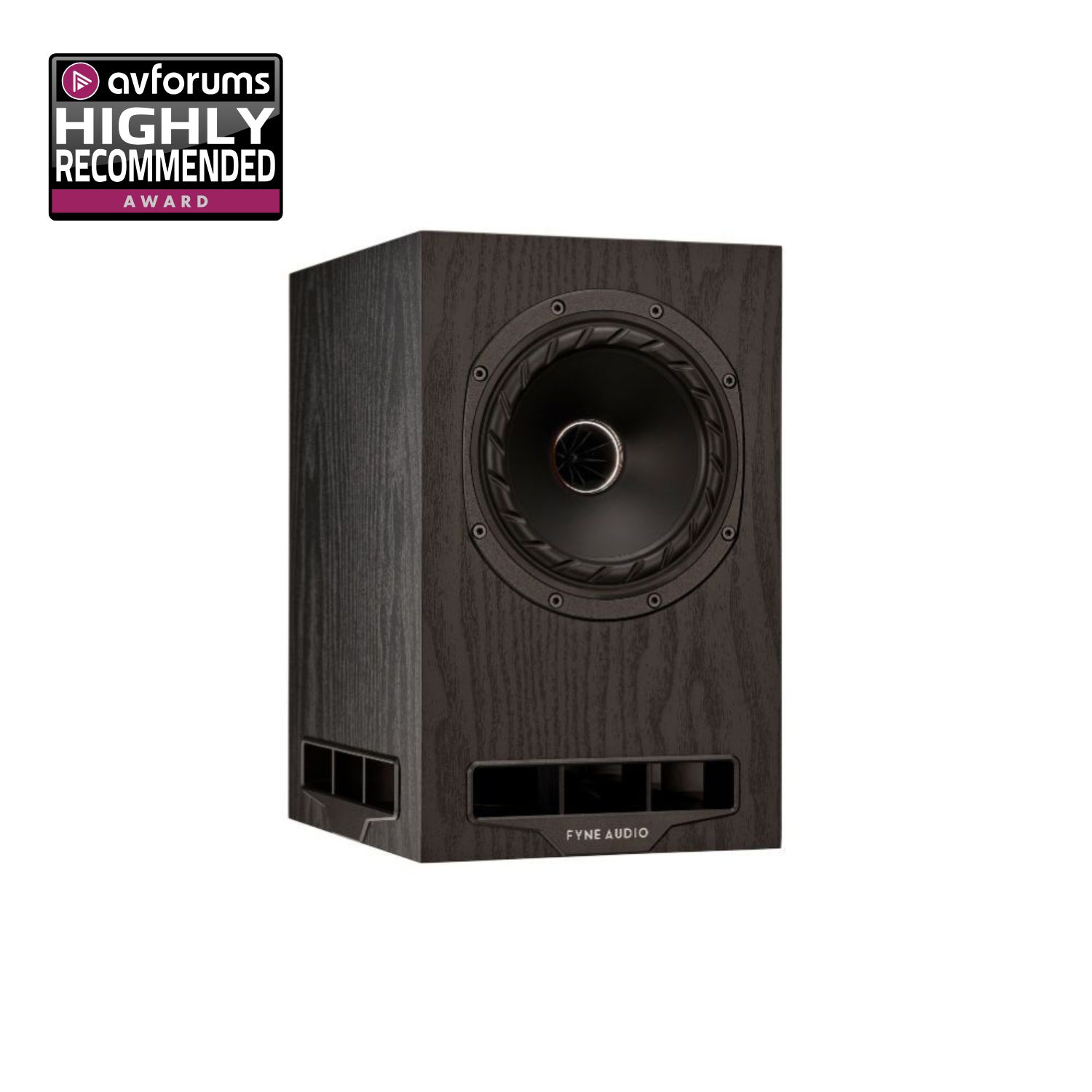
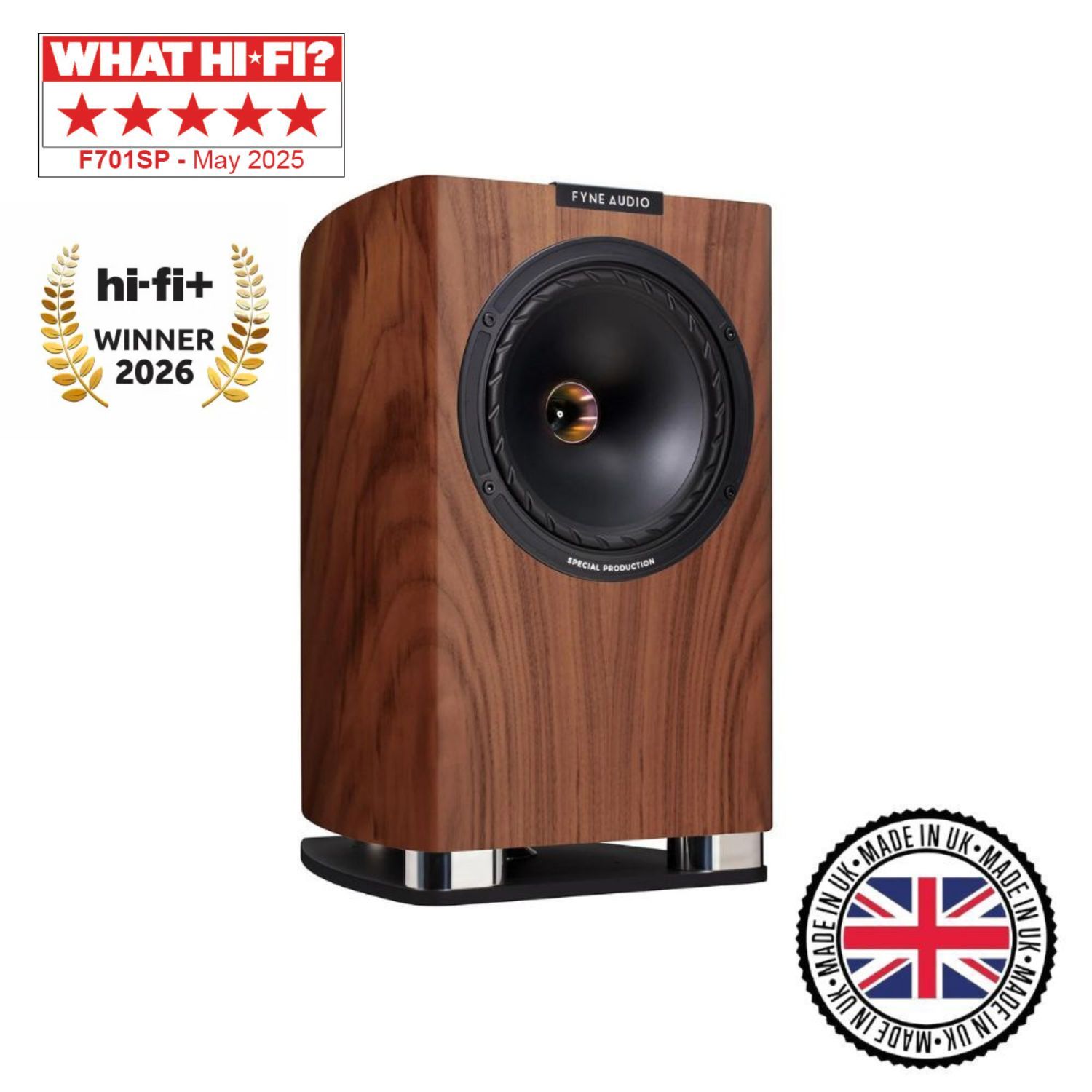
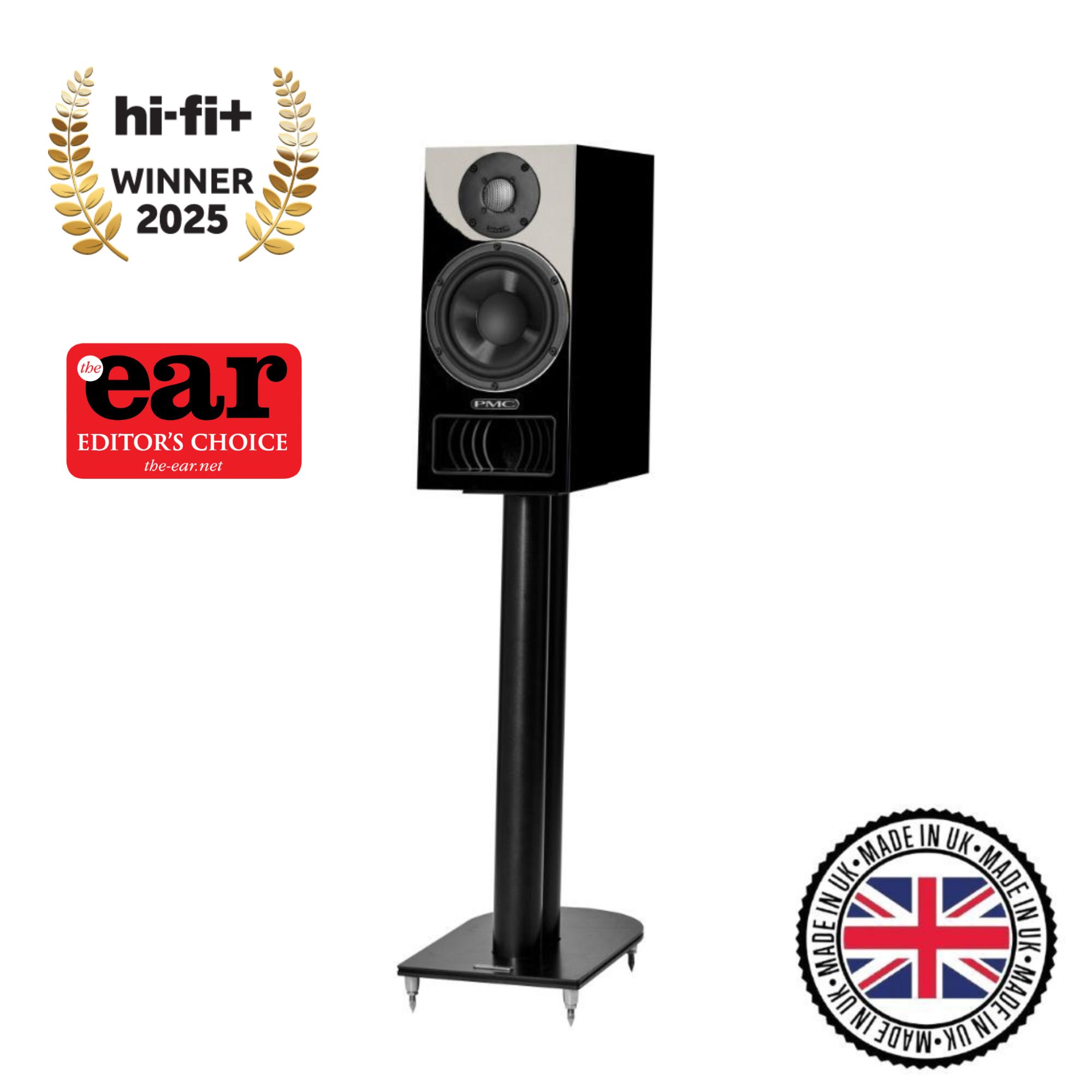
Standmount speakers are, on paper, the least convenient format a loudspeaker can take. They remain the format most professional recording studios choose to mix on.
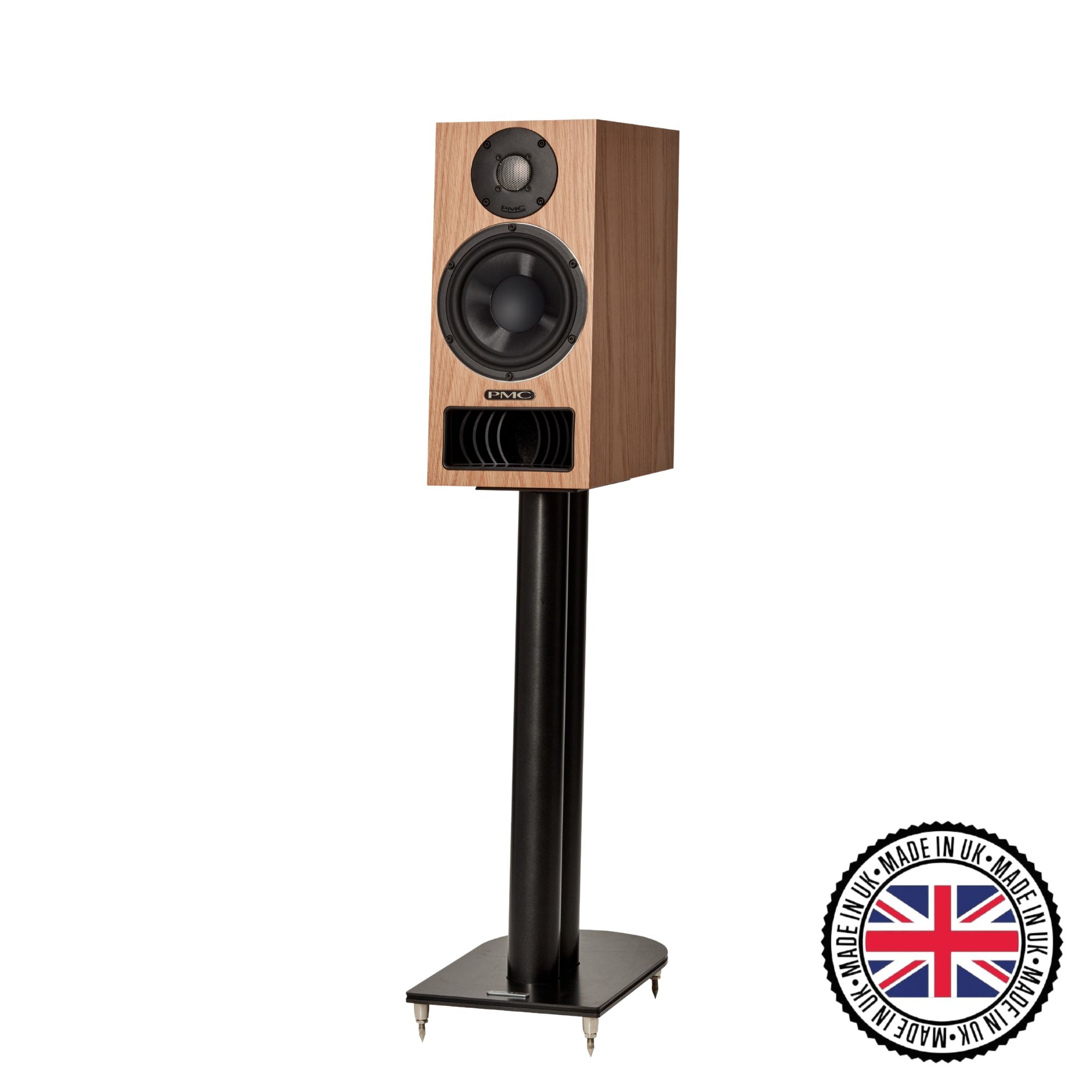
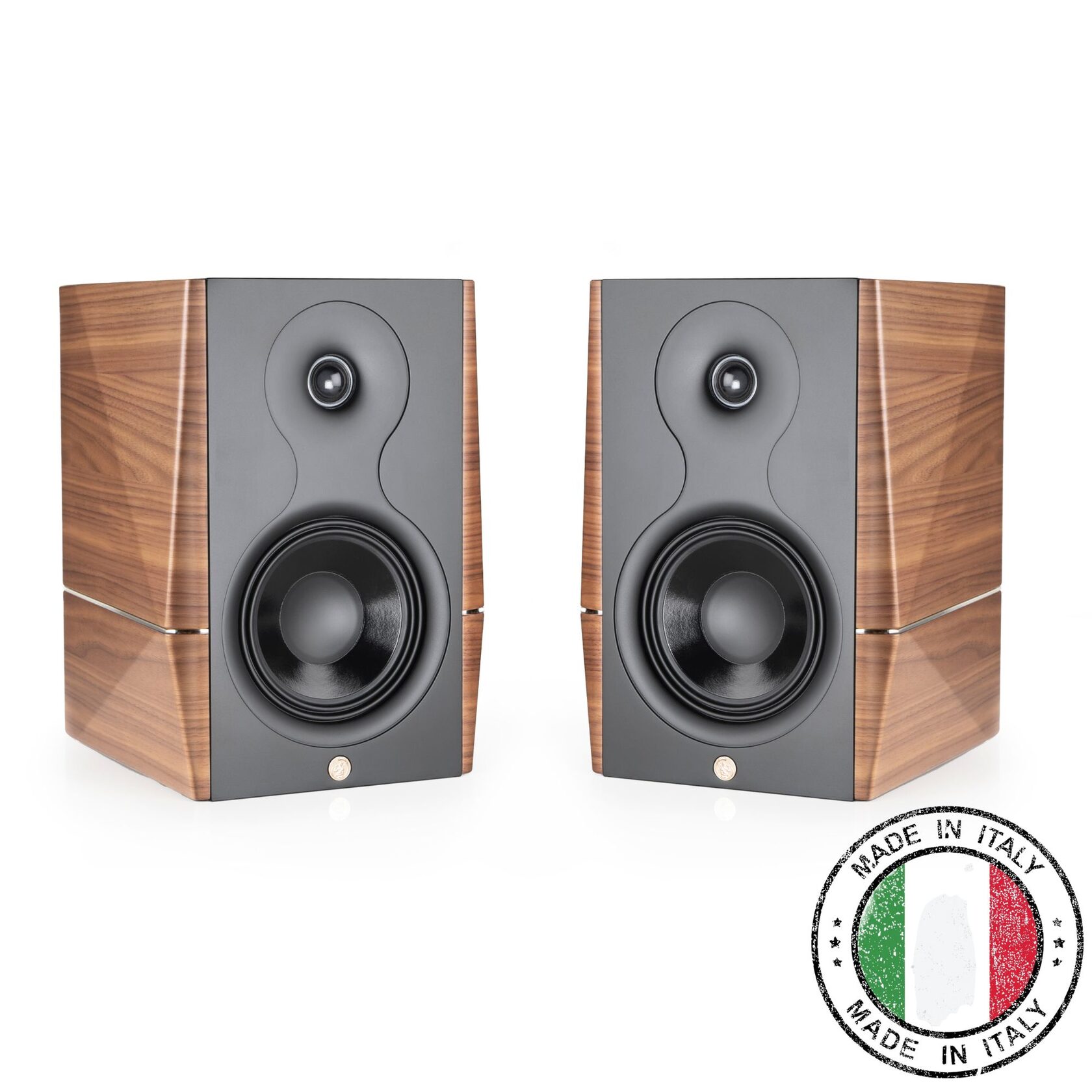
A standmount, also called a bookshelf speaker, is simply a loudspeaker built without the tall cabinet a floorstander uses to add internal air volume and bass extension. That smaller enclosure forces a trade-off: less air volume behind the bass driver generally means less low-frequency output, so standmount designs lean harder on cabinet tuning – a rear or front port, a sealed box, or in PMC’s case a folded Advanced Transmission Line (ATL) squeezed into a compact case – to recover as much bass as a small box allows. What the smaller cabinet gives back is placement precision: a standmount can be raised to ear height on a dedicated stand, angled and spaced independently of the floor, and decoupled from it by the stand’s own mass and spikes, which is why recording engineers monitor on stands rather than towers.
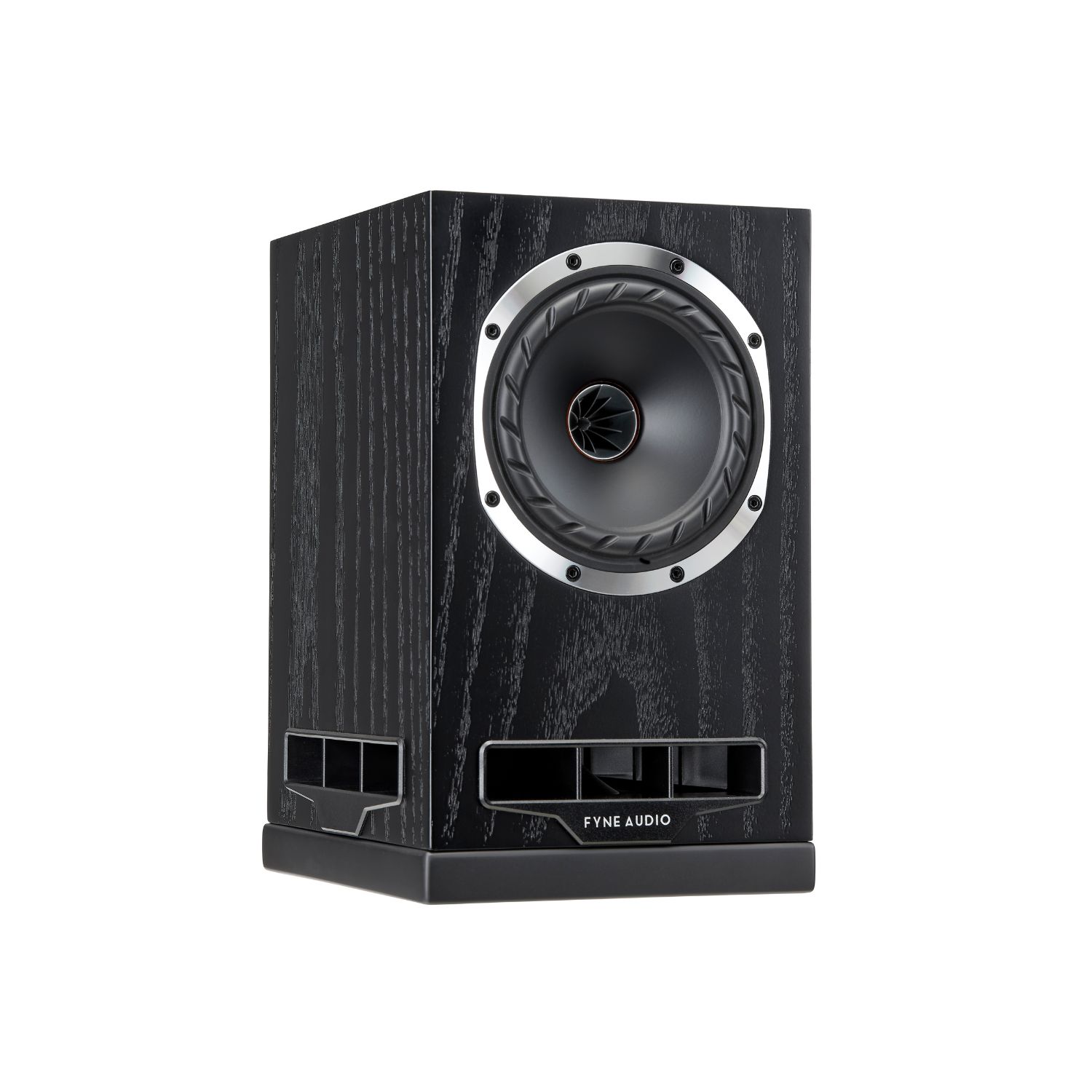
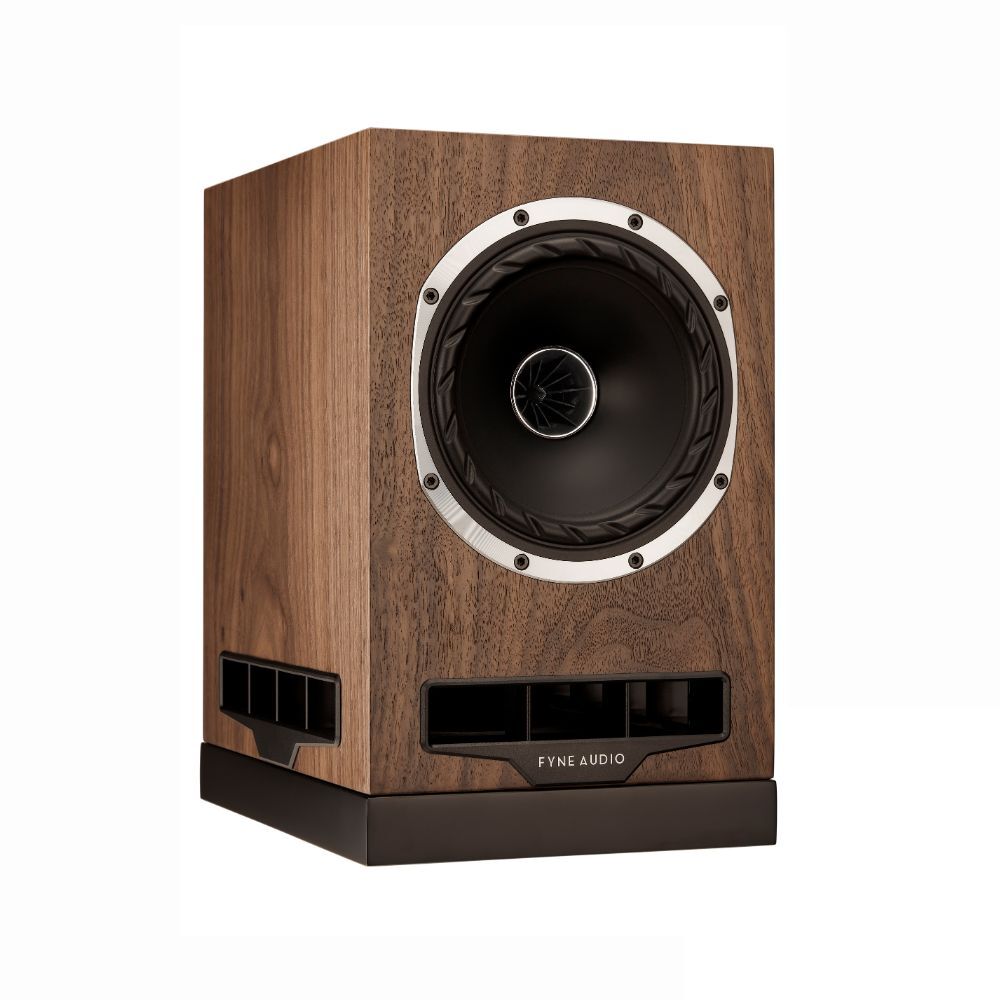
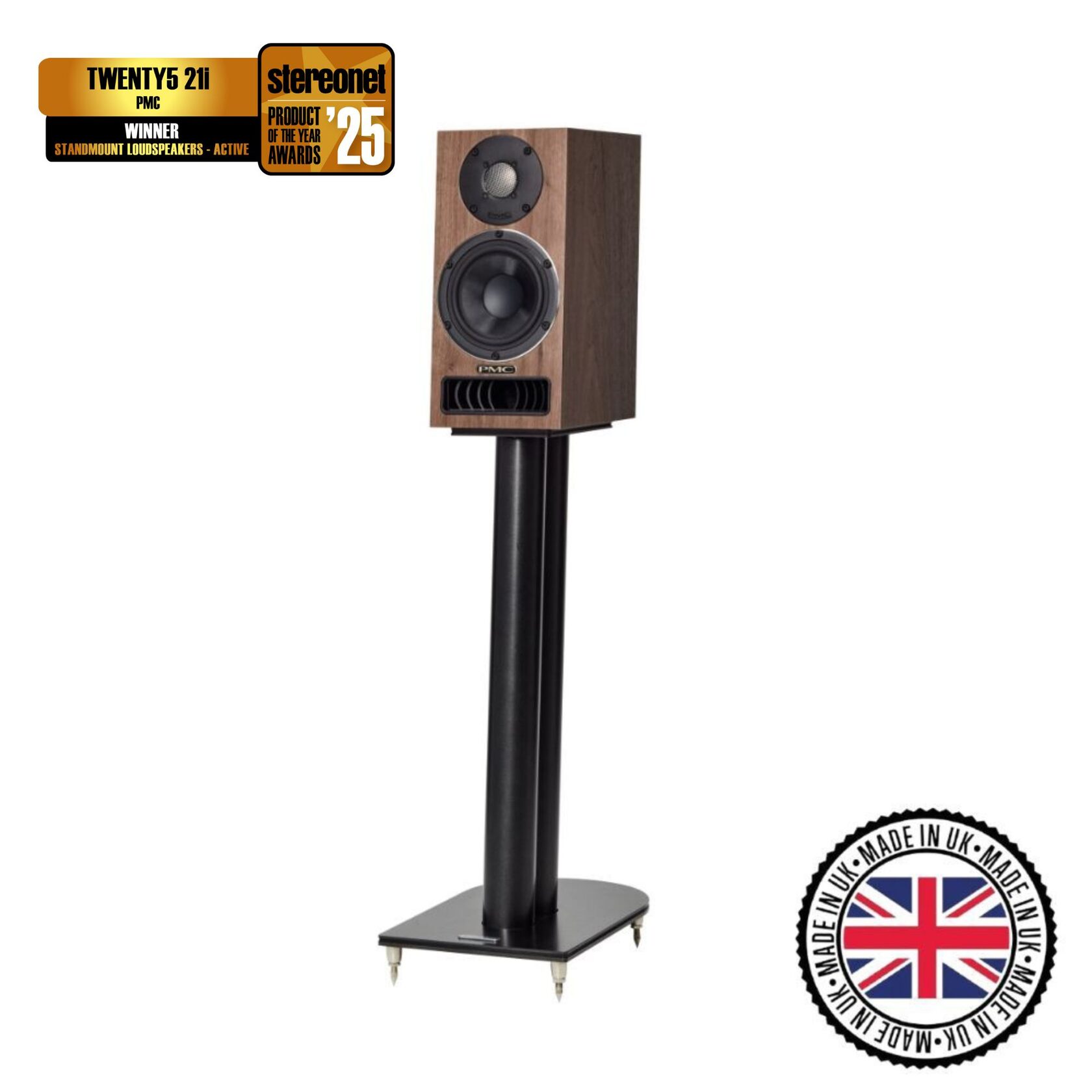
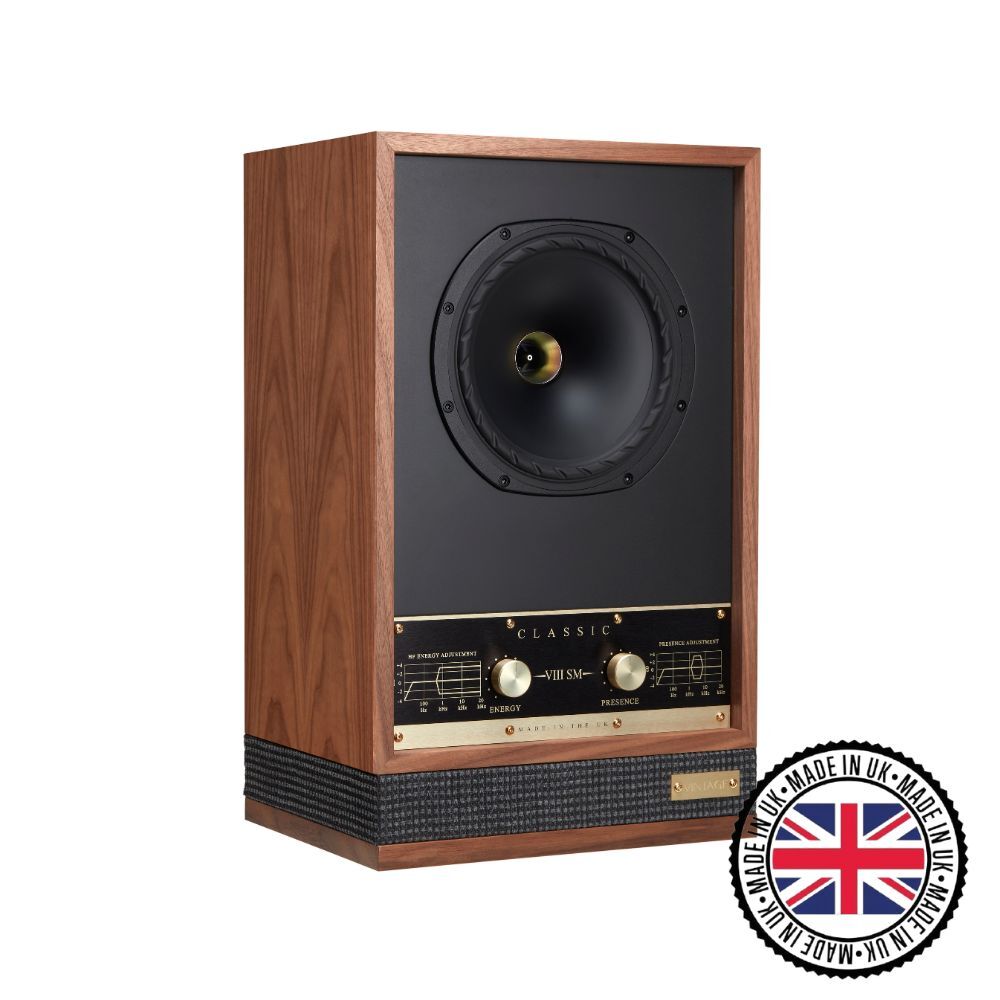
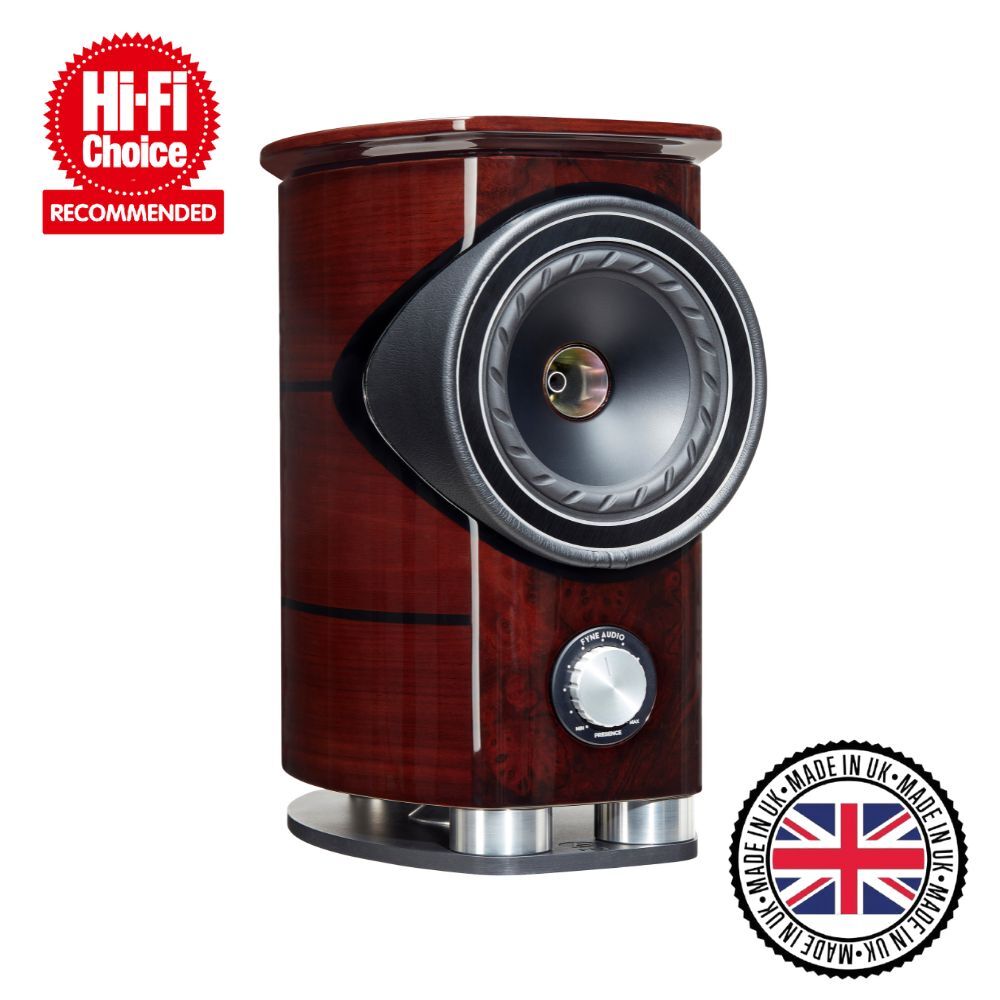
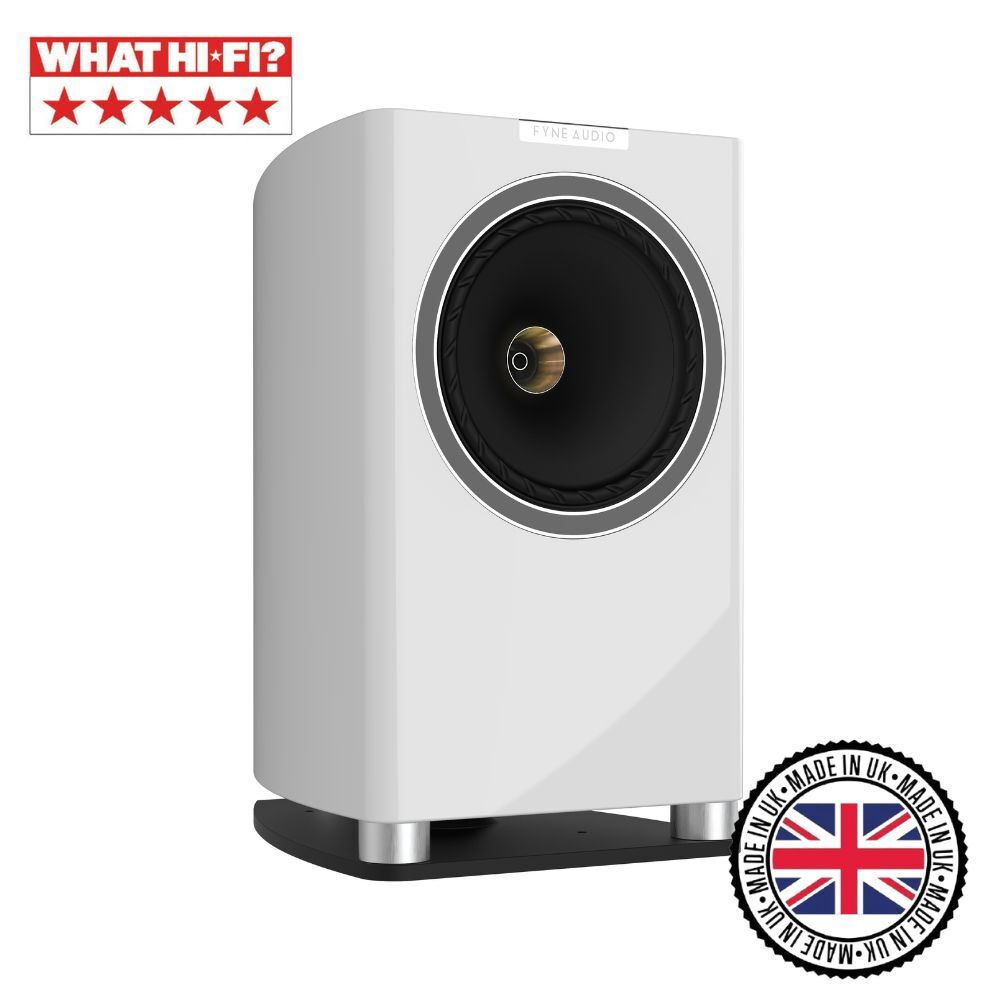
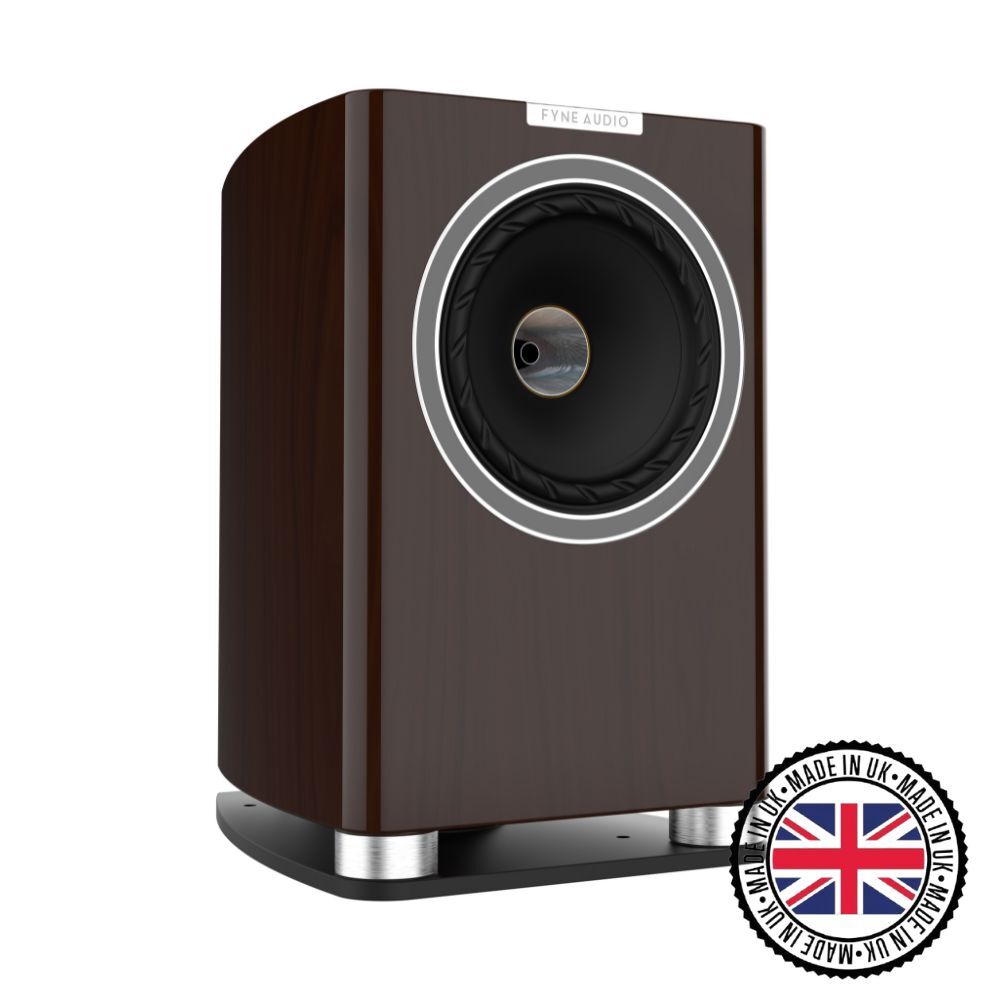
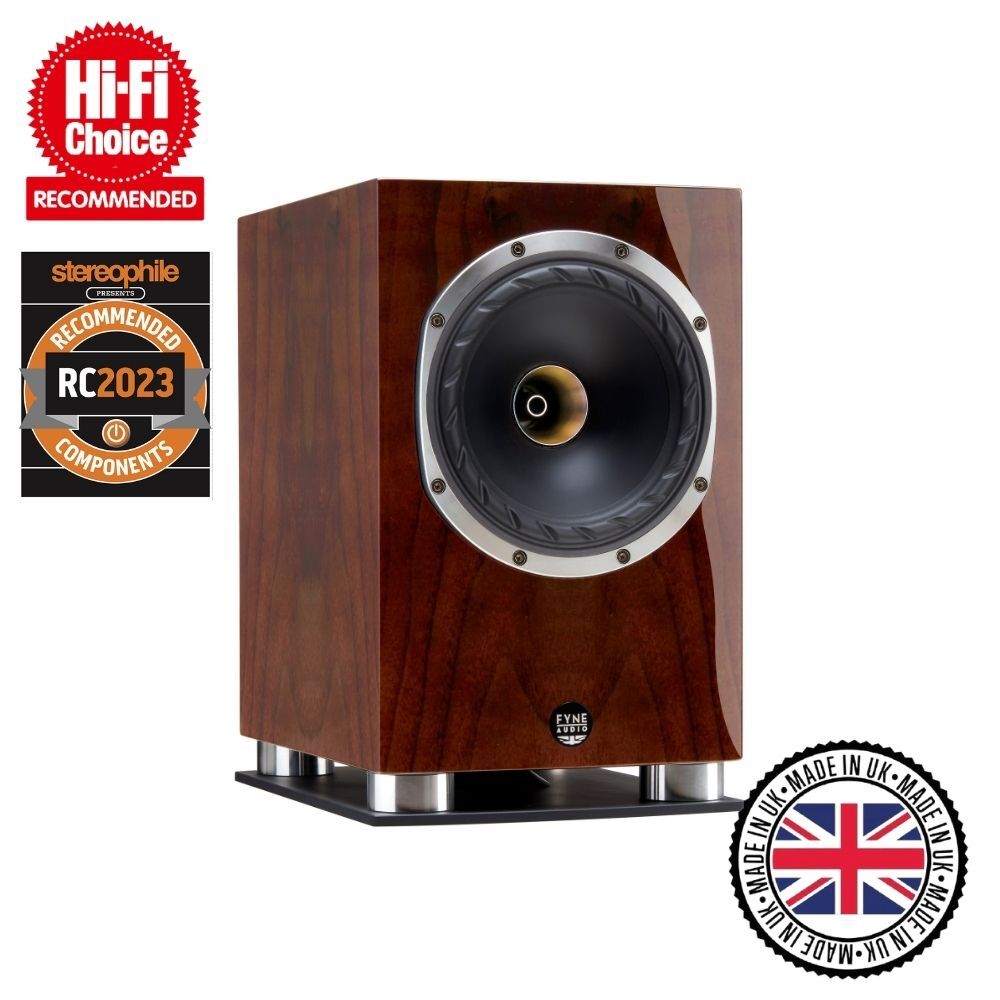
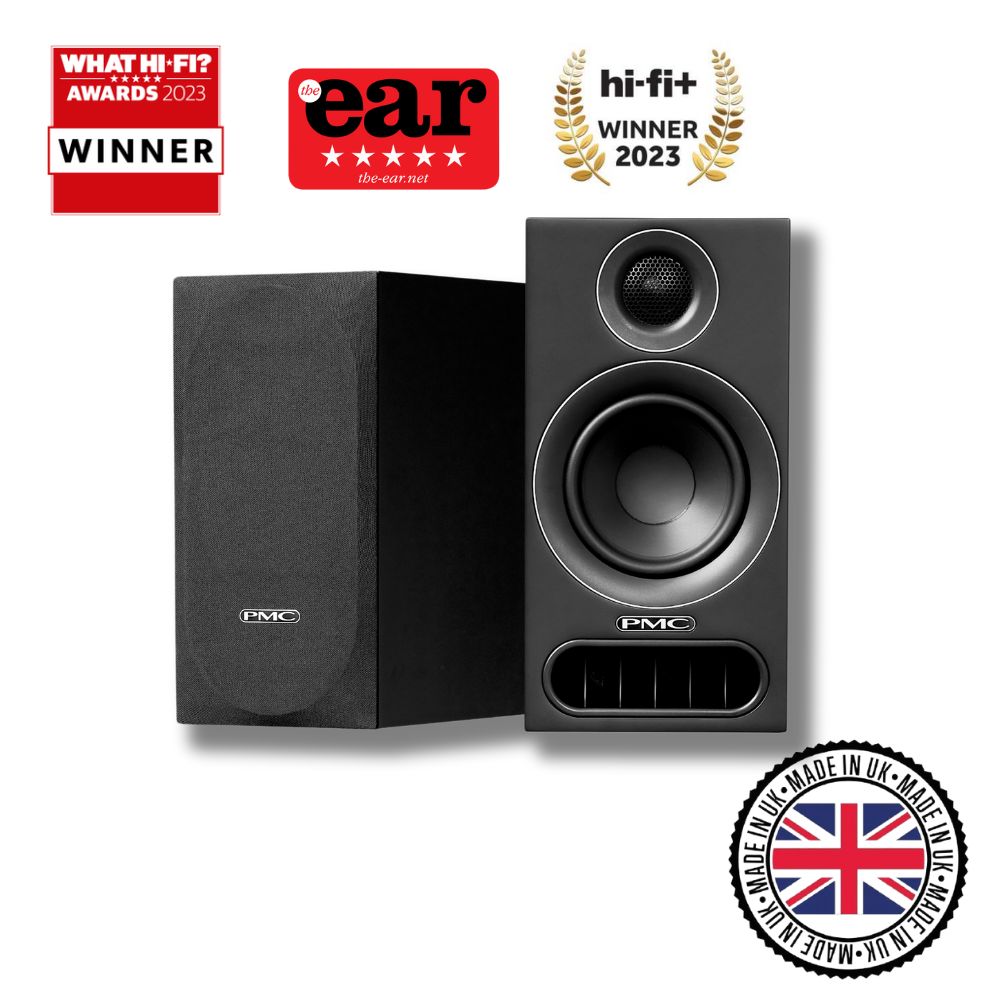
That preference has a professional pedigree, and both brands standmounts descend directly from it. PMC‘s founders, Peter Thomas and Adrian Loader, built the company’s reputation on nearfield studio monitors – compact standmount designs used to judge a mix at close range in professional studios – before PMC’s home-audio standmounts, from the prodigy1 to the twenty5.21i, 22i, carried that same ATL loading and cabinet discipline into domestic listening rooms. Fyne Audio‘s standmounts trace back further still, to the dual-concentric monitor Tannoy engineer Ronnie Rackham patented in 1947 for professional studio use; the F1-5, F1-8, F500 and F700-series bookshelf models apply the same Isolare coaxial driver, now built with modern materials, to that original studio-monitor brief.
A standmount is only half the system: the stand carries as much responsibility for the sound as the cabinet resting on it. A stand that’s too light resonates along with the cabinet and blurs bass timing, while one filled with sand or lead shot adds inert mass that lets the speaker’s own enclosure stay still while its driver moves. Height matters just as much – a stand should bring the tweeter close to a seated listener’s ear height, typically around 90-100cm from the floor, which is why the same standmount model can sound noticeably different on a low stand than a tall one.
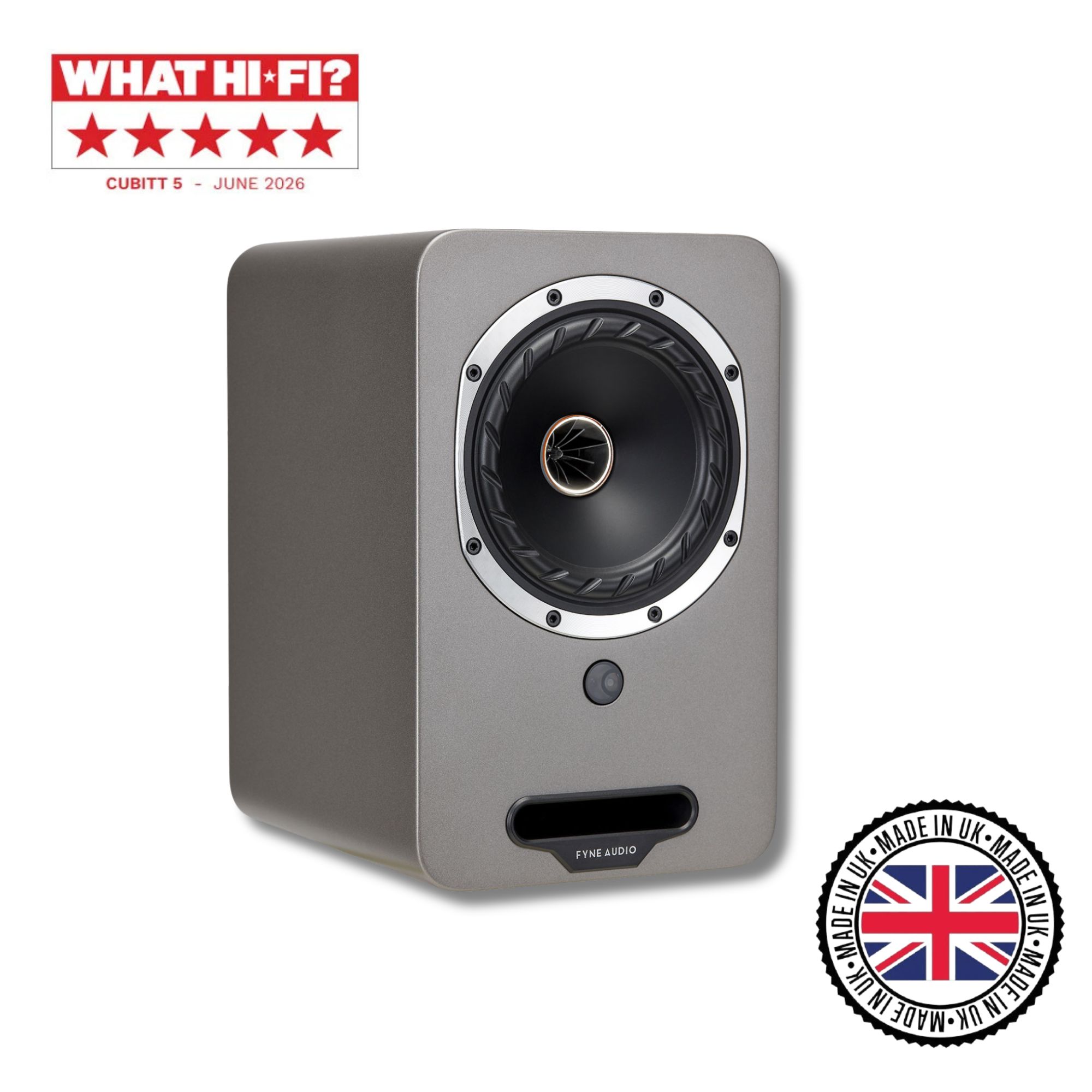
Both brands span a wide range within the format. MC’s standmounts run from the compact Prodigy through the prophecy1 to the fact.8 and fact.12, with the professional SE range’s nearfield monitors sitting above them. Fyne Audio covers similar ground with the entry-level F5E and F5S, the flagship F1-5 and F1-8, the F700 and F701 series, the UK-built F500SP and F701SP, two Vintage-series bookshelf models, and the self-contained, amplifier-equipped Cubitt 5. Decide the room first, then the stand – the two constraints do more to shape what you’ll hear than the speaker’s spec sheet.