
MGY OU logo
Shopping Cart

Why do two DACs with identical specification sheets sound noticeably different?

The answer sits inside a small, unglamorous chip: the digital-to-analog converter.

Every digital recording — a streamed track, a CD, a hi-res file — exists as a string of numbers. Before that data can move a speaker cone or a headphone driver, it has to become a continuous, fluctuating voltage. That conversion isn’t a formality. It’s where timing errors (jitter), rounding artefacts, and noise are either suppressed or permanently baked into the sound.

This is a decades-old engineering problem. Early 1980s CD players used simple resistor-ladder conversion, prone to measurable distortion. Delta-sigma and oversampling designs improved accuracy through the 1990s and 2000s, and today’s most respected converters push further still.

Chord Electronics builds its own FPGA-based digital filters in-house rather than using off-the-shelf conversion chips — an approach that runs from the pocket-sized Mojo 2 up to the reference-grade DAVE.

Cary Audio takes a different route, pairing conversion stages with tube or hybrid output circuits for a warmer analogue character.

Increasingly, conversion and network streaming are merging into one box: Gold Note’s DS series (DS-10 EVO, DS-1000 EVO, DS-5.2) builds a network streamer directly around its DAC stage, so a single Italian-made unit replaces both a separate transport and converter. If that’s the direction you’re heading, our Streaming DAC range covers it in depth.

A good DAC doesn’t add anything to a recording — its job is to remove as little as possible. Below, you’ll find portable headphone DACs, desktop converters, and reference-level upscalers, so you can match the converter to your system rather than the other way around.

Meze Audio Classic Headphones Get 10-Year Anniversary Remake

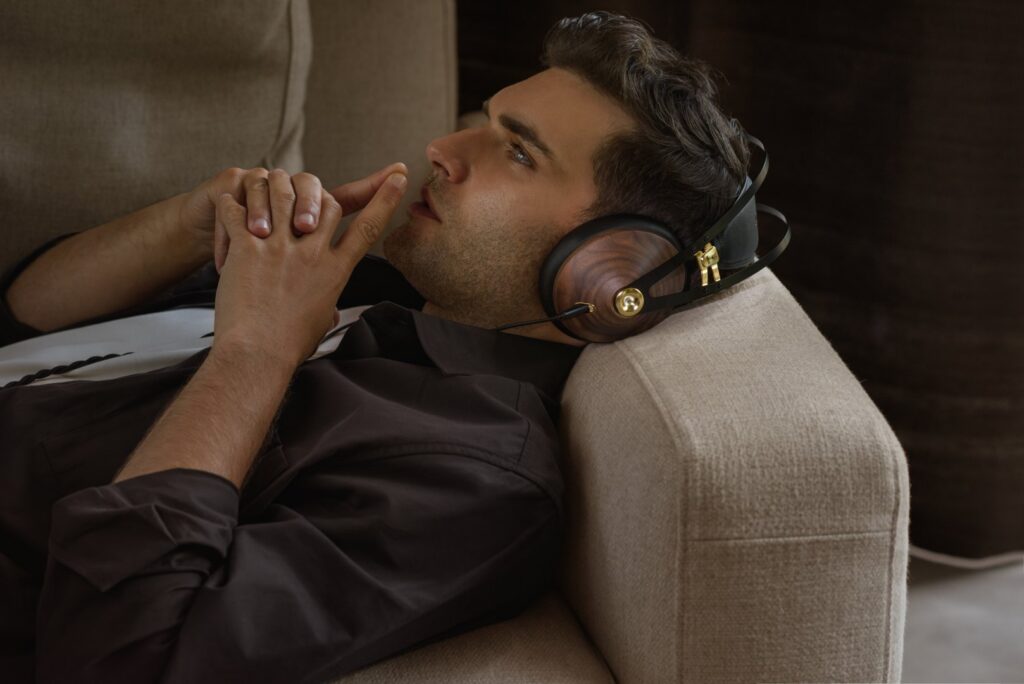
A lifestyle photo of a young person wearing Meze 99 Classic Gen2 headphones while lying on a sofa

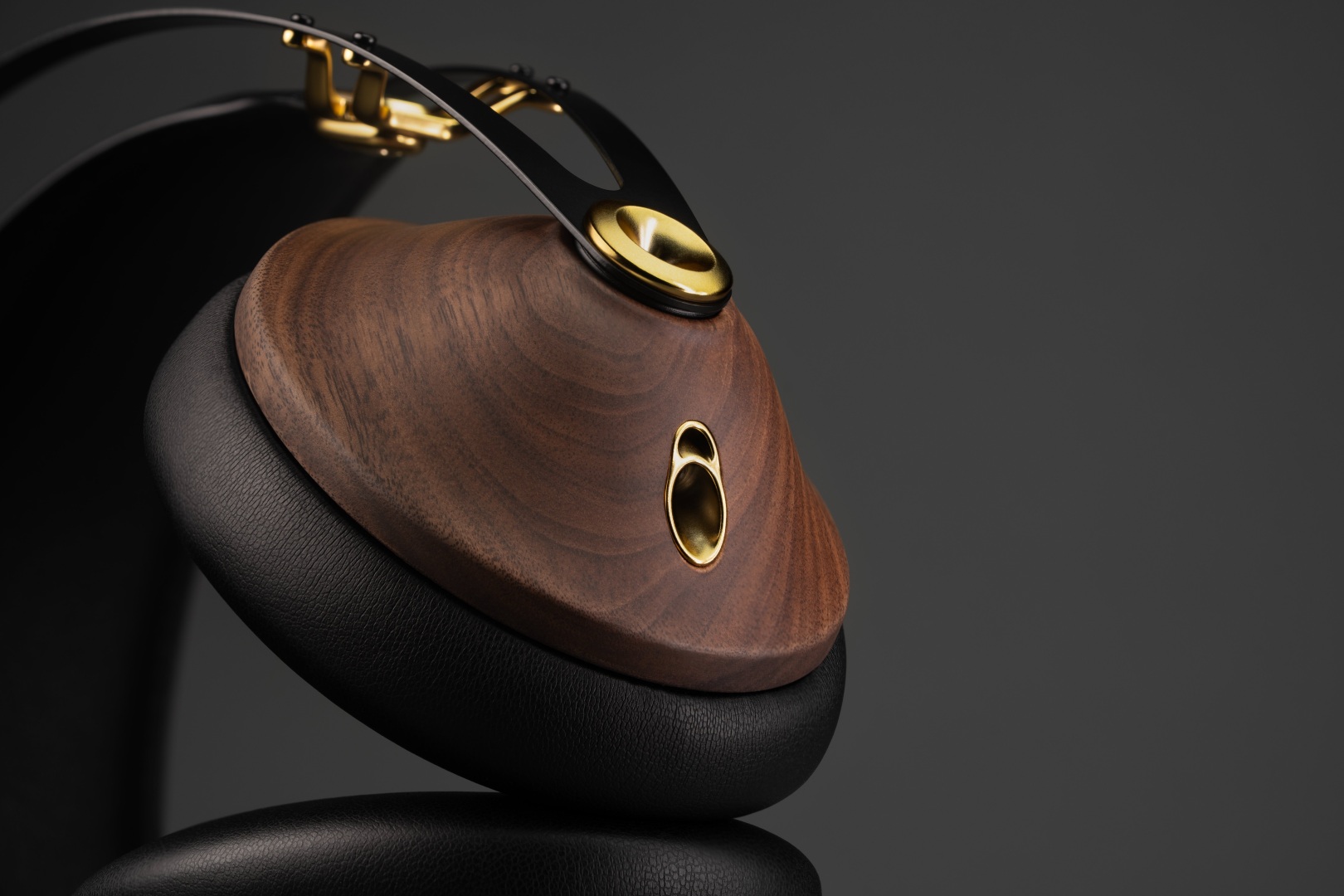
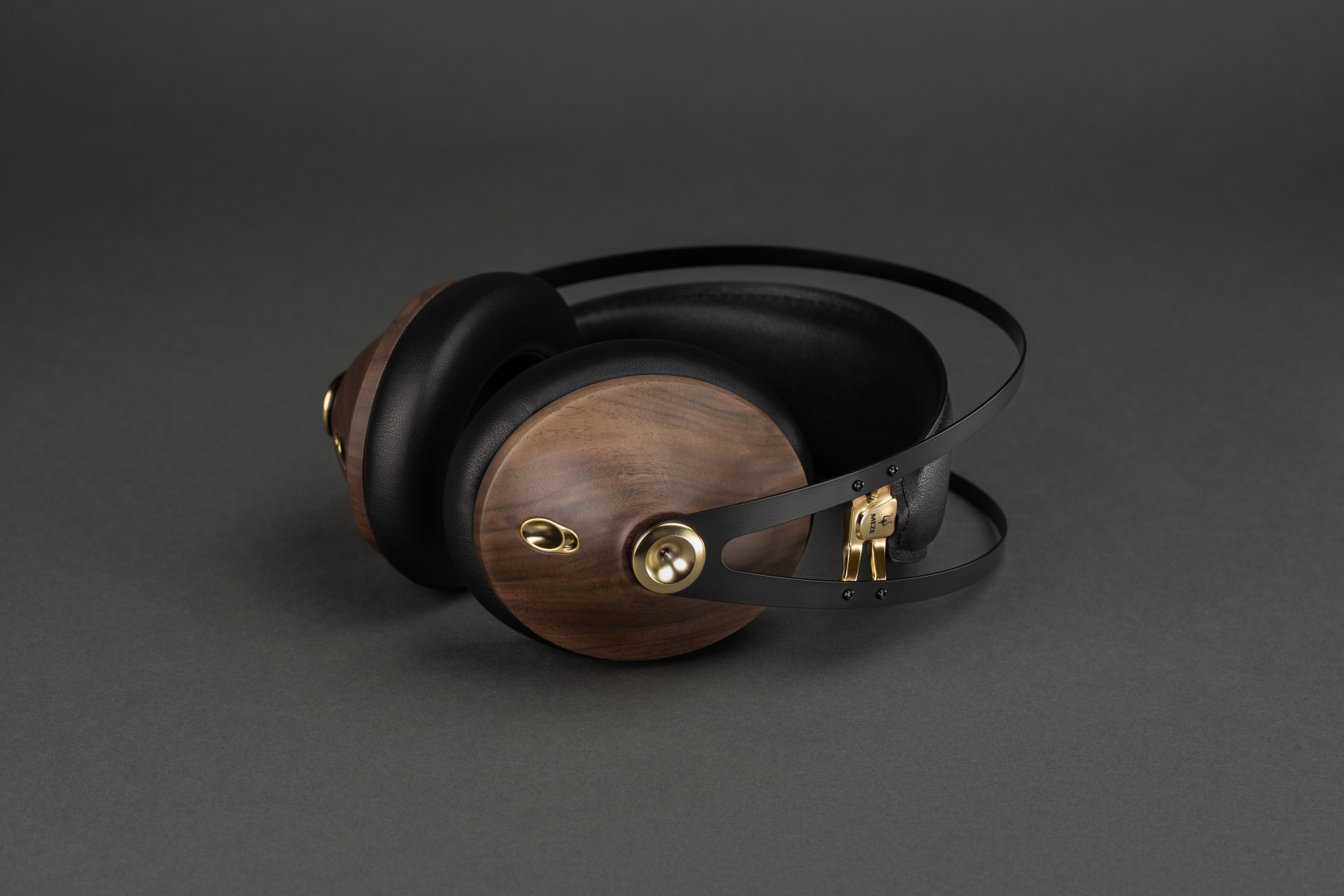
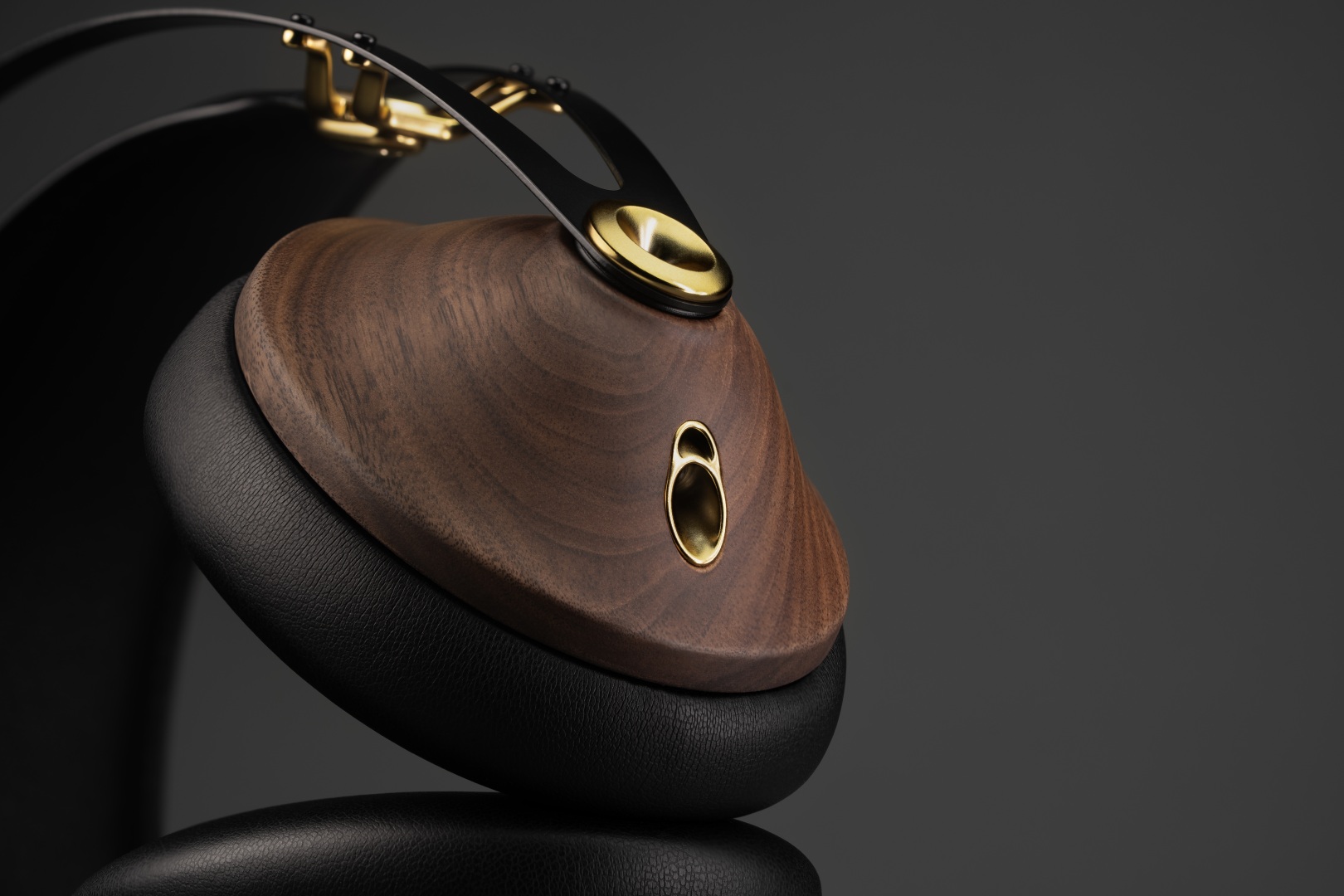
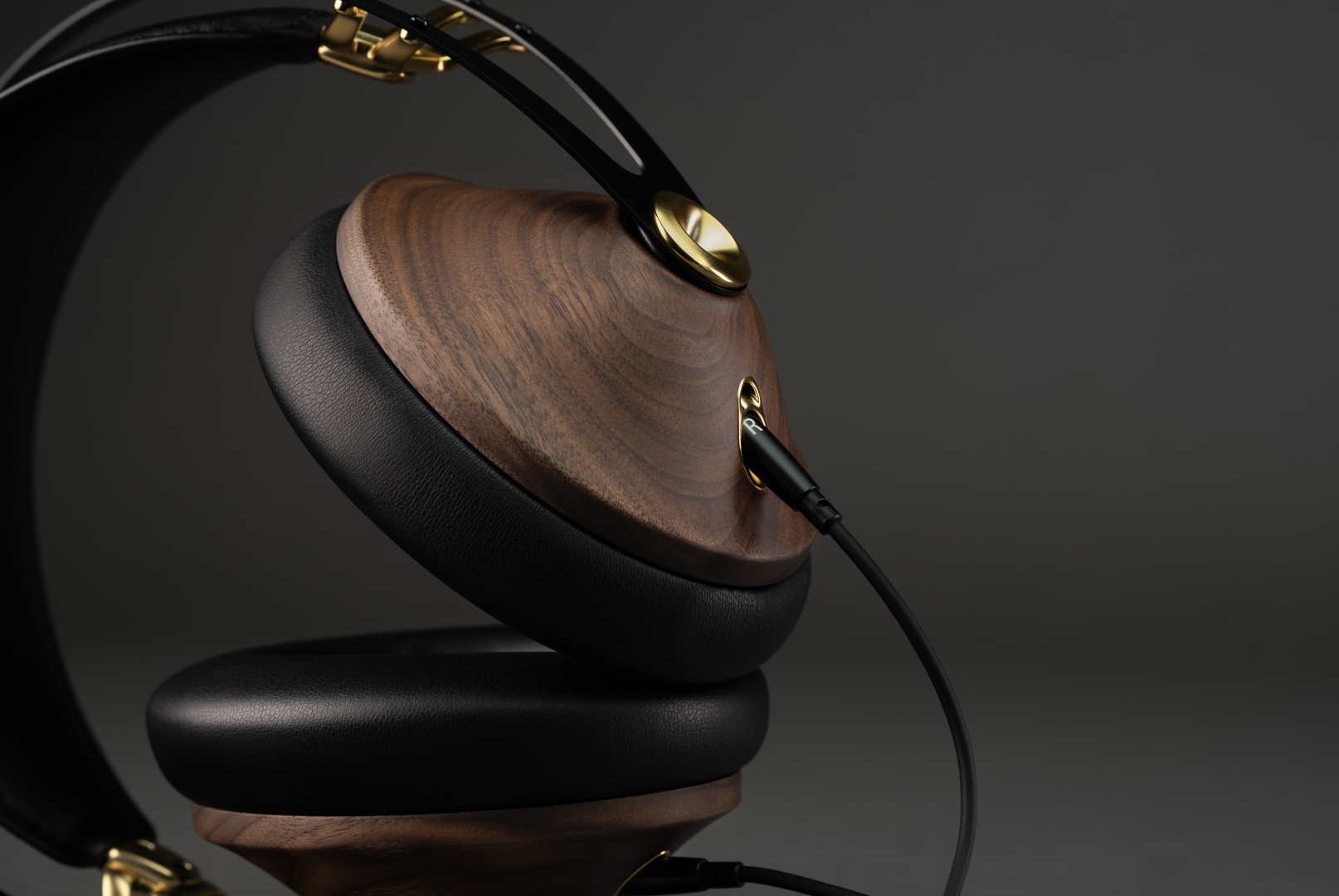
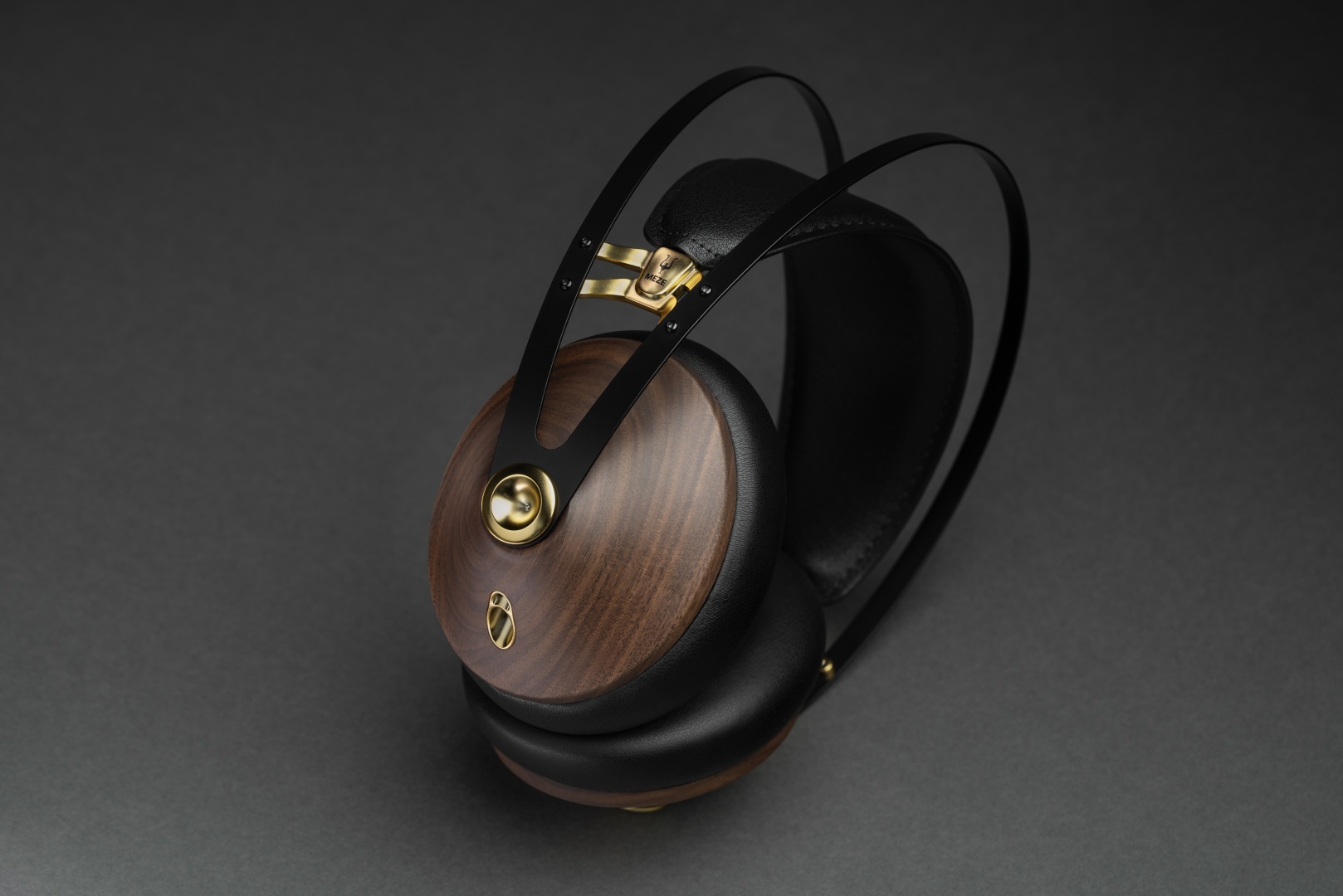
Keeping the easily recognisable form and walnut wood features the Second generation of Meze Audio 99 Classic have been extensively updated to accommodate new, well, generation, of users and offer tangible sound improvement to the owners of the old version.

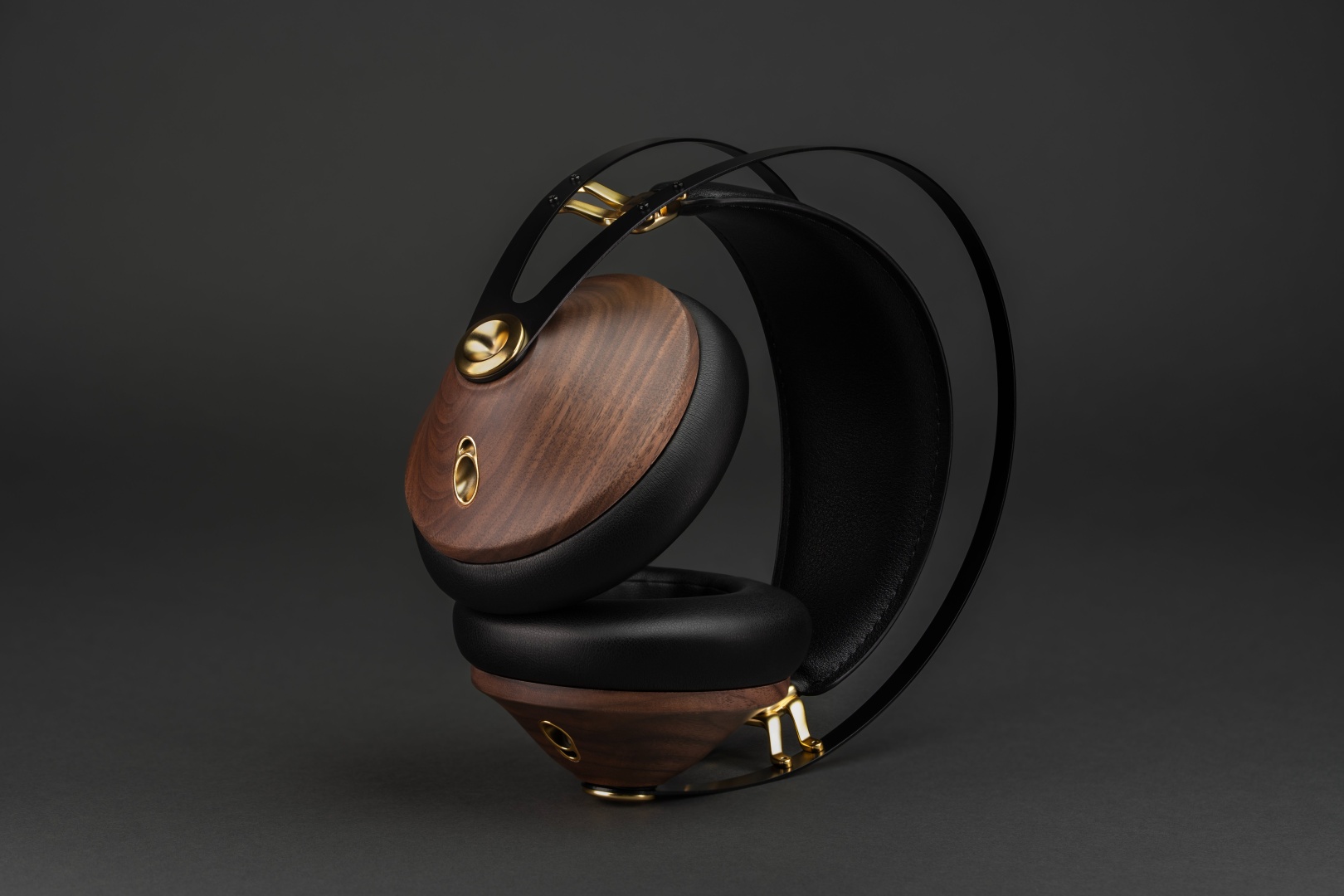
The major updates include:

  • The sound signature is now fine tuned to achieve neutrality and clarity while keeping the enveloping warmth and listening pleasure.
  • Internal ear cup volume slightly increased to achieve more control in the bass.
  • Closed back construction now offers tighter seal due to enhanced material qualities. This predictable sealing also allowed to employ a vented mini-port through the connector casing.
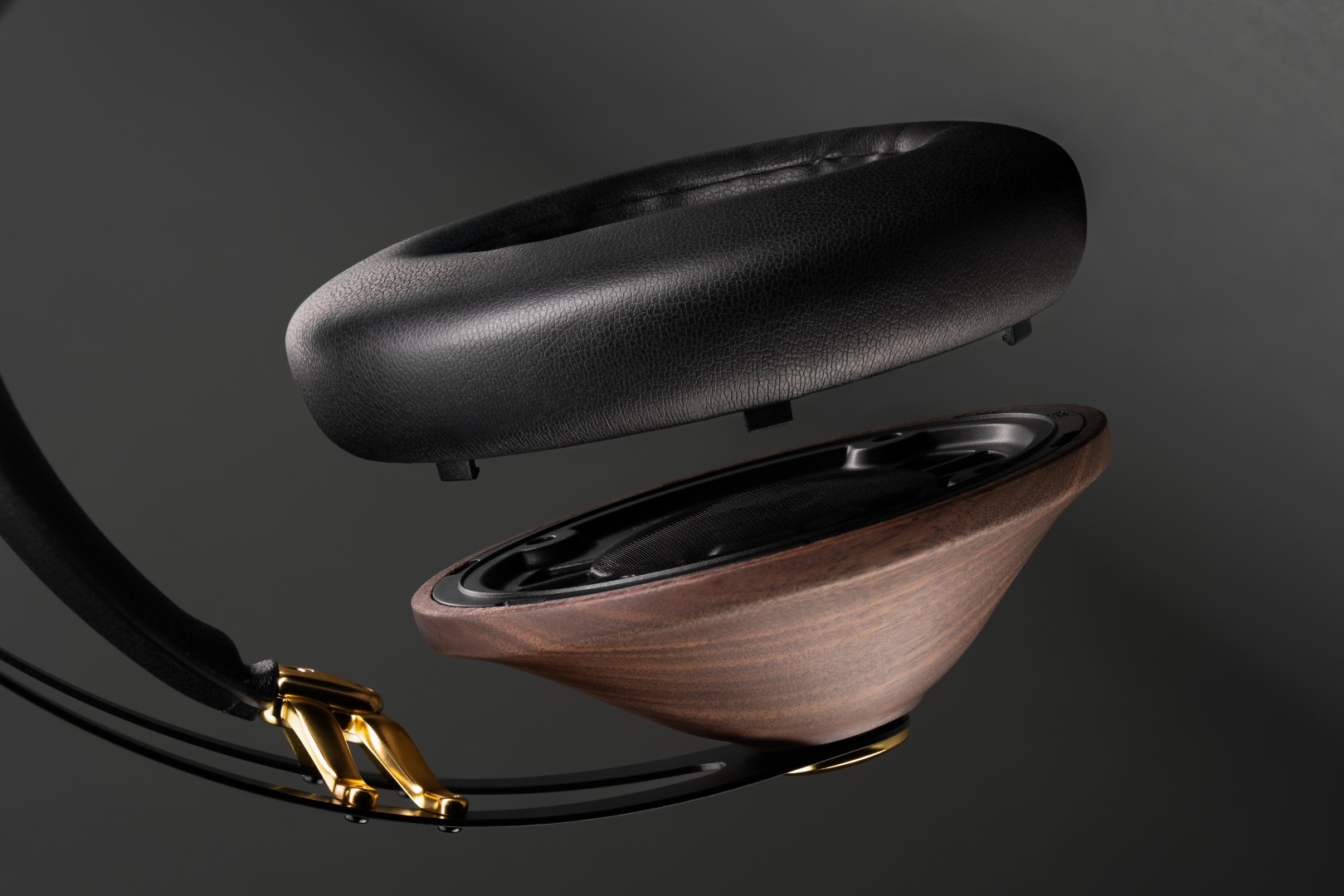
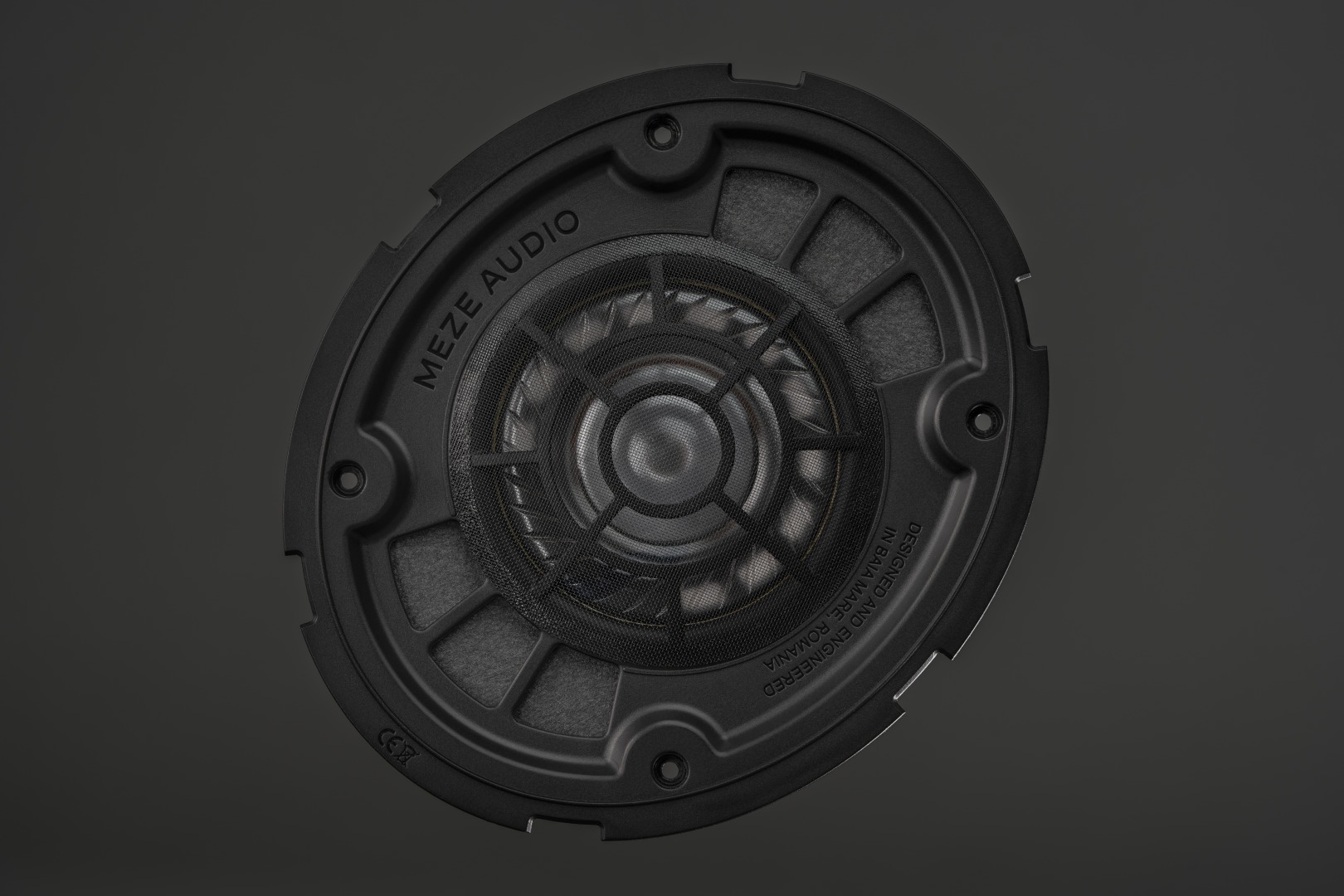
  • Front cavity is heavily optimised for acoustic uniformity with the help of acoustically transparent grille mesh and structural supports.
  • Ear cups are now clip-on, again, for consistency and predictable acoustic behaviour.
  • Upgraded input connector is now accepting all sorts of cable designs including both slim and extra thick 3.5mm mini-jack plugs.
  • Stock cable is re-designed with extreme reliability in mind, using Kevlar jacket over twisted OFC conductors.
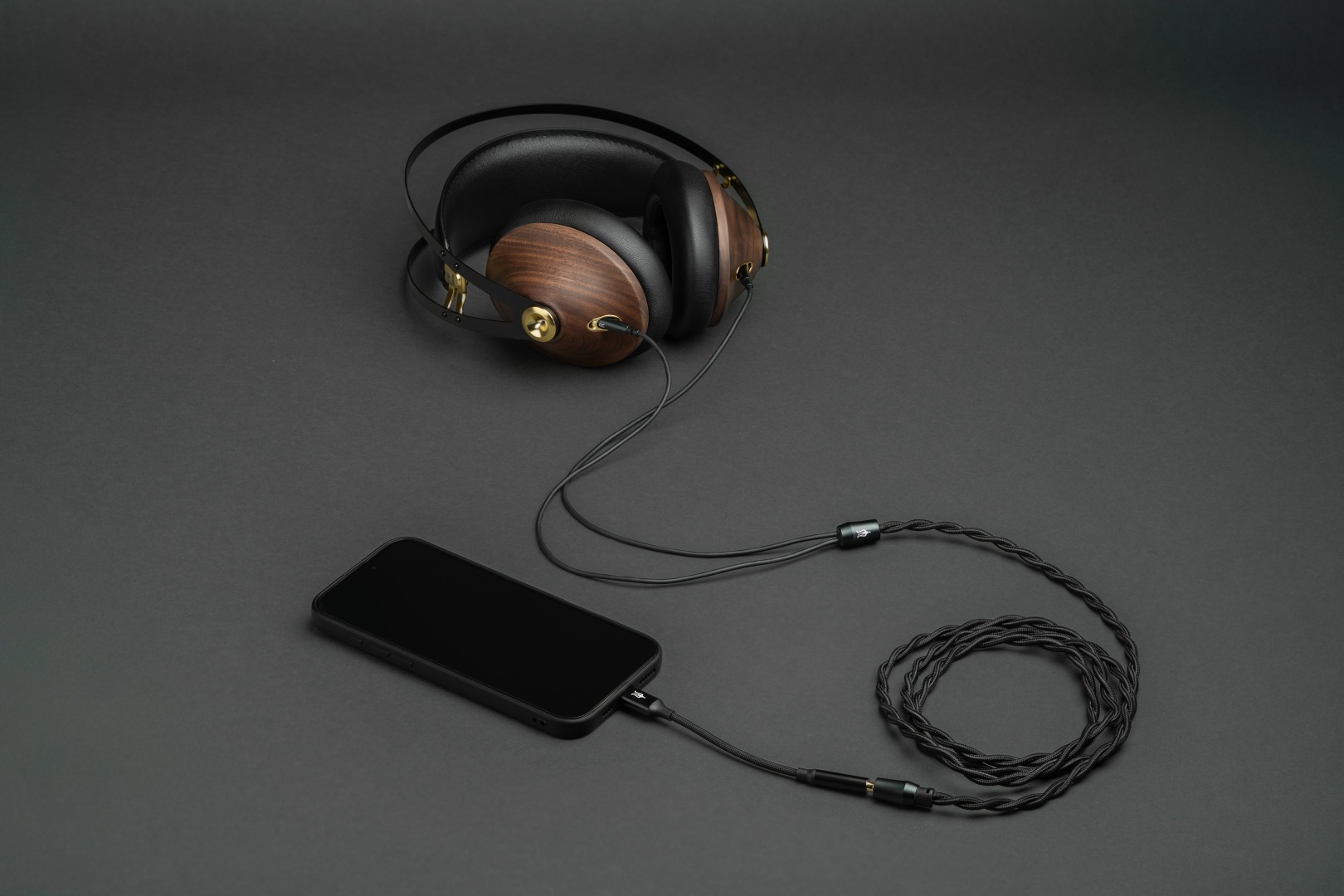
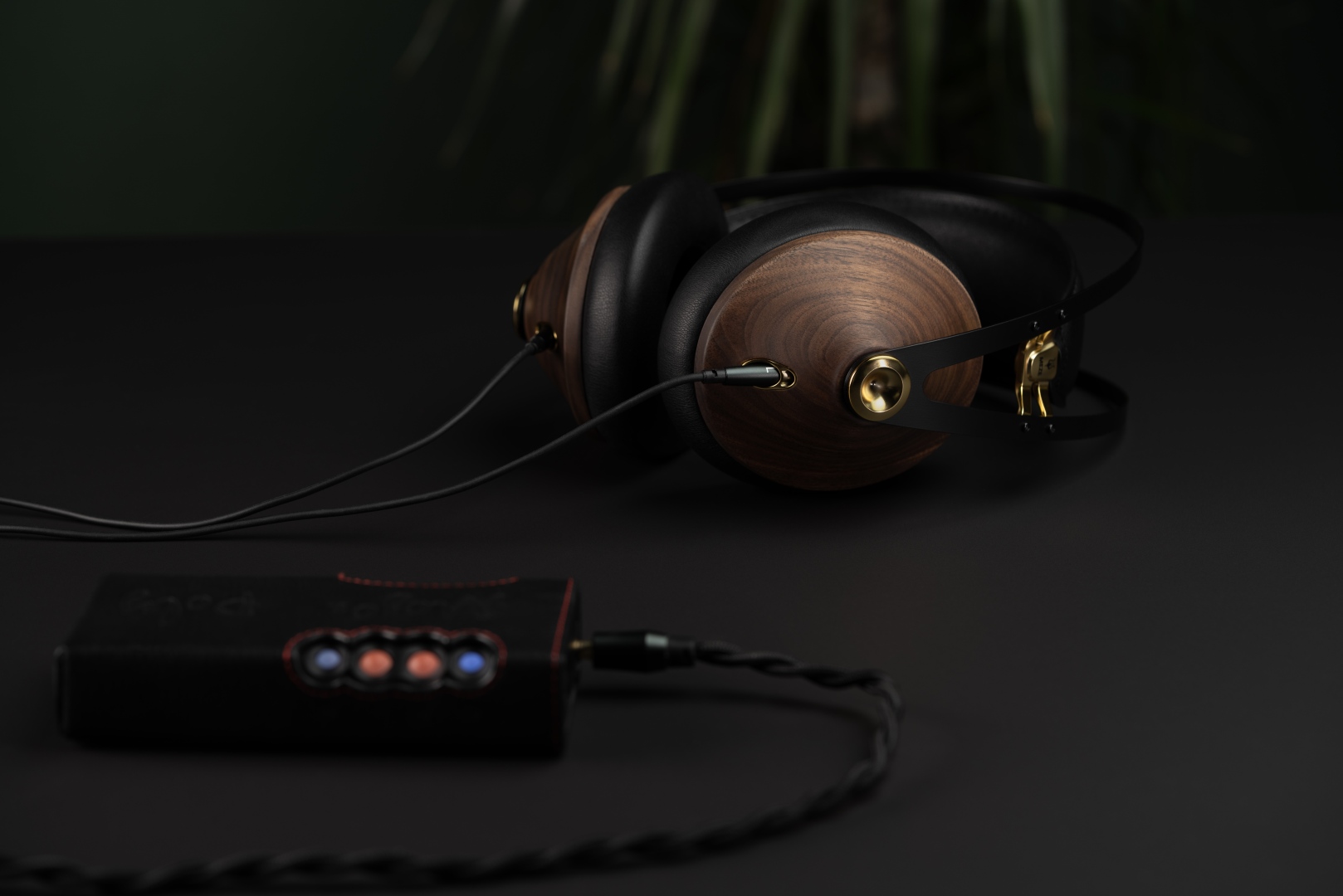
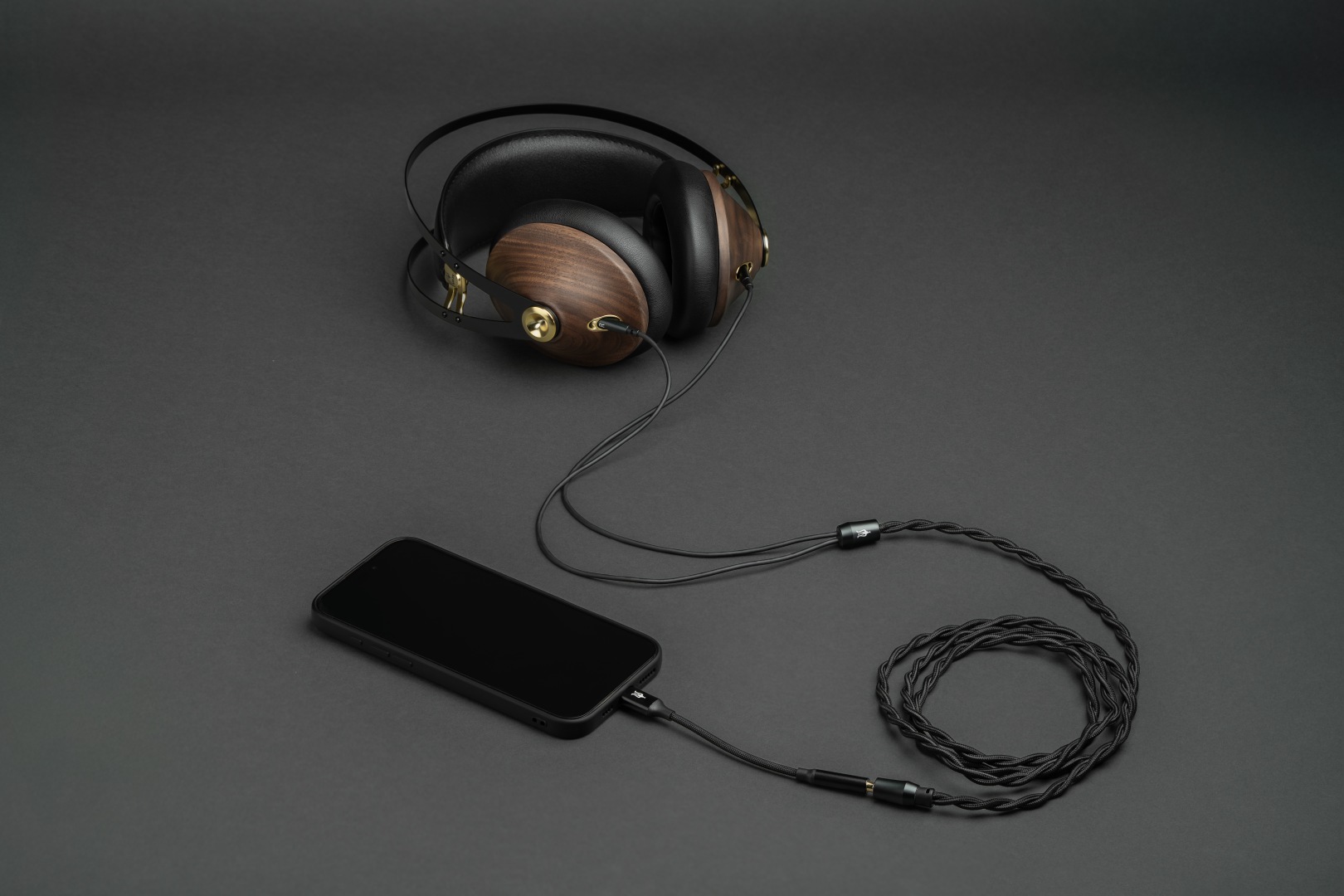
  • Also, users can immediately connect USB-C audio portables to the 99 Classics Gen2 since a miniature DAC/amp is included. Finally, a surprise accessory in the box — a pair of acoustic inserts, use of which, according to Meze, tunes the sound towards the original, 2015, version.

Pricing in EU is set at €349. See the store item for more info.

Written by Sergei Taranov

Search
×